Digital Literacy is more than just a buzzword; it’s a vital skill set that empowers individuals to navigate the complexities of our increasingly digital world. In today’s society, where technology permeates every facet of life—from social interactions to professional environments—being digitally literate means having the ability to access, evaluate, and create information effectively. With components like information literacy and media literacy, understanding digital literacy is essential for making informed decisions and engaging with the digital community responsibly.
This topic not only highlights the skills necessary for personal and professional growth but also emphasizes the role of digital literacy in education and the workforce. It’s crucial to recognize how these skills can be integrated into different age groups and sectors, shaping the way we learn, work, and connect with others.
Understanding the Concept of Digital Literacy
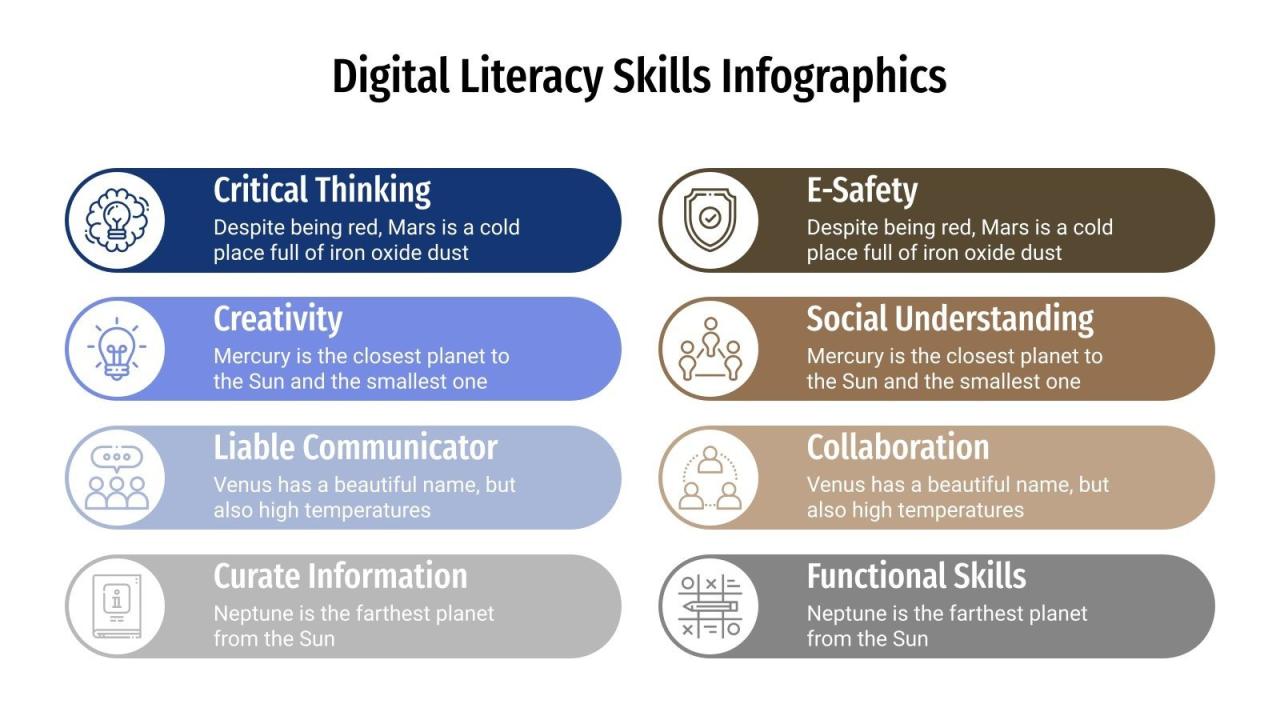
Digital literacy has become a fundamental skill in the 21st century, transcending traditional literacy to encompass a wide range of competencies necessary for effective participation in a technology-driven society. As our world becomes increasingly interconnected through digital platforms, the ability to navigate this landscape is crucial not just for individuals, but for communities and economies as well.
Digital literacy is defined as the ability to access, evaluate, and create information using digital technologies. It encompasses a broad spectrum of skills that enable individuals to interact competently with technology and the internet. The importance of digital literacy cannot be overstated; it empowers individuals to communicate, learn, and work effectively in a society that relies heavily on digital communication and information-sharing.
Components of Digital Literacy
Digital literacy is comprised of several key components that work together to create a well-rounded skill set. Understanding these components is essential for developing effective digital literacy.
- Information Literacy: This refers to the ability to locate, evaluate, and use information efficiently. In a world flooded with data, being able to discern credible sources from unreliable ones is paramount.
- Media Literacy: This involves understanding the role of media in society, critically analyzing media messages, and creating content responsibly. It enables individuals to navigate media platforms and utilize them effectively without falling prey to misinformation.
- Technical Skills: Proficiency in using technology—such as computers, smartphones, and various applications—is a foundational aspect of digital literacy. These skills include basic troubleshooting and familiarity with various software tools.
- Communication Skills: Digital literacy also encompasses the ability to communicate effectively through digital means, leveraging email, social media, and other platforms to convey ideas clearly and professionally.
- Digital Citizenship: This refers to understanding the ethical and responsible use of technology. It includes knowledge of online safety, privacy issues, and the implications of digital footprints.
In everyday life, digital literacy manifests in various ways. For instance, when a student researches a topic for a school project, they utilize information literacy skills to find reliable sources online. They critically assess these sources, determining which are credible before incorporating them into their work.
Another example is a professional using social media for networking. They demonstrate media literacy by crafting posts that engage their audience while being mindful of the information’s accuracy and impact. Additionally, parents often guide their children in understanding digital citizenship, teaching them about the importance of privacy settings and respectful online behavior.
Through these examples, it becomes clear that digital literacy is not merely about knowing how to use technology; it’s about utilizing these tools to enhance learning, foster communication, and navigate the complexities of modern life effectively.
The Role of Digital Literacy in Education
The integration of digital literacy into education is essential for preparing students to thrive in a technology-driven world. As digital tools become increasingly prevalent, educational institutions are tasked with equipping learners with the skills necessary to navigate and leverage these resources effectively. This includes understanding how to use technology responsibly, critically evaluate information, and communicate effectively in digital environments.
Digital literacy is woven into modern educational curriculums for various age groups, reflecting the need for students to acquire essential skills at an early age. In primary education, digital literacy often begins with basic computer skills, such as using software applications and navigating the internet. As students progress to secondary education, the curriculum expands to include more advanced skills, such as digital communication, online research methods, and information ethics. In higher education, digital literacy encompasses data analysis, coding, and the use of collaborative tools that facilitate project-based learning.
Integration of Digital Literacy Across Age Groups
Educators are increasingly incorporating digital literacy into their teaching strategies to foster a comprehensive understanding of technology among students. This integration includes hands-on activities that emphasize practical application, fostering a learning environment where digital skills are practiced and reinforced.
Key elements of integration across different age groups include:
- Early Education: Activities like interactive storytelling and basic coding games introduce young students to foundational digital skills while making learning enjoyable.
- Middle School: Students engage in projects that require researching online, evaluating sources, and presenting information using digital tools, promoting critical thinking and creativity.
- High School: Courses may cover advanced topics like digital citizenship, cybersecurity, and the ethical implications of technology use, preparing students for responsible online behavior.
- Higher Education: Students are expected to utilize digital tools for research, collaboration, and innovation, with an emphasis on preparing them for the workforce.
Challenges in Teaching Digital Literacy
Despite the importance of digital literacy, educators encounter several challenges in effectively teaching these skills.
Common obstacles include:
- Resource Limitations: Many schools lack access to up-to-date technology and training resources, making it difficult to provide comprehensive digital literacy education.
- Varying Skill Levels: Students come from diverse backgrounds with differing levels of familiarity with technology, complicating the development of a uniform curriculum.
- Rapid Technological Change: The fast pace of technological advancement means that educators must continually adapt their teaching methods and resources to stay current.
- Inadequate Professional Development: Educators often receive limited training in digital literacy themselves, hindering their ability to teach effectively.
Successful Case Studies and Initiatives
Numerous educational initiatives have been launched to enhance digital literacy among students, showcasing effective strategies and outcomes.
Examples of successful programs include:
- The Digital Literacy Initiative in Finland: This program integrates digital literacy throughout the educational framework, ensuring that all students develop essential skills from an early age. Students learn through collaboration and project-based tasks that emphasize real-world applications of technology.
- Code.org: This non-profit organization has successfully introduced coding and computer science into K-12 education across the United States, providing resources and training for teachers and engaging students in interactive coding lessons.
- The Global Digital Citizen Foundation: Their curriculum focuses on teaching students the skills necessary to thrive in a digital world, including critical thinking, online communication, and digital footprint management.
These initiatives demonstrate that with the right resources, training, and commitment, educational institutions can significantly enhance digital literacy, preparing students for future challenges in a constantly evolving technological landscape.
Digital Literacy and the Workforce
Digital literacy has become a cornerstone of employability in today’s job market. As technology continues to evolve, employees are expected to possess not only basic computer skills but also a deeper understanding of digital tools and platforms. This demand highlights the growing importance of digital literacy across various fields and its direct correlation with job readiness and career advancement.
To thrive in the modern workforce, individuals must develop a range of essential digital skills. These skills encompass proficiency in software applications, understanding cybersecurity, utilizing digital communication tools, and navigating online collaboration platforms. For instance, familiarity with productivity software like Microsoft Office or Google Workspace is often expected, along with the ability to use project management tools such as Trello or Asana. Moreover, knowledge of data analysis tools, such as Excel or Google Analytics, has become increasingly valuable, allowing employees to interpret data and derive insights that can drive business decisions.
Fostering Digital Literacy in the Workplace
Creating a culture of digital literacy within an organization is crucial for enhancing employee skills and overall productivity. Companies can take several proactive steps to ensure their workforce is equipped with the necessary digital competencies.
Training programs and workshops focused on technology use can greatly enhance employee capabilities. Regularly scheduled sessions that cover emerging digital tools, software updates, and best practices can keep employees informed and engaged. Additionally, mentoring programs that pair tech-savvy employees with those needing assistance can promote knowledge sharing and skill development.
Another effective approach is integrating digital literacy into performance evaluations and career development plans. By encouraging employees to set digital literacy goals, organizations can motivate them to pursue relevant training and certifications, ultimately reinforcing a culture of continuous learning.
Digital Literacy Requirements Across Industries
Digital literacy needs vary significantly across different professions and sectors. Understanding these differences can help both job seekers and employers align their expectations and requirements.
In the healthcare industry, for instance, professionals must navigate electronic health records (EHR) systems and telehealth platforms, highlighting the need for skills in data privacy and patient communication technologies. Conversely, in the finance sector, employees often require advanced skills in data analysis and financial software, reflecting the industry’s reliance on data-driven decision-making.
The education sector also emphasizes digital literacy, where educators are expected to adapt to e-learning technologies and online teaching tools to engage students effectively. Similarly, the marketing industry prioritizes skills in social media management and digital analytics, as these tools are essential for reaching and understanding target audiences.
“Digital literacy is not just about knowing how to use technology, but also understanding the implications and applications of digital tools in various professional contexts.”
Overcoming Barriers to Digital Literacy
Digital literacy is essential in today’s technology-driven world, yet many individuals face significant hurdles in acquiring these skills. Common obstacles include socio-economic factors, lack of access to technology, and insufficient educational resources. Recognizing these barriers is the first step toward creating effective solutions that bridge the digital divide and empower underserved populations.
Understanding the common obstacles is crucial for developing strategies that can effectively promote digital literacy. Socio-economic factors play a pivotal role, as individuals from low-income backgrounds may lack access to computers, reliable internet, and supportive learning environments. Other barriers include age-related challenges, where older adults struggle to adapt to new technologies, and language barriers that can hinder understanding of digital tools.
Common Barriers to Digital Literacy
Several factors impede individuals from gaining digital literacy skills. These barriers must be addressed to ensure equitable access to technology. Below are some of the most significant challenges:
- Limited Access to Technology: Many individuals do not have computers or internet access at home, making it difficult to practice and learn digital skills.
- Educational Disparities: Lack of formal education or training can hinder one’s ability to navigate digital platforms effectively.
- Language and Cultural Barriers: Non-native speakers may struggle with digital literacy due to language differences and cultural unfamiliarity with technology.
- Age-Related Challenges: Older adults may have difficulty adapting to new technologies, which can lead to feelings of frustration and exclusion.
Effective Strategies and Programs
Several strategies and programs have proven effective in overcoming digital literacy barriers. These initiatives aim to provide individuals with the tools and resources they need to succeed in a digital world. Key approaches include:
- Community Training Workshops: Local organizations often offer workshops that provide hands-on training in digital skills, tailored to the needs of community members.
- Partnerships with Schools: Collaborations between schools and community centers can help provide access to technology and training for families.
- Subsidized Internet Programs: Programs that provide low-cost or free internet access help bridge the connectivity gap for low-income households.
- Mentorship Programs: Connecting tech-savvy volunteers with those seeking to improve their digital skills fosters a supportive learning environment.
Impact of Community Initiatives
Community initiatives have proven to be vital in promoting digital literacy among underserved populations. These efforts not only enhance individual skills but also strengthen community ties and economic opportunities. Effective community-driven initiatives include:
- Local Tech Hubs: Establishing community centers equipped with technology allows individuals to access resources and receive guidance from knowledgeable staff.
- Mobile Technology Units: Outreach programs using mobile units to provide training and resources to remote areas can greatly increase access.
- Collaboration with Libraries: Libraries often serve as critical hubs for digital literacy, offering free access to computers and hosting training sessions.
- Promoting Online Safety Education: Educating communities about online safety and digital etiquette is essential for building confidence in using technology.
“Digital literacy is not just about knowing how to use technology, but understanding how to leverage it for personal and professional growth.”
The Impact of Technology on Digital Literacy
The rapid evolution of technology has fundamentally transformed the concept of digital literacy. In today’s digital age, being literate is no longer confined to traditional reading and writing skills; it now encompasses a broad range of competencies essential for navigating the digital landscape. This change is driven by the increasing integration of digital technologies in everyday life, impacting how individuals communicate, learn, and engage with information.
Evolution of Technology and Digital Literacy
The evolution of technology has significantly altered the landscape of digital literacy. With the advent of the internet and mobile devices, access to information has become unprecedented. Individuals are now required to develop skills not only to locate information but also to evaluate its credibility and relevance. This shift necessitates a more nuanced understanding of information consumption, as users must discern between fact and misinformation.
Moreover, digital literacy has expanded to include skills related to data privacy, cybersecurity, and digital communication etiquette. The increasing reliance on cloud services, social media platforms, and collaborative tools has introduced new paradigms of sharing and interacting with information.
Influence of Social Media and Online Platforms
Social media and online platforms have played a pivotal role in shaping digital skills among users of all ages. These platforms facilitate the creation and dissemination of content, allowing individuals to not only consume information but also become active contributors to the digital ecosystem.
The interactive nature of social media demands a level of digital literacy that includes understanding audience engagement, content creation, and the implications of online interactions.
The following points highlight the skills that have emerged from the influence of social media:
- Content Creation: Users learn to create engaging and relevant content, honing their writing, graphic design, and multimedia skills.
- Critical Thinking: Users must analyze and evaluate information shared online, enhancing their ability to identify biases and misinformation.
- Digital Communication: Effective communication strategies are essential, as the tone and medium of communication can differ significantly across platforms.
- Community Engagement: Understanding how to foster and maintain online communities requires knowledge of social dynamics and conflict resolution.
Implications of Emerging Technologies on Digital Literacy Needs
Emerging technologies, such as artificial intelligence (AI) and virtual reality (VR), are reshaping the future of digital literacy. As these technologies become mainstream, they introduce new demands for digital skills that were previously unimagined.
AI, for instance, is revolutionizing how we interact with digital content through personalized recommendations and automation. Users need to understand the basics of AI to leverage its benefits while being aware of potential biases and ethical implications.
Virtual reality presents another frontier in digital literacy. As VR becomes more prevalent in education and training environments, users must develop skills to navigate immersive digital spaces. This includes understanding how to interact within virtual environments and the potential psychological effects of immersive experiences.
In summary, the impact of technology on digital literacy is profound and ongoing. Individuals must continually adapt to new tools and platforms, ensuring that they not only remain informed but also equipped with the skills necessary to thrive in an increasingly digital world.
Measuring Digital Literacy Proficiency
The ability to navigate the digital landscape is crucial in today’s technology-driven world. To ensure individuals are equipped with necessary digital skills, measuring digital literacy proficiency becomes essential. This involves creating frameworks that can effectively assess these skills, while also recognizing the need for continuous evaluation and enhancement of digital competencies.
Frameworks for Assessing Digital Literacy Skills
Developing a structured framework for assessing digital literacy can provide clarity and consistency in evaluations. A well-designed model can guide both individuals and organizations in identifying skill levels and areas for improvement. One such framework is the Digital Literacy Competency Framework, which encompasses various dimensions of digital skills, including information literacy, communication, collaboration, and technical skills.
Key components of this framework include:
- Information Literacy: The ability to locate, evaluate, and use information effectively.
- Communication Skills: Proficiency in using digital tools to communicate and collaborate with others.
- Technical Skills: Understanding and using software applications and online platforms.
- Critical Thinking: Analyzing and evaluating digital content critically for informed decision-making.
Each component can be assessed through various methods such as self-assessments, peer evaluations, and practical tasks that reflect real-world scenarios.
Ongoing Evaluation and Improvement
The landscape of technology is ever-evolving, which makes ongoing evaluation of digital literacy proficiency vital. Continuous assessment allows individuals to stay current with emerging digital tools and practices. Implementing regular evaluations fosters a culture of growth and adaptability.
Organizations can utilize performance reviews and skills assessments to encourage members to keep their skills updated. A recommendation is to establish a feedback loop where individuals receive constructive feedback following assessments. This helps in creating a personalized learning path and promotes lifelong learning.
Best Practices for Tracking Digital Literacy
For organizations to effectively track and measure digital literacy among their members, adopting certain best practices can be beneficial. These practices not only streamline the assessment process but also enhance overall digital competency within the organization.
Essential best practices include:
- Regular Training Programs: Conduct workshops and training sessions to enhance digital skills.
- Digital Literacy Assessments: Implement periodic assessments to measure progress and proficiency.
- Feedback Mechanisms: Establish channels for feedback to inform individuals about their performance.
- Resource Availability: Provide access to online learning platforms and resources to support skill development.
By integrating these practices, organizations can create an environment conducive to improving digital literacy and ensuring their members are equipped to thrive in a digital world.
Measuring digital literacy is not just about assessing skills; it’s about fostering a culture of continuous improvement and growth.
The Future of Digital Literacy
The evolution of technology brings about significant shifts in how we engage with information and communication. As digital tools become increasingly integrated into our daily lives, the importance of digital literacy continues to rise. Understanding what lies ahead in this domain is crucial for individuals and society as a whole.
Anticipated trends indicate that digital literacy will expand beyond mere technical skills to include critical thinking, creativity, and adaptability. These skills will be essential as technological advancements, such as artificial intelligence and the Internet of Things, reshape the landscape of work and communication. Continuous adaptation to new tools and platforms will be imperative for individuals to remain relevant and effective in their roles.
Trends Shaping Digital Literacy
Digital literacy is expected to evolve in several ways as technology advances. Key trends include:
- Increased Integration of AI: Tools powered by artificial intelligence will become more prevalent, necessitating a deeper understanding of algorithmic processes and data manipulation.
- Focus on Cybersecurity: As digital threats grow, a solid grasp of cybersecurity principles will be crucial for protecting personal and organizational information.
- Interdisciplinary Learning: The convergence of disciplines will require individuals to merge technical skills with knowledge in areas such as ethics, design, and social sciences.
- Enhanced Collaboration Tools: Familiarity with various virtual collaboration platforms will be essential for effective teamwork in remote or hybrid work environments.
- Augmented and Virtual Reality: As immersive technologies enter the mainstream, understanding their applications and implications will be a new facet of digital literacy.
The role of lifelong learning cannot be overstated in maintaining digital literacy skills. The rapid pace of technological change demands that individuals continuously update their knowledge and skills. This ongoing process can be facilitated through various means:
- Professional Development Programs: Many organizations are incorporating regular training sessions to ensure their personnel are equipped with the latest digital skills.
- Online Learning Platforms: With the rise of MOOCs and other online resources, individuals have unprecedented access to courses that can enhance their digital literacy.
- Community Engagement: Participating in local workshops or tech meetups can provide practical learning experiences and foster collaboration among peers.
Neglecting digital literacy in future generations could lead to significant consequences, both personally and societally. Individuals may face challenges in securing employment, as many jobs will increasingly demand proficiency in digital tools. A gap in digital literacy could exacerbate existing inequalities, leaving vulnerable populations at a disadvantage in accessing information and opportunities. Furthermore, a lack of digital understanding can contribute to misinformation and a skewed perception of reality, impacting informed decision-making and civic engagement.
“Digital literacy is not just a skill; it’s a necessity for navigating the complexities of the modern world.”
By recognizing and adapting to these evolving trends in digital literacy, we can better prepare ourselves and future generations for a technology-driven future.
Wrap-Up
In summary, Digital Literacy is not just a skill for the present; it is a lifelong necessity that shapes our future interactions and opportunities. As we evolve with technology, fostering digital literacy in ourselves and our communities will ensure that we are not left behind in this fast-paced digital age. Embracing these skills will lead to a more informed and engaged society, ready to tackle the challenges and opportunities that lie ahead.
FAQ
What is digital literacy?
Digital literacy is the ability to effectively find, evaluate, use, and create information using digital technology.
Why is digital literacy important?
It is essential for personal empowerment, career prospects, and informed citizenship in a technology-driven world.
How can I improve my digital literacy skills?
Engaging in online courses, workshops, and tutorials, as well as practicing with various digital tools can enhance your skills.
What role does digital literacy play in education?
Digital literacy is integrated into curriculums to prepare students for the digital world, fostering critical thinking and creativity.
Are there resources available for underserved populations?
Yes, many community programs and non-profits provide free or low-cost digital literacy training for those in need.