Deepfake technology has emerged as a fascinating yet contentious innovation in our digital landscape, captivating audiences with its ability to manipulate video content seamlessly. This groundbreaking advancement combines artificial intelligence and deep learning algorithms to create hyper-realistic visuals, blurring the lines between reality and fabrication. Initially designed for entertainment, deepfakes have evolved into a multifaceted tool that raises critical questions about ethics, legality, and public trust.
As we delve into the mechanics behind deepfake creation, we uncover the intricate processes that distinguish this technology from traditional video manipulation. With accessibility to sophisticated tools, the use of deepfakes has surged, presenting both opportunities and challenges across various sectors. By examining the implications of deepfake technology, we can better understand its profound impact on media and society today.
The emergence of Deepfake technology in the digital age
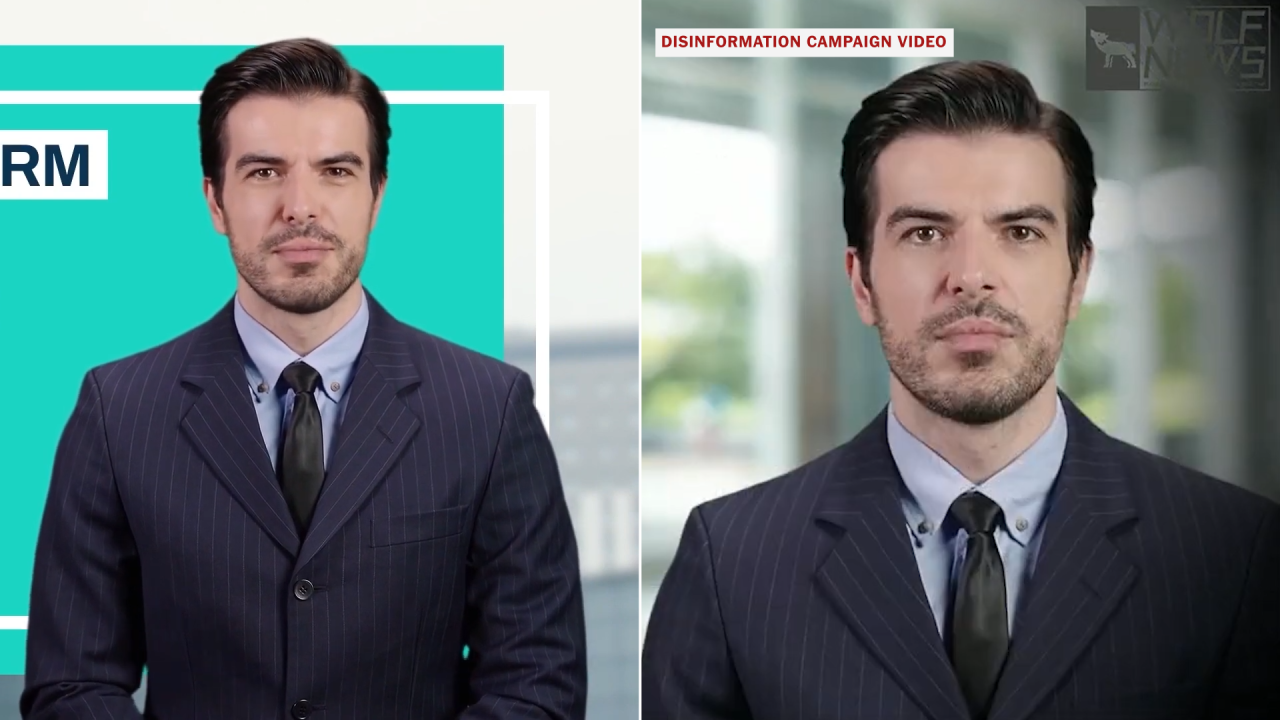
The rise of deepfake technology marks a significant shift in how we interact with digital content, primarily fueled by advancements in artificial intelligence and machine learning. Emerging around 2017, deepfakes have rapidly evolved from niche curiosities to tools that can influence public opinion and personal privacy. The historical context of deepfake technology can be traced back to early face-swapping algorithms and video manipulation techniques that gained traction with the accessibility of machine learning resources. Initially, these technologies were used for harmless entertainment purposes, showcasing impressive visual effects and creativity within the film and gaming industries.
The accessibility to advanced algorithms has greatly influenced the growth of deepfakes, democratizing the ability to create realistic digital representations of individuals. With open-source frameworks like TensorFlow and PyTorch, powerful algorithms are available to anyone with basic programming skills. This has led to an explosion of user-generated content, where individuals can produce high-quality deepfakes using readily available software and datasets. The simplicity of tools such as DeepFaceLab or Faceswap allows even amateur creators to generate convincing fake videos, which can be disseminated widely on social media platforms. As a result, the technology has outpaced the development of regulations and ethical guidelines, presenting significant challenges in distinguishing authentic media from manipulated content.
Early implementations of deepfake technology have had profound societal impacts. For instance, in late 2017, a series of celebrity deepfake videos emerged that depicted famous figures in adult content, raising concerns about consent and the potential for harassment. These early examples highlighted the darker side of deepfake technology, sparking debates over privacy, security, and the ethical implications of creating alternate realities. Additionally, deepfakes have been used to produce parody content, such as the viral video of Barack Obama speaking words he never actually said, showcasing the potential for misinformation. As deepfakes continue to evolve, they pose significant risks to political discourse, personal safety, and public trust in digital media.
The mechanics behind Deepfake creation
Deepfakes represent a significant evolution in the realm of digital content manipulation, utilizing intricate artificial intelligence algorithms to craft hyper-realistic alterations to video and audio material. The essence of deepfake technology lies in its ability to replicate a person’s likeness and voice convincingly, creating materials that can mislead viewers or create engaging fictional narratives. This transformation is primarily driven by generative adversarial networks (GANs), which play a pivotal role in the deepfake creation process.
The technical processes involved in crafting deepfakes encompass several key stages, which include data collection, model training, and synthesis. Initially, a substantial dataset of images and videos featuring the target individual is gathered. These datasets are essential as they provide the neural network with numerous examples from which to learn. The next step involves training two neural networks—the generator and the discriminator—against each other in a competitive framework. The generator creates fake content, while the discriminator evaluates its authenticity against actual data. This adversarial training continues until the generator produces outputs that are indistinguishable from real images or videos.
Differences between Traditional Video Manipulation Techniques and Deepfake Technology
Understanding the distinctions between traditional video manipulation and deepfake technology is crucial in appreciating the advancements deepfakes bring. Traditional techniques often relied on manual editing skills, such as using green screens, compositing, or basic CGI to alter footage. While these methods can yield impressive results, they often require significant time and expertise, and limitations exist in seamlessly integrating altered parts with the original footage.
In contrast, deepfake technology automates the manipulation process through AI, improving efficiency and realism. Deepfakes can manipulate facial expressions, eyes, and even voice modulation while maintaining a high degree of authenticity. The following points highlight the key differences:
- Automation: Deepfake processes are automated via AI algorithms, making it easier for users with minimal technical skills to produce convincing alterations.
- Realism: Deepfakes maintain a higher level of realism due to their reliance on deep learning techniques that replicate natural movements and expressions.
- Speed: The generation of deepfakes can be significantly faster than traditional methods, allowing for quick content creation.
- Scalability: Deepfake technology can be applied to numerous videos with similar characteristics, enabling mass production of altered content.
The tools and software commonly utilized in deepfake production include popular applications like DeepFaceLab, FaceSwap, and Zao, which have gained traction for their user-friendly interfaces and effective algorithms. These tools enable users to perform deepfake creation with relative ease, further democratizing access to advanced video manipulation technologies. The implications of this technology are profound, raising ethical considerations about authenticity and misinformation in the digital age.
Ethical considerations surrounding Deepfake usage
Deepfake technology has emerged as a powerful tool capable of creating highly realistic audio and visual forgeries. While it offers creative potential in entertainment and media, it also raises significant ethical concerns regarding its potential for misuse. The moral implications of deepfake usage are profound, as the technology can easily be exploited to deceive, manipulate, and harm individuals and society at large. Understanding these ethical considerations is crucial for managing the risks associated with this rapidly evolving technology.
The responsibilities of creators and platforms in managing deepfake content are essential to curtailing its harmful effects. With the rise of deepfakes, content creators must prioritize ethical guidelines and transparency in their work. It is critical that they ensure their creations are not used to mislead or exploit others. Platforms hosting deepfake content, such as social media sites, also bear significant responsibilities. They must implement robust content moderation policies that can effectively identify and remove malicious deepfakes while educating users about the potential risks and signs of manipulation.
Here are several key responsibilities for creators and platforms in managing deepfake content:
- Transparency: Creators should clearly label deepfake content to inform viewers that it is altered. This helps prevent the spread of misinformation.
- Content Moderation: Platforms should invest in advanced technologies and human review processes to detect and remove harmful deepfakes swiftly.
- Education: Educating users about deepfakes, their implications, and how to identify them can empower individuals to critically analyze content.
- Policy Development: Establishing clear guidelines for acceptable content creation and distribution is vital in setting community standards.
Harmful deepfake cases have surfaced, illustrating the dire consequences of misuse. One notable example is the deepfake videos used to create fake pornography featuring individuals without their consent, leading to severe emotional distress and reputational damage. In another instance, a deepfake video of a politician was manipulated to spread misinformation during an election campaign, influencing public opinion and raising concerns about democracy. Such cases highlight the urgent need for ethical frameworks and responsible practices in the creation and dissemination of deepfake content, as the repercussions can devastate lives and undermine societal trust.
Legal frameworks and regulations affecting Deepfakes
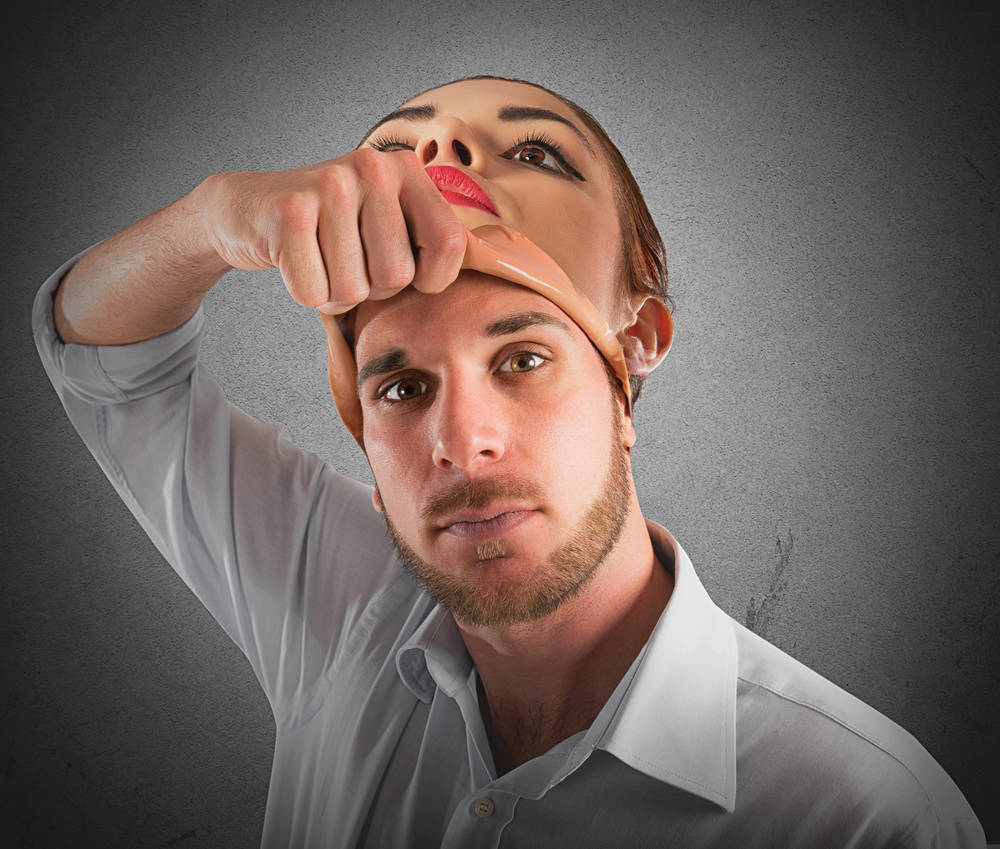
The emergence of deepfake technology presents significant challenges and opportunities across various sectors, from entertainment to security. As deepfake content becomes increasingly sophisticated, the need for robust legal frameworks is imperative to ensure responsible creation and distribution. Governments and regulatory bodies are grappling with how to address these challenges effectively, balancing innovation with accountability.
Current legislation addressing deepfakes varies significantly across different jurisdictions. In the United States, laws like the Malicious Deep Fake Prohibition Act of 2018 aim to criminalize the use of deepfakes for malicious purposes, such as defamation or fraud. Similarly, California enacted a law in 2018 that prohibits the use of deepfake technology to harm or defraud others, particularly in the context of elections or adult content. Internationally, countries like the United Kingdom and Australia are exploring similar regulations, emphasizing the need to protect individuals from harmful deepfake creations while fostering technological advancement.
Challenges in regulating Deepfakes
Lawmakers face significant hurdles in keeping pace with the rapid evolution of deepfake technology. One of the primary challenges is the inherent nature of technology itself, which evolves quicker than legal frameworks can adapt. As deepfake creators develop more advanced algorithms, the existing laws may become outdated, leaving gaps that malicious actors can exploit.
Another challenge is defining the parameters of harmful versus benign deepfake content. For example, while deepfakes used for ethical satire may contribute to cultural discourse, those employed for misinformation or harassment can cause real harm. Consequently, crafting legislation that differentiates between these uses without infringing on free speech rights is a complex task.
Additionally, international disparities in laws can create complications for enforcement. For example, a deepfake created in one country may circulate globally, implicating multiple legal systems with varying approaches to regulation. Inconsistent laws can hinder effective response measures and leave victims without proper recourse.
The effectiveness of current regulations is still under scrutiny. While some laws provide a foundation for accountability, they often lack the resources for enforcement and public awareness, rendering them less effective. For instance, without robust mechanisms for identifying and prosecuting creators of malicious deepfakes, existing laws may fail to deter unethical behavior.
Countries like Germany and Singapore have taken proactive steps, implementing stricter regulations and public awareness campaigns about the dangers of deepfakes. Their approach emphasizes not only legal repercussions but also educational initiatives aimed at informing the public about recognizing deepfake content. The ongoing evolution of deepfakes necessitates continual evaluation of legal frameworks, ensuring they remain relevant and effective in safeguarding individuals and society as a whole.
The impact of Deepfakes on media and public trust
Deepfake technology has revolutionized the way media is produced and consumed, raising significant concerns regarding authenticity and trust. As this artificial intelligence-driven method becomes more sophisticated, its implications on news media and public perception are profound. With realistic alterations to video and audio content, deepfakes challenge the very foundation of how audiences discern truth from deception, especially in an era where misinformation spreads rapidly through social media.
The potential for deepfakes to erode public trust in authentic media is alarming. With the ability to create convincing, yet entirely fabricated content, deepfakes could lead to widespread skepticism towards legitimate news sources. This skepticism arises from the increasing difficulty in distinguishing between genuine and manipulated media. A recent study highlighted that approximately 86% of respondents expressed concern that deepfakes could undermine the credibility of news organizations, leading to a significant decline in public trust. Such erosion of trust not only affects media outlets but also impacts democratic processes and societal stability.
Case Studies of Deepfakes Influencing Public Opinion
Several notable instances illustrate how deepfakes have impacted public opinion and media narratives. One significant case involved a deepfake video that portrayed former President Barack Obama making disparaging remarks about another political figure. This video, while fabricated, sparked discussions about the dangers of manipulated content and its capacity to sway public sentiment. The video went viral, reinforcing fears of misinformation during critical election periods.
Another instance occurred during the 2020 U.S. presidential election when a deepfake surfaced, showing a candidate making extremist statements that they never actually made. This incident created a media frenzy, forcing news outlets to issue clarifications and fact-checks, thereby diverting attention from genuine issues and further complicating the political landscape.
“Deepfake technology poses a real threat to societal trust, as it blurs the lines of reality and fiction.”
These cases exemplify how deepfakes not only mislead the public but also disrupt the integrity of media narratives. As audiences grapple with discerning truth in a world increasingly filled with digital fabrications, the implications for democracy and public discourse are substantial, warranting urgent attention from both media professionals and policymakers.
Future prospects and innovations in Deepfake technology
Deepfake technology has evolved significantly, capturing the attention of various sectors due to its potential for innovation. While concerns about misuse are valid, the possibilities for constructive applications in entertainment, education, and beyond are promising. As this technology advances, new horizons unfold, offering creative solutions that could redefine how we interact with media and information.
Advancements in deepfake detection and prevention
As the capabilities of deepfake technology increase, so too does the need for effective detection and prevention methods. Innovations in artificial intelligence are paving the way for more sophisticated tools that can identify manipulated media with greater accuracy. Current advancements include the development of deep learning algorithms that analyze video content for irregularities that are not easily perceived by the human eye. Techniques such as analyzing pixel inconsistencies, evaluating audio-visual synchronization, and studying facial expression anomalies are gaining traction.
In addition to algorithmic improvements, collaborations between tech companies and academic institutions are yielding promising results. These partnerships are focusing on creating comprehensive databases of authentic and manipulated media, enhancing machine learning models’ ability to recognize deepfakes. Furthermore, real-time detection tools are being integrated into social media platforms and news outlets, allowing users to verify the authenticity of content before sharing it.
Another significant advancement is the use of blockchain technology for tracking the origins of digital content. By securing media files on a blockchain, it becomes easier to confirm their authenticity and detect alterations. This approach helps in establishing a transparent digital environment, where users can trust the information they consume.
| Future Scenarios | Beneficial Outcomes | Detrimental Outcomes |
|---|---|---|
| Entertainment Industry | Enhanced creativity and storytelling through hyper-realistic performances. | Potential for abuse through misleading portrayals of public figures. |
| Education | Immersive learning experiences using realistic simulations and virtual teachers. | Spread of misinformation in academic contexts if content is not properly verified. |
| Marketing | Personalized advertising campaigns that resonate with target audiences. | Manipulation of consumer behavior through deceptive advertising practices. |
| Political Communication | Enhanced engagement through innovative political messaging. | Increased polarization and misinformation leading to election interference. |
Public awareness and education on Deepfakes
The rise of deepfake technology presents a unique challenge to society, prompting the need for heightened public awareness and education. As these manipulated videos and audio clips become increasingly sophisticated, it is crucial for individuals to recognize the potential dangers and implications associated with them. Understanding deepfakes not only helps in identifying misinformation but also empowers individuals to engage in discussions surrounding media consumption and its impact.
Media literacy plays a pivotal role in combating misinformation linked to deepfake technology. As deepfakes become more prevalent, the lines between real and manipulated content blur, making media literacy essential for navigating today’s digital landscape. Individuals equipped with strong media literacy skills are better prepared to critically analyze the information they consume, discern credible sources, and understand the motivations behind the creation of deepfake content.
To further illustrate the significance of media literacy in addressing deepfakes, consider these key aspects:
- Critical Thinking: Media literacy fosters critical thinking skills, enabling individuals to question the authenticity of the content they encounter. This is especially important in a world where misinformation can spread rapidly through social media and other platforms.
- Source Verification: Educated consumers are more likely to verify sources before accepting content as truth. This practice can help mitigate the impact of deepfakes by encouraging individuals to seek out reliable information.
- Awareness of Techniques: Understanding how deepfakes are created and the technology behind them allows people to recognize potential red flags, such as unnatural movements or inconsistent audio.
- Empowerment: Equipped with knowledge, individuals can engage in conversations about misinformation, influence policies, and promote a more informed society.
Several campaigns and initiatives have emerged to raise awareness about the implications of deepfakes. Organizations and educational institutions are actively working to develop programs that teach the public about the risks and ethical considerations of deepfake technology. For example, initiatives like the “Deepfake Detection Challenge” aim to improve detection methods while raising awareness about the capabilities and limitations of this technology. These efforts highlight the importance of collective vigilance and proactive education in ensuring a well-informed public capable of navigating the complexities posed by deepfakes.
Outcome Summary
In summary, the journey through the world of deepfakes reveals a landscape rich with potential yet fraught with ethical dilemmas. As we navigate the complexities of this technology, it becomes increasingly vital to foster public awareness and educate individuals on recognizing and understanding deepfakes. Looking towards the future, embracing innovations in detection and prevention can help mitigate the risks while harnessing the positive applications that deepfake technology offers.
Frequently Asked Questions
What are deepfakes?
Deepfakes are synthetic media that use artificial intelligence to create realistic-looking fake videos, audios, or images, often depicting people saying or doing things they never actually did.
How are deepfakes made?
Deepfakes are typically created using deep learning algorithms, particularly generative adversarial networks (GANs), which learn from real images and videos to generate convincing fakes.
Are deepfakes illegal?
While creating deepfakes isn’t inherently illegal, many jurisdictions are developing laws to govern their use, especially when they infringe on personal rights or are used maliciously.
Can deepfakes be used for good?
Yes, deepfakes can have positive applications, such as in film and video game production, education, and even for therapeutic purposes in restoring lost voices or faces.
How can one spot a deepfake?
Signs of deepfakes can include irregular facial movements, mismatched lip-syncing, unnatural lighting or shadows, and inconsistencies in voice or audio quality.