Data Science sets the stage for this enthralling narrative, offering readers a glimpse into a story that is rich in detail and brimming with originality from the outset. This field has evolved tremendously, transcending traditional data analysis methods to harness the power of technology and modern practices. With advancements in machine learning, artificial intelligence, and big data, Data Science has reshaped how organizations make decisions and solve complex problems, leading to a new era of data-driven insights.
As we delve into the essentials of this dynamic field, we’ll explore the key skills needed for success, the wide-ranging applications across various industries, and the critical role of data visualization. Additionally, we’ll tackle the ethical considerations at play and the importance of collaboration between data scientists and domain experts. Last but not least, we’ll look forward to future trends that promise to further revolutionize Data Science.
The evolution of Data Science from traditional data analysis methods
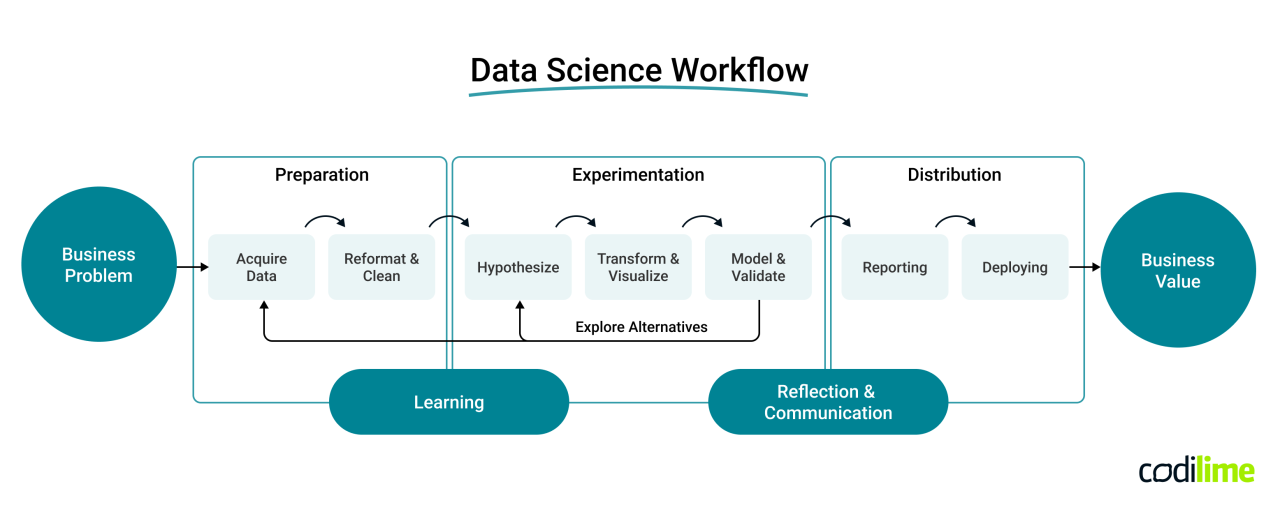
Data Science has undergone a remarkable transformation, evolving from traditional data analysis methods to a sophisticated and multifaceted discipline that drives decision-making and innovation across various sectors. Initially, data analysis was primarily focused on descriptive statistics, where analysts would summarize past data to gain insights. The methods were often manual, time-consuming, and limited to structured data sets. However, the advent of digital technology and the explosion of data in the 21st century marked a pivotal turn in this evolution.
As technology advanced, the methodologies of data science shifted dramatically. The introduction of powerful computing technologies, such as cloud computing and big data frameworks, allowed data scientists to process and analyze vast amounts of unstructured data. The rise of machine learning and artificial intelligence further revolutionized the field, enabling predictive analytics that could forecast trends and inform strategic decisions with remarkable accuracy.
Key milestones in the evolution of data science
Several milestones have significantly impacted the progress of data science. Understanding these milestones is crucial to appreciating how the field has matured and adapted to new challenges.
- Introduction of R and Python: The development of programming languages such as R (in 1995) and Python (in the late 1980s but gaining significant traction after the 2000s) provided data scientists with powerful tools for data analysis and visualization.
- Big Data Era: The launch of Apache Hadoop in 2006 marked the beginning of the big data era, facilitating distributed storage and processing of large data sets, thus changing how businesses approached data.
- Machine Learning Boom: In the early 2010s, algorithms such as deep learning gained popularity, leading to breakthroughs in image recognition, natural language processing, and more, fundamentally altering data science methodologies.
- Data-Driven Decision Making: Organizations began adopting data-driven strategies, leveraging analytics not just for insights but for operational efficiencies and competitive advantages, highlighting the importance of data science in business.
- Ethics and Governance in Data Science: As data science grew, so did concerns about data privacy and ethics, leading to the development of frameworks for ethical data usage, emphasizing the necessity of responsible data practices.
“Data is the new oil.” – Clive Humby
The essential skills required for a successful career in Data Science
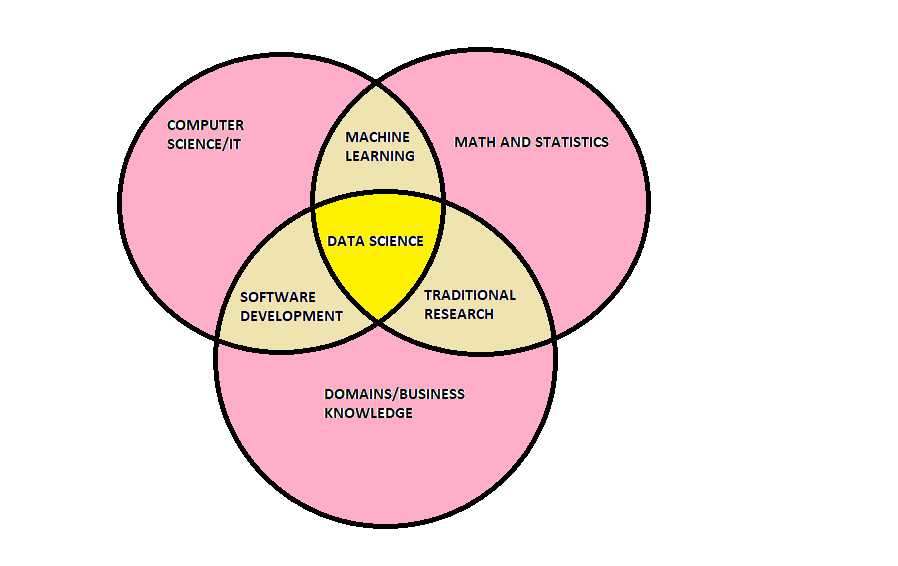
Data Science is a multifaceted field that combines various disciplines to extract meaningful insights from data. For individuals aspiring to build a successful career in this area, understanding the essential skills is crucial. These skills can be broadly categorized into technical skills and soft skills, both of which contribute significantly to a data scientist’s effectiveness and adaptability in diverse environments.
Key Technical Skills for Data Scientists
A data scientist must possess a strong foundation in several technical areas that enable them to manipulate and analyze data effectively. The following skills are essential for success:
- Programming Languages: Proficiency in programming languages such as Python and R is vital, as they are widely used for data manipulation, statistical analysis, and building machine learning models.
- Statistical Analysis: A solid understanding of statistics and probability is essential for interpreting data correctly and making informed decisions based on data insights.
- Data Manipulation and Analysis Tools: Familiarity with tools like Pandas, NumPy, and SQL allows data scientists to preprocess and analyze large datasets effectively.
- Machine Learning: Knowledge of machine learning algorithms and frameworks (like TensorFlow and Scikit-learn) is crucial for developing predictive models that can automate decision-making processes.
- Data Visualization: Skills in data visualization tools such as Tableau, Power BI, or Matplotlib enable data scientists to present their findings in an easily understandable format.
Soft Skills Enhancing Team Effectiveness
While technical skills are critical, soft skills also play a significant role in a data scientist’s success. The following soft skills enhance collaboration and communication within teams:
- Communication: The ability to convey complex technical concepts to non-technical stakeholders is vital for fostering understanding and collaboration across teams.
- Problem-Solving: Data scientists must approach problems with a critical mindset, applying analytical skills to find effective solutions to real-world challenges.
- Team Collaboration: Working effectively within a team requires adaptability, openness to feedback, and the ability to share knowledge and resources with others.
- Creativity: Innovation in approaching data problems can lead to unique insights and solutions, making creativity an essential trait for data scientists.
The Importance of Continuous Learning in Data Science
Data Science is an ever-evolving field, necessitating a commitment to continuous learning. Keeping up with the latest advancements in technology, methodologies, and best practices is essential for maintaining relevance in the industry.
“In the world of data science, what you know today may be outdated tomorrow.”
The following practices can help data scientists stay ahead:
- Online Courses and Certifications: Engaging in online platforms such as Coursera, edX, or Udacity can provide access to cutting-edge knowledge and skills.
- Participation in Workshops and Conferences: Attending industry events fosters networking and learning from experts, helping professionals stay informed about current trends.
- Reading Research Papers: Following academic publications and industry reports allows data scientists to understand emerging technologies and methodologies.
- Hands-On Projects: Continuous practice through personal projects or contributions to open-source projects enhances practical skills and reinforces learning.
The various applications of Data Science across different industries
Data science has emerged as a transformative force across numerous sectors, enhancing decision-making processes and driving innovation. With its ability to glean insights from vast amounts of data, organizations leverage data science to improve efficiency, enhance customer satisfaction, and drive revenue growth. Below, we explore three distinct industries where data science plays a critical role, highlighting successful projects and potential future developments.
Healthcare Sector
In healthcare, data science is pivotal in predicting patient outcomes, personalizing treatment plans, and optimizing operational efficiency. By analyzing electronic health records and patient data, healthcare providers can identify trends and improve care delivery.
- Predictive Analytics in Patient Care: A notable example is the use of predictive analytics by Mount Sinai Health System, which employed machine learning algorithms to identify patients at risk of developing chronic diseases. This initiative resulted in a 15% reduction in hospital readmissions.
- Drug Discovery and Development: Companies like Atomwise utilize data science to analyze molecular structures and predict the effectiveness of potential drugs, significantly speeding up the drug discovery process. Their AI-driven research has led to promising results in finding compounds for various diseases.
- Telemedicine and Remote Monitoring: Data science enables telemedicine platforms to analyze patient data in real-time, allowing for timely interventions. For instance, organizations like Teladoc Health have successfully integrated data analytics to enhance their virtual care offerings.
Finance and Banking
The finance and banking sector relies heavily on data science for risk assessment, fraud detection, and customer segmentation. Financial institutions harness data analytics to develop strategies that mitigate risks and enhance customer experiences.
- Fraud Detection Systems: PayPal utilizes machine learning algorithms to monitor transactions and detect fraudulent activities in real-time, which has significantly reduced losses due to fraud by up to 30%.
- Credit Scoring Models: ZestFinance has developed advanced credit scoring models that leverage alternative data sources, improving the accuracy of credit assessments for underserved populations.
- Algorithmic Trading: Firms like Renaissance Technologies employ complex algorithms to analyze market data and execute trades at lightning speed, achieving returns that consistently outperform the market.
Retail Industry
In retail, data science enhances the customer shopping experience through personalized recommendations, inventory management, and market trend analysis. Retailers use data-driven strategies to optimize operations and boost sales.
- Personalized Marketing Campaigns: Amazon’s recommendation engine is a prime example, utilizing customer purchase history and browsing behavior to suggest products, contributing to approximately 35% of the company’s revenue.
- Inventory Optimization: Walmart leverages data analytics to forecast demand accurately and manage inventory levels efficiently, reducing excess stock and ensuring product availability.
- Customer Sentiment Analysis: Brands like Nike use natural language processing to analyze customer feedback from social media and reviews, allowing them to adapt their marketing strategies in real-time based on consumer sentiment.
The future developments in data science across these sectors suggest an increasing emphasis on advanced technologies like artificial intelligence, machine learning, and big data analytics. As organizations continue to harness these capabilities, we can expect innovations that will further enhance the efficiency and effectiveness of operations, ultimately leading to improved outcomes across healthcare, finance, and retail industries.
The significance of data visualization in Data Science
Data visualization plays a crucial role in the field of data science, allowing data professionals to interpret complex data sets effectively. In a world where data is generated at an unprecedented rate, visual representation is essential for transforming raw data into actionable insights. Through visualization, intricate trends, patterns, and relationships within the data become accessible and understandable, facilitating informed decision-making across various sectors.
The ability to visualize data helps simplify the complexity inherent in large data sets. By converting numerical data into graphical formats, analysts can quickly identify anomalies, correlations, and trends that may not be immediately obvious in a spreadsheet or database. Visualizations serve as a bridge between complex statistical concepts and the stakeholders who may not have a technical background but require clear insights for strategic planning. For instance, interactive dashboards enable users to explore data dynamically, allowing them to drill down into specifics without getting overwhelmed by the sheer volume of information.
Methods for Effective Data Visualization
Employing effective data visualization methods is essential for enhancing clarity and promoting quick comprehension. Here are some notable approaches that contribute to impactful visual storytelling:
- Choosing the Right Chart Type: It’s vital to select chart types that best represent the data being analyzed. For example, line charts are suitable for displaying trends over time, while bar charts are effective for comparing quantities across categories.
- Utilizing Color Wisely: Color can convey meaning and highlight important data points. However, it’s important to use color strategically to avoid confusion, ensuring that it enhances rather than detracts from the message.
- Incorporating Annotations: Adding annotations or labels to key data points can guide the viewer’s attention, making it easier to grasp critical insights without needing in-depth analysis.
- Interactive Elements: Incorporating interactive features in visualizations encourages user engagement. Users can hover over data points for additional information, filter data by categories, or adjust parameters to see real-time changes.
Powerful visualization tools such as Tableau, Power BI, and D3.js are integral to the data science landscape. Tableau is known for its user-friendly interface and robust features, allowing users to create compelling dashboards without extensive coding knowledge. Power BI integrates seamlessly with Microsoft products, making it a popular choice for organizations already using the Microsoft ecosystem. D3.js, a JavaScript library, offers remarkable flexibility for creating custom visualizations, which can be tailored according to specific data needs. Together, these tools empower data scientists and analysts to transform data into visually stunning and informative narratives, enhancing both understanding and decision-making processes.
The ethical considerations and challenges faced in Data Science
Data Science is a powerful tool that drives decision-making across various industries. However, with great power comes great responsibility. Ethical considerations are paramount as data scientists navigate complex datasets and the implications of their analyses. The integration of data into everyday life raises numerous dilemmas that require careful thought and ethical vigilance.
Ethical dilemmas in Data Science
Data scientists often face challenges that test their moral compass. Some of the most pressing ethical dilemmas include:
- Data Privacy: The collection of personal information raises concerns about consent and the potential misuse of sensitive data. For instance, companies may collect user data without explicit permission, risking privacy violations.
- Algorithmic Bias: Bias can inadvertently seep into algorithms, leading to discriminatory outcomes. An example is facial recognition technology, which has been shown to misidentify individuals of certain racial backgrounds at higher rates.
- Transparency and Accountability: Many algorithms operate as “black boxes,” making it difficult to understand how decisions are made. This opacity can lead to a lack of accountability, especially when decisions have significant impacts on individuals’ lives.
Importance of data privacy and responsible data usage
Data privacy is crucial in maintaining the trust of users and ensuring compliance with regulations. Organizations must prioritize responsible data usage to protect individuals’ information and uphold ethical standards. The General Data Protection Regulation (GDPR) exemplifies legislation that enforces strict data privacy protocols, emphasizing the need for explicit user consent and the right to data access.
“Data privacy is not just a legal requirement; it’s a moral obligation.”
Addressing biases in data collection and analysis
Bias in data collection and analysis can lead to skewed results and unethical outcomes. Addressing these biases is essential for the integrity of data science.
To mitigate bias, organizations can implement the following strategies:
- Inclusive Data Collection: Ensure that datasets are representative of diverse populations to avoid skewed insights. For example, gathering data from multiple demographic groups can help create more accurate predictive models.
- Regular Audits: Conduct audits of algorithms and datasets to identify and rectify bias. This process involves analyzing the outcomes of data-driven decisions and adjusting approaches accordingly.
- Stakeholder Engagement: Involve diverse stakeholders in the development of data models to incorporate various perspectives and reduce blind spots in analyses.
By recognizing and addressing these ethical considerations, data scientists can contribute to a more equitable and responsible use of data.
The future trends in Data Science that professionals should watch for
The landscape of data science is constantly evolving, driven by advancements in technology and the growing need for data-driven decision-making across industries. As we look to the future, several key trends are emerging that will significantly influence the roles of data scientists and shape the tools and techniques they use.
Emerging Technologies in Data Science
Several technologies are on the rise that are expected to have a profound impact on data science in the coming years. These technologies not only enhance the capabilities of data professionals but also streamline processes and improve outcomes.
- Quantum Computing: This technology promises to revolutionize how complex data problems are solved, enabling faster processing and analysis of large datasets.
- Edge Computing: By processing data closer to the source, edge computing reduces latency and bandwidth use, making it ideal for real-time data analysis in IoT applications.
- Natural Language Processing (NLP): Advancements in NLP facilitate the extraction of insights from unstructured data sources, such as social media and customer feedback.
Influence of Automation and Artificial Intelligence
Automation and AI are transforming data science roles by taking over routine tasks, allowing data scientists to focus on more strategic and creative aspects of their work. This shift is leading to an evolution in skill sets required for professionals in the field.
“AI and automation are not replacing data scientists; they are augmenting their capabilities.”
The integration of AI in data analysis enhances predictive analytics and enables more sophisticated modeling techniques. Professionals are now expected to have a foundational understanding of machine learning algorithms and their applications.
- Automated Machine Learning (AutoML): Tools like H2O.ai and Google AutoML simplify the model-building process, making it more accessible for non-experts.
- Robotic Process Automation (RPA): RPA tools are being utilized to automate repetitive data handling tasks, improving efficiency.
Innovative Tools and Techniques Gaining Traction
The rise of new tools and methodologies is reshaping how data science projects are executed. These innovations are designed to enhance collaboration, streamline workflows, and improve data handling capabilities.
- DataOps: Inspired by DevOps, DataOps emphasizes collaboration between data engineers and analysts to accelerate the delivery of data insights.
- Explainable AI (XAI): As AI models become more complex, the need for transparency grows. Tools that provide insights into model decision-making processes are becoming essential.
- Cloud-Based Data Platforms: Solutions like Databricks and Snowflake allow for scalable data storage and analysis, promoting a collaborative environment for data teams.
The future of data science is bright, filled with opportunities for innovation and growth. As professionals adapt to these trends, they will play a crucial role in harnessing the power of data to drive informed decision-making and foster organizational success.
The role of data storytelling in communicating findings from Data Science
Data storytelling is a crucial element in the field of Data Science, serving as the bridge that connects raw data to actionable insights. It transforms complex data sets into compelling narratives, making it easier for stakeholders to grasp the significance of findings. In a world flooded with information, the ability to present data in a meaningful way can significantly influence decision-making processes.
The importance of storytelling when presenting data insights cannot be overstated. A well-crafted story captures attention, evokes emotions, and promotes understanding. By contextualizing data, storytelling helps audiences see beyond numbers and charts, allowing them to connect with the implications of the data. This is particularly vital when communicating with non-technical stakeholders who may struggle to interpret quantitative results. A narrative enables the audience to visualize the data’s impact, fostering a deeper emotional connection and a clearer comprehension of the material presented.
Techniques for crafting narratives that resonate with different audiences
When crafting data narratives, it is essential to tailor the approach to the specific audience. Here are some effective techniques to ensure the narrative resonates well:
- Know Your Audience: Understanding the demographics, background, and interests of the audience helps in choosing the right language and examples. For instance, technical teams may appreciate in-depth statistics, while executives might prefer high-level summaries that focus on business implications.
- Use Visuals Effectively: Visual aids like charts, infographics, and dashboards can enhance comprehension. They break down complex information, making it accessible and engaging. For example, a line graph depicting sales trends can instantly convey growth or decline.
- Create a Clear Structure: A clear beginning, middle, and end makes the narrative easier to follow. Start with a hook to grab attention, present the data and key findings, and conclude with actionable insights or recommendations.
- Incorporate Real-world Examples: Relating data to real-life scenarios makes it more relatable. For instance, a case study of how a company increased revenue through data-driven marketing strategies can illustrate the practical application of insights.
- Use Emotional Appeal: Incorporating storytelling elements such as personal anecdotes or customer stories can evoke emotions, making the data more impactful. Sharing a customer’s journey can illustrate the positive outcomes of a product or service shaped by data insights.
In practice, companies like Netflix and Spotify exemplify effective data storytelling. Netflix uses viewing data to suggest personalized content based on user behavior, while Spotify’s annual Wrapped campaign visualizes user listening habits in a fun and engaging narrative format, making data relatable and enjoyable for its users. These examples demonstrate how effective data storytelling can drive engagement and enhance user experience, proving that numbers alone aren’t enough; stories breathe life into data.
The importance of collaboration between data scientists and domain experts
Collaboration between data scientists and domain experts is crucial in maximizing the potential of data-driven projects. By combining analytical skills with specialized knowledge, teams can uncover insights that might otherwise remain hidden. This partnership not only enhances the quality of analyses but also ensures that the findings are relevant and actionable within the specific field of interest. The intersection of diverse expertise leads to innovative solutions that can drive significant impact in various sectors.
Benefits of interdisciplinary collaboration
Interdisciplinary collaboration in data-driven projects brings a multitude of benefits that enhance both the process and outcomes of data analysis. Some key advantages include:
- Enhanced Problem-Solving: Domain experts provide context and clarity on specific challenges, while data scientists offer analytical tools to explore these issues deeply.
- Improved Accuracy: A collaborative approach reduces the risk of misinterpretation of data, as domain knowledge helps frame the data correctly.
- Broader Perspectives: Diverse viewpoints can lead to innovative ideas and solutions that may not emerge from a single discipline.
Examples of successful collaborations
Numerous successful collaborations between data scientists and domain experts showcase the transformative power of interdisciplinary work. One notable example is the partnership between data scientists at a healthcare technology firm and medical professionals. They developed a predictive analytics model that improved patient outcomes by identifying individuals at risk for chronic diseases before symptoms appeared. This collaboration not only saved costs for healthcare providers but also significantly enhanced patient care.
Another example is found in the retail sector, where data scientists teamed up with marketing specialists to analyze consumer behavior. Together, they utilized data analytics to refine marketing strategies, resulting in a substantial increase in customer engagement and sales. These instances illustrate how effective collaboration can lead to groundbreaking outcomes.
Strategies for fostering effective communication
Effective communication between data scientists and domain specialists is essential for successful collaboration. Implementing the following strategies can enhance this interaction:
- Regular Meetings: Scheduling frequent check-ins ensures all parties stay aligned and can share updates on progress and challenges.
- Common Language Development: Creating a glossary of terms that bridges the gap between technical and non-technical language helps in clarifying concepts.
- Collaborative Workshops: Organizing workshops that focus on specific problems or projects encourages open dialogue and knowledge sharing.
Collaboration between data scientists and domain experts can significantly amplify the impact of data-driven initiatives, transforming insights into actionable strategies.
Last Word
In conclusion, the journey through Data Science reveals a fascinating intersection of technology, creativity, and ethics. As we continue to embrace the power of data, professionals must remain vigilant in addressing challenges while seizing opportunities for growth. The future of Data Science is bright, filled with potential for profound impact across industries. By fostering collaboration and honing essential skills, we can unlock new horizons and transform insights into meaningful actions.
FAQ Guide
What are the main programming languages used in Data Science?
The most common programming languages include Python, R, and SQL, each serving different purposes in data manipulation, analysis, and database management.
Is a background in statistics necessary for a career in Data Science?
While not mandatory, a strong foundation in statistics is highly beneficial as it helps in understanding data distributions, hypothesis testing, and model evaluation.
What role does machine learning play in Data Science?
Machine learning is a crucial component of Data Science, enabling data scientists to build predictive models that can learn from and make predictions based on data.
How can one get started in Data Science?
Start by acquiring the necessary technical skills through online courses, participating in projects, and engaging with the Data Science community to build a strong portfolio.
What are some common tools used in Data Science?
Popular tools include Jupyter Notebook for coding, Tableau for data visualization, and Apache Spark for handling large data sets.
Are certifications important in Data Science?
Certifications can enhance your resume and demonstrate expertise, but practical experience and a strong portfolio are equally, if not more, important.