Data Science has emerged as a driving force in today’s technology-driven landscape, reshaping industries and redefining decision-making processes. As we delve into its historical evolution, we uncover the pivotal milestones that have led to its significance in various fields, from healthcare to finance. With rapid technological advancements propelling its growth, Data Science now stands at the intersection of innovation and analytics, offering the tools necessary for effective problem-solving.
Exploring foundational concepts and the essential skills required to thrive in this field, we will discuss the importance of programming languages, statistics, and machine learning, highlighting real-world applications. Additionally, we’ll examine the tools that data scientists utilize, ethical challenges they face, and the collaborative efforts with domain experts that enhance the effectiveness of Data Science initiatives.
The historical evolution of Data Science and its significance in the modern world
Data Science has evolved considerably over the past few decades, transitioning from a niche area of statistics to a cornerstone of modern decision-making across various industries. This discipline integrates statistics, computer science, and domain expertise, allowing for insights and predictions based on data. Understanding the historical context of Data Science helps in recognizing its present-day significance and future potential.
The origins of Data Science can be traced back to the fields of statistics and data analysis in the 1960s and 1970s. The term “Data Science” was first coined in 2001 by William S. Cleveland, who proposed it as an interdisciplinary field that encompasses various aspects of data handling. Since then, significant milestones have marked its growth, particularly the development of technologies like machine learning and artificial intelligence. The explosion of data generated by digital technologies, such as social media and IoT devices, has further accelerated the adoption of Data Science.
Technological advancements influencing Data Science
Technological progress has been a primary driver in the evolution of Data Science, enabling faster data processing and analysis. The following advancements have significantly impacted the field:
- Cloud Computing: Offers scalable resources for data storage and processing, making it accessible for businesses of all sizes.
- Big Data Technologies: Tools like Hadoop and Spark allow for the processing of massive datasets that traditional tools cannot handle.
- Machine Learning Algorithms: Innovations in algorithms have enhanced predictive analytics capabilities, allowing for better forecasting and insights.
- Data Visualization Tools: Tools like Tableau and Power BI have made it easier to interpret complex data and share findings with stakeholders.
These advancements have transformed Data Science from theoretical concepts into practical applications, enabling organizations to make data-driven decisions efficiently.
Impact of Data Science on decision-making
Data Science plays a crucial role in decision-making across various industries, enhancing operational efficiency and strategic planning. Its significance can be highlighted through the following examples:
- Healthcare: Predictive analytics helps in patient diagnosis and treatment planning, leading to improved patient outcomes.
- Finance: Risk assessment models predict potential defaults, enabling financial institutions to mitigate risks effectively.
- Retail: Customer behavior analysis allows businesses to tailor marketing strategies and optimize inventory management.
- Manufacturing: Predictive maintenance powered by data analytics minimizes downtime and reduces operational costs.
The integration of Data Science into these sectors demonstrates its ability to not only enhance performance but also drive innovation and competitive advantage.
Data Science is not just about data, but about deriving actionable insights that can lead to improved outcomes and strategic success.
The foundational concepts and essential skills required for a career in Data Science
Data Science is an interdisciplinary field that combines various skills and knowledge areas to extract insights from data. Those aspiring to build a career in this domain must cultivate a solid foundation in key concepts and essential skills. This includes proficiency in programming, a strong grasp of statistics, and a comprehensive understanding of machine learning principles. Each of these components plays a crucial role in enabling data scientists to address complex problems and derive valuable insights from large datasets.
Primary skills necessary for pursuing a career in Data Science
The journey in Data Science requires a diverse skill set that equips professionals to handle data effectively and interpret results meaningfully. Here are the primary skills essential for success in this field:
- Programming Languages: Python and R are the most utilized languages due to their versatility and extensive libraries tailored for data analysis, such as Pandas and NumPy for Python, and Tidyverse for R.
- Statistics: A solid understanding of statistical concepts allows data scientists to make data-driven decisions, assess probabilities, and understand distributions. Key areas include hypothesis testing, regression analysis, and statistical significance.
- Machine Learning: Familiarity with machine learning algorithms such as decision trees, support vector machines, and neural networks is crucial. This knowledge aids in creating predictive models and automating data-driven decisions.
- Data Visualization: Tools like Tableau, Matplotlib, or Seaborn enable data scientists to present findings in a clear and compelling manner, facilitating easier understanding of complex data insights.
- Data Wrangling: The ability to clean and preprocess data is vital, as real-world data is often messy and unstructured. This skill ensures that data is ready for analysis and modeling.
Each of these skills contributes significantly to the data scientist’s ability to translate raw data into actionable insights in various sectors like healthcare, finance, and marketing.
Importance of programming languages, statistics, and machine learning
Programming languages, statistics, and machine learning are interrelated components that form the backbone of Data Science. Understanding their roles helps professionals apply their knowledge effectively in real-world scenarios.
Programming languages like Python serve as the primary tool for data manipulation and analysis. For instance, a data scientist might use Python’s Pandas library to clean a dataset containing customer information, enabling them to identify trends in purchasing behavior.
Statistics provides the framework for making sense of data through various techniques. A practical example is using regression analysis to forecast sales based on historical data, allowing businesses to strategize marketing efforts effectively.
Machine learning algorithms drive predictive analytics and automation. A real-world application can be seen in recommendation systems used by companies like Netflix, which use collaborative filtering to suggest shows based on user preferences and viewing history.
“Data is the new oil.”
This statement underscores the immense value data holds in today’s world. Mastery of programming, statistics, and machine learning positions data scientists at the forefront of leveraging this valuable resource to drive innovation and business success.
The various tools and technologies commonly utilized by Data Scientists
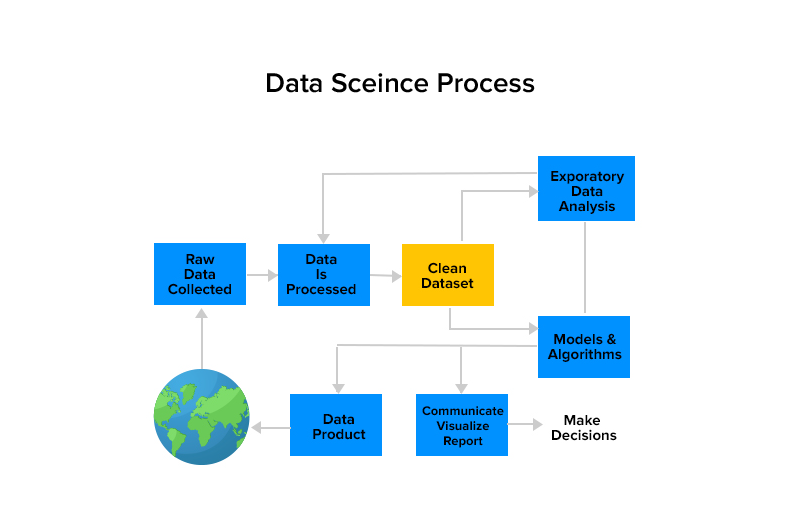
Data Science is a multidisciplinary field that relies on a diverse set of tools and technologies to turn raw data into actionable insights. As the landscape evolves, Data Scientists must navigate a wide array of programming languages, software platforms, and emerging technologies that enhance their capabilities. This section delves into the comparative analysis of popular programming languages, detailing the functionalities of platforms that aid in data processing and visualization, and exploring new technologies that are shaping the future of Data Science.
Comparative analysis of programming languages and tools
Understanding the strengths and weaknesses of various programming languages and tools is critical for Data Scientists as it influences their choice of technology for specific tasks. Below is a comparative analysis of commonly used programming languages in Data Science:
| Language/Tool | Strengths | Weaknesses | Use Cases |
|---|---|---|---|
| Python | Versatile, extensive libraries (e.g., Pandas, NumPy, SciPy), strong community support | Slower execution speed compared to compiled languages | Data manipulation, machine learning, web scraping |
| R | Statistical analysis, rich visualization libraries (e.g., ggplot2), data manipulation | Less versatile for production environments | Statistical modeling, exploratory data analysis |
| SQL | Efficient querying for relational databases, excellent for data extraction | Limited in advanced analytics and machine learning | Database management, data retrieval |
| Java | Strong performance, good for large-scale systems | Verbosity and complexity in coding | Big data processing, enterprise applications |
| Julia | High performance, ideal for numerical and scientific computing | Smaller community and fewer libraries | Complex mathematical modeling, high-performance computing |
Functionality of platforms and software for data processing and visualization
Data processing and visualization tools play a crucial role in the Data Science workflow. They facilitate data manipulation, analysis, and presentation of findings in an accessible format. Notable platforms include:
| Platform/Software | Functionalities |
|---|---|
| Tableau | Interactive data visualization, drag-and-drop interface, real-time data connection |
| Power BI | Business analytics, customizable dashboards, integration with Microsoft products |
| SAS | Advanced analytics, predictive modeling, data management solutions |
| Apache Spark | Fast cluster computing, real-time data processing, support for multiple languages |
| Jupyter Notebooks | Interactive coding environment, supports multiple programming languages, rich text support for documentation |
Emerging technologies in Data Science
The Data Science landscape is continuously evolving, driven by emerging technologies that enhance analytical capabilities and efficiency. Some key technologies making waves include:
- Machine Learning Platforms: Tools like TensorFlow and PyTorch facilitate the development of complex algorithms, enabling automated learning and predictive analytics.
- Big Data Technologies: Frameworks such as Hadoop and Spark allow Data Scientists to process and analyze vast datasets, uncovering insights from data that was previously too large to handle.
- Cloud Computing: Services like AWS, Google Cloud, and Azure provide scalable resources for storage and processing, allowing Data Scientists to perform analyses without the physical limitations of local machines.
- Deep Learning: Advancements in neural networks are aiding in complex tasks such as image recognition and natural language processing, with applications across industries.
- Automated Machine Learning (AutoML): Platforms that automate the process of applying machine learning to real-world problems, making models more accessible to non-experts.
“Emerging technologies are not only enhancing the capabilities of Data Science but also democratizing access to advanced analytics.”
The ethical considerations and challenges faced by Data Scientists today
In the rapidly evolving field of data science, ethical considerations play a crucial role in guiding the practices and responsibilities of data scientists. As they collect, analyze, and interpret vast amounts of data, the implications of their work can significantly affect individuals and communities. The importance of ethics in data science cannot be overstated, as it ensures that data is used responsibly and equitably while maintaining the integrity of the analytical processes.
Data scientists often face challenges related to biases that can inadvertently creep into data collection and analysis. These biases can arise from various sources, including the selection of data, the algorithms used, and even the cultural perspectives of the data scientists themselves. The implications of these biases can result in skewed analyses, leading to unfair outcomes that may reinforce stereotypes or systemic inequalities. For instance, if a facial recognition system is trained on a dataset that predominantly features lighter-skinned individuals, it may struggle to accurately recognize individuals with darker skin tones, ultimately leading to discriminatory practices.
Importance of ethics in data collection and analysis
The ethical framework surrounding data collection and analysis is vital for safeguarding the rights of individuals and ensuring that data is handled with care. Data scientists should adhere to the following ethical principles:
- Informed Consent: Individuals should be made aware of how their data will be used and must provide explicit consent for its collection.
- Data Privacy: Protecting personal information from unauthorized access or misuse is essential for maintaining trust.
- Transparency: Data scientists should be open about their methodologies, allowing for scrutiny and validation of their findings.
- Accountability: Data scientists must be responsible for their work and address any ethical implications arising from their analyses.
“Ethics is knowing the difference between what you have a right to do and what is right to do.” – Potter Stewart
Potential biases and their implications
Biases in data science can manifest in numerous ways, significantly impacting the outcomes of data-driven projects. Recognizing these biases is the first step toward mitigating their effects. Some common types of biases include:
- Sampling Bias: When the data collected is not representative of the broader population, leading to skewed results.
- Confirmation Bias: The tendency to favor information that confirms pre-existing beliefs while disregarding contradictory evidence.
- Algorithmic Bias: When algorithms produce unfair or inaccurate results due to biased training data or flawed modeling techniques.
- Measurement Bias: When data collection methods inaccurately capture the intended information, leading to misleading analyses.
The consequences of these biases can have serious implications, including perpetuating discrimination, reinforcing existing inequalities, and eroding public trust in data-driven technologies.
Ensuring responsible use of data while adhering to ethical standards
To navigate the complexities of ethical data use, data scientists can adopt several best practices throughout their workflows:
- Regular Bias Audits: Conducting routine assessments of data and algorithms to identify and address potential biases.
- Inclusive Data Practices: Ensuring that diverse populations are represented in datasets to foster fairness and accuracy.
- Ethical Review Boards: Collaborating with multidisciplinary teams to review projects from an ethical standpoint before implementation.
- Continuous Education: Staying informed about the evolving ethical standards in data science and adopting new practices as necessary.
By prioritizing these practices, data scientists can contribute to a more ethical landscape in their field, promoting responsible data use and fostering accountability in their analyses.
The impact of Data Science on various industries and its future trends
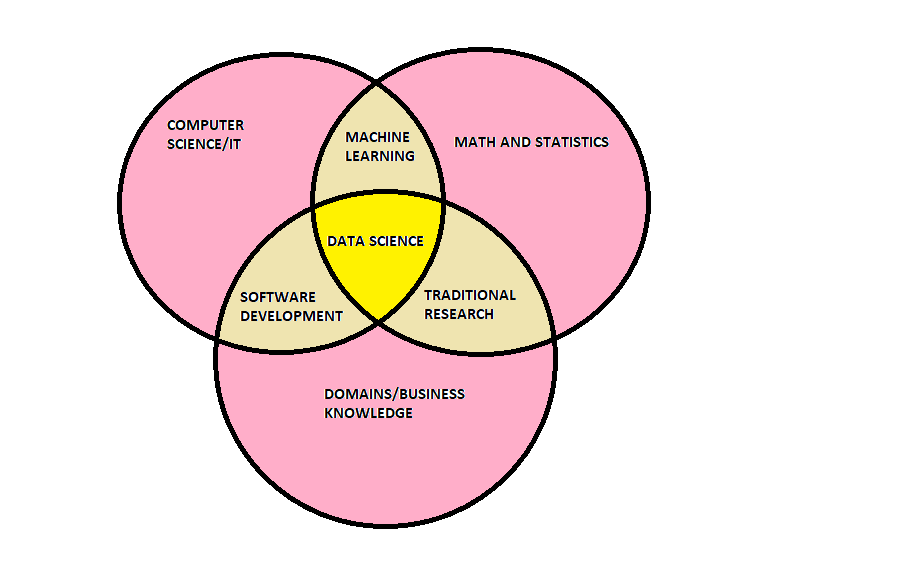
Data Science is not just a buzzword; it’s a transformative force driving innovation and efficiency across various sectors. Industries are leveraging data to make informed decisions, optimize processes, and enhance customer experiences. As we explore the impact of Data Science, we’ll look into its roles in healthcare, finance, and marketing, while also predicting future trends shaping this dynamic landscape.
Impact of Data Science on Healthcare
In healthcare, Data Science is revolutionizing patient care and operational efficiency. Through the analysis of large datasets, healthcare providers can identify trends and patterns that improve diagnostics and treatment plans. Predictive analytics, for example, allows providers to forecast patient admissions and allocate resources effectively. Some key contributions include:
- Personalized Medicine: Using genetic data to tailor treatments specific to individuals, leading to improved outcomes.
- Predictive Analytics: Identifying risks for conditions such as diabetes or heart disease, allowing for preventive measures.
- Operational Efficiency: Streamlining processes such as patient flow, reducing wait times, and optimizing staff allocation.
“By analyzing patient data, healthcare can shift from reactive to proactive treatment methodologies.”
Impact of Data Science on Finance
The finance sector is experiencing a seismic shift due to Data Science, which enhances decision-making and risk management. Financial institutions utilize data analytics for fraud detection, risk assessment, and customer insights. Some notable applications include:
- Fraud Detection: Machine learning algorithms analyze transaction patterns to identify fraudulent activities in real-time.
- Risk Assessment: Advanced models predict credit risk more accurately, allowing lenders to make better-informed decisions.
- Algorithmic Trading: High-frequency trading powered by algorithms enables rapid transactions based on data analysis, maximizing profits.
“Data-driven insights empower financial institutions to adapt swiftly to market changes and mitigate risks effectively.”
Impact of Data Science on Marketing
Marketing strategies today are heavily influenced by data insights, allowing brands to engage customers in more personalized ways. Data Science helps companies analyze consumer behavior, optimize marketing campaigns, and improve customer retention. Key roles include:
- Targeted Advertising: Analyzing consumer data helps in creating personalized ads that resonate with specific audiences.
- Customer Segmentation: Data analysis allows businesses to segment their audience for more effective communication.
- Campaign Optimization: A/B testing powered by data insights ensures marketing efforts are continually improved based on performance metrics.
“Data Science enables marketers to connect with consumers on a deeper level, enhancing brand loyalty and engagement.”
Future Trends in Data Science
Looking ahead, several trends are poised to shape the future of Data Science across industries. These include advancements in artificial intelligence (AI), automation of data analysis, and increased emphasis on data privacy. Notable predictions include:
- AI Integration: Enhanced machine learning models will lead to more autonomous data-driven decision-making processes.
- Augmented Analytics: The rise of tools that simplify data analysis for non-experts will democratize data access across organizations.
- Increased Data Privacy Measures: As regulations like GDPR evolve, companies will prioritize ethical data usage and transparency.
“The future of Data Science will not only focus on innovation but also on ethical considerations and data governance.”
Comparing the current state of Data Science to past practices illustrates a significant evolution. Previously, decision-making was often based on intuition or limited data. Now, organizations are transforming into data-centric entities, utilizing sophisticated analytical techniques to guide their strategies. The future promises even more integration and innovation, positioning Data Science as an essential pillar of modern business practices.
The role of Data Science in driving innovation and strategic growth
Data Science plays a pivotal role in transforming how businesses innovate and grow strategically. By leveraging vast amounts of data, organizations can uncover insights that lead to innovative products, enhanced customer experiences, and streamlined operations. This capacity to derive actionable intelligence from data is what sets companies apart in competitive markets.
Data Science contributes significantly to business innovation and competitive advantage by enabling organizations to make informed decisions based on real-time data analytics. By utilizing predictive modeling, machine learning algorithms, and big data technologies, businesses can identify emerging trends, understand customer behavior, and optimize processes. This data-driven approach allows companies to respond swiftly to market changes and align their strategies accordingly.
Examples of organizations benefiting from Data-Driven decision-making
Numerous organizations across various sectors have successfully harnessed Data Science to enhance their operations and drive growth. The following examples illustrate this trend:
- Netflix leverages data analytics to personalize content recommendations, resulting in higher viewer engagement and customer retention.
- Amazon uses data-driven insights to optimize its supply chain and inventory management, leading to improved operational efficiency and customer satisfaction.
- Target employs predictive analytics to anticipate customer needs and preferences, enabling them to tailor marketing strategies effectively.
- Spotify analyzes listening patterns to create personalized playlists and recommendations, boosting user engagement and loyalty.
These organizations illustrate how Data Science not only enhances decision-making but also fosters innovation by anticipating market demands and tailoring services accordingly.
The impact of Data Science on strategic planning and operational efficiency
The integration of Data Science into strategic planning processes has profound implications for operational efficiency. By utilizing advanced analytics, organizations can identify inefficiencies, streamline workflows, and allocate resources more effectively. The following points highlight the potential benefits:
- Enhanced forecasting capabilities allow businesses to allocate resources more efficiently, minimizing waste and maximizing productivity.
- Data-driven insights support agile decision-making, allowing organizations to pivot strategies based on real-time data.
- Operational bottlenecks can be identified through data analysis, enabling timely interventions to improve overall workflow.
- Collaboration across departments can be fostered by sharing data insights, leading to more cohesive and unified strategic initiatives.
In summary, Data Science significantly shapes organizational strategies and operational frameworks by providing actionable insights and fostering a culture of informed decision-making. The examples and benefits Artikeld underscore its vital role in driving innovation and enabling sustainable growth in today’s data-centric business landscape.
The importance of collaboration between Data Scientists and domain experts
The synergy between Data Scientists and domain experts can significantly enhance the outcomes of Data Science projects. By leveraging the distinct skill sets and insights of each party, organizations can cultivate an environment where innovative solutions flourish. Collaboration not only enriches the data analysis process but also ensures that the results are grounded in practical realities, making them more applicable and impactful.
Interdisciplinary teamwork plays a crucial role in elevating the effectiveness of Data Science initiatives. Combining technical expertise with domain knowledge facilitates a more comprehensive understanding of the problem space, leading to better-informed decisions. When Data Scientists and domain experts work together, they can align their objectives, leading to innovative problem-solving methods and optimal resource allocation.
Strategies for fostering collaboration and communication among diverse teams
Effective collaboration between teams requires intentional strategies that promote open communication and mutual understanding. Here are several methods to enhance teamwork:
- Regular interdisciplinary meetings: Schedule frequent meetings where Data Scientists and domain experts can discuss ongoing projects, share insights, and brainstorm ideas. This fosters a culture of open dialogue and encourages knowledge exchange.
- Shared platforms for collaboration: Utilize collaborative tools and platforms that allow team members to share documents, visualizations, and data in real time. These tools help maintain transparency and facilitate immediate feedback.
- Cross-training sessions: Organize sessions where Data Scientists can learn about the domain specifics from experts, and vice versa. This builds a common language and understanding, enabling smoother interactions.
- Establish clear roles and responsibilities: Clearly define the roles of each team member to avoid confusion and ensure that everyone’s expertise is utilized effectively. This clarity helps in aligning efforts towards common goals.
- Encourage a culture of respect and trust: Promote an environment where team members feel valued and respected for their expertise. Trust fosters collaboration and enhances team dynamics.
Case studies of successful collaboration leading to impactful results
Real-world examples illustrate how collaboration between Data Scientists and domain experts has yielded remarkable outcomes. One notable case is the collaboration between a healthcare provider and data analysts during the COVID-19 pandemic. By combining data analysis with clinical insights, the team developed predictive models that identified hotspots and optimized resource allocation for better patient outcomes.
In another instance, a major retailer partnered with Data Scientists to improve inventory management. By working closely with supply chain experts, they were able to analyze customer purchasing patterns and adjust inventory levels accordingly. This collaboration led to a 30% reduction in stockouts and a significant increase in customer satisfaction.
These examples demonstrate the transformative potential of interdisciplinary collaboration in Data Science, proving that when diverse skill sets converge, the results can profoundly impact organizations and their stakeholders.
The learning pathways available for aspiring Data Scientists
Aspiring data scientists have a wealth of educational resources, courses, and certifications at their disposal. This robust landscape allows learners to tailor their educational experience to fit their unique career aspirations and schedules. Understanding the various pathways available can help individuals navigate the field of data science effectively.
One of the most crucial aspects of becoming a proficient data scientist is the blend of theoretical knowledge and practical application. Engaging in hands-on experience through projects not only solidifies the concepts learned in coursework but also prepares individuals for real-world challenges in data science.
Educational Resources and Certifications
A wide array of educational resources is available for aspiring data scientists, including online courses, bootcamps, and degree programs. Each option caters to different learning styles and time commitments. Below are some notable resources:
- Online Platforms: Websites like Coursera, edX, and Udacity offer specialized courses in data science, machine learning, and programming languages such as Python and R. These platforms often partner with renowned universities and institutions, providing valuable certification upon completion.
- Bootcamps: Intensive coding bootcamps, such as General Assembly and Springboard, provide immersive experiences in data science within a few months. These programs emphasize practical skills and often include real-world projects.
- Degree Programs: Many universities now offer bachelor’s and master’s degrees in data science. These programs typically cover a broader spectrum of topics, including statistics, data analysis, and machine learning.
Significance of Hands-on Experience
Practical experience is essential for developing key data science skills. Engaging in project-based learning allows individuals to apply theoretical knowledge to solve real-world problems, which greatly enhances understanding and retention of concepts.
“Learning is not just about understanding theory; it’s about applying that knowledge to create solutions.”
Participating in projects, whether through coursework, internships, or personal endeavors, can lead to a strong portfolio that showcases one’s abilities. Examples of practical projects could include:
– Building predictive models using publicly available datasets.
– Analyzing data trends for local businesses or community needs.
– Participating in Kaggle competitions to refine skills against other data enthusiasts.
Mentorship Opportunities and Communities
Finding a mentor and engaging with communities can significantly accelerate growth in the field of data science. Mentorship provides guidance, support, and insights from experienced professionals who can share their expertise.
- Networking Events: Attending data science meetups or conferences, such as PyData and Strata Data Conference, creates opportunities to connect with industry leaders and fellow learners.
- Online Communities: Platforms like GitHub, Stack Overflow, and Reddit feature vibrant data science communities where individuals can ask questions, share projects, and receive constructive feedback.
- Mentorship Programs: Organizations like Data Science Society and Women in Data Science offer mentorship programs connecting learners with seasoned professionals in the field.
Through these pathways, aspiring data scientists can cultivate their skills, gain relevant experience, and build valuable networks that will assist them in their careers.
Final Conclusion
In summary, the journey through Data Science reveals its transformative impact across industries and its potential to drive future innovations. As we embrace the insights gained from data-driven decision-making, it becomes clear that the collaboration between data scientists and domain experts is crucial for unlocking new opportunities. As we look forward, the continuing evolution of Data Science promises to shape not only business strategies but also the very fabric of technological advancement.
Common Queries
What industries benefit the most from Data Science?
Industries such as healthcare, finance, marketing, and e-commerce greatly benefit from Data Science, leveraging insights to improve operations and customer experiences.
Do I need a strong math background to pursue Data Science?
While a solid foundation in statistics and mathematics is advantageous, many resources are available to help those without a strong math background to develop necessary skills.
What are some common programming languages used in Data Science?
Popular programming languages in Data Science include Python, R, and SQL, each offering unique capabilities for data manipulation and analysis.
How important is hands-on experience in learning Data Science?
Hands-on experience is crucial in Data Science, as practical projects help reinforce concepts and build a portfolio that showcases your skills to potential employers.
What ethical issues should Data Scientists be aware of?
Data Scientists should be aware of issues such as data privacy, consent, and biases in data that can lead to unfair outcomes or misinterpretations.