Data Center is a cornerstone of modern technology, serving as the backbone of our digital world. These facilities house critical computing resources and manage vast volumes of data, enabling everything from web services to cloud computing. With the rapid growth of digital demands, understanding the inner workings of data centers is essential for businesses aiming to leverage technology effectively.
A data center operates by integrating various components, including servers, storage systems, and networking equipment, all housed in a controlled environment. Their primary functions revolve around data management, storage solutions, and facilitating cloud services, all while ensuring data security and efficiency. As virtualization gains momentum, data centers continue to evolve, adapting to the shifting technological landscape and ensuring that companies can meet the demands of today’s digital economy.
Understanding the Core Functions of a Data Center
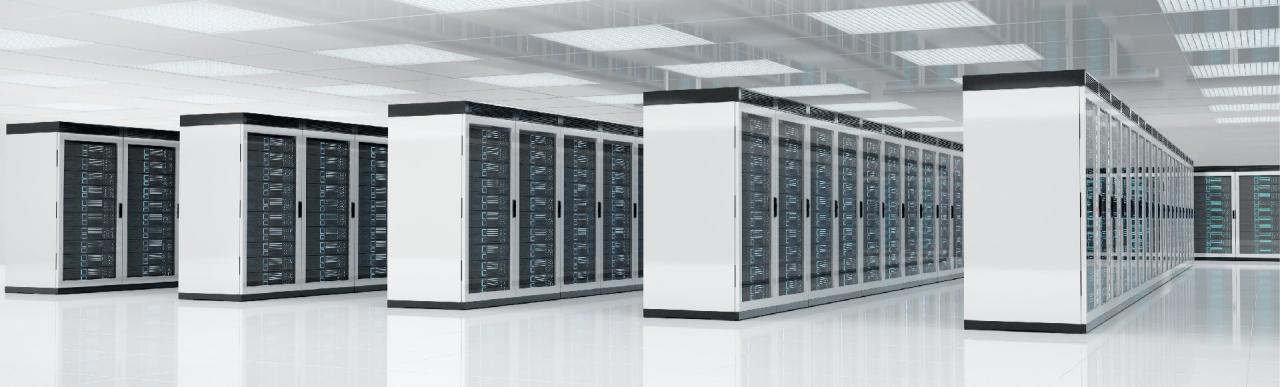
Data centers serve as the backbone of modern computing and digital storage, playing a crucial role in managing vast amounts of data, applications, and services that drive our day-to-day digital experiences. These facilities are designed to house computer systems and associated components, such as telecommunications and storage systems. Understanding how a data center operates sheds light on its importance in today’s technology-driven landscape.
A data center operates through a combination of hardware and software that work together to provide storage, processing, and management of data. Typically, a data center contains servers, networking equipment, and storage systems that are interconnected to facilitate efficient data processing and access. Power management, cooling systems, and security measures are also essential components that ensure the optimal functioning and protection of the equipment. Data centers are categorized based on their size, complexity, and purpose, ranging from small server rooms to large-scale cloud storage facilities. This infrastructure supports several primary functions: data storage, data management, network connectivity, and providing a platform for cloud computing services. Within these environments, data management and storage solutions are vital, as they ensure data integrity, availability, and security.
Significance of Data Management and Storage Solutions
Data management and storage solutions within a data center are fundamental for maintaining the efficiency and reliability of the IT ecosystem. Effective data management involves organizing, storing, and retrieving data in a way that is accessible and secure. This is increasingly important in an age where data is generated at an unprecedented rate.
The storage solutions employed in data centers can vary significantly, often including traditional hard drives, solid-state drives, and cloud storage options. Each type has its advantages: traditional drives offer extensive storage capacities at lower costs, while solid-state drives provide faster data access speeds, enhancing performance for critical applications. Cloud storage solutions are essential for businesses seeking scalability and flexibility, enabling access to vast amounts of data without the need for physical hardware.
Data centers also support cloud computing through virtualization technologies, which allow multiple virtual machines to operate on a single physical server. This enhances resource utilization and reduces overall operational costs. By leveraging virtualization, organizations can swiftly deploy applications, scale resources according to demand, and streamline IT management. Furthermore, data centers equipped for cloud services offer redundancy and backup solutions, ensuring business continuity in the event of a system failure.
In summary, the core functions of a data center revolve around efficient data management, robust storage solutions, and support for cloud computing, all of which are integral to the smooth operation of modern digital services.
The Role of Security in Data Center Operations
Data centers are the backbone of modern IT infrastructure, housing critical systems and sensitive data that drive businesses and services. The significance of robust security measures in these environments cannot be overstated, as they protect against a wide array of threats. Both physical and cybersecurity measures play crucial roles in safeguarding the integrity, availability, and confidentiality of the data stored within. As the digital landscape evolves, so do the complexities of security challenges faced by data centers.
Effective security in data centers encompasses a multifaceted approach that includes both physical security measures and advanced cybersecurity protocols. Physical security is vital for protecting the facilities themselves, ensuring that unauthorized personnel cannot gain access to sensitive areas. This can include measures such as security personnel, surveillance cameras, biometric access controls, and secure perimeters. Cybersecurity, on the other hand, focuses on protecting the data itself from cyber threats like hacking, malware, and data breaches. Together, these layers of protection create a robust defense against potential intrusions.
Security Protocols and Technologies
In the realm of data center security, a variety of protocols and technologies are employed to shield sensitive information from potential breaches.
The following are essential components of data center security strategies:
- Firewalls: These act as barriers between trusted internal networks and untrusted external networks, filtering incoming and outgoing traffic based on predefined security rules.
- Intrusion Detection Systems (IDS): IDS monitor network traffic for suspicious activity and known threats, alerting administrators to potential breaches.
- Encryption: Data encryption both at rest and in transit ensures that sensitive information is unreadable to unauthorized users, thus maintaining confidentiality.
- Access Control Lists (ACLs): ACLs define who can access certain data or systems, limiting permissions based on roles within an organization.
- Multi-Factor Authentication (MFA): MFA adds an extra layer of security by requiring users to provide two or more verification factors to gain access to systems or data.
The importance of these technologies is underscored by the growing number of threats that data centers face. Among the common threats are:
- Denial of Service (DoS) Attacks: These attacks aim to overwhelm systems with traffic, rendering services unavailable. Data centers mitigate this risk using traffic analysis and rate-limiting techniques.
- Data Breaches: Unauthorized access to sensitive information can have devastating consequences. Utilizing encryption and strict access controls helps in minimizing the likelihood of data breaches.
- Malware: Malicious software can disrupt operations or steal information. Regular updates, antivirus software, and user training are deployed to combat these threats.
- Physical Security Breaches: Unauthorized physical access to data centers can result in theft of hardware and data. Comprehensive physical security measures, including surveillance and access controls, are essential for prevention.
Effective security protocols and technologies are critical in establishing a strong defense within data centers. By understanding and addressing the various threats, data center operators can better safeguard their infrastructures and ensure the integrity of the data they manage.
Environmental Considerations in Data Center Design
The design and operation of data centers play a crucial role in environmental sustainability due to their significant energy consumption and cooling requirements. As the demand for digital services continues to rise, the environmental impact of these facilities has become a pressing concern. This discussion delves into the efficiency of energy consumption and cooling systems, eco-friendly practices, and the influence of governmental regulations on data center operations.
Impact of Energy Consumption and Cooling Systems on Data Center Efficiency
Data centers are notorious for their high energy consumption, largely driven by their need for constant power and efficient cooling systems. The efficiency of these systems directly affects operational costs and environmental footprint. According to the U.S. Department of Energy, data centers in the United States consumed about 70 billion kilowatt-hours of electricity in 2020. This immense energy demand results in significant greenhouse gas emissions, particularly if the electricity comes from fossil fuel sources.
The cooling systems employed in data centers also play a pivotal role in overall efficiency. Traditional cooling methods, such as air conditioning, can be resource-intensive and may lead to excessive energy use. In contrast, innovative cooling solutions, like liquid cooling or free-air cooling, can dramatically reduce energy consumption. Implementing advanced cooling technologies can lead to a substantial decrease in the Power Usage Effectiveness (PUE) ratio, which measures the energy efficiency of a data center. A lower PUE indicates that less energy is used for cooling compared to actual IT equipment usage.
Eco-Friendly Practices and Technologies in Data Center Operations
To mitigate their environmental impact, data centers are increasingly adopting eco-friendly practices and technologies. Here are several key strategies that can be integrated into their operations:
- Renewable Energy Sources: Utilizing solar, wind, or hydroelectric power can significantly reduce reliance on non-renewable energy. For instance, Google has committed to operating on 24/7 carbon-free energy by 2030.
- Energy-Efficient Hardware: Deploying state-of-the-art servers with lower energy consumption and higher performance per watt can enhance overall efficiency.
- Waste Heat Recovery: Capturing waste heat generated by servers can provide energy for heating purposes in nearby buildings or facilities, thus maximizing resource use.
- Virtualization: Reducing the number of physical servers through virtualization technologies lessens energy consumption and cooling needs, ultimately enhancing efficiency.
Influence of Governmental Regulations on Data Center Environmental Strategies
Government regulations play a critical role in shaping the environmental strategies of data centers. Various governments worldwide have introduced policies aimed at promoting energy efficiency and reducing carbon emissions. For example, the European Union’s Energy Efficiency Directive mandates that data centers improve their energy performance, compelling operators to adopt best practices.
Moreover, initiatives like the U.S. Environmental Protection Agency’s ENERGY STAR program encourage data centers to implement energy-efficient technologies and practices. Compliance with such regulations not only aids in environmental conservation but also offers financial incentives and tax breaks for data center operators who meet or exceed set standards.
In conclusion, addressing environmental considerations in data center design is essential for improving energy efficiency and minimizing negative impacts on the planet. By adopting innovative technologies and practices, along with adhering to governmental regulations, data centers can operate sustainably while meeting the ever-growing demands of the digital age.
Innovations Shaping the Future of Data Centers
The landscape of data centers is undergoing a significant transformation, driven by the relentless march of technology. As organizations increasingly rely on data to drive decision-making and operations, innovations are reshaping how these facilities function. Understanding the latest advancements is crucial for companies looking to stay competitive in a data-driven world.
Data centers have traditionally been built as centralized facilities, often characterized by large servers housed in expansive rooms filled with rows of racks. However, the advent of new technologies is pushing us toward more efficient, flexible, and scalable solutions. Notably, edge computing and hybrid models are gaining traction, redefining the conventional approach to data storage and processing.
Technological Advancements in Data Center Infrastructure
Several key innovations are transforming data center infrastructure, enabling enhanced performance, efficiency, and sustainability. These advancements include:
- Modular Data Centers: These are pre-fabricated units that can be rapidly deployed and scaled. This approach allows companies to expand their capacity as needed without extensive infrastructure investment.
- Liquid Cooling Technologies: Traditional air cooling systems are being replaced with liquid cooling solutions, which offer better thermal management and improve energy efficiency. This is crucial as data centers aim to reduce their carbon footprints.
- Artificial Intelligence: AI is increasingly being deployed to manage workloads, optimize energy usage, and predict equipment failures before they occur. This reduces downtime and enhances operational efficiency.
- High-density Computing: The move towards higher density computing enables data centers to maximize their computing power while minimizing physical space. This is particularly important as the demand for processing power continues to grow.
- Renewable Energy Integration: Data centers are progressively incorporating renewable energy sources like solar and wind, reducing their reliance on fossil fuels and contributing to sustainability goals.
The shift towards edge computing is particularly noteworthy, as it decentralizes data processing closer to the source of data generation. This reduces latency and bandwidth usage, allowing businesses to respond more quickly to real-time data demands. Additionally, hybrid models that combine on-premises data centers with cloud services provide organizations with the flexibility to scale resources efficiently based on demand.
Implications of AI and Machine Learning
Artificial Intelligence and machine learning are revolutionizing data center management and performance optimization in multifaceted ways. These technologies are not only enhancing operational efficiency but also providing actionable insights for future growth.
“AI enables predictive analytics that can anticipate potential failures, ensuring higher uptime and reliability.”
Data centers are utilizing AI algorithms to analyze vast amounts of data generated within their environments. Through this analysis, operators can identify patterns and anomalies that may indicate impending hardware failures or inefficiencies in resource utilization. This proactive approach enhances reliability and performance, as issues can be addressed before they escalate into significant problems.
Furthermore, machine learning models are being employed to optimize energy consumption, adjusting cooling systems and server loads dynamically based on real-time data. By continuously learning from operational patterns, these systems can reduce energy costs and improve overall sustainability.
The integration of AI also facilitates smarter resource allocation, ensuring that workloads are distributed efficiently across servers. This leads to better performance and minimizes resource waste, ultimately contributing to a more robust and efficient data center operation.
As we move forward, these innovations will play a pivotal role in shaping the future of data centers, driving them towards greater efficiency, sustainability, and resilience in an increasingly data-driven world.
Key Considerations for Choosing a Data Center Provider

Selecting the right data center provider is a crucial decision for any business, impacting everything from operational efficiency to data security. A data center is not just a physical location; it represents the backbone of your technological infrastructure. Therefore, understanding the key considerations in choosing a provider can help ensure the success of your data strategy.
A variety of factors must be evaluated when selecting a data center provider. First and foremost, the provider’s location can significantly influence latency and accessibility. Proximity to your user base often translates to faster data transfer speeds. Additionally, the provider’s infrastructure should boast high standards in redundancy and reliability. This includes evaluating their power supplies, cooling systems, and network connectivity to ensure minimal downtime. Security measures, both physical and cyber, are vital; look for features such as biometric access controls and advanced fire suppression systems. Moreover, compliance with industry standards and regulations, such as GDPR or HIPAA, is critical if your business handles sensitive data.
Significance of Service Level Agreements (SLAs)
Service Level Agreements (SLAs) are essential in defining the expected performance and reliability of a data center provider. An SLA should Artikel critical metrics such as uptime guarantees, response times for support requests, and penalties for non-compliance. Businesses should scrutinize these agreements to ensure they align with their operational needs. For example, an SLA that guarantees 99.99% uptime means that the provider is committed to keeping systems operational, with a maximum allowable downtime of approximately four minutes a month. However, the SLA should also include provisions regarding data backup, disaster recovery, and notification requirements in the event of a breach or service interruption.
Checklist of Essential Questions for Data Center Providers
When evaluating potential data center providers, it is important to gather comprehensive information to make an informed decision. The following checklist includes essential questions that should be addressed:
- What are your uptime guarantees, and how often do you meet them?
- Can you provide information about the facility’s security measures, both physical and digital?
- What redundancy measures are in place for power and network connectivity?
- How do you handle data backup and disaster recovery?
- What compliance certifications do you hold relevant to our industry?
- What is your process for maintenance and upgrades, and how do you communicate downtime to clients?
- Are there options for scalability if our needs grow in the future?
- What support services are included, and what are the response times?
- Can you provide case studies or references from similar businesses?
This checklist serves as a solid foundation for discussions with potential data center providers, ensuring that critical aspects of service and reliability are thoroughly understood and aligned with your business goals.
The Economic Impact of Data Centers on Local Communities
Data centers are becoming critical infrastructure in the digital age, with significant implications for local economies. They are not merely hubs for information processing; they are engines of local economic growth and job creation. As technology continues to advance, the presence of data centers in a community can substantially influence its economic landscape.
The establishment of a data center typically leads to a range of direct and indirect economic benefits. Firstly, these facilities create a variety of jobs, both during the construction phase and after their completion. Jobs may include those in engineering, IT, facility management, and general maintenance. According to a report by the Data Center Coalition, the construction of a new data center can generate approximately 1,000 to 1,200 jobs.
Additionally, data centers often lead to increased demand for local services and supply chains. Companies providing services such as landscaping, cleaning, and security see a rise in business due to the ongoing operational needs of data centers. This dynamic can create a ripple effect throughout the local economy.
Impact on Real Estate Values and Community Development
Data centers can have a noticeable impact on real estate values in the surrounding areas. The influx of jobs and economic activity often leads to an increase in demand for residential housing. When a data center is established, the resulting job opportunities can attract professionals who seek to live nearby, thus driving up property values. For instance, a study in Loudoun County, Virginia, highlighted how the local real estate market experienced a surge in property values correlating with the proliferation of data centers in the region.
Moreover, data centers contribute to community development by enabling local governments to invest in infrastructure improvements. Increased tax revenues from data centers can be allocated to enhance public services, such as education, public safety, and transportation. The City of Dallas, Texas, reported significant growth in its tax base due to data centers, allowing for substantial improvements in public facilities.
“Data centers represent a significant opportunity for economic development, providing not just jobs, but also tax revenue that can enhance community services.”
The social responsibilities of data center companies toward their communities are also crucial. These companies often engage in philanthropic efforts, contributing to local educational initiatives and supporting workforce development programs. For example, several data center operators partner with local schools to provide training and skills development for students interested in technology careers. Additionally, many companies invest in sustainability initiatives, such as renewable energy projects, which can positively impact the community’s environmental footprint.
Furthermore, data centers can enhance community resilience by supporting local disaster recovery efforts. Their robust infrastructure can provide critical resources during emergencies, ensuring that communities can maintain connectivity and access to information even in challenging situations.
In summary, the economic impact of data centers on local communities is multifaceted. They create jobs, boost local economies, enhance real estate values, and bear social responsibilities that contribute to the overall well-being of the communities they inhabit.
Disaster Recovery and Business Continuity Strategies for Data Centers
In the realm of data centers, disaster recovery (DR) plans are not just an afterthought; they are an essential component of operational integrity. The importance of these plans cannot be understated, as they play a critical role in ensuring data availability, minimizing downtime, and safeguarding against potential data loss. In a world increasingly reliant on technology, data centers must be equipped to handle unexpected disruptions, whether from natural disasters, cyberattacks, or equipment failures.
The effectiveness of a disaster recovery strategy hinges on thorough planning and implementation. A well-thought-out DR plan allows data centers to quickly restore services and maintain business continuity. This involves not only having the necessary technology in place but also establishing processes that Artikel steps to take in various disaster scenarios. The ultimate goal is to ensure that critical business operations can continue with minimal interruption.
Common Disaster Recovery Methods and Best Practices
Understanding the various disaster recovery methods available is crucial for data center operations. Each method has its own advantages and can be tailored to meet specific organizational needs. Here are several common approaches:
- Backup and Restore: This traditional approach involves making regular backups of data and systems, which can be restored in case of failure. While effective, the recovery time can be lengthy, depending on the volume of data to be restored.
- Cold Site: A cold site is a backup location that provides the infrastructure necessary to support operations but requires configuration and data transfer to become operational. This method is cost-effective but may lead to prolonged downtime.
- Warm Site: A warm site is partially equipped and can be made operational more quickly than a cold site. It typically includes pre-installed hardware and software but may require some data transfer.
- Hot Site: A hot site is a fully operational backup facility that mirrors the primary data center in real-time. This method offers the quickest recovery time but comes with higher costs.
These methods highlight the importance of assessing the needs and risks associated with each data center.
Redundancy and backup systems are key factors in ensuring business continuity. By implementing redundant systems, data centers can provide failover capabilities, allowing operations to continue seamlessly in the event of a hardware failure. For instance, utilizing dual power supplies or network connections can mitigate the risk of downtime caused by single points of failure.
“Redundancy is not just a backup; it is a proactive strategy to ensure uninterrupted service.”
Regular testing of disaster recovery plans is equally vital. Simulating disaster scenarios can help identify weaknesses and areas for improvement, ensuring that when the time arises, the response is swift and effective. Moreover, maintaining up-to-date documentation and training personnel on DR procedures can significantly enhance a data center’s resilience against unforeseen disruptions.
Ending Remarks
In conclusion, the role of data centers extends far beyond mere storage; they are pivotal in driving innovation and supporting business continuity. As we look to the future, the integration of eco-friendly practices and cutting-edge technologies will shape how these facilities operate, ensuring they meet the demands of tomorrow. Understanding the intricacies of data centers not only highlights their importance in our digital ecosystem but also prepares businesses to make informed decisions concerning their data management strategies.
FAQ Guide
What is a data center?
A data center is a facility that houses computer systems and associated components, such as telecommunications and storage systems, designed to manage, store, and disseminate data.
How does a data center ensure security?
Data centers implement a combination of physical security measures, such as surveillance and access controls, along with cybersecurity protocols to protect sensitive information from threats.
What are the key components of a data center?
The key components of a data center include servers, storage systems, networking equipment, cooling systems, and power supply units, all working together to provide reliable data services.
How do data centers contribute to energy consumption?
Data centers consume significant amounts of energy primarily for powering servers and cooling systems to maintain optimal operating conditions, which has implications for energy efficiency and environmental impact.
What factors should be considered when choosing a data center provider?
Businesses should consider factors such as location, scalability, security measures, service level agreements (SLAs), and the provider’s track record when selecting a data center.