Computer Vision is not just a buzzword; it is a transformative technology that’s reshaping how we interact with the world. From enabling self-driving cars to enhancing healthcare diagnostics, the reach of computer vision extends across various domains, integrating seamlessly into our daily lives. This fascinating field combines the intricacies of machine learning and image processing, creating systems that can interpret and understand visual data like humans do.
As we delve into the evolution, techniques, applications, and ethical considerations surrounding Computer Vision, we’ll uncover the groundbreaking advancements that have brought us to this pivotal moment in technology and explore what the future might hold for this exciting area of research.
The historical evolution of Computer Vision technology
The journey of Computer Vision technology has been marked by significant milestones, each contributing to the depth and breadth of its applications today. It encompasses a rich history that intertwines advancements in computer science, mathematics, and cognitive science, leading to innovations that shape how machines interpret visual data. This evolution has laid the groundwork for modern applications ranging from facial recognition to autonomous vehicles.
Key developments in Computer Vision can be traced back to the early stages of artificial intelligence. The integration of image processing techniques with AI algorithms played a crucial role in enhancing the capabilities of machines to analyze and understand visual information. The foundational work in the 1960s and 1970s, which included basic edge detection and image segmentation, set the stage for future advancements. These early innovations paved the way for later breakthroughs that transformed theoretical concepts into practical applications.
Early Research and Pioneering Projects
The early decades of Computer Vision research focused on establishing the theoretical frameworks that would enable machines to interpret images. Notable projects and research efforts during this time contributed significantly to shaping the field.
- 1966 – The “Summer Vision Project”: One of the first initiatives to involve computer vision, this project aimed to develop algorithms for recognizing simple shapes in images. It highlighted the challenges of image analysis and laid the groundwork for future explorations.
- 1970s – The Development of Optical Flow: Researchers introduced the concept of optical flow, which analyzes the motion of objects within a visual field. This concept became vital for applications like video analysis and object tracking.
- 1980s – The Introduction of Neural Networks: The revival of neural networks allowed for more sophisticated image processing techniques, paving the way for the development of algorithms that could learn from data and improve over time.
- 1990s – The Emergence of 3D Vision: Breakthroughs in 3D reconstruction techniques enabled machines to interpret spatial relationships in images, leading to significant applications in robotics and augmented reality.
These pioneering projects not only advanced the technical capabilities of Computer Vision but also inspired subsequent generations of researchers and practitioners to explore and harness the potential of visual data interpretation. The influence of these early efforts continues to resonate in contemporary applications that rely on deep learning and sophisticated image recognition technologies.
“The evolution of Computer Vision reflects an ongoing journey of discovery and innovation, where each milestone builds upon the successes and lessons of the past.”
The fundamental principles and techniques of Computer Vision
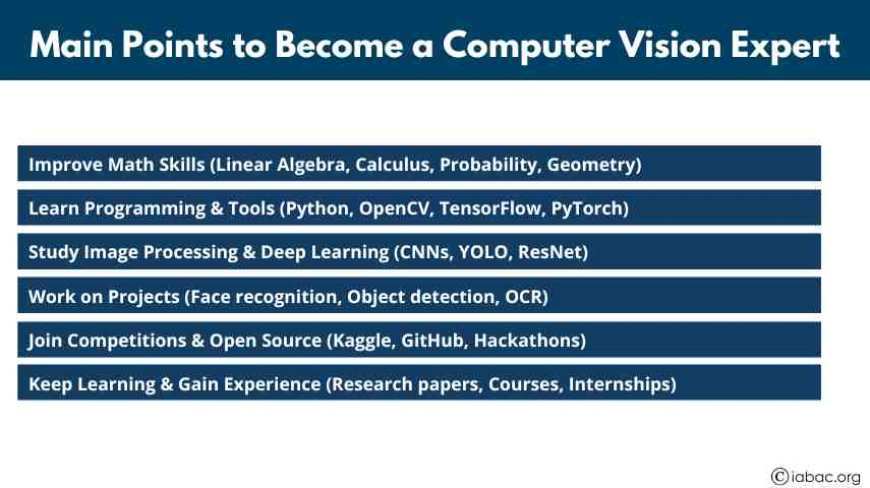
Computer Vision is an interdisciplinary field that enables systems to interpret and understand visual data from the world. It combines various techniques from image processing, machine learning, and artificial intelligence to analyze and derive meaningful information from images and videos. Understanding the core principles and techniques is crucial for anyone looking to delve into this rapidly evolving domain.
The foundation of Computer Vision lies in two primary areas: image processing and pattern recognition. Image processing involves transforming and analyzing images to enhance their quality or extract valuable information. In contrast, pattern recognition focuses on identifying and classifying patterns within the data, allowing for object detection, facial recognition, and scene interpretation. Both areas employ a variety of algorithms, each tailored for specific tasks and applications within Computer Vision.
Core Concepts in Image Processing and Pattern Recognition
Image processing plays a vital role in preparing data for analysis in Computer Vision. Various techniques are employed to manipulate images, each serving a distinct purpose. The following list highlights some key techniques used in image processing:
- Filtering: Techniques such as Gaussian filtering and median filtering are used to remove noise and enhance image quality.
- Edge Detection: Methods like the Canny and Sobel operators identify significant transitions in intensity, helping to Artikel objects within an image.
- Image Segmentation: This technique divides an image into segments to simplify its analysis, commonly using methods like thresholding and clustering.
- Feature Extraction: Involves identifying and isolating various features (like corners, textures, and shapes) that can be used for further analysis.
Pattern recognition applies these processed images to identify and classify objects or patterns. Key approaches include:
- Template Matching: A straightforward technique where a template image is matched against potential objects in a target image.
- Machine Learning: Supervised learning models, such as support vector machines (SVM) and decision trees, are widely used for classification tasks.
- Deep Learning: Convolutional Neural Networks (CNNs) have gained prominence in recent years for their ability to learn hierarchical features from raw pixels.
Key Algorithms and Their Applications
A variety of algorithms form the backbone of Computer Vision, each with specific uses. Below is a concise overview of some of the most prominent algorithms and their applications:
| Algorithm | Application |
|---|---|
| Haar Cascades | Face detection in images and videos. |
| YOLO (You Only Look Once) | Real-time object detection. |
| Optical Flow | Motion detection and tracking. |
| Image Classification with CNNs | Classifying images in datasets, such as identifying animals in photos. |
Comparative Analysis of Traditional Methods and Modern Techniques
The landscape of Computer Vision has evolved dramatically, transitioning from traditional methods to more sophisticated modern techniques. This comparison highlights the differences in approach and efficiency between the two:
| Aspect | Traditional Methods | Modern Techniques |
|---|---|---|
| Accuracy | Lower accuracy due to reliance on handcrafted features. | Higher accuracy through data-driven methods and deep learning. |
| Feature Extraction | Manual and often time-consuming. | Automated extraction using deep learning architectures. |
| Computational Complexity | Less computationally intensive, but limited in capability. | Resource-intensive due to complex models and large datasets. |
| Generalization | Poor generalization to new data if not carefully tuned. | Better generalization across various datasets through transfer learning. |
“Computer Vision transforms the way we interact with machines and our environment, enabling applications that were once considered science fiction.”
The practical applications of Computer Vision in various industries
Computer Vision (CV) technology has emerged as a transformative force across numerous sectors, impacting how businesses operate and interact with the world. From enabling machines to interpret and understand visual information to automating processes that were once manual, the applications of CV are vast and varied. This technology enhances productivity, improves accuracy, and drives innovation by providing intelligent insights from visual data.
Healthcare Applications
In the healthcare sector, Computer Vision plays a crucial role in diagnostics, treatment planning, and patient monitoring. Medical imaging technologies, which utilize CV, help in interpreting X-rays, MRIs, and CT scans with a level of precision that enhances diagnostic accuracy. For instance, companies like Zebra Medical Vision use AI algorithms that analyze medical imaging data to detect conditions such as pneumonia and breast cancer at early stages, significantly improving patient outcomes.
The integration of CV in healthcare leads to several benefits:
-
Enhanced diagnostic accuracy through automated image analysis.
- Reduction in human error, allowing healthcare professionals to focus on patient care.
- Increased efficiency in workflow, resulting in faster patient turnaround times.
Automotive Innovations
The automotive industry has embraced Computer Vision primarily through advancements in driver-assistance systems and autonomous vehicles. Technologies such as lane detection, obstacle recognition, and traffic sign identification rely heavily on CV algorithms. Companies like Tesla and Waymo have developed sophisticated CV systems that enable vehicles to interpret their surroundings and make real-time driving decisions, paving the way for safer road experiences.
Key impacts of CV in the automotive industry include:
-
Improved safety with real-time obstacle detection and collision avoidance.
- Enhanced navigation systems that provide precise routing and traffic analysis.
- Optimized manufacturing processes via quality control measures that detect defects in production lines.
Security and Surveillance
In security, Computer Vision technologies are pivotal for monitoring and analyzing video feeds in real-time. CV systems can recognize faces, identify suspicious behavior, and ensure compliance with safety protocols in various settings, including airports, banks, and shopping malls. For example, Hikvision employs CV solutions in their surveillance cameras that can alert security personnel about unusual activities, allowing for prompt responses to potential threats.
The contributions of CV to security and surveillance are noteworthy:
-
Increased efficiency in monitoring environments through automated alert systems.
- Reduction in false alarms by using advanced image processing algorithms to differentiate between normal and suspicious activities.
- Data-driven insights for proactive security measures based on historical visual data analysis.
Overall, the practical applications of Computer Vision not only enhance productivity and efficiency across various industries but also significantly improve the quality of services provided to consumers, demonstrating the technology’s transformative potential.
The role of Machine Learning in enhancing Computer Vision capabilities
Computer Vision has rapidly evolved with the advent of Machine Learning (ML), fundamentally transforming how systems interpret visual data. By utilizing ML algorithms, Computer Vision systems can significantly enhance their accuracy, efficiency, and adaptability, enabling a wide range of applications from self-driving cars to facial recognition technologies.
Machine Learning algorithms enhance the performance of Computer Vision systems by allowing them to learn from data and improve over time. Unlike traditional programming, which relies heavily on predefined rules, ML algorithms can identify patterns and make decisions based on the input data they encounter. This ability to learn from large datasets leads to improved accuracy in object detection, image classification, and scene understanding. The use of deep learning, particularly convolutional neural networks (CNNs), has shown remarkable success in these areas, allowing systems to automatically extract features from images without explicit feature engineering.
Supervised learning versus unsupervised learning in Computer Vision
In the realm of Computer Vision, both supervised and unsupervised learning play pivotal roles but are applied in different contexts. Supervised learning involves training a model on labeled datasets, where the input images are paired with their corresponding labels. This approach is beneficial for tasks that require high accuracy, like image classification or object detection.
On the other hand, unsupervised learning is utilized when the data is unlabelled, allowing the model to identify patterns and structures within the data without specific guidance. This method is useful for clustering images or generating new data points based on learned representations.
– Supervised Learning Advantages:
– High accuracy due to the availability of labeled data.
– Direct feedback during the training process enhances model performance.
– Facilitates fine-tuning and control over the learning objectives.
– Unsupervised Learning Advantages:
– No need for extensive labeled datasets, reducing time and cost.
– Useful for anomaly detection by identifying outliers in data.
– Helps in discovering hidden patterns or intrinsic structures in visual data.
In many applications, a combination of both techniques is utilized to achieve optimal results. For instance, in facial recognition systems, supervised learning might be used for the initial training of facial features, while unsupervised learning could help in grouping similar faces together for better identification.
Integration of Machine Learning with Computer Vision processes
Integrating Machine Learning with Computer Vision involves a systematic approach that enhances the capability of visual systems. Below is a flowchart illustrating this integration:
1. Data Collection: Gather images and videos relevant to the target application.
2. Data Preprocessing: Clean and prepare the collected data for training, including normalization and augmentation.
3. Model Selection: Choose appropriate ML algorithms based on the task, such as CNNs for image classification.
4. Training: Use labeled data in supervised learning or employ unsupervised methods for feature extraction and clustering.
5. Evaluation: Assess the model’s performance using test datasets and metrics like accuracy and precision.
6. Deployment: Implement the trained model into the desired application, ensuring real-time data processing capabilities.
7. Continuous Learning: Adapt and retrain the model with new data to improve performance over time.
This structured approach not only optimizes the performance of Computer Vision systems but also ensures they remain relevant and effective in addressing evolving challenges and needs in various fields.
The ethical considerations surrounding the use of Computer Vision technology
The rise of Computer Vision technology has transformed various industries, from healthcare to security. However, with its rapid advancement comes a set of ethical considerations that merit serious attention. These considerations particularly focus on privacy, surveillance, and the broader implications for society.
The deployment of Computer Vision technologies often intersects with critical issues of surveillance and privacy. These technologies can capture vast amounts of visual data, raising questions about who has access to this information, how it is used, and the potential for misuse. For instance, surveillance cameras equipped with Computer Vision can monitor public spaces, leading to concerns about individuals being watched without their consent. Such scenarios highlight the ethical dilemma of balancing security needs with the right to privacy.
Surveillance and Privacy Concerns
Computer Vision technology poses significant risks regarding surveillance and privacy. The pervasive nature of cameras and image recognition systems can lead to a society where individuals are constantly monitored. This situation raises ethical dilemmas, such as:
- Potential for mass surveillance infringing upon civil liberties.
- Inaccurate facial recognition leading to wrongful accusations or profiling.
- Risk of data breaches exposing personal information captured through computer vision systems.
- Manipulation of visual data for deceptive purposes, such as deepfakes.
Given these risks, various regulatory frameworks have been established to govern the use of Computer Vision technologies across different jurisdictions. These frameworks aim to safeguard privacy rights while allowing for technological advancement.
Regulatory Frameworks Governing Computer Vision Technologies
Key regulatory frameworks include:
- The General Data Protection Regulation (GDPR) in the European Union, which mandates strict data protection and privacy measures for individuals.
- The California Consumer Privacy Act (CCPA) in the USA, providing residents with rights regarding their personal data.
- Various local and national laws that address surveillance practices, such as requiring consent for recording in public spaces.
These regulations are crucial for ensuring that Computer Vision technologies are used responsibly and ethically.
Best Practices for Ethical Computer Vision Implementation
To mitigate the ethical concerns surrounding Computer Vision technology, organizations should adopt best practices that prioritize ethical considerations. The following practices can help guide responsible implementation:
- Conduct regular assessments of the technology’s impact on privacy and civil liberties.
- Implement robust security measures to protect collected data from unauthorized access.
- Ensure transparency about how and why Computer Vision technologies are used.
- Engage with stakeholders, including affected communities, to address concerns and incorporate feedback.
- Establish clear policies regarding data retention and sharing practices.
Future trends and innovations in the field of Computer Vision
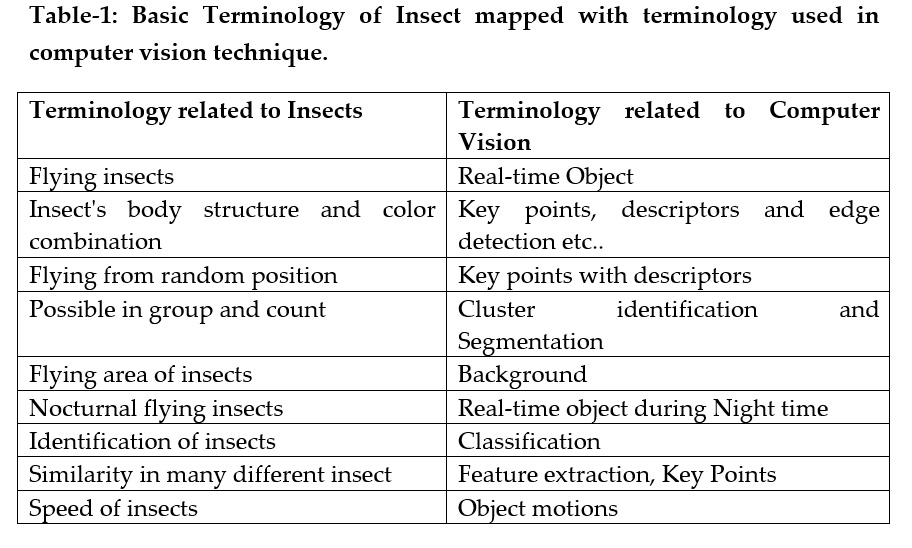
The field of computer vision is on the verge of transformative changes driven by advancements in technology and innovative applications across various sectors. With the evolution of machine learning algorithms and increasing computational power, the potential for computer vision is expanding rapidly. This section explores the anticipated trends and innovations that will shape the future landscape of computer vision.
Emerging Technologies Influencing Computer Vision
A variety of emerging technologies are set to significantly impact the future of computer vision. Key areas of development include:
- Artificial Intelligence and Deep Learning: Techniques such as convolutional neural networks (CNNs) are becoming increasingly sophisticated, allowing for more accurate image recognition and classification tasks.
- Edge Computing: Moving processing closer to data sources reduces latency and bandwidth usage, enabling real-time image processing on devices like drones and smartphones.
- 3D Imaging and Augmented Reality: These technologies are enhancing user experiences by providing more immersive interactions with digital content, particularly in fields like gaming and training simulations.
Advancements in Hardware and Software
The evolution of hardware and software plays a crucial role in driving innovations in computer vision applications. For instance, the introduction of specialized chips, such as GPUs and TPUs, allows for faster processing of complex algorithms. Additionally, software frameworks like TensorFlow and PyTorch are enabling developers to build and train models more efficiently.
A key trend is the integration of computer vision systems with IoT devices. As smart devices proliferate, the need for advanced computer vision capabilities becomes essential for functionalities like object detection, facial recognition, and scene understanding. This integration is not only enhancing automation but is also contributing to smarter cities and industries.
Predicted Changes in Computer Vision Applications
The next decade is poised to witness transformative changes in computer vision applications across various industries. The following table summarizes the predicted advancements and their impact:
| Year | Predicted Change | Sector |
|---|---|---|
| 2025 | Enhanced facial recognition capabilities leading to widespread use in security systems. | Security |
| 2027 | Integration of computer vision with AR for real-time data overlay in fields like healthcare and maintenance. | Healthcare, Manufacturing |
| 2030 | Autonomous vehicles utilizing advanced computer vision for navigation and obstacle avoidance. | Transportation |
In summary, the integration of these emerging technologies, coupled with significant hardware and software advancements, is set to revolutionize the applications of computer vision. As we move forward, industries will increasingly leverage these innovations, resulting in enhanced efficiency and new opportunities.
Conclusive Thoughts
In summary, the journey of Computer Vision has been marked by significant milestones and innovative breakthroughs that continue to propel the technology forward. Its integration with machine learning has enhanced its capabilities, leading to practical applications that improve efficiency and productivity across multiple sectors. As we navigate the ethical challenges and anticipate future trends, it is clear that Computer Vision will remain a key player in shaping the technological landscape, influencing how we see and interact with the world around us.
FAQ Overview
What is Computer Vision?
Computer Vision is a field of artificial intelligence that enables computers to interpret and understand visual information from the world, similar to how humans do.
How does Computer Vision differ from image processing?
While image processing involves manipulating images to enhance them, Computer Vision focuses on understanding and interpreting the content of the images.
What industries benefit most from Computer Vision?
Industries such as healthcare, automotive, security, and retail are among the most impacted, utilizing Computer Vision for tasks like diagnostics, surveillance, and inventory management.
Are there privacy concerns related to Computer Vision?
Yes, there are significant concerns regarding surveillance and data privacy, prompting discussions around ethical frameworks and regulations for responsible use.
What are some future applications of Computer Vision?
Future applications may include enhanced virtual and augmented reality experiences, advanced robotics, and improved automated diagnostic systems in healthcare.