Exploring the world of Code Repositories opens up a realm of collaboration, innovation, and efficiency for developers. These digital homes for code not only store and manage source files but also enhance teamwork, streamline workflows, and ensure that every line of code is meticulously tracked and versioned.
As we dive deeper, we’ll uncover the significance of version control, discover the leading platforms that host these repositories, and examine best practices for organization and security. The insights gained here will empower developers to leverage code repositories effectively, fostering a productive environment that encourages open-source contributions and seamless integrations with continuous integration/deployment pipelines.
Understanding the Concept of a Code Repository
A code repository is a centralized storage location for software code, where developers can manage and track changes to their codebase. It serves various purposes, including facilitating collaboration among team members, maintaining a history of code changes, and enabling easier deployment of software. By using a code repository, teams can ensure that their code is organized, secure, and easily accessible, allowing for a streamlined workflow and reducing the risk of errors.
The significance of version control in managing code repositories cannot be overstated. Version control systems (VCS) play a crucial role in tracking changes to code files over time. This enables developers to record modifications, revert to previous versions when necessary, and collaborate efficiently without stepping on each other’s toes. The primary benefits of version control include:
– Change Management: Version control allows teams to keep detailed records of every change made to the code. Each modification is logged, along with who made it and why, which enhances accountability and allows for better tracking of issues.
– Branching and Merging: Developers can create branches to work on new features or fixes without affecting the main codebase. Once the work is completed, these branches can be merged back into the main code, ensuring that all contributions are integrated smoothly.
– Conflict Resolution: In a collaborative environment, it’s common for multiple developers to work on the same code. Version control systems provide tools to detect and resolve conflicts that arise from concurrent changes, ensuring that the final product reflects the best contributions from all team members.
– Backup and Recovery: Code repositories act as a backup of the project. In case of accidental loss or corruption of files, developers can easily restore previous versions of code, minimizing downtime and potential loss of work.
Facilitation of Collaboration Among Developers
Code repositories provide a platform for developers to collaborate efficiently, regardless of their physical location. The following aspects illustrate how repositories enhance teamwork:
– Centralized Access: All code is stored in a central location, which ensures that every team member has access to the latest code updates, reducing discrepancies and confusion.
– Comments and Reviews: Many repositories include features for code reviews and inline comments, which allow developers to discuss changes and provide feedback directly on the code itself.
– Integration with Tools: Code repositories often integrate with other development tools, such as project management software and continuous integration systems. This creates a seamless workflow where developers can track progress, automate testing, and deploy applications with ease.
– Continuous Integration and Deployment (CI/CD): Repositories can be linked to CI/CD pipelines, enabling automatic testing and deployment of code. This speeds up the development process and enhances the reliability of software releases.
In summary, code repositories are essential tools for modern software development, fostering collaboration, ensuring version control, and facilitating efficient workflows among developers.
Popular Code Repository Platforms
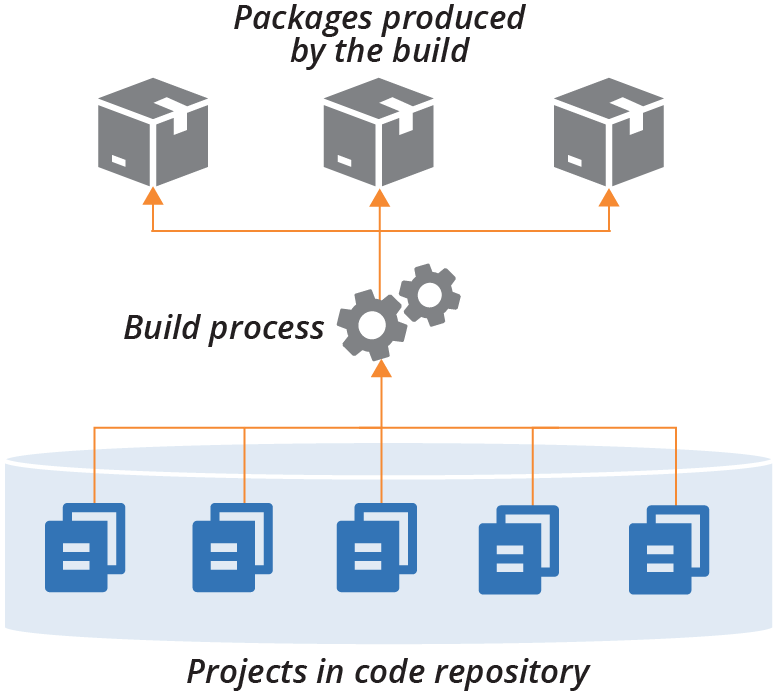
In today’s software development landscape, code repositories are essential for version control and collaboration among developers. Various platforms provide unique features, usability, and community support, making them suitable for different needs. This discussion focuses on three prominent code repository platforms: GitHub, Bitbucket, and GitLab, comparing their offerings to help developers choose the right one for their projects.
Comparison of Features and Usability
When selecting a code repository, understanding the specific features and usability of each platform is crucial. Here’s a breakdown of the key aspects that define GitHub, Bitbucket, and GitLab:
- GitHub: Known for its user-friendly interface, GitHub hosts over 40 million developers. It offers robust features like pull requests, code reviews, and a powerful search function. The platform’s social coding aspect, with stars and forks, encourages community engagement.
- Bitbucket: Bitbucket excels in integrating with Atlassian products like Jira and Trello. It supports both Git and Mercurial repositories, making it versatile. Its free tier allows for unlimited private repositories, appealing to small teams.
- GitLab: GitLab stands out with its built-in Continuous Integration/Continuous Deployment (CI/CD) capabilities. It offers a complete DevOps lifecycle in a single application, making it suitable for teams looking to streamline development and deployment processes.
Community Support and Integrations
The community support and third-party integrations available on these platforms can significantly impact user experience. Each platform presents unique advantages:
- GitHub: With a massive community, GitHub offers extensive documentation, forums, and tutorials. The GitHub Marketplace provides a plethora of integrations, from CI tools to project management apps, enabling users to customize their workflows effectively.
- Bitbucket: Bitbucket benefits from the support of Atlassian’s ecosystem. Users can leverage integrations with Confluence for documentation and Jira for project tracking. Its community forums and documentation provide valuable resources for troubleshooting and best practices.
- GitLab: GitLab has a passionate community and offers comprehensive documentation. Its open-source nature allows users to contribute to feature development. Integrations with various CI/CD tools enhance its capabilities, ensuring a smooth development pipeline.
“Choosing the right code repository platform can streamline your development process and enhance collaboration within your team.”
Each platform presents unique selling points that cater to different user needs, making it essential for developers to assess their specific requirements when making a choice.
{Best Practices for Organizing a Code Repository}
Organizing a code repository effectively is crucial for collaboration, maintenance, and scalability. A well-structured repository can simplify development processes, enhance team productivity, and ease the onboarding of new contributors. By following best practices, teams can ensure that their projects remain manageable and efficient over time.
{Directory and File Structure}
A logical directory and file structure promotes easy navigation and reduces confusion among contributors. When structuring your repository, consider the following best practices:
- Use a Standardized Directory Structure: Common directories include
src/for source files,tests/for unit tests, anddocs/for documentation. This sets clear expectations for where to find specific types of files. - Group by Feature: Instead of categorizing by file type, group files by feature or functionality. This makes it easier for developers to find related components together.
- Include a Clear Naming Convention: Use meaningful names for directories and files that describe their contents or purpose. Avoid vague names like
stuff/ortemp/. - Limit the Number of Top-Level Directories: Too many directories can overwhelm contributors. Aim for a clean and straightforward top-level structure.
{Importance of Clear Documentation and README Files}
Clear documentation is vital in a code repository, as it serves as a primary resource for understanding the project’s purpose, setup, and usage. A comprehensive README file enhances collaboration by providing essential information that can guide both new and existing contributors. Key components of a strong README include:
- Project Title and Description: State what the project does and its key features, allowing users to quickly grasp its value.
- Installation Instructions: Provide step-by-step guidance on how to set up the project, ensuring that new contributors can get started without frustration.
- Usage Examples: Include code snippets and examples illustrating how to use the project effectively, making it easier for users to understand its functionality.
- Contribution Guidelines: Artikel how others can contribute, including coding standards, branching strategies, and testing requirements. This fosters a collaborative environment.
“A well-documented project invites contributions and can significantly reduce onboarding time for new collaborators.”
{Effective Branch Naming Conventions and Commit Messages}
Using effective branch naming conventions and clear commit messages enhances project organization and communication among team members. Here are some established practices:
- Branch Naming: Use descriptive names that reflect the purpose of the branch. For example,
feature/add-user-authenticationclearly indicates that this branch is focused on user authentication features. - Commit Messages: Craft messages that accurately describe the changes made. A good format is
type: description, wheretypecould befeatfor a new feature orfixfor a bug fix. For instance,feat: implement user login functionalitygives immediate context to the change.
By adhering to these best practices, teams can cultivate an organized, collaborative, and efficient code repository that supports both current development needs and future growth.
Security Considerations for Code Repositories
Managing code repositories involves navigating a landscape filled with potential security risks. These repositories house valuable intellectual property and sensitive information, making them prime targets for malicious actors. Understanding these risks and implementing robust security measures is paramount for protecting both the integrity of the code and the organization’s assets.
Common security risks associated with code repositories include unauthorized access, data leaks, and code injection attacks. To mitigate these risks, organizations can adopt several strategies. Ensuring that all repositories are private and limiting access to authorized personnel are fundamental steps. Implementing multi-factor authentication (MFA) adds an additional layer of security, making it harder for attackers to gain unauthorized access. Regularly updating and patching software dependencies can prevent vulnerabilities that could be exploited by attackers. Finally, employing automated security tools to scan for vulnerabilities in code can catch issues before they become significant problems.
Access Controls and Permissions
Access controls and permissions play a critical role in maintaining the security of code repositories. These controls govern who can view, modify, or contribute to the code. Properly configured permissions help ensure that only trusted individuals have access to sensitive parts of the codebase. A well-defined access control policy includes the principle of least privilege, where users are granted the minimum level of access necessary to perform their job functions.
Implementing role-based access control (RBAC) allows organizations to categorize users based on their roles and responsibilities. Different roles can have different permissions, ensuring that sensitive information is only accessible to those who truly need it. Regular reviews of access permissions are essential to adapt to changes in personnel and project requirements.
Additionally, logging access to repositories is crucial. Monitoring user activities helps identify unusual behavior, allowing for a faster response to potential security breaches.
“Security is not a product, but a process.”
To enhance security further, organizations should emphasize secure coding practices among developers. This includes training teams on common vulnerabilities, like SQL injection or cross-site scripting, and promoting the use of secure coding frameworks. Regular audits of code repositories should be standard practice, ensuring compliance with security policies and identifying potential vulnerabilities. By fostering an environment that prioritizes security awareness, organizations can significantly reduce the likelihood of successful attacks on their code repositories.
The Future Trends in Code Repositories
As technology continues to evolve, so do the methodologies and tools used in software development. Code repositories are at the heart of this transformation, serving as crucial hubs for version control, collaboration, and automation. With the emergence of new technologies and shifting industry practices, the landscape of code repositories is rapidly changing, leading to exciting developments that organizations must embrace to stay competitive.
The integration of Artificial Intelligence (AI) and automation into code repository management is one of the most significant trends shaping the future of software development. The impact of these technologies is profound, as they can streamline workflows, enhance collaboration, and improve code quality. AI-driven tools are increasingly being used to automate routine tasks such as code reviews, testing, and even merging pull requests. For example, platforms like GitHub and GitLab now offer AI-powered assistants that provide suggestions for optimizing code, identifying vulnerabilities, and ensuring adherence to coding standards, thus reducing the manual effort required from developers.
Organizations are adapting to these advancements by rethinking their software development workflows. Companies are increasingly employing DevOps practices, which emphasize collaboration between development and operations teams. This cultural shift encourages faster deployment cycles and fosters a more agile environment where teams can quickly respond to changes in user needs or market conditions. Additionally, the rise of Continuous Integration/Continuous Deployment (CI/CD) pipelines means that code repositories are not just storage spaces but integrated components of automated delivery systems. This trend significantly reduces the time taken to release new features or fixes, allowing organizations to maintain a competitive edge.
The following key trends highlight how organizations are evolving to embrace modern code repository practices:
- Cloud-based Repositories: The shift to cloud infrastructure allows for greater scalability, accessibility, and collaboration among distributed teams.
- Increased Focus on Security: With the rise in cyber threats, organizations are prioritizing security features in their repositories to protect sensitive code and data.
- Enhanced Collaboration Tools: Advanced integrations with chat applications and project management tools promote seamless communication among team members working on shared codebases.
- Open Source Contributions: Organizations are increasingly contributing to and leveraging open-source projects, fostering innovation and community engagement in code development.
As the future unfolds, code repositories will continue to evolve, integrating more sophisticated tools and practices that empower developers to produce high-quality software efficiently. The ongoing advancements in AI and automation will play a key role in defining how organizations approach software development, ultimately transforming their operational frameworks and capabilities.
Code Repository Integration with CI/CD Pipelines
Code repositories serve as the backbone of modern software development, providing a centralized location for developers to store, manage, and track changes to their code. When integrated with Continuous Integration/Continuous Deployment (CI/CD) pipelines, these repositories enhance the software delivery process by automating testing, building, and deployment. This synergy between code repositories and CI/CD pipelines fosters an environment of rapid iteration, reliability, and higher quality in software releases.
Automated Testing Implementation within Code Repositories
Automated testing is crucial for ensuring code quality and functionality, especially when integrating with CI/CD pipelines. This process typically involves several steps to implement automated tests within a code repository. Automated tests can be categorized into various types, including unit tests, integration tests, and end-to-end tests, each serving distinct purposes in the software development lifecycle.
To begin with, developers need to establish a testing framework compatible with the programming language used in the repository. Popular frameworks include JUnit for Java, pytest for Python, and Jest for JavaScript. Once the framework is in place, the next step involves writing test cases that cover the critical paths of the application. These tests should be designed to validate functionality and catch potential bugs early in the development process.
After the tests are created, they must be integrated into the CI/CD pipeline. This integration typically involves configuring the CI/CD tool (like Jenkins, CircleCI, or GitLab CI) to automatically run the tests whenever code is pushed to the repository. In this setup, if a developer commits code that breaks existing tests, the CI/CD pipeline will immediately notify them, preventing faulty code from being deployed to production.
It’s essential to maintain a comprehensive suite of tests that can be executed quickly to provide rapid feedback to developers. Continuous monitoring and updating of tests as the application evolves ensures that the automated testing remains relevant and effective. Here’s a basic Artikel for implementing automated testing in a code repository:
1. Choose a Testing Framework: Select an appropriate testing framework based on your project’s language.
2. Write Test Cases: Develop unit, integration, and end-to-end tests covering major functionalities.
3. Integrate with CI/CD Pipeline: Configure the CI/CD tool to run tests on code commits, ensuring continuous validation.
4. Monitor Results: Regularly review test outcomes to identify and resolve issues promptly.
By adhering to these steps, developers can ensure that their code repository is effectively linked to a robust automated testing process, thereby enhancing the overall quality and reliability of software deployments.
The Role of Code Review in Repositories
The code review process serves as a vital checkpoint in software development, ensuring that code quality meets the standards set by the team and the project. It involves systematically examining code changes by peers or senior developers before the code is merged into the main repository. Code reviews not only help identify bugs and potential vulnerabilities but also foster a culture of collaboration, learning, and accountability within development teams.
To implement effective code reviews, various tools and methodologies are utilized that streamline the process and enhance communication among team members. Popular tools like GitHub, GitLab, and Bitbucket provide integrated review functionalities that allow developers to comment on code snippets, suggest changes, and approve revisions. These platforms often streamline discussions and maintain historical records of code modifications, thus facilitating ease of reference for future projects.
In addition to these specific tools, methodologies such as pair programming and the use of pull requests have gained traction. Pair programming allows two developers to work together on the same piece of code, providing immediate feedback and collaborative problem-solving. Meanwhile, pull requests enable developers to propose changes to the codebase in a controlled manner, allowing others to review and provide insights before final acceptance.
Effective code reviews can significantly improve code functionality and team dynamics. For instance, consider a scenario where a developer submits a new feature that inadvertently introduces a security vulnerability. Through code review, team members can identify the problem, discuss alternative implementations, and ultimately enhance the feature’s security. This collaborative effort not only resolves the immediate issue but also educates all members involved on best practices.
Feedback during code reviews can also positively influence team dynamics. When team members engage in constructive discussions, it builds trust and respect, leading to a more cohesive working environment. As developers share knowledge and insights, they grow individually and collectively, enhancing the overall skill level of the team.
“Code reviews are not just about finding bugs; they are a key opportunity for team collaboration and shared growth.”
Migrating Code Repositories
Migrating a code repository is a crucial process that involves transferring code, documentation, and other related resources from one repository to another. This task can be complex, filled with challenges that may hinder productivity if not managed properly. Understanding the potential pitfalls and considerations is essential for a smooth transition, ensuring that the code remains functional and accessible throughout the process.
The migration of code repositories involves several steps that can help streamline the process and minimize risks. The following Artikels a successful migration process:
1. Planning and Assessment: Before initiating the migration, it’s vital to thoroughly evaluate the current repository. This should include identifying dependencies, third-party integrations, and any potential issues that may arise during the migration. Setting clear objectives and timelines can facilitate a smoother transition.
2. Selecting the New Repository: Choose a repository that meets the project needs, taking into account scalability, security, and features. Popular options include GitHub, GitLab, and Bitbucket, each with their own unique advantages.
3. Backup Existing Code: Always create a comprehensive backup of the existing codebase. This precaution ensures that you have a fallback option should any issues arise during the migration.
4. Setting Up the New Environment: Prepare the new repository by creating necessary branches, permissions, and access controls. This step guarantees that the new environment is ready for incoming data.
5. Migrating Code: Begin the migration by transferring the codebase to the new repository. This process might include converting file formats or restructuring directories to meet the new platform’s requirements.
6. Testing: After migrating the code, thorough testing is necessary to ensure that everything functions correctly. This includes running unit tests, integration tests, and user acceptance testing (UAT).
7. Documentation Update: Update any documentation to reflect changes made during migration. This is crucial for maintaining clarity and guiding future contributors.
8. Deploying: Once testing is successful, deploy the new repository for use. Inform all team members about the migration to keep everyone in the loop.
“A well-structured migration plan minimizes risks and ensures that the code remains functional throughout the transition.”
To ensure minimal disruption during the migration process, consider implementing the following strategies:
– Communicate Effectively: Keep all stakeholders informed throughout the migration process. Regular updates can help manage expectations and encourage collaboration.
– Perform Incremental Migrations: If feasible, migrate code in smaller batches rather than all at once. This approach allows for easier troubleshooting and reduces the risk of major disruptions.
– Schedule Downtime: Plan the migration during off-peak hours to minimize the impact on ongoing work and user experience.
By following these Artikeld steps and strategies, organizations can achieve a successful repository migration with minimal disruption to their operations.
The Importance of Open Source Code Repositories
Open source code repositories play a pivotal role in the modern software development landscape. They allow developers from around the world to collaborate, innovate, and share their work. By contributing to open source projects, programmers not only enhance their skills but also become part of a vibrant community focused on collective progress. The benefits are manifold, from improving personal expertise to driving industry-wide advancements.
Open source fosters innovation and community collaboration in several impactful ways. First, it creates an environment where developers can contribute without the constraints typically associated with proprietary software. This freedom encourages the exploration of new ideas, leading to creative solutions that might not emerge in a closed setting. When developers can view, modify, and distribute code, it catalyzes a process of iterative development where collective insights refine and enhance software.
A significant aspect of open source is the diversity of perspectives brought by contributors from various backgrounds. This collective intelligence fuels problem-solving and encourages the sharing of best practices. It is not uncommon for a single idea to inspire numerous iterations and adaptations across different projects, further pushing the boundaries of what technology can achieve. Moreover, working in an open source environment nurtures mentorship and support, where seasoned developers guide newcomers, fostering a sense of community and belonging.
Several successful open source projects exemplify the profound impact of this collaborative model. One notable example is the Linux operating system, which has become the foundation for countless systems and applications worldwide. Linux showcases how community collaboration can lead to a robust, flexible, and secure system that serves as the backbone of much of today’s internet infrastructure. Similarly, the Apache HTTP Server powers a significant portion of the web, demonstrating the power of collective contributions to create reliable software.
Other impactful open source initiatives include Mozilla Firefox, which promotes user privacy and internet freedom, and the TensorFlow library, which empowers developers to create machine learning applications. These projects not only illustrate the technical capabilities of open source but also highlight its role in shaping a collaborative culture within the developer community.
Customizing Code Repository Workflows
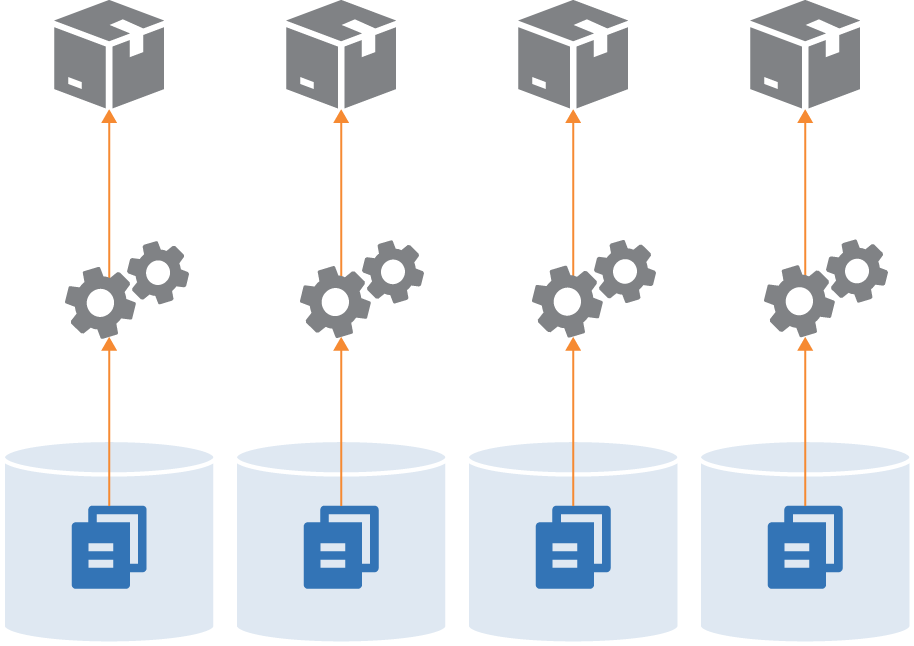
Customizing workflows within code repositories is essential for optimizing team performance and adapting to specific project needs. By tailoring workflows, teams can streamline processes, enhance collaboration, and ensure that all members are aligned with the project goals. This flexibility allows organizations to implement best practices that suit their development cycles, ultimately leading to higher productivity.
Role of Hooks and Integrations in Enhancing Repository Workflows
Hooks and integrations play a pivotal role in refining the workflows of code repositories. Hooks are custom scripts that execute automatically on specific events within the repository, such as committing code or pushing changes. These scripts can enforce coding standards, run automated tests, or send notifications to team members, ensuring that quality checks are embedded directly into the development process.
Integrations, on the other hand, allow repositories to connect with various external tools and services. For example, integrating Continuous Integration/Continuous Deployment (CI/CD) tools can automate the testing and deployment of code changes, reducing the overhead for developers and minimizing the risk of human error. Additionally, linking project management tools helps synchronize workflows, enhancing communication and task tracking.
To leverage hooks and integrations effectively, teams should consider the following tips for creating an efficient workflow that maximizes productivity and collaboration:
1. Define Clear Workflow Stages: Clearly Artikel the stages of development—from coding and testing to deployment—to minimize confusion and ensure everyone understands their responsibilities.
2. Automate Testing and Deployment: Utilize integrations with CI/CD tools to automate testing and deployment processes, allowing developers to focus on writing code rather than manual checks.
3. Implement Code Review Hooks: Set up hooks that require code reviews before merging changes. This practice not only maintains code quality but also encourages knowledge sharing among team members.
4. Use Notifications Wisely: Configure integrations to send relevant notifications, such as build failures or deployment successes, to keep all team members informed without overwhelming them.
5. Regularly Review and Refine Workflows: Conduct periodic reviews of the workflow processes to identify bottlenecks or areas for improvement. This adaptive approach ensures that workflows remain relevant and effective.
By effectively utilizing hooks and integrations, teams can enhance their code repository workflows, resulting in improved collaboration and productivity.
Ultimate Conclusion
In conclusion, the journey through Code Repositories reveals their critical role in modern software development. By adhering to best practices, understanding the tools available, and recognizing the importance of security and collaboration, developers can maximize the benefits of these platforms. As we look towards the future, embracing trends like AI and automation will further enhance our coding workflows, paving the way for innovation and community-driven success.
Detailed FAQs
What is a code repository?
A code repository is a storage location for software code that allows version control and collaboration among developers.
Why is version control important?
Version control is crucial for tracking changes, managing code history, and enabling multiple developers to work on a project simultaneously without conflict.
What are some common code repository platforms?
Popular platforms include GitHub, Bitbucket, and GitLab, each offering unique features and community support.
How can I enhance the security of my code repository?
Implement access controls, use secure coding practices, and perform regular audits to mitigate security risks.
What are CI/CD pipelines?
CI/CD pipelines are automated processes that allow for continuous integration and continuous deployment of applications, ensuring rapid and reliable delivery.
What are some best practices for organizing a code repository?
Best practices include structuring directories logically, maintaining clear documentation, and using consistent branch naming conventions.
How can I contribute to open source projects?
You can contribute by finding a project that interests you, understanding its contribution guidelines, and submitting changes or enhancements.
What is code review and why is it important?
Code review is the process of evaluating code changes by peers to ensure quality, functionality, and adherence to coding standards.
How do I migrate a code repository?
Migrating a code repository involves planning for minimal disruption, following defined steps for data transfer, and testing to ensure everything functions correctly post-migration.
How can I customize my code repository workflows?
Customization can be achieved through setting up hooks, using integrations, and tailoring workflows to fit your team’s development needs.