Cloud Computing is reshaping the way we think about technology and business operations. With its ability to provide scalable resources and innovative solutions, it has become a cornerstone of modern IT infrastructure. The transition from traditional computing to cloud solutions has not only streamlined processes but has also opened up new avenues for collaboration and efficiency.
As we delve into the evolution of Cloud Computing, we explore its historical milestones, the various service models it offers, the security challenges it presents, and its significant impact on business operations. This exploration offers insights into how this technology is influencing current practices and shaping the future.
The Evolution of Cloud Computing Over the Years
The journey of cloud computing has been nothing short of revolutionary, transforming how businesses operate and individuals utilize technology. Understanding its evolution provides insight into its current capabilities and future potential. The development of cloud computing is marked by significant milestones and technological advancements that have shaped its infrastructure and services.
In the early days of computing, the concept of centralized data storage and processing was birthed. The 1960s saw the emergence of time-sharing systems, allowing multiple users to access a single mainframe computer, laying the groundwork for cloud computing. These systems paved the way for the idea of accessing data and applications remotely. In the 1990s, the rise of the internet accelerated this evolution. Companies began offering software and services through online platforms, leading to the first instances of what we now recognize as Software as a Service (SaaS). Amazon Web Services (AWS), launched in 2006, marked a significant milestone as it provided on-demand cloud computing resources, enabling other businesses to scale operations without investing heavily in physical infrastructure.
Technological advancements continued to drive the development of cloud solutions. Virtualization technology emerged as a game changer, allowing multiple virtual machines to run on a single physical server. This optimization not only reduced costs but also increased resource utilization efficiency. The introduction of high-speed internet, alongside improvements in data storage and processing capabilities, further enhanced cloud computing’s appeal. Organizations could now leverage vast computing power and storage without the burden of managing hardware, leading to greater agility and innovation.
The evolution of cloud computing is also tied to early computing concepts such as grid computing and utility computing, which emphasized shared resources. These concepts have directly influenced modern cloud infrastructure, which is characterized by scalability, flexibility, and provider-managed resources. For instance, the idea of utility computing, where resources are metered and billed like a utility service, is intrinsic to how cloud providers offer their services today. As organizations increasingly adopt hybrid cloud models, integrating on-premises infrastructure with cloud solutions, the foundational concepts of shared and flexible computing continue to resonate.
Cloud computing has evolved tremendously since its inception, shaped by historical milestones and technological breakthroughs. This evolution highlights the importance of innovation in transforming how we think about and use technology.
The Different Models of Cloud Computing Services
Cloud computing services offer a variety of models to cater to different business needs, enhancing flexibility, scalability, and cost-effectiveness. Understanding these models is crucial for organizations looking to optimize their operations and leverage technology effectively. The three primary service models are Infrastructure as a Service (IaaS), Platform as a Service (PaaS), and Software as a Service (SaaS). Each model provides distinct functionalities that can profoundly impact a business’s digital strategy.
Overview of Cloud Service Models
The three main models of cloud computing services—IaaS, PaaS, and SaaS—each serve unique purposes and are suitable for different use cases. Here’s a brief comparison highlighting their features:
- Infrastructure as a Service (IaaS): IaaS provides virtualized computing resources over the internet. It offers essential infrastructure like servers, storage, and networking. This model allows businesses to rent IT infrastructure on a pay-as-you-go basis, eliminating the need for physical hardware.
- Platform as a Service (PaaS): PaaS offers a platform allowing developers to create, test, and deploy applications without dealing with the underlying infrastructure. It provides tools and services to streamline the development process, making it ideal for businesses focusing on application development and innovation.
- Software as a Service (SaaS): SaaS delivers software applications over the internet on a subscription basis. This model simplifies software management since the service provider handles maintenance and updates, allowing users to access applications from anywhere, usually via a web browser.
Businesses can choose the right cloud service model based on their specific needs, considering factors such as control, scalability, and the level of management required. Each model is advantageous depending on the situation:
“Choosing the right cloud model depends on your business goals, technical expertise, and resource availability.”
When selecting a model, organizations should evaluate their current infrastructure, budget constraints, and strategic goals. For instance, businesses requiring substantial control and customization may lean towards IaaS, as it allows them to configure their infrastructure as needed. This is particularly useful for enterprises with specific compliance or security requirements.
Alternatively, companies focused on application development may find PaaS suitable. It offers a robust environment for developing applications without the hassle of managing servers and storage, ideal for startups and agile teams looking to innovate rapidly.
On the other hand, SaaS is often the go-to model for businesses needing quick access to functional software without the complexities of installation or maintenance. This model suits small and medium-sized enterprises (SMEs) that wish to utilize applications like customer relationship management (CRM) or enterprise resource planning (ERP) without heavy investment in IT resources.
In summary, businesses must analyze their operational requirements, technical capabilities, and future growth plans when selecting a cloud service model. Making an informed choice will not only enhance efficiency but also align technology with business objectives, ensuring long-term success in an increasingly digital landscape.
Security Challenges in Cloud Computing
As organizations increasingly migrate to cloud computing environments, understanding the associated security challenges is crucial. The cloud offers numerous benefits, such as scalability, flexibility, and cost-effectiveness; however, these advantages come with unique vulnerabilities that can jeopardize data integrity, confidentiality, and availability. The shared responsibility model complicates security further, as it delineates the responsibilities of both the cloud service provider (CSP) and the customer.
Key Security Threats in Cloud Computing
The cloud landscape presents various security threats that organizations must address to protect their data and systems. Some notable threats include:
- Data Breaches: Cybercriminals are continually refining their techniques to exploit vulnerabilities. A data breach can lead to the unauthorized access of sensitive information, resulting in financial loss and reputational damage.
- Insider Threats: Current or former employees with access to systems can intentionally or unintentionally compromise security. This can happen through negligence or malicious intent, emphasizing the need for strict access controls.
- Insecure Interfaces and APIs: APIs are critical for cloud services but can introduce vulnerabilities if not properly secured. Attackers may exploit weaknesses here to gain unauthorized access to the cloud environment.
- Denial of Service (DoS) Attacks: These attacks aim to overwhelm cloud services, rendering them unavailable to legitimate users. This can significantly disrupt business operations and lead to financial losses.
The implications of these threats can be severe, impacting not just the organization but also its customers and stakeholders. Organizations must remain vigilant and proactive in addressing these challenges.
Best Practices for Enhancing Security in Cloud Environments
To effectively mitigate security risks in cloud environments, organizations should adopt a comprehensive strategy that includes the following best practices:
- Implement Strong Identity and Access Management (IAM): Utilize multi-factor authentication (MFA) and role-based access controls to ensure only authorized users gain access to sensitive data.
- Regularly Monitor and Audit Cloud Usage: Continuous monitoring helps in detecting unusual activities or vulnerabilities, allowing organizations to respond quickly to potential threats.
- Data Encryption: Encrypt data both at rest and in transit to protect sensitive information from unauthorized access and breaches.
- Security Training and Awareness: Educate employees about security protocols and the importance of best practices to reduce the likelihood of human error.
These practices align with the shared responsibility model, emphasizing the need for both CSPs and customers to work together in securing cloud environments.
Mitigating Risks through Proper Cloud Governance
Organizations can significantly reduce risks in cloud computing by implementing robust cloud governance frameworks. Effective governance involves establishing policies, procedures, and controls to manage cloud resources effectively. Key components of a governance strategy include:
1. Defining Clear Roles and Responsibilities: Assign specific roles to team members for managing cloud resources and security protocols. Clear accountability helps in preventing security lapses.
2. Establishing Compliance Policies: Organizations must adhere to legal and regulatory requirements relevant to their industry. Regular audits and compliance checks ensure that the organization meets these standards.
3. Standardizing Cloud Service Selection: Develop criteria for evaluating and selecting cloud services based on security, compliance, and cost-effectiveness. This ensures that only trusted providers are engaged.
4. Incident Response Planning: Prepare for potential security incidents with a well-defined incident response plan. This should include steps for identifying, responding to, and recovering from security events.
By promoting transparency and accountability within cloud governance frameworks, organizations can ensure that cloud resources are utilized securely and efficiently. Investing in proper governance not only enhances security but also builds trust with customers and stakeholders, positioning the organization for long-term success in the cloud landscape.
Cloud Computing’s Impact on Business Operations
The advent of cloud computing has fundamentally reshaped the landscape of business operations, enabling organizations to streamline processes, enhance efficiency, and reduce costs. By migrating to cloud-based solutions, companies are not only able to leverage advanced technologies but also gain a competitive edge in their respective markets. This transformation has been pivotal in how businesses manage resources, data, and customer relationships.
Cloud computing has transformed traditional business processes by facilitating real-time collaboration, improving data accessibility, and enabling scalable solutions that meet evolving business needs. One major shift has been the transition from on-premises infrastructure to cloud-based platforms, allowing companies to operate with greater flexibility and agility. This change is evident in various sectors, from retail to healthcare, where organizations have integrated cloud solutions into their workflows to enhance operational efficiency and customer service.
Successful Integration of Cloud Solutions
Several organizations have effectively integrated cloud computing into their operations, showcasing the significant advantages of this technology. For instance, Dropbox, a pioneer in cloud storage, transformed the way individuals and businesses store and share files. By offering a user-friendly platform that allows seamless access and collaboration, Dropbox has enabled companies to save time and resources on traditional file management systems.
Similarly, Netflix provides a compelling example of cloud adoption. By leveraging Amazon Web Services (AWS), Netflix has managed to scale its operations rapidly and reliably, ensuring that millions of users can stream content without interruption. This migration to the cloud has allowed Netflix not only to enhance user experience but also to optimize costs associated with infrastructure management.
Another notable example is General Electric (GE), which has embraced cloud computing to enhance its industrial operations. By utilizing cloud-based data analytics, GE has improved its manufacturing processes, enabling predictive maintenance and reducing downtime. This integration has led to significant operational improvements and cost savings, demonstrating the transformative power of cloud solutions across diverse industries.
Cost Advantages and Efficiency Improvements
The potential cost advantages and efficiency improvements realized through cloud adoption are profound and far-reaching. Organizations that migrate to cloud-based solutions often experience reduced capital expenditures, as they no longer need to invest heavily in physical infrastructure. Instead, they can opt for a pay-as-you-go model, allowing for more predictable budgeting and financial planning.
Additionally, cloud computing facilitates enhanced operational efficiency through automation and improved resource management. Businesses can deploy applications more rapidly, respond to market changes with agility, and allocate resources based on demand. This leads to significant savings in operational costs and increases overall productivity.
For example, a study by McKinsey found that companies that have adopted cloud technologies can achieve a 20-30% reduction in IT costs. Moreover, the ability to scale services quickly means that businesses can launch new products or expand into new markets without the constraints of traditional IT infrastructures.
As organizations continue to embrace cloud computing, they also benefit from improved data security and compliance measures. Cloud service providers invest heavily in security protocols, which are often beyond the reach of individual companies. This ensures that sensitive data is protected, further mitigating potential financial losses associated with data breaches.
Overall, the integration of cloud solutions into business operations not only streamlines processes but also fosters innovation, allowing organizations to thrive in a competitive environment while realizing substantial cost savings and efficiency gains.
Future Trends in Cloud Computing Technology
The landscape of cloud computing is undergoing a transformative evolution, driven by advancements in technology and changing business needs. Emerging trends such as serverless computing, edge computing, and artificial intelligence (AI) integration are shaping the future of how organizations deploy and manage their IT resources. These innovations not only enhance operational efficiency but also challenge traditional business models, making it crucial for enterprises to stay informed about these developments.
Serverless Computing
Serverless computing is an architecture that allows developers to build and run applications without managing the underlying infrastructure. This trend is rapidly gaining traction due to its ability to reduce operational overhead and costs. By abstracting server management, businesses can focus on coding and deployment, enabling faster time-to-market for applications. For example, platforms like AWS Lambda allow users to execute code in response to events without provisioning or managing servers.
The benefits of serverless computing include:
- Cost Efficiency: Businesses only pay for the compute time used, which can significantly lower costs.
- Scalability: Applications can automatically scale based on demand without manual intervention.
- Reduced Time-to-Market: Streamlined processes allow for rapid development and deployment.
However, challenges such as vendor lock-in, limited control over infrastructure, and complexity in debugging need to be addressed as organizations adopt this model.
Edge Computing
Edge computing involves processing data closer to the source rather than relying solely on centralized cloud servers. This approach minimizes latency and enhances the performance of applications, particularly in IoT environments where real-time data processing is critical. For instance, self-driving cars benefit from edge computing by processing data from sensors on the vehicle instead of sending it to a distant cloud server.
Key aspects of edge computing include:
- Enhanced Performance: Reduced latency offers better user experiences in applications like real-time analytics.
- Improved Bandwidth Efficiency: By processing data locally, businesses can save on bandwidth costs.
- Greater Security: Sensitive data can be processed locally, reducing exposure to cloud-based attacks.
Despite its advantages, challenges such as the need for robust security measures and the complexity of managing distributed infrastructure remain pertinent.
AI Integration
The integration of AI into cloud services is revolutionizing how businesses analyze and utilize data. AI can enhance cloud capabilities by offering predictive analytics, automated workflows, and improved decision-making processes. Companies like Google and Microsoft are already leveraging AI to optimize resource allocation and streamline operations.
The potential benefits of AI integration in cloud computing include:
- Data-Driven Insights: AI can identify patterns and trends, enabling informed business decisions.
- Automation: Routine tasks can be automated, allowing employees to focus on strategic initiatives.
- Personalization: AI can tailor services and products to individual consumer needs, enhancing customer satisfaction.
However, businesses may face challenges such as data privacy concerns and the need for skilled personnel to manage AI systems effectively.
As these trends evolve, they will significantly shape the landscape of IT and business solutions, offering innovative opportunities while also presenting new challenges for organizations to navigate.
The Role of Cloud Computing in Disaster Recovery
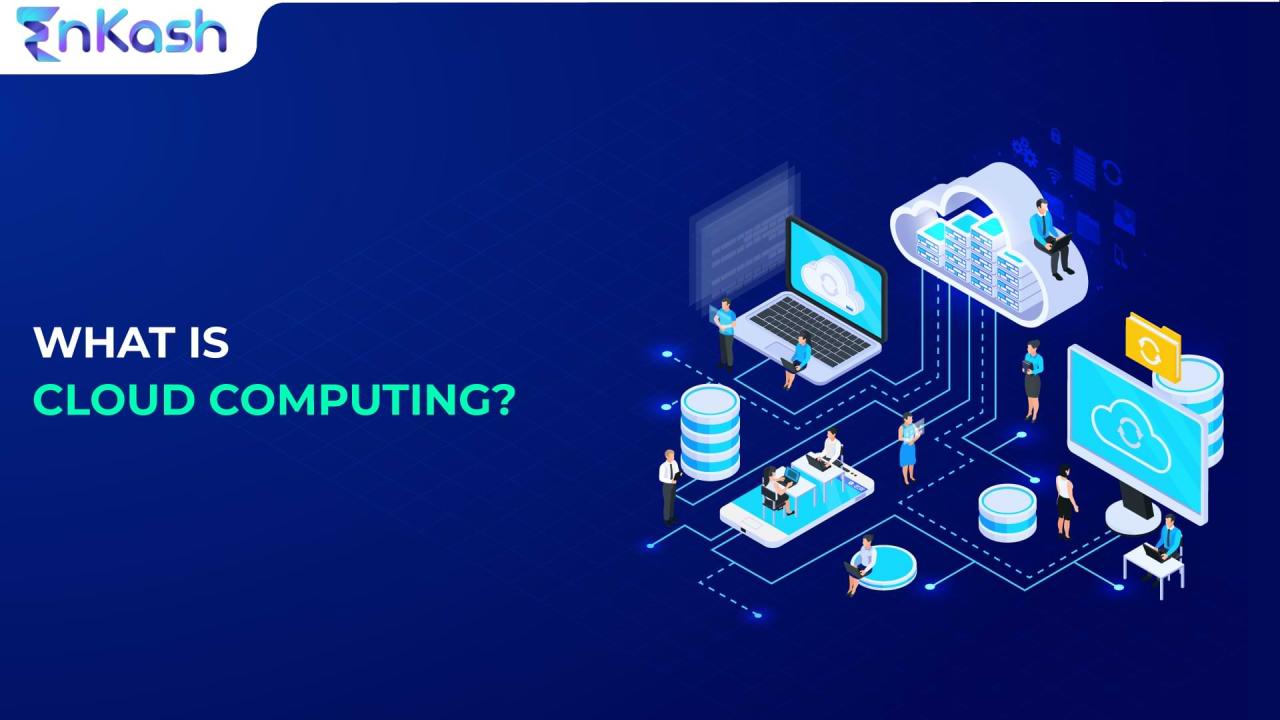
Cloud computing has revolutionized the way organizations approach disaster recovery and business continuity planning. By leveraging cloud solutions, businesses can ensure that critical data and applications remain accessible during unforeseen events, ranging from natural disasters to cyberattacks. This flexibility not only enhances operational resilience but also boosts overall confidence in an organization’s ability to withstand a crisis.
The importance of cloud computing in disaster recovery lies in its ability to provide scalable resources and rapid recovery options. Organizations can easily back up data and applications to off-site cloud environments, ensuring redundancy and availability. This shift from traditional on-premises solutions to cloud-based strategies simplifies the recovery process and minimizes downtime, which is crucial for maintaining business continuity.
Strategies for Ensuring Data Resilience in the Cloud
Implementing effective strategies for data resilience in the cloud is essential for ensuring that organizations can quickly recover from any disruptions. Key strategies include:
– Regular Backups: Consistently backing up data to the cloud prevents data loss and ensures that the latest versions are always available. Automated backup solutions can streamline this process, reducing the risk of human error.
– Multi-Region Redundancy: Storing backups in multiple geographical locations enhances data security and access. In the event of a regional outage, data can still be retrieved from another location.
– Disaster Recovery as a Service (DRaaS): Utilizing DRaaS enables organizations to outsource disaster recovery processes to cloud providers, ensuring expert management and faster recovery times.
– Testing Recovery Plans: Conducting regular tests of disaster recovery plans ensures that they remain effective and that staff are familiar with procedures. This practice identifies potential weaknesses and areas for improvement.
– Monitoring and Alerts: Implementing robust monitoring systems allows organizations to receive alerts about potential issues, enabling proactive management before problems escalate.
The advantages of using cloud solutions for backup and recovery processes are significant. Cloud computing offers cost-effective solutions that reduce the need for expensive on-premises hardware and resources. Additionally, the scalability of cloud services allows organizations to adjust their backup storage according to their needs without incurring extra costs or delays.
Cloud solutions also provide enhanced security measures, such as encryption and access controls, which safeguard sensitive data throughout the backup process. Furthermore, cloud-based recovery can be executed much faster than traditional methods, allowing organizations to resume operations quickly and efficiently. The integration of cloud technologies into disaster recovery plans not only safeguards data but also strengthens an organization’s resilience against unexpected challenges.
The Importance of Cloud Compliance and Regulation
In the rapidly evolving landscape of cloud computing, businesses face a multitude of regulatory challenges. Compliance with standards and regulations is essential not only for legal adherence but also for building trust with customers. Non-compliance can lead to severe penalties, reputational damage, and even operational disruptions. Understanding the key compliance standards is critical for organizations leveraging cloud services to ensure they operate within the legal frameworks pertinent to their industry and region.
Regulatory Challenges and Compliance Standards
Organizations utilizing cloud services must navigate a complex web of regulations that can differ significantly across industries and geographic regions. Various compliance frameworks exist, each catering to specific needs, such as data protection, privacy, and security. These frameworks include:
- General Data Protection Regulation (GDPR): Enforced in the European Union, GDPR mandates strict data protection and privacy guidelines for personal data, impacting all businesses processing EU citizens’ data.
- Health Insurance Portability and Accountability Act (HIPAA): In the United States, HIPAA sets the standard for protecting sensitive patient information in the healthcare sector, requiring robust security measures in cloud storage and handling.
- Payment Card Industry Data Security Standard (PCI DSS): This set of security standards is designed to ensure that all companies that accept, process, store, or transmit credit card information maintain a secure environment.
- Federal Risk and Authorization Management Program (FedRAMP): A U.S. government program that standardizes the security assessment, authorization, and continuous monitoring for cloud products and services.
Organizations can employ several strategies to ensure compliance while using cloud services. First, they must conduct comprehensive assessments to identify relevant regulations that apply to their specific operations. This involves understanding the data being handled, its geographic location, and the industry-specific requirements.
Next, organizations should implement strong data governance policies, which include continuous monitoring and auditing of cloud services. Using encryption techniques to protect sensitive data both in transit and at rest is critical. Additionally, organizations should work closely with cloud service providers to ensure they meet compliance requirements and provide necessary compliance documentation.
Lastly, employee training and awareness are vital. Regular training sessions can help staff understand compliance requirements and the importance of adhering to them, fostering a culture of security within the organization.
Maintaining compliance in cloud computing is not just about adhering to regulations; it is about establishing a foundation of trust and accountability that can significantly enhance a company’s reputation and operational integrity.
The Role of Cloud Computing in Enhancing Collaboration
Cloud computing has revolutionized the way teams collaborate, especially in an era where remote work is becoming increasingly prevalent. The shift to cloud-based solutions has allowed teams to work together seamlessly, regardless of their geographical locations. By leveraging cloud technology, organizations can enhance productivity, streamline communication, and foster a more inclusive work environment.
The integration of cloud computing into everyday business operations has significantly improved collaboration among teams and remote workers. With the ability to access documents and applications from anywhere, employees can participate in projects without being constrained by physical office spaces. This flexibility is particularly beneficial for distributed teams who operate across different time zones. The synchronization of files, real-time editing, and version control eliminate the confusion that often arises from traditional file-sharing methods.
Cloud-Based Collaboration Tools
Numerous collaboration tools powered by cloud technology have emerged, each offering unique benefits that cater to various organizational needs. These tools facilitate communication, project management, and content sharing, enhancing overall team efficiency. Some notable examples include:
- Google Workspace: This suite includes applications like Docs, Sheets, and Drive, allowing multiple users to collaborate on documents in real-time. The ease of sharing and commenting fosters dynamic interactions among team members.
- Microsoft 365: Featuring tools like Teams and OneDrive, Microsoft 365 enhances communication through chat and video conferencing, while simultaneously offering robust document management capabilities.
- Slack: A dedicated messaging platform that integrates with various cloud services, Slack promotes team communication through channels for different projects or topics, making information retrieval and discussion straightforward.
- Trello: A project management tool that utilizes boards, lists, and cards to organize tasks visually. Trello allows team members to collaborate on project timelines and deadlines effectively.
- Zoom: Though primarily known for video conferencing, Zoom integrates with many cloud applications, enabling teams to conduct meetings and share screens effortlessly during discussions.
The implementation of these tools not only improves communication but also enhances project management capabilities. Cloud-based solutions provide a centralized platform where team members can track progress, assign tasks, and set deadlines. This fosters accountability and ensures that everyone is on the same page, reducing the chances of miscommunication.
In addition, cloud computing allows for the integration of various tools, which can streamline workflow and optimize task management. For instance, project management tools like Asana or Monday.com can be linked with communication platforms like Slack to create a seamless workflow. This interconnectedness enables teams to receive updates in real-time, thereby accelerating decision-making processes.
Furthermore, cloud-based solutions often come with robust security measures that help protect sensitive information while ensuring compliance with regulations. This assurance allows teams to collaborate with confidence, knowing that their data is secure.
Cloud computing not only enhances collaboration; it transforms how teams communicate, share resources, and manage projects, leading to increased productivity and innovation.
Final Summary
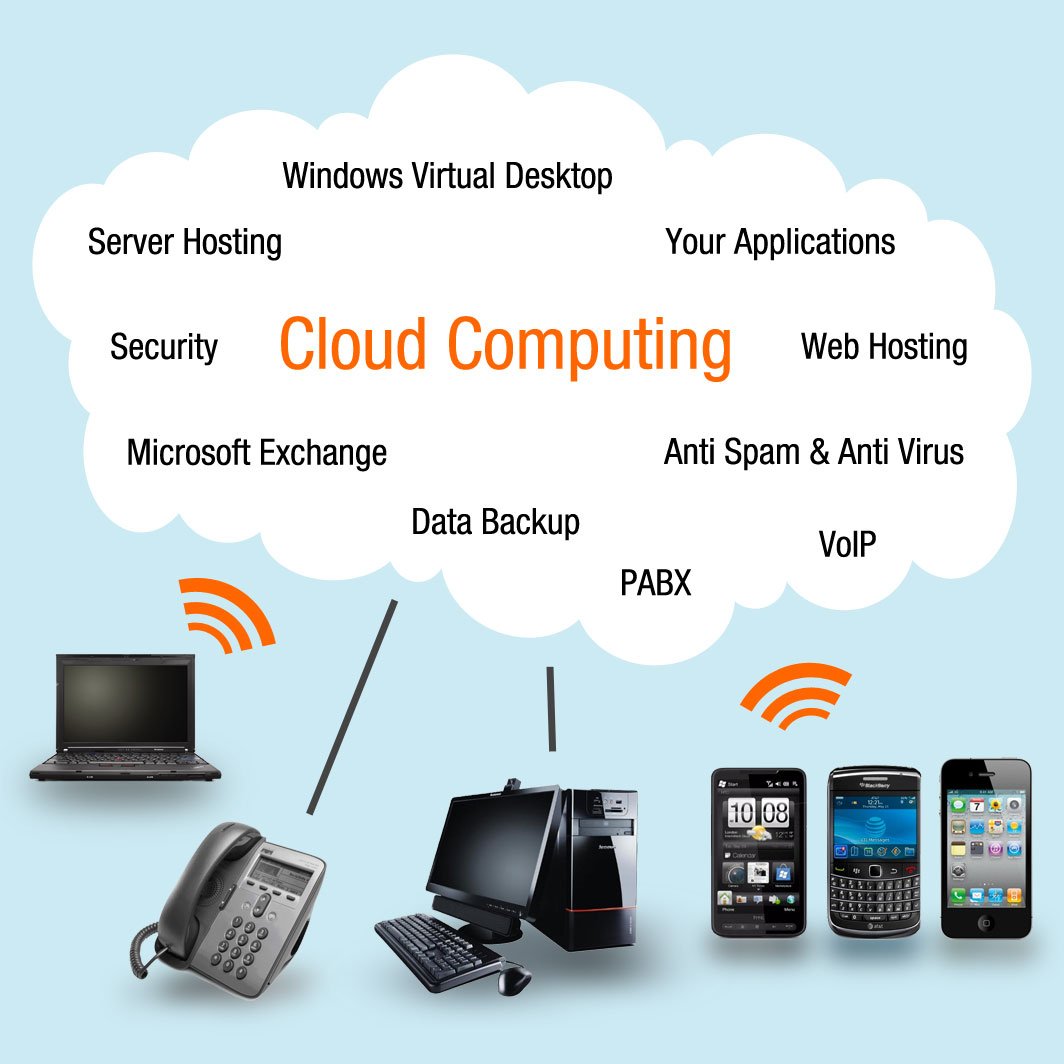
In conclusion, Cloud Computing stands at the forefront of technological advancement, continuously evolving to meet the dynamic needs of businesses. By understanding its various models, security implications, and compliance challenges, organizations can harness its full potential. As we look ahead to emerging trends and innovative solutions, the future of Cloud Computing promises to be both exciting and transformative.
FAQ
What exactly is Cloud Computing?
Cloud Computing refers to the delivery of computing services, including storage, processing power, and applications, over the internet, allowing for flexible resources and scalability.
How does Cloud Computing improve efficiency?
By leveraging Cloud Computing, businesses can reduce operational costs, streamline workflows, and improve collaboration among teams through easy access to shared resources and tools.
What are common security threats in Cloud Computing?
Common threats include data breaches, account hijacking, and insecure APIs which can compromise sensitive information stored in the cloud.
Can small businesses benefit from Cloud Computing?
Absolutely! Small businesses can utilize Cloud Computing to access powerful technologies without the need for significant upfront investments, making it easier to scale their operations.
What role does AI play in Cloud Computing?
AI enhances Cloud Computing by providing advanced analytics, automating processes, and improving decision-making through machine learning and data insights.