CleanTech (Green Tech) is revolutionizing the way we interact with our environment, paving the way for sustainable living through innovative technologies. This dynamic sector encompasses a range of practices and solutions designed to reduce our ecological footprint while enhancing quality of life. As we delve into the various aspects of CleanTech, from renewable energy sources to sustainable water management, you’ll discover how these advancements are shaping industries and influencing urban mobility.
With a historical context rooted in environmental sustainability, CleanTech has evolved significantly, impacting various sectors including transportation, construction, and energy. The interconnectedness of these technologies presents exciting opportunities for growth and change, making it essential for us to understand their implications for our future.
The Definition and Scope of CleanTech and Green Tech
CleanTech and Green Tech are terms that are often used interchangeably, yet they embody distinct concepts within the realm of environmental sustainability. CleanTech refers to technologies that improve operational performance while minimizing environmental impact, emphasizing efficiency and sustainability across various sectors. Conversely, Green Tech focuses specifically on environmentally friendly technologies, targeting the reduction of carbon footprints and promoting the use of renewable resources. Understanding these differences is vital for grasping the breadth of these technologies and their implications for our planet.
The historical context of CleanTech and Green Tech dates back to the industrial revolution when the need for sustainable practices began to emerge amid rising pollution levels. Over the decades, innovations such as solar panels, wind turbines, and energy-efficient appliances have evolved, spurred by growing awareness of climate change and resource depletion. Today, these technologies form the bedrock of various initiatives aimed at achieving a sustainable future.
Impact of CleanTech Across Various Sectors
CleanTech is making substantial strides in numerous sectors, reshaping industries and promoting sustainable practices. The following sectors have particularly benefited from the advancements in CleanTech:
- Energy Sector: The transition from fossil fuels to renewable energy sources, such as solar and wind, has revolutionized energy production. For example, countries like Germany and Denmark are now leaders in wind energy, significantly reducing their carbon emissions.
- Transportation: CleanTech innovations in transportation include electric vehicles (EVs) and biofuels, which are helping to reduce the reliance on gasoline and diesel. Tesla’s success in the EV market exemplifies the shift towards cleaner alternatives.
- Construction: Sustainable building materials and energy-efficient designs are reshaping the construction industry. Green buildings, like the Bosco Verticale in Milan, demonstrate how architectural design can harmonize with environmental principles.
- Agriculture: CleanTech applications in agriculture, such as precision farming and vertical gardens, enhance resource efficiency and reduce waste. For instance, hydroponic systems allow for year-round crop production with minimal water usage.
- Water Management: Technologies for water purification and efficient irrigation systems contribute to sustainable water usage. Desalination plants, such as those in Israel, showcase advancements in providing clean water in arid regions.
The impact of CleanTech is profound, fostering not only innovation but also encouraging a shift toward a more sustainable future. As these technologies continue to develop, their integration into various industries will be crucial for addressing the pressing environmental challenges of our time.
“CleanTech represents a promise of efficiency and sustainability, while Green Tech embodies the commitment to environmental responsibility.”
The Role of Renewable Energy in CleanTech Innovations
Renewable energy sources are at the forefront of CleanTech innovations, reshaping how we produce, consume, and interact with energy. As the world transitions away from fossil fuels, various renewable energy technologies are emerging, offering sustainable solutions to meet global energy demands while minimizing environmental impacts. Harnessing the power of nature not only contributes to reducing carbon footprints but also enhances energy security and economic resilience.
Renewable energy sources can be categorized into several types, each contributing uniquely to CleanTech advancements. These include:
- Solar Energy: Solar energy harnesses sunlight through photovoltaic cells or solar thermal systems. Innovations like bifacial solar panels and concentrated solar power (CSP) are leading to higher efficiency levels, making solar power more accessible and cost-effective.
- Wind Energy: Wind energy captures kinetic energy from wind through turbines. Recent developments such as floating wind farms and larger turbine designs enable harnessing wind energy in deeper waters, broadening the potential for wind energy generation.
- Hydroelectric Energy: Hydroelectric energy generates power through the movement of water. Technological advancements in micro-hydropower systems and pumped storage systems help in maximizing efficiency and minimizing ecological disruption.
- Geothermal Energy: This source taps into the Earth’s internal heat. Enhanced geothermal systems (EGS) are emerging as a viable option to utilize geothermal energy more effectively, especially in regions without natural geothermal resources.
- Biomass Energy: Biomass energy converts organic materials into usable energy. Innovations in bioenergy production, such as algae-based biofuels and waste-to-energy technologies, are paving the way for more sustainable waste management practices.
Technological Innovations in Renewable Energy
The innovations in renewable energy sectors are not only improving efficiency but also reducing costs, making these technologies more competitive with traditional energy sources. For example, the integration of advanced materials in solar panels is leading to increased light absorption and energy conversion efficiency. Wind turbines are becoming larger and more efficient, with some modern turbines capable of generating power even in low-wind conditions.
The integration of renewable energy with smart grid technology is another significant advancement. Smart grids incorporate information and communication technologies to enhance the efficiency, reliability, and sustainability of electricity services. This integration allows for real-time data monitoring and management, enabling consumers to optimize their energy usage.
“The future of energy is not just in generation but in smart management and efficient consumption.”
Smart grids facilitate the connection of decentralized renewable energy sources, such as home solar panels and community wind turbines, to the main grid. This leads to enhanced energy efficiency, reduced transmission losses, and improved grid stability. As energy storage technologies, like advanced batteries, become more widespread, the ability to store surplus renewable energy during peak generation times and deploy it when demand rises is reshaping energy consumption patterns, promoting a cleaner, more resilient energy landscape.
Sustainable Water Management Practices in Green Technology
Sustainable water management is becoming increasingly critical as global water scarcity intensifies. Green technology innovations are paving the way for efficient water purification and management, ensuring that our limited water resources are utilized wisely. This segment focuses on the latest practices in sustainable water management within the realm of CleanTech, exploring innovative solutions that contribute to a greener future.
Innovative Water Purification Methods
Advancements in water purification technologies are essential to address the challenges posed by polluted water sources. Several cutting-edge methods are being deployed to improve water quality and accessibility. Among these methods, membrane filtration technology, such as reverse osmosis and ultrafiltration, has gained traction due to its effectiveness in removing contaminants and pathogens. Additionally, solar water purification systems harness solar energy to distill water, providing a cost-effective and environmentally friendly solution for communities lacking access to clean water.
Wastewater Recycling and Rainwater Harvesting
Wastewater recycling and rainwater harvesting are two sustainable practices that significantly contribute to water conservation. Wastewater recycling, or water reclamation, involves treating used water to make it safe for reuse in various applications, including irrigation and industrial processes. This not only reduces the demand for freshwater but also minimizes the volume of wastewater discharged into the environment. Rainwater harvesting captures and stores rainwater for later use, providing a supplementary water supply and helping to alleviate pressure on existing water resources.
Technologies Enhancing Water Efficiency in Agriculture and Urban Settings
Various technologies are advancing water efficiency in both agricultural and urban contexts. These innovations serve to maximize water utility while minimizing waste. The following technologies exemplify this trend:
- Drip Irrigation Systems: These irrigation systems deliver water directly to the plant roots, significantly reducing water waste and improving crop yields.
- Smart Irrigation Controllers: These devices utilize weather data and soil moisture levels to optimize irrigation schedules, ensuring that plants receive the right amount of water at the right time.
- Rain Gardens: Designed to absorb rainwater runoff, rain gardens enhance groundwater recharge and prevent flooding in urban areas.
- Greywater Recycling Systems: These systems treat wastewater from sinks and showers for use in toilet flushing or landscape irrigation, effectively reusing water within households.
- Water-Saving Fixtures: Low-flow faucets, showerheads, and toilets are designed to reduce water consumption without sacrificing performance.
These technologies not only promote sustainable water management but also align with broader environmental goals, showcasing the potential of CleanTech in creating a sustainable future.
The Impact of Clean Transportation Solutions on Urban Mobility

The evolution of clean transportation solutions has significantly transformed urban mobility, paving the way for a more sustainable future. As cities grapple with increasing congestion and pollution, the adoption of electric vehicles (EVs) and innovative public transport systems have emerged as key strategies to combat these challenges. This section delves into the impact of these clean transportation solutions on urban environments, focusing on their contributions to reducing carbon emissions, enhancing efficiency, and promoting a healthier lifestyle.
Evolution of Electric Vehicles and Carbon Emission Reduction
Electric vehicles have undergone remarkable advancements in recent years, transitioning from niche products to mainstream options that are reshaping urban transportation. Modern EVs are equipped with cutting-edge technologies, including longer battery life, faster charging capabilities, and improved performance. As cities increasingly deploy EV charging infrastructures, the influence of electric vehicles on reducing carbon emissions becomes more pronounced.
In urban areas, the integration of electric vehicles has led to a significant decrease in greenhouse gas emissions. For instance, a report by the International Energy Agency (IEA) indicated that EVs could reduce carbon emissions in cities by up to 70% when charged with renewable energy sources. The resulting cleaner air not only benefits the environment but also enhances public health by reducing respiratory diseases linked to air pollution.
Innovative Public Transportation Systems Utilizing CleanTech Principles
Innovative public transportation systems have emerged as a cornerstone of clean transportation solutions, leveraging CleanTech principles to enhance urban mobility. Various cities worldwide serve as successful examples of integrating sustainability into public transport.
One notable example is the electric bus fleet in Shenzhen, China. The city has replaced over 16,000 diesel buses with electric ones, leading to a reduction of approximately 1.35 million tons of carbon emissions annually. Additionally, the introduction of smart public transport systems, such as those in Amsterdam, incorporates real-time data and AI to optimize routes and reduce congestion.
These systems not only provide efficient transportation options but also encourage a modal shift from private vehicles to public transit, decreasing traffic congestion and further lowering emissions.
Challenges and Potential Solutions for Integrating CleanTech in Transportation Infrastructure
Despite the promising advancements in clean transportation, several challenges hinder the seamless integration of CleanTech solutions into existing transportation infrastructure.
One major challenge is the need for substantial investments in charging infrastructure and maintenance of electric vehicles. Additionally, urban planners often face difficulties in retrofitting existing roadways to accommodate electric buses and other clean transport options.
To address these challenges, cities can explore a range of potential solutions:
-
Public-Private Partnerships (PPPs): Collaborations between government and private sectors can facilitate funding and expedite the development of charging infrastructures.
-
Incentives for Adoption: Financial incentives, such as tax breaks or subsidies for purchasing electric vehicles and public transport systems, can encourage greater acceptance.
-
Policy Frameworks: Implementing supportive policies that prioritize sustainable transportation can guide investments and infrastructure development.
-
Education and Awareness Programs: Increasing public awareness about the benefits of clean transportation can foster support and encourage adoption among residents.
These strategies can enhance urban mobility and contribute to a cleaner, more sustainable future for cities around the world.
Green Building Technologies
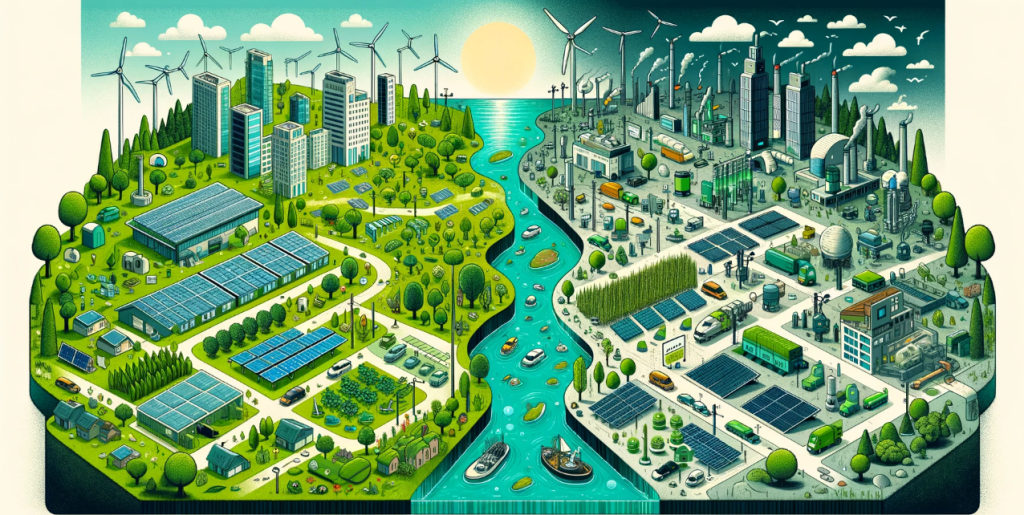
Green building technologies are at the forefront of sustainable construction, focusing on minimizing environmental impacts while enhancing the health and comfort of building occupants. These technologies are rooted in principles that prioritize energy efficiency, resource conservation, and the use of environmentally friendly materials. As the construction industry evolves, integrating these practices has become essential for addressing pressing environmental challenges.
The core principles of green building design include site selection, water efficiency, energy efficiency, materials selection, and indoor environmental quality. Technologies that support these principles encompass a range of innovative systems and processes, such as renewable energy installations, advanced HVAC systems, smart building technologies, and sustainable materials. By aligning construction practices with these principles, builders can create structures that not only perform better but also contribute positively to their surroundings.
Innovative Materials and Methods in Sustainable Construction
To minimize the environmental impact of construction, various materials and methods have emerged that embody sustainable practices. These advancements are critical in shifting away from traditional methods that often rely on resource-intensive techniques. The following materials are gaining traction in the green building sector:
- Recycled Materials: The use of recycled steel, glass, and plastics reduces the need for virgin resources and lessens landfill waste.
- Green Concrete: Innovations in concrete, such as incorporating fly ash or recycled aggregates, decrease the carbon footprint typically associated with its production.
- Insulation Materials: Eco-friendly insulation options, including cellulose made from recycled paper and sheep’s wool, offer effective thermal performance with lower environmental impact.
- Low-VOC Finishes: Volatile Organic Compounds (VOCs) can harm indoor air quality; therefore, using low-VOC paints, adhesives, and finishes is essential for creating healthier indoor environments.
These materials contribute to a more sustainable building process, reducing energy consumption, and promoting overall environmental health.
Comparison of Traditional Building Methods and CleanTech Practices
The contrast between traditional building methods and CleanTech-driven construction practices highlights significant advancements in sustainability and efficiency. Traditional construction typically emphasizes the use of conventional materials and energy sources, which can lead to higher resource consumption and waste generation.
- Energy Consumption: Traditional buildings often rely heavily on fossil fuels for heating and cooling, while CleanTech practices favor renewable energy sources, significantly reducing greenhouse gas emissions.
- Waste Generation: Conventional construction practices tend to produce substantial waste, whereas CleanTech emphasizes waste reduction through recycling and the use of pre-fabricated elements.
- Resource Utilization: Traditional methods often overlook the lifecycle impact of materials, while CleanTech strategies focus on sourcing locally and using sustainable materials, thereby minimizing transport emissions.
- Occupant Well-being: CleanTech designs prioritize natural light, ventilation, and safer materials, enhancing indoor environmental quality compared to the often stagnant conditions in traditional buildings.
In summary, the shift from traditional building practices to innovative CleanTech methods represents a significant step towards a more sustainable future in construction, aligning better with environmental goals and occupant welfare.
The Economic Benefits of Investing in Clean Technology
Investing in clean technology, often referred to as CleanTech, offers significant economic advantages that extend beyond environmental benefits. As the world increasingly shifts towards sustainable practices, CleanTech not only helps mitigate climate change but also fosters innovation and job creation, driving economic growth in various sectors. The financial landscape for CleanTech is filled with opportunities that can greatly benefit startups and established companies alike.
Financial Incentives and Funding Opportunities
The CleanTech sector is supported by numerous financial incentives and funding opportunities that facilitate the growth of startups and projects. Governments and private organizations are recognizing the importance of CleanTech in achieving sustainability goals and are providing substantial financial backing. Key financial incentives include:
- Grants and Subsidies: Many governments offer grants specifically aimed at CleanTech innovations. For example, the U.S. Department of Energy provides various funding programs to support renewable energy projects.
- Tax Incentives: Tax credits and deductions can significantly reduce the financial burden on CleanTech companies. In the U.S., the Investment Tax Credit (ITC) and the Production Tax Credit (PTC) incentivize investments in solar and wind energy respectively.
- Venture Capital and Angel Investments: There has been a surge in venture capital targeting CleanTech. Investors are increasingly seeing the potential for high returns in sectors like electric vehicles and energy storage.
- Crowdfunding Platforms: Startups in the CleanTech space have utilized platforms like Kickstarter and Indiegogo to raise capital directly from consumers who support sustainability initiatives.
Job Creation in the CleanTech Sector
The CleanTech sector is proving to be a significant driver of job creation, contributing to economic stability and growth. As investment in clean technologies increases, so too does the demand for skilled labor in various fields, including engineering, manufacturing, and installation of renewable energy systems. Job creation in this sector is not limited to direct employment; it also stimulates growth in adjacent industries.
Data from the International Renewable Energy Agency (IRENA) indicates that the renewable energy sector alone employed over 11 million people worldwide by the end of 2018, with projections suggesting this number may exceed 24 million by 2030. The ripple effects of this job creation can be seen in local economies, where increased employment leads to higher disposable incomes, fostering spending in community businesses and services.
Successful Case Studies of CleanTech Investments
Several case studies illustrate how strategic investments in CleanTech can lead to remarkable economic growth. These examples showcase the transformative potential of clean technologies on local and national economies:
- The Tesla Gigafactory: Situated in Nevada, the Tesla Gigafactory is a prime example of CleanTech investment leading to economic revitalization. The facility is expected to create thousands of jobs and has attracted numerous suppliers, enhancing the local manufacturing ecosystem.
- Denmark’s Wind Energy Sector: Denmark has heavily invested in wind energy, leading to job creation and making it a global leader in wind turbine manufacturing. The sector has contributed significantly to the country’s GDP while reducing greenhouse gas emissions.
- California’s Solar Energy Initiatives: California’s aggressive solar policies have resulted in a booming solar installation industry, creating over 75,000 jobs and generating billions in economic output. These initiatives demonstrate the capacity of CleanTech to foster economic resilience.
Policy and Regulation
The role of policy and regulation in driving CleanTech adoption is paramount, as these frameworks establish the guidelines within which innovation can thrive. Governments worldwide are recognizing the urgent need to transition towards sustainable energy solutions, prompting the implementation of various measures to support CleanTech initiatives.
Key policies and legislative measures have emerged globally, with countries enacting specific laws to bolster CleanTech development. These measures not only promote renewable energy but also encourage innovation in energy efficiency and sustainable practices. For instance, the European Union’s Green Deal aims to make Europe the first climate-neutral continent by 2050, reflecting a strong commitment to CleanTech. In the United States, the Inflation Reduction Act emphasizes investments in renewable energy technologies, showcasing a shift in federal priorities towards a greener economy.
Government Incentives for CleanTech Innovation
Government incentives play a crucial role in stimulating CleanTech innovation and adoption. These incentives can take various forms, each designed to lower barriers and encourage investment in sustainable technologies. Some prominent examples include:
- Tax Credits: Many countries offer tax credits for solar panel installations or electric vehicle purchases. For example, the U.S. federal tax credit for solar energy systems allows homeowners to deduct a significant portion of the cost from their federal taxes.
- Grants and Subsidies: Direct financial assistance can help startups and established companies offset development costs. The Renewable Energy Grant Program in Australia provides funding for innovative clean energy projects.
- Feed-in Tariffs: This policy guarantees fixed payments for renewable energy producers over a set period, encouraging investment in solar and wind energy. Germany has successfully utilized this mechanism to boost its solar power sector.
The effectiveness of these incentives is evident in the rapid growth of sectors such as solar power and electric vehicles, which have seen significant upticks in adoption rates due to supportive government measures.
Comparative Analysis of Regulatory Frameworks
Examining regulatory frameworks across different countries provides insights into the effectiveness of various approaches in fostering a CleanTech environment. Countries like Denmark and Germany are often cited for their robust regulatory frameworks that integrate renewable energy into their national grids efficiently.
The regulatory environment in Denmark encourages wind energy through a combination of long-term contracts and grid access guarantees, resulting in a leading position in wind power generation. Similarly, Germany’s Energiewende policy focuses on transitioning from fossil fuels to renewable sources, backed by substantial government investment and public support.
In contrast, regions with less robust regulatory frameworks may struggle with CleanTech adoption. For example, in some parts of the United States, varying state-level regulations can create confusion and hinder investment in sustainable technologies. This inconsistency demonstrates the importance of cohesive regulatory policies that create a welcoming environment for CleanTech innovation.
“Effective policy and regulation are the backbone of CleanTech adoption, ensuring that both individuals and businesses can contribute to a more sustainable future.”
The Future of CleanTech
As we look towards the horizon, the future of CleanTech is filled with promising trends and groundbreaking innovations that aim to revolutionize sustainability efforts across the globe. Emerging technologies are rapidly advancing, and their potential to reshape the way we interact with our environment is nothing short of remarkable. This new wave of CleanTech not only focuses on reducing emissions and conserving resources but also actively engages in promoting a circular economy and enhancing energy efficiency.
The integration of artificial intelligence and machine learning into CleanTech solutions is transforming the landscape of environmental technology. These advanced technologies enable smarter energy management, predictive maintenance of renewable energy systems, and sophisticated data analytics that optimize resource usage. For instance, AI algorithms can analyze vast datasets from energy consumption patterns to predict peak demand periods and adjust supply accordingly, maximizing efficiency and reducing waste.
Emerging Technologies in CleanTech
Several emerging technologies are set to play a pivotal role in enhancing sustainability efforts. These innovations are aimed at reducing carbon footprints and promoting an eco-friendly lifestyle. Key technologies include:
- Solar Energy Innovations: Advances in photovoltaic materials, such as perovskite solar cells, promise higher efficiency rates and lower production costs. These developments can make solar energy more accessible and affordable for consumers and businesses alike.
- Energy Storage Solutions: Breakthroughs in battery technology, including solid-state batteries and flow batteries, are crucial for energy storage, enabling the effective use of renewable energy sources like solar and wind even when the sun isn’t shining or the wind isn’t blowing.
- Carbon Capture and Utilization: Technologies that capture CO2 emissions from industrial processes and convert them into usable products, such as fuels or building materials, are gaining traction, offering a dual benefit of reducing emissions and generating new resources.
- Hydrogen Fuel Cells: The development of hydrogen as a clean fuel source, especially green hydrogen produced from renewable sources, is positioned to play a significant role in decarbonizing various sectors, including transportation and heavy industry.
Artificial Intelligence and Machine Learning in CleanTech
The incorporation of AI and machine learning into CleanTech is unlocking new efficiencies and capabilities. These technologies facilitate real-time monitoring and analysis, driving innovation in several critical areas:
- Smart Grids: AI systems can optimize electricity distribution by analyzing demand patterns and adjusting supply in real-time, thus enhancing grid stability and reducing energy waste.
- Predictive Maintenance: Machine learning models can anticipate equipment failures in renewable energy systems, reducing downtime and maintenance costs, which leads to greater reliability and efficiency.
- Resource Management: AI-driven tools enable precise monitoring of water usage and waste management, allowing companies and municipalities to optimize resource allocation and minimize environmental impact.
The Role of Public Awareness and Education in CleanTech
Public awareness and education are critical in shaping the future of CleanTech. As individuals become more informed about sustainability issues and the benefits of clean technologies, their collective actions can drive demand for greener solutions. Increased knowledge leads to:
- Consumer Choices: Informed consumers are more likely to choose sustainable products and services, creating a market for CleanTech innovations.
- Policy Support: Educated citizens are more likely to advocate for policies that support renewable energy, energy efficiency, and sustainable practices.
- Community Initiatives: Awareness fosters community engagement in local sustainability projects, such as tree planting, recycling drives, and energy conservation efforts, amplifying the impact of CleanTech innovations.
“The future of CleanTech is not just about technology; it’s also about empowering individuals and communities to make informed choices that lead to a sustainable world.”
Last Point
In conclusion, CleanTech (Green Tech) stands as a beacon of hope for achieving sustainability and combating climate change. With ongoing innovations and a collective shift towards eco-friendly practices, the potential for positive change is immense. By investing in these technologies and supporting policy-driven initiatives, we can ensure a greener planet for generations to come. It’s not just about technology; it’s about creating a sustainable world for everyone.
FAQ Overview
What is CleanTech?
CleanTech refers to technologies that promote sustainability and reduce environmental impact through innovative solutions in energy, water management, transportation, and more.
How does CleanTech benefit the economy?
Investing in CleanTech leads to job creation, economic growth, and the development of new markets focused on sustainable practices.
What are some examples of CleanTech innovations?
Examples include solar panels, electric vehicles, advanced recycling technologies, and smart grid systems that enhance energy efficiency.
Why is public awareness important for CleanTech?
Public awareness drives demand for sustainable solutions, encourages government support, and fosters a culture of sustainability that can lead to broader adoption of CleanTech innovations.
What role do policies play in CleanTech adoption?
Government policies and incentives are crucial for promoting CleanTech initiatives, providing funding, and establishing regulations that facilitate innovation and market entry.