Central Processing Unit (CPU) is the heart of every computer system, orchestrating the flow of data and instructions that power our digital experiences. From mundane tasks like word processing to high-performance gaming, the CPU’s role is pivotal in ensuring seamless operation and speed. As technology evolves, understanding the intricacies of the CPU becomes increasingly essential, providing insights into how our devices function and improve over time.
The CPU serves as the brain of the computer, interacting closely with components such as memory and storage, ensuring that information is processed efficiently. Its design directly influences the overall performance of a system, making it crucial for users to grasp its capabilities and limitations. In this exploration, we will delve into the various components of a CPU, its historical evolution, and its significant impact on computing performance.
The role of the Central Processing Unit in computer architecture
The Central Processing Unit (CPU), often referred to as the brain of the computer, plays a pivotal role in the overall architecture of computer systems. It serves as the primary component responsible for executing instructions from various programs and managing the data flow between other components. The CPU’s design and performance significantly influence the efficiency and speed of a computer, making it a fundamental aspect of computing.
The significance of the CPU in a computer system architecture can be understood through its relationship with other components such as memory and storage. The CPU communicates with the Random Access Memory (RAM) to retrieve data and instructions necessary for processing. This interaction is vital as RAM provides quick access to data, enabling the CPU to operate effectively. Additionally, the CPU interacts with storage devices (HDDs, SSDs) to read and write data. The speed at which a CPU can access memory and storage directly affects how quickly it can process information, thus impacting overall system performance.
Impact of CPU Design on System Performance
The design of a CPU encompasses various factors, including its architecture, clock speed, and the number of cores. Each of these elements plays a critical role in determining how efficiently the CPU performs tasks. For instance:
– Architecture: Modern CPUs are designed using various architectures, such as x86 and ARM. Each architecture has its own set of instructions and optimizations, which can lead to significant performance differences. For example, ARM processors are often found in mobile devices due to their energy efficiency, while x86 processors dominate desktop and server markets due to their powerful performance capabilities.
– Clock Speed: Measured in gigahertz (GHz), the clock speed indicates how many cycles per second the CPU can execute. A higher clock speed generally means better performance, as the CPU can process more instructions in a given time. However, it is essential to balance clock speed with thermal management and power consumption, as higher speeds can lead to overheating and increased energy usage.
– Number of Cores: A multi-core CPU can execute multiple instructions simultaneously, improving multitasking and parallel processing capabilities. For instance, a quad-core CPU can handle four threads of execution at once, significantly enhancing performance in applications designed to leverage multiple cores, such as video editing or gaming.
The relationship between these design elements and the CPU’s functionality illustrates the intricate balance required to optimize performance in a computer system. The synergy between the CPU, RAM, and storage ultimately determines the user experience, influencing everything from application load times to the speed of data processing tasks.
Understanding the components of a CPU
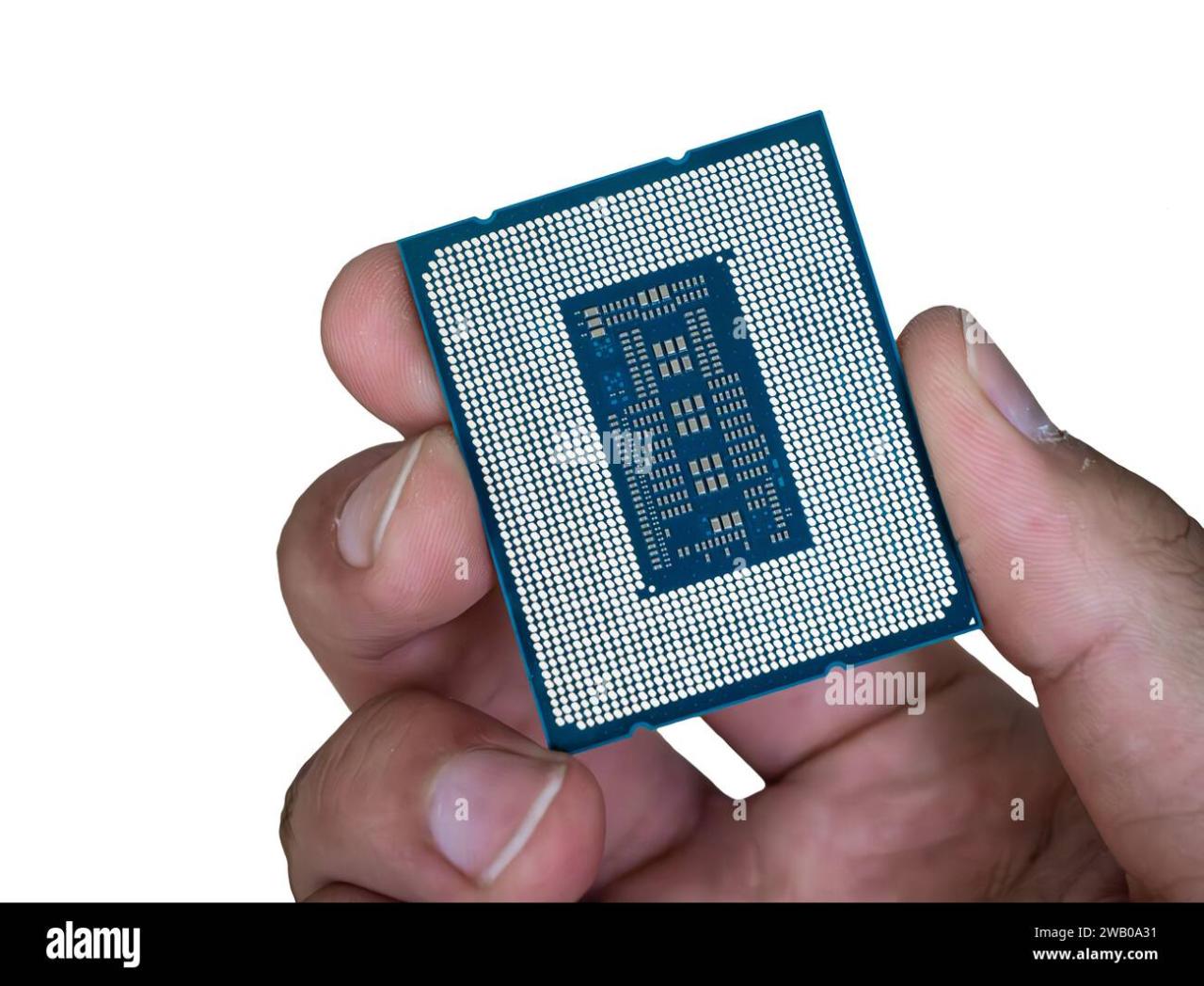
The Central Processing Unit (CPU) serves as the brain of a computer, executing instructions and processing data. To appreciate its functionality, it is essential to understand its key components, which include the Arithmetic Logic Unit (ALU), the Control Unit (CU), and registers. Each of these elements plays a vital role in the performance and efficiency of the CPU.
The ALU is primarily responsible for performing mathematical computations and logical operations. It handles tasks involving addition, subtraction, multiplication, and division, and it also conducts logical comparisons such as “greater than” or “equals.” This component is crucial for executing instructions that require arithmetic processing, allowing the CPU to carry out complex calculations swiftly and accurately.
The Control Unit orchestrates the operations of the CPU, directing data flow between the CPU and other components of the computer. It interprets the instructions from programs and sends control signals to the ALU, registers, and other components, ensuring that the right actions are taken at the right times. By managing these processes, the Control Unit enables the CPU to execute multiple instructions in a coherent sequence, thus maximizing efficiency.
Registers are small, high-speed storage locations within the CPU that temporarily hold data and instructions. They are essential for quick data access, as retrieving information from registers is significantly faster than accessing it from main memory. Different types of registers serve various functions, such as holding operands for operations, storing intermediate results, and maintaining the program counter, which tracks the sequence of executed instructions.
For a clearer perspective on these components, the table below summarizes their functions and descriptions:
| Component | Function | Description |
|---|---|---|
| Arithmetic Logic Unit (ALU) | Performs arithmetic and logical operations | Handles fundamental calculations and logical comparisons, essential for instruction execution. |
| Control Unit (CU) | Directs operations within the CPU | Coordinates the execution of instructions and manages data flow between CPU and memory. |
| Registers | Stores temporary data and instructions | Fast-access storage locations that hold data for quick retrieval during processing. |
The intricate collaboration between these components ensures that the CPU operates efficiently, responding swiftly to the demands of software applications and user inputs. Understanding these functionalities provides insight into the overall performance and capabilities of modern computing devices.
The evolution of CPU technology over the decades
The journey of CPU technology has been nothing short of revolutionary, driving the progress of computing from its humble beginnings to the sophisticated machines we use today. Starting with the first rudimentary microprocessors, each decade has ushered in advancements that have transformed how we interact with technology. This narrative explores key developments in CPU architecture and performance, revealing how innovation has shaped modern computing.
The evolution of CPUs can be traced back to the early 1970s, when Intel introduced the 4004, the first commercial microprocessor. This chip had a mere 4-bit architecture and operated at speeds around 740 kHz. As the 1980s rolled in, 16-bit processors became the standard, exemplified by the Intel 8086, which enabled more complex computing tasks, paving the way for personal computers. By the late 1980s and early 1990s, the demand for faster and more efficient processing led to the introduction of 32-bit processors, like the Intel 80386, which supported multitasking and enhanced performance.
As technology progressed into the 2000s, the focus shifted towards multi-core processors, allowing for simultaneous execution of multiple tasks. This architecture marked a significant departure from single-core designs, enhancing performance and energy efficiency. Modern processors, such as Intel’s Core i7 and AMD’s Ryzen series, feature multi-core configurations with advanced technologies like Hyper-Threading and simultaneous multithreading, which allow for better resource utilization. The leaps in architecture have also been propelled by advancements in manufacturing technology, with transistors shrinking to nanometer scales, leading to greater density and performance improvements.
Key milestones in CPU development
To appreciate the milestones in CPU evolution, it is essential to look at significant advancements over the decades. The following timeline Artikels critical developments that shaped CPU technology:
| Year | CPU Model | Key Features |
|---|---|---|
| 1971 | Intel 4004 | First microprocessor, 4-bit architecture |
| 1978 | Intel 8086 | Introduced 16-bit architecture, paved the way for PCs |
| 1985 | Intel 80386 | First 32-bit processor, enhanced multitasking capabilities |
| 2006 | Intel Core Duo | Introduced dual-core architecture, improved performance |
| 2011 | Intel Core i7 | Advanced multi-core technology, Hyper-Threading support |
| 2017 | AMD Ryzen | Competitive multi-core architecture, enhanced efficiency |
Throughout these decades, the evolution of CPU technology reflects a relentless pursuit of speed, efficiency, and processing power. As CPUs continue to advance, they play a crucial role in the broader landscape of technology, driving innovation in everything from personal computing to artificial intelligence.
The impact of CPU speed and performance metrics
CPU speed, measured in gigahertz (GHz), plays a fundamental role in determining the overall performance of a computer system. Higher clock speeds generally mean that the CPU can process more instructions per second, leading to a quicker execution of tasks. However, speed alone does not paint the full picture of a CPU’s efficiency. Various computing tasks, such as gaming, video rendering, or data analysis, may exhibit different sensitivity to CPU speed. This variability allows us to see that while a CPU with a high GHz rating can handle single-threaded tasks efficiently, it may not translate to better performance in multi-threaded applications without considering additional metrics.
Performance metrics like clock cycles, instructions per cycle (IPC), and benchmarks are essential in assessing how a CPU performs under various workloads. Clock cycles refer to the number of cycles a CPU completes per second, while IPC measures how many instructions a CPU can execute per clock cycle. A CPU with a high IPC can outperform a faster CPU with lower IPC on certain tasks. Benchmarks are standardized tests that measure CPU performance across various workloads, providing a comparative insight into how different CPUs handle specific tasks.
Several factors extend beyond mere speed that can significantly influence CPU performance. Understanding these factors is crucial for evaluating the true capability of a CPU in real-world applications.
- Core count: More cores allow for better multitasking and efficient handling of parallel workloads.
- Thermal management: Efficient cooling systems prevent CPUs from throttling during intensive tasks, maintaining performance.
- Architecture: Different microarchitectures can optimize how instructions are processed, affecting speed and efficiency.
- Cache size: Larger caches reduce latency by storing frequently used data closer to the CPU.
- Memory speed and type: Faster RAM can enhance data transfer rates, impacting overall performance.
- Power consumption: Efficient CPUs can deliver strong performance per watt, influencing mobile and embedded systems.
“A CPU’s effectiveness is not solely defined by its clock speed but involves a combination of design and supporting components.”
Understanding CPU cooling solutions and their importance
Effective cooling solutions are vital for maintaining CPU performance and ensuring a longer lifespan for your computer system. As CPUs generate heat during operation, excessive temperatures can lead to thermal throttling, reduced performance, and potential hardware damage. By effectively managing heat, cooling solutions help sustain optimal performance levels and prevent overheating, which can compromise system stability and reliability.
Various cooling methods are available, each with its advantages and drawbacks. The most common cooling techniques include air cooling, liquid cooling, and the application of thermal paste.
Cooling methods and their characteristics
To grasp the significance of different cooling options, it’s essential to understand how each method works and their overall effectiveness. Below is a comparison of the primary cooling solutions:
| Cooling Method | Pros | Cons |
|---|---|---|
| Air Cooling |
|
|
| Liquid Cooling |
|
|
| Thermal Paste Application |
|
|
Effective cooling solutions not only enhance CPU performance but also contribute to the overall longevity of the system. Understanding these methods enables users to make informed choices based on their specific needs and preferences, balancing performance with cost and maintenance considerations.
The role of CPUs in gaming and graphic-intensive applications
In the world of gaming and graphic-heavy applications, the Central Processing Unit (CPU) plays a crucial role in ensuring a smooth and enjoyable experience. While graphics cards often receive most of the attention for rendering stunning visuals, CPUs are equally vital as they manage the game’s logic, physics, and AI processes. This balance between the CPU and GPU is what dictates the overall performance, frame rates, and responsiveness in modern gaming.
CPUs influence gaming performance significantly by handling the underlying calculations necessary for gameplay. They manage tasks such as physics calculations, AI decision-making, and game environment interactions, which can heavily impact frame rates and latency. When a CPU operates efficiently, it can minimize bottlenecks that might prevent a GPU from performing at its best. Modern games often push the limits of CPU capabilities, with many titles now utilizing multiple cores and threads to distribute workloads effectively. This means that CPUs with higher core counts and higher clock speeds tend to deliver better gaming experiences, particularly in scenario-rich environments.
Key CPU Features Enhancing Gaming Experiences
Several key features of CPUs enhance gaming performance and overall user experience. Understanding these attributes can help gamers make informed choices when building or upgrading their setups.
- Core Count: More cores allow for better multitasking capabilities and improved performance in games optimized for multi-threading.
- Clock Speed: Higher clock speeds translate to faster processing times, which is essential for tasks requiring immediate calculations during gameplay.
- Cache Size: A larger cache reduces the amount of time the CPU spends retrieving data, thereby improving responsiveness and speed.
- Integrated Graphics: Some CPUs come with powerful integrated graphics, providing a budget-friendly option for casual gamers or those not focused on high-end graphics.
- Thermal Management: Efficient cooling solutions in CPUs help maintain performance during extended gaming sessions by preventing overheating.
Here is a list of popular CPUs favored by gamers, along with their key specifications that reflect their gaming prowess:
| CPU Model | Core Count | Base Clock Speed | Boost Clock Speed | Cache Size |
|---|---|---|---|---|
| AMD Ryzen 9 5900X | 12 | 3.7 GHz | 4.8 GHz | 70 MB |
| Intel Core i9-11900K | 8 | 3.5 GHz | 5.3 GHz | 16 MB |
| AMD Ryzen 5 5600X | 6 | 3.7 GHz | 4.6 GHz | 35 MB |
| Intel Core i5-11600K | 6 | 3.9 GHz | 4.9 GHz | 12 MB |
The interplay of these specifications illustrates how CPUs are integral to achieving optimal gaming performance. High-performance CPUs not only enhance frame rates but also improve the overall responsiveness of games, allowing users to immerse themselves in gameplay without interruption.
The future trends in CPU development and innovations
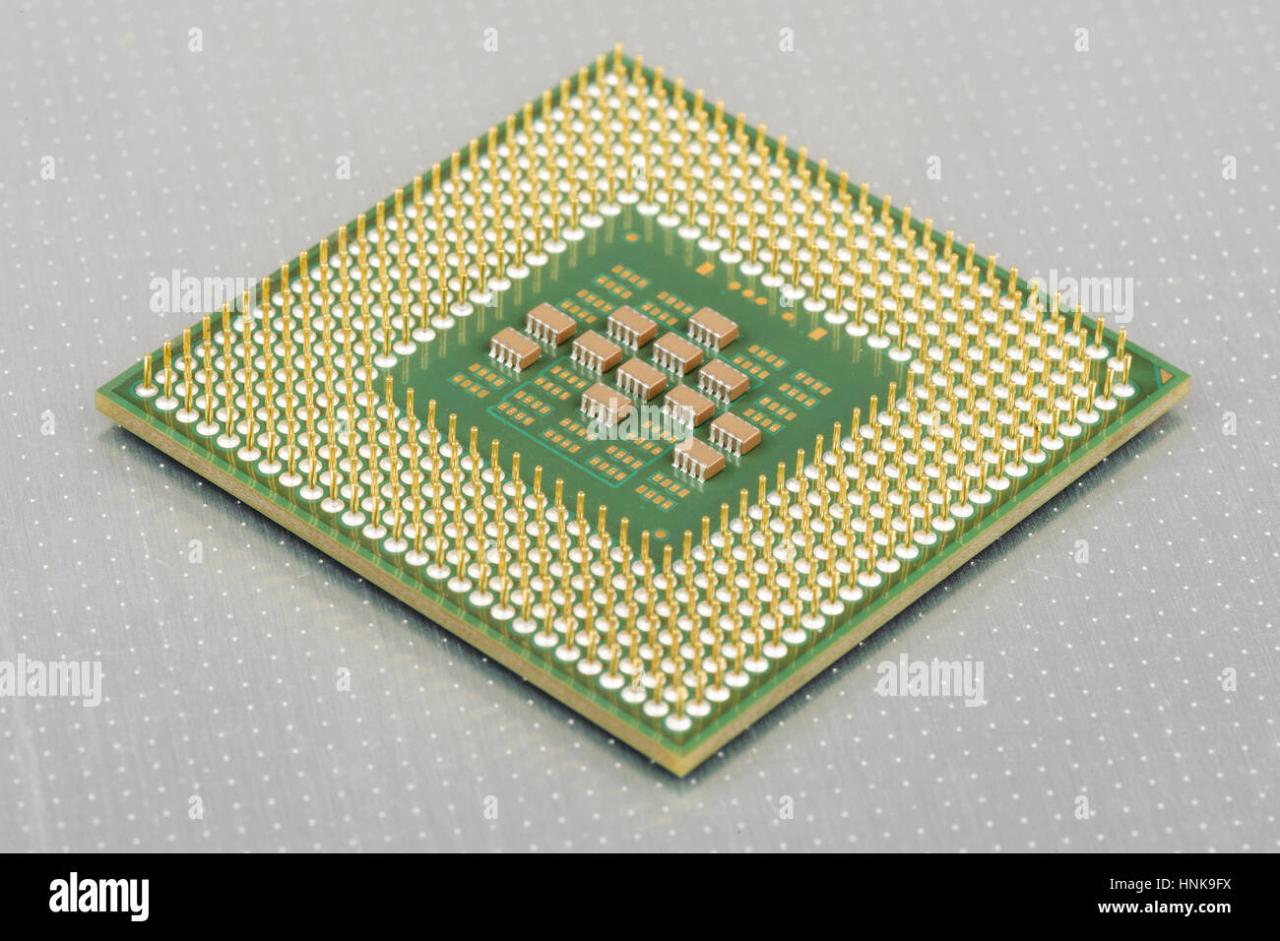
As we gaze into the horizon of technology, the evolution of Central Processing Units (CPUs) holds immense potential. With rapid advancements in the realms of quantum computing and artificial intelligence (AI), the CPU landscape is set to undergo revolutionary transformations. These innovations are not merely incremental; they have the power to redefine computing capabilities and open up new avenues across various industries.
The integration of quantum computing into CPU design represents a paradigm shift. Traditional CPUs rely on bits as the fundamental unit of information, which can either be in a state of 0 or 1. Quantum CPUs, on the other hand, utilize qubits that can exist in multiple states simultaneously, thanks to the principles of superposition and entanglement. This capability allows quantum CPUs to perform complex calculations exponentially faster than their classical counterparts. Industries such as pharmaceuticals, finance, and logistics stand to gain significantly from such advancements. For instance, drug discovery processes could be accelerated, enabling researchers to simulate molecular interactions at an unprecedented scale.
Artificial intelligence is also making its mark on CPU development. AI-driven design methodologies are enabling the creation of more efficient processors that can learn and adapt to specific tasks. These CPUs are designed to handle workloads that involve machine learning algorithms, enhancing the speed and efficiency of AI applications. In sectors such as autonomous driving, healthcare diagnostics, and personalized marketing, the ability to process vast amounts of data in real-time is crucial.
Potential future applications of advanced CPUs in everyday technology
The implications of advanced CPUs extend into our daily lives, with numerous potential applications that are poised to enhance user experiences and streamline processes. Below are some notable examples:
These advancements will empower a range of applications that could significantly impact our daily routines:
- Enhanced virtual assistants that understand and predict user needs more intuitively.
- Smart appliances capable of optimizing energy consumption based on real-time data analysis.
- Advanced gaming experiences with real-time rendering and AI-generated content.
- Rapid medical imaging and analysis tools that provide immediate diagnostics.
- Improved cybersecurity measures leveraging quantum encryption techniques.
- Personalized educational platforms that adapt to individual learning styles and paces.
- Smart transportation systems that optimize traffic flow and reduce congestion through predictive algorithms.
In conclusion, the integration of quantum computing and AI in CPU development is poised to reshape not only computing capabilities but also the very fabric of industries, enhancing productivity, innovation, and everyday technology interactions.
Closing Notes
In conclusion, the Central Processing Unit (CPU) is more than just a component; it is the driving force behind computer functionality and performance. As technology continues to advance, the CPU will remain at the forefront of innovation, adapting to meet the demands of modern applications and user needs. By understanding its evolution, components, and the factors influencing its performance, we can appreciate the vital role it plays in shaping our digital world.
Helpful Answers
What is the main function of a CPU?
The main function of a CPU is to execute instructions from programs by performing calculations and managing data flow between components.
How does CPU architecture affect performance?
CPU architecture influences performance by determining how efficiently it processes instructions, handles multiple tasks, and interacts with other hardware components.
What is the difference between a single-core and multi-core CPU?
A single-core CPU can process one instruction at a time, while a multi-core CPU can handle multiple instructions simultaneously, significantly improving performance.
Why is cooling important for a CPU?
Cooling is essential for maintaining optimal performance and longevity of a CPU, as excessive heat can lead to thermal throttling and potential damage.
What are some signs of a failing CPU?
Signs of a failing CPU may include unexpected system crashes, overheating, slow performance, and frequent error messages during operation.