Business Process Outsourcing (BPO) is an ever-evolving field that has become a crucial element for organizations looking to optimize their operations. As businesses strive for efficiency and competitive advantage, BPO provides a strategic avenue for delegating non-core functions to specialized service providers. This not only allows companies to focus on their core competencies but also to leverage the expertise of BPO providers who are adept in various operational domains.
Understanding BPO involves exploring its historical evolution, beginning with traditional outsourcing practices to the sophisticated, technology-driven methods we see today. The landscape is populated with key players who play significant roles in shaping trends and practices within the industry. Ultimately, BPO stands at the intersection of cost-saving measures and strategic growth, making it a vital topic for any business leader.
Understanding the Fundamental Concepts of Business Process Outsourcing
Business Process Outsourcing (BPO) has transformed the landscape of business operations through its strategic approach to managing non-core functions. By delegating specific business processes to third-party service providers, companies can focus on their core competencies, enhance efficiency, and reduce operational costs. This practice has gained significant traction in various industries, leading to a more competitive business environment. Understanding the fundamental principles of BPO is essential for organizations looking to leverage its benefits.
The fundamental principles of BPO revolve around efficiency, cost-effectiveness, and expertise. At its core, BPO allows companies to outsource specific functions such as customer service, accounting, human resources, and IT services. This not only streamlines operations but also enables businesses to access specialized skills and technologies that may not be available in-house. The focus on core business areas leads to improved productivity and innovation, as organizations can allocate resources more effectively.
Historical Evolution of BPO
The evolution of BPO can be traced back to traditional outsourcing practices, which primarily involved the transfer of manufacturing processes to countries with cheaper labor. Over the years, this paradigm shifted towards the outsourcing of services, particularly in IT and customer support. The rise of globalization in the 1990s further accelerated this trend, as companies sought to tap into international markets and optimize their supply chains.
In the early 2000s, technological advancements, such as the internet and telecommunications, facilitated the growth of modern BPO. This era introduced sophisticated service delivery models, including onshore, nearshore, and offshore outsourcing. Firms began to recognize the importance of selecting the right geographic locations based on factors such as language proficiency, time zone advantages, and cultural compatibility. This strategic consideration has since evolved into what is now termed as multi-sourcing, where organizations employ a combination of local and global providers to achieve optimal results.
Key Players in the BPO Industry
A variety of stakeholders contribute to the BPO ecosystem, each playing a significant role in its operation and growth. The key players in the BPO industry include service providers, clients, and regulatory bodies.
Service providers range from large multinational corporations to niche firms specializing in specific processes. They are responsible for delivering the outsourced services and ensuring quality and efficiency. Prominent examples of BPO service providers include Accenture, Teleperformance, and Concentrix.
Clients, typically corporations, leverage BPO services to enhance their operational capabilities. They define the requirements, set performance metrics, and maintain oversight over the contract.
Regulatory bodies and industry associations also play a critical role in establishing standards, compliance, and best practices within the BPO sector. These entities help ensure that the services provided are aligned with legal and ethical guidelines.
The successful integration of BPO into a business strategy hinges on selecting the right partners and establishing clear communication channels.
The Benefits of Implementing Business Process Outsourcing in Organizations

In today’s fast-paced business environment, organizations are continually seeking ways to improve efficiency, reduce costs, and enhance their competitive edge. Business Process Outsourcing (BPO) has emerged as a viable solution that allows companies to delegate non-core functions to specialized service providers. This strategic move not only helps streamline operations but also enables a sharper focus on the core competencies that drive business growth.
One of the most compelling advantages of implementing BPO is the significant cost reduction it offers compared to traditional in-house operations. Organizations often face high overhead costs associated with hiring, training, and maintaining a permanent workforce. By outsourcing certain business functions, companies can convert fixed costs into variable costs, allowing them to pay only for the services they require. This flexibility can lead to substantial savings in labor costs, technology investments, and operational expenses. For instance, a report by Deloitte noted that companies that outsourced operational tasks often reduced their costs by 20% to 30%.
Cost Reduction Compared to In-House Operations
To understand the financial benefits of BPO, it’s important to consider the various areas where cost efficiencies can be realized. The comparison between maintaining in-house operations and engaging BPO partners reveals several key points:
- Labor Costs: Outsourcing eliminates the need for a full-time workforce dedicated to non-core functions, reducing salaries, benefits, and workplace expenses.
- Technology Investment: BPO providers typically possess advanced technologies and infrastructure. By outsourcing, companies can avoid the high costs of purchasing and maintaining this technology in-house.
- Scalability: Outsourcing enables organizations to scale services up or down based on demand without the financial burden of hiring or laying off staff.
- Focus on Core Areas: By outsourcing non-core functions, companies can allocate resources and attention to strategic activities that drive growth and innovation.
The impact of BPO on enhancing a company’s focus on core competencies cannot be overstated. By delegating routine tasks such as customer service, payroll, or IT support, businesses can concentrate on their principal activities, whether that involves product development, marketing, or customer engagement. This shift allows organizations to be more innovative and responsive in their market, as they leverage their resources more effectively.
“Outsourcing non-core functions allows businesses to focus on what they do best, driving growth and competitive advantage.”
Moreover, working with specialized BPO providers means that companies benefit from expert knowledge and industry best practices. These vendors often have extensive experience in their specific domains, which can lead to improved efficiency and quality of service. This expertise not only enhances operational performance but can also lead to better customer satisfaction and retention rates, as service providers are equipped to deliver higher-quality experiences.
In summary, the implementation of BPO presents numerous advantages, including significant cost savings, increased operational efficiency, and a sharper focus on core business activities. By strategically outsourcing certain functions, organizations can not only survive but thrive in an increasingly competitive landscape.
Common Areas and Processes Outsourced by Businesses
Outsourcing has become a vital strategy for businesses aiming to improve efficiency, reduce costs, and focus on core activities. By delegating certain functions to external specialists, companies can streamline operations and leverage expertise not available in-house. Various functions are commonly outsourced across industries, contributing to productivity and innovation.
Several key processes are typically outsourced by businesses, allowing them to concentrate more on their core competencies while enhancing operational efficiency. The following are five important processes that organizations often choose to outsource:
Key Processes Often Outsourced
Outsourcing specific business processes can significantly impact overall productivity and efficiency. Here are five common areas where businesses tend to seek external support:
- Customer Service: Many companies outsource their customer service operations to specialized firms. This allows for 24/7 support, improved response times, and expert handling of customer queries, resulting in enhanced customer satisfaction.
- IT Services: Outsourcing IT support and infrastructure management helps organizations maintain cutting-edge technology without the overhead of an in-house team. This can include cloud services, cybersecurity, and software development, enabling businesses to focus on strategic initiatives.
- Human Resources: Functions like recruitment, payroll, and employee benefits administration are frequently outsourced. This enables businesses to reduce administrative burdens and access HR expertise, fostering a better work environment.
- Accounting and Finance: Outsourcing accounting tasks, including bookkeeping and tax preparation, allows businesses to ensure compliance and accuracy while freeing up internal resources for strategic financial planning.
- Marketing: Many companies outsource digital marketing functions such as social media management and content creation. This allows access to specialized skills and innovative strategies, leading to more effective brand management and outreach.
The impact of outsourcing these processes is profound. By leveraging external expertise, businesses can reduce costs and enhance their operational efficiency. Outsourcing often leads to improved service levels, faster turnaround times, and the ability to allocate resources more effectively, ultimately fostering innovation and growth. Organizations that adopt this approach can adapt to changing market demands swiftly, ensuring they remain competitive and agile in a dynamic business landscape.
The Challenges and Risks Associated with Business Process Outsourcing
Business Process Outsourcing (BPO) offers numerous advantages, but it also comes with its own set of challenges and risks that organizations must navigate. As companies increasingly rely on outsourcing to streamline operations and reduce costs, understanding these potential drawbacks becomes essential for effective management.
One significant concern associated with BPO is the potential loss of control over critical business functions. When organizations outsource, they often delegate key processes to external vendors, which may lead to misalignment in business goals and practices. This disconnect can result in varying levels of service quality and operational inefficiencies, ultimately affecting customer satisfaction and brand reputation. Additionally, communication barriers, such as language differences and time zone discrepancies, can hinder effective collaboration and lead to misunderstandings.
Security Concerns and Data Protection Issues
With the rise of digital data and information sharing, security concerns and data protection issues are at the forefront of BPO challenges. Outsourcing companies often handle sensitive customer data, including personal identification information and financial records. The risk of data breaches can pose significant threats to both the organization and its customers, potentially leading to financial loss and legal repercussions.
To emphasize the impact of these concerns, consider the case of a well-known healthcare provider that faced a massive data breach due to inadequate security measures in its outsourced operations. The breach not only resulted in a loss of patient trust but also led to costly fines and legal battles, demonstrating the critical importance of robust data protection in BPO environments.
To mitigate these risks, organizations can adopt several strategies:
- Vendor Due Diligence: Conduct thorough assessments of potential outsourcing partners, focusing on their security protocols and compliance with data protection regulations. Understand their data handling practices and past performance on security matters.
- Data Encryption: Implement strong encryption methods for data in transit and at rest to protect sensitive information from unauthorized access during the outsourcing process.
- Regular Audits: Schedule regular audits of BPO processes and security measures, ensuring compliance with organizational standards and relevant legal requirements.
- Employee Training: Provide comprehensive training for both internal staff and BPO employees on data protection best practices, focusing on recognizing and responding to security threats.
- Service Level Agreements (SLAs): Establish clear SLAs with outsourcing partners that Artikel security expectations, performance metrics, and penalties for non-compliance to hold them accountable.
Incorporating these strategies not only helps safeguard sensitive information but also builds a solid foundation for a trustworthy relationship with outsourcing partners. Organizations must remain vigilant and proactive in addressing these challenges to fully benefit from the advantages of BPO in today’s competitive landscape.
The Role of Technology in Business Process Outsourcing
The landscape of Business Process Outsourcing (BPO) has drastically evolved thanks to the advancements in technology. From traditional call centers to sophisticated digital solutions, technology acts as the backbone of modern BPO services. The integration of technologies like automation, artificial intelligence (AI), and machine learning has not only streamlined operations but has also significantly enhanced service delivery and customer experience.
The impact of technology on BPO services is profound and multifaceted. Automation tools have allowed companies to minimize human error and maximize efficiency in repetitive tasks, freeing employees to focus on higher-value activities. AI capabilities have transformed data analysis, enabling businesses to gain insights into customer behavior and operational performance quickly. Meanwhile, machine learning algorithms continuously improve the quality of services by learning from past interactions and adapting to new situations.
Impact of Automation, AI, and Machine Learning on Outsourcing
The influence of automation, AI, and machine learning on outsourcing cannot be overstated. These technologies have changed the way BPO firms operate, making processes more agile and responsive to market demands. The following points highlight the key benefits and transformations brought about by these advancements:
- Enhanced Efficiency: Automation reduces the time required to complete tasks, leading to faster turnaround times for service delivery. This is particularly evident in data entry and processing tasks where software bots can perform operations in seconds.
- Improved Accuracy: Automation minimizes human errors, ensuring that data is processed consistently and accurately. This reliability is crucial, especially in sectors like finance and healthcare, where mistakes can have significant consequences.
- Data-Driven Insights: AI and machine learning allow BPO providers to analyze vast amounts of data to identify trends and patterns. This insight can help in predictive analytics, enabling companies to anticipate customer needs and improve service offerings.
- Personalized Customer Experience: AI-driven chatbots and virtual assistants can provide personalized interactions, catering to individual customer preferences. This level of customization enhances customer satisfaction and fosters loyalty.
- Cost Reduction: By automating routine processes and leveraging AI, BPO companies can significantly reduce operational costs. This allows businesses to offer competitive pricing while maintaining quality services.
Numerous tools and platforms have played a pivotal role in enhancing BPO operations. For instance, robotic process automation (RPA) tools like UiPath and Automation Anywhere have become essential in automating manual, repetitive tasks. CRM systems like Salesforce integrate with AI analytics tools to provide a comprehensive view of customer interactions, helping businesses strategize effectively. Additionally, platforms like Zendesk leverage AI to streamline customer support processes, enhancing responsiveness and service quality.
Overall, the infusion of technology into BPO services is not just about cost savings; it’s about creating a more agile, informed, and customer-centric approach to business operations.
Evaluating the Success of Business Process Outsourcing Initiatives
When organizations invest in Business Process Outsourcing (BPO), they expect to enhance efficiency, reduce costs, and focus on core competencies. However, the success of these initiatives is not solely determined by initial savings or operational changes. A structured evaluation framework is essential to measure effectiveness over time and ensure continuous alignment with business goals.
A comprehensive framework for measuring BPO effectiveness involves several key elements. First, organizations should establish clear objectives for their BPO initiatives, whether related to cost efficiency, service quality, or customer satisfaction. Next, the implementation of a balanced scorecard approach can provide a holistic view of performance across different dimensions. This scorecard should incorporate both quantitative and qualitative metrics, ensuring a nuanced understanding of success.
Key Performance Indicators for BPO
To effectively gauge the success of BPO strategies, organizations should track several key performance indicators (KPIs). These KPIs help in monitoring progress and identifying areas for improvement. The following indicators are crucial:
- Cost Savings: Measure the reduction in operational costs compared to in-house processes.
- Service Level Agreements (SLA) Compliance: Monitor adherence to agreed-upon service levels, ensuring the quality of service delivery.
- Customer Satisfaction Scores: Collect feedback from end-users to assess satisfaction and identify areas needing attention.
- Turnaround Time: Evaluate the speed at which processes are completed, reflecting overall efficiency.
- Employee Productivity: Measure outputs to ensure that resources are being effectively utilized.
The importance of continuous improvement and feedback loops in BPO cannot be overstated. Organizations must create mechanisms for ongoing assessment and adaptation based on performance data. Implementing regular feedback loops allows for real-time adjustments to processes, ensuring that BPO strategies remain relevant and effective. By fostering a culture of continuous improvement, organizations can leverage insights gained from evaluations to refine their BPO partnerships and drive long-term value.
“Continuous improvement is the cornerstone of sustained success in Business Process Outsourcing.”
Future Trends in Business Process Outsourcing
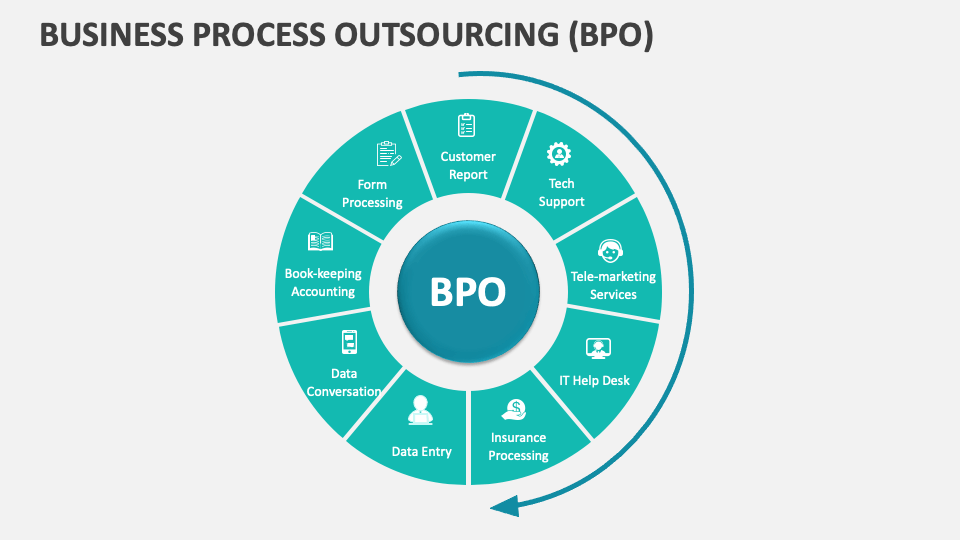
Business Process Outsourcing (BPO) continues to evolve in response to technological advancements and shifting market demands. As we look forward, several key trends are poised to shape the future landscape of BPO, affecting how businesses operate and interact with service providers. Understanding these trends is essential for organizations aiming to optimize their operations and enhance their competitive edge.
The rise of advanced technologies like artificial intelligence (AI), machine learning, and robotic process automation (RPA) is transforming BPO services. These innovations enable service providers to deliver faster, more accurate, and cost-effective solutions. Consequently, companies can achieve greater efficiencies while reallocating human resources towards more strategic functions. Additionally, data analytics is becoming a cornerstone of BPO, allowing businesses to harness insights gleaned from customer interactions and operational processes to inform decision-making and enhance customer experiences.
Shift towards Remote BPO Services
The COVID-19 pandemic accelerated the shift towards remote BPO services, leading to significant changes in operational dynamics. Organizations are increasingly leveraging remote teams to maintain business continuity while reducing overhead costs associated with physical office spaces. This shift has important implications for how businesses manage their operations.
1. Flexibility and Scalability: Remote BPO arrangements allow businesses to easily scale their operations up or down based on demand fluctuations. For instance, during peak seasons, companies can quickly onboard additional remote agents without the logistical challenges of hiring and training in-house staff.
2. Access to Global Talent: By adopting remote models, companies can tap into a diverse range of talent from various geographical regions. This diversification not only enhances the skill sets available but also fosters a more inclusive work environment.
3. Cost Efficiency: Remote BPO reduces the need for physical infrastructure, leading to significant cost savings. For example, organizations can save on utilities, rent, and other overhead expenses, allowing more budget allocation toward technology investments.
4. Enhanced Collaboration Tools: The remote work trend has driven the development and adoption of advanced collaboration tools that facilitate seamless communication and project management across distributed teams. Platforms such as Slack, Microsoft Teams, and Zoom have become essential in ensuring smooth operations in a remote setup.
Remote work in BPO is not just a trend; it’s a paradigm shift that redefines operational efficiency and workforce dynamics.
Globalization’s Influence on BPO
Globalization is significantly influencing the future trajectory of BPO, paving the way for companies to engage in a more interconnected and competitive marketplace. As businesses expand their reach across borders, the demand for BPO services that can operate in multiple languages and cultural contexts is increasing.
1. Emergence of New Markets: Growth in emerging economies is driving demand for BPO services. Countries like India, the Philippines, and various Eastern European nations have established themselves as leading BPO hubs due to their strong educational backgrounds and language proficiency.
2. Service Diversification: Globalization encourages BPO providers to diversify their service offerings beyond traditional call center functions. They are now venturing into specialized areas such as customer experience management, digital marketing, and IT services to meet the demands of global clients.
3. Cultural Competence: As companies serve international markets, the need for cultural sensitivity in service delivery is paramount. BPO providers are increasingly investing in training programs to equip their employees with the skills to navigate cultural nuances effectively.
4. Regulatory Compliance: With global operations come complex regulatory frameworks. BPO providers must stay abreast of the legal requirements in various countries, ensuring compliance to mitigate risks associated with data privacy and protection.
In summary, the future of BPO is being sculpted by technological advancements, the rise of remote work, and globalization. Companies that embrace these trends will be better positioned to thrive in an increasingly competitive landscape.
Real-World Examples of Successful Business Process Outsourcing
Business Process Outsourcing (BPO) has transformed the operational landscapes of businesses across the globe. By delegating specific tasks to external service providers, companies have improved efficiency, reduced costs, and refocused on core competencies. In this section, we will delve into notable examples of successful BPO implementations, highlighting the lessons learned and the significant impact on overall business performance.
Case Study: American Express
American Express, a leader in the financial services sector, embraced BPO to enhance its customer service capabilities. The company outsourced its customer support operations to a BPO provider in the Philippines, which allowed them to leverage the region’s skilled English-speaking workforce and cost-effective labor.
This strategic move resulted in a 30% reduction in operational costs while simultaneously improving customer satisfaction scores. By focusing on customer engagement strategies and utilizing advanced analytics, American Express was able to gain insights into customer behaviors and preferences, fine-tuning their service offerings.
Lessons learned from this implementation emphasize the importance of selecting the right partner and establishing clear communication channels. American Express’ experience shows that successful BPO is not merely about cost savings; it’s about enhancing service quality and customer experience.
Case Study: Dell
Dell, a global leader in computer technology, recognized the need to streamline its supply chain and customer support processes. To achieve this, they partnered with a BPO organization to manage their logistics and customer service operations. The BPO provider managed inventory, shipping, and order fulfillment, allowing Dell to focus on product innovation and market expansion.
The impact was significant: Dell reported a 20% increase in operational efficiency and a 15% enhancement in customer satisfaction ratings. By outsourcing these non-core functions, Dell could allocate more resources to research and development, resulting in innovative products that kept them ahead in a competitive market.
Key takeaways from Dell’s experience include the necessity of integrating BPO processes with in-house systems for seamless operation and the importance of continuous performance monitoring to ensure service quality.
Case Study: Unilever
Unilever, the multinational consumer goods company, utilized BPO to transform its finance and accounting functions. By outsourcing these processes to a specialized BPO firm, Unilever achieved a significant reduction in processing times and improved accuracy in financial reporting.
This decision led to approximately 25% cost savings and freed up internal resources to focus on strategic initiatives. Additionally, the partnership enabled Unilever to access advanced technologies and expertise that were not available in-house.
The lessons learned from Unilever’s BPO journey highlight the necessity of aligning outsourced functions with corporate goals and maintaining a strong partnership with the BPO provider to foster innovation and adaptability in rapidly changing markets.
Concluding Remarks
In summary, Business Process Outsourcing (BPO) has transformed the way organizations operate, presenting both remarkable opportunities and challenges. By embracing BPO, companies can achieve greater efficiency and focus on what truly matters, their core business. As technology continues to advance and the global market evolves, staying informed about BPO trends will be essential for any organization aiming for success in the future.
FAQ Corner
What types of processes are commonly outsourced?
Commonly outsourced processes include customer service, human resources, accounting, IT services, and marketing.
How do companies choose which processes to outsource?
Companies typically evaluate the cost-effectiveness, complexity, and strategic importance of processes before deciding to outsource them.
What are the risks associated with BPO?
Risks include data security concerns, loss of control over processes, and potential communication barriers with service providers.
How can businesses ensure quality in BPO services?
Establishing clear service level agreements (SLAs), regular performance reviews, and open communication channels can help ensure quality.
What role does technology play in BPO?
Technology enhances BPO through automation, AI, and advanced analytics, leading to improved efficiency and reduced operational costs.