In the rapidly evolving realm of wireless connectivity, Bluetooth Low Energy (BLE) stands out as a game-changer, offering a power-efficient alternative to traditional Bluetooth technology. This innovative protocol is designed for devices that require less energy while maintaining robust communication capabilities. With applications spanning health monitoring, smart homes, and beyond, BLE is reshaping how we interact with technology daily.
At its core, Bluetooth Low Energy utilizes a simplified communication model, allowing devices to transmit data with minimal power consumption, making it ideal for battery-operated gadgets. Its unique architecture distinguishes it from classic Bluetooth, ensuring a seamless integration into a plethora of applications that benefit from low energy use yet high functionality.
The fundamental principles of Bluetooth Low Energy technology
Bluetooth Low Energy (BLE) is a wireless communication technology designed specifically for short-range communication with minimal power consumption. Its core principles focus on enabling devices to connect and communicate efficiently, making it ideal for applications requiring low power usage while maintaining adequate data transfer rates. BLE is increasingly adopted in various sectors, including healthcare, fitness, home automation, and more, owing to its versatility and efficiency.
Bluetooth Low Energy operates on the same radio frequency as Bluetooth Classic, but it significantly differs in how it manages power and data transfer. BLE is optimized for low-power operation, allowing devices to remain in sleep mode for extended periods while still being able to transmit and receive data. This is achieved through mechanisms such as advertising packets and connection intervals, which are designed to minimize energy consumption. Unlike Bluetooth Classic, which maintains a continuous connection and higher data throughput, BLE’s connection is established only when needed, resulting in considerable energy savings.
Difference between Bluetooth Classic and Bluetooth Low Energy
Understanding the distinctions between Bluetooth Classic and Bluetooth Low Energy is crucial for selecting the appropriate technology for specific applications. The following points highlight the key differences:
- Power Consumption: BLE is designed for low-energy applications, allowing devices to run for months or even years on a small battery. In contrast, Bluetooth Classic consumes more power and may require frequent recharging.
- Connection Method: BLE establishes connections only when data is needed, utilizing a brief wake-up period to transmit information. Bluetooth Classic keeps a continuous connection, which may not be suitable for low-power devices.
- Data Transfer Rate: BLE typically has a lower maximum data rate of around 1 Mbps, which suffices for simple data exchanges. Bluetooth Classic, on the other hand, supports higher data rates, making it better suited for applications requiring continuous audio streaming or large file transfers.
- Applications: BLE is ideal for applications like wearables, smart home devices, and health monitoring systems, whereas Bluetooth Classic excels in audio and video streaming devices.
Applications benefiting from BLE technology
Bluetooth Low Energy technology enables numerous applications across various sectors, particularly those that prioritize energy efficiency and connectivity. The following examples illustrate how BLE can be utilized effectively:
- Health Monitoring Devices: BLE is widely used in wearable fitness trackers and medical devices, allowing continuous monitoring of heart rates, steps, and other health metrics while conserving battery life.
- Smart Home Devices: Devices such as smart locks, light bulbs, and sensors employ BLE to communicate with smartphones or central hubs, enhancing home automation experiences without draining power.
- Beacon Technology: BLE beacons are utilized in retail and advertising, enabling location-based services and personalized promotions by transmitting signals to nearby mobile devices.
- Asset Tracking: BLE tags help businesses track inventory and assets in real-time, providing insights into location and usage patterns with minimal energy consumption.
“Bluetooth Low Energy technology revolutionizes the way devices communicate, making it a cornerstone of the Internet of Things (IoT).”
The architecture and components of Bluetooth Low Energy
Bluetooth Low Energy (BLE) operates on a unique architecture designed for low power consumption while maintaining efficient communication in short-range wireless scenarios. This architecture is crucial for applications requiring long battery life, such as wearables, smart home devices, and health monitors. Understanding the components and structure of BLE is key to leveraging its capabilities effectively in various applications.
Components of Bluetooth Low Energy Architecture
The BLE architecture consists of several key components that facilitate communication between devices. Each component plays a specific role in ensuring efficient data transmission and energy management. The main components include:
- Bluetooth Controller: This is responsible for handling the lower layers of the Bluetooth stack, including radio frequency communication and managing connections.
- Host: The host encompasses the upper layers of the Bluetooth stack, including the application layer. It manages application logic and user interface interactions.
- Attribute Protocol (ATT): ATT allows for the exchange of data across the BLE connection by defining how data attributes are structured and accessed.
- Generic Attribute Profile (GATT): GATT provides a framework for defining services and characteristics, which enable devices to understand the types of data they can interact with.
Roles of Central and Peripheral Devices
In a BLE setup, devices can function as either central or peripheral, each playing distinct roles in the communication process. The central device, typically a smartphone or a computer, is responsible for scanning and initiating connections. It manages multiple peripheral devices and aggregates their data. In contrast, peripheral devices, such as heart rate monitors or fitness trackers, are designed to advertise their presence and respond to requests from central devices.
The interaction between these roles is crucial for efficient communication. Central devices can request specific data from peripheral devices, which only send information when prompted, conserving energy and extending battery life.
Overview of the BLE Communication Process
The communication process in BLE begins with the advertising phase, where peripheral devices broadcast their presence to nearby central devices. Central devices listen for these advertisements and initiate a connection when they identify a suitable peripheral.
The connection phase involves several steps:
1. Connection Request: The central device sends a connection request to the peripheral.
2. Connection Response: The peripheral acknowledges with a connection response.
3. Data Exchange: After establishing a connection, the ATT protocol facilitates data exchange, allowing the central device to read from or write to the characteristics of the peripheral.
The communication is characterized by low latency and efficient use of bandwidth, ensuring that even small data packets can be transmitted effectively without draining the battery life of the devices involved.
“Bluetooth Low Energy enables a seamless interaction between devices while prioritizing energy efficiency and performance.”
The advantages and limitations of Bluetooth Low Energy
Bluetooth Low Energy (BLE) has rapidly gained popularity across various sectors due to its energy-efficient communication capabilities. Designed specifically for low power consumption, BLE enables devices to communicate over short distances while maintaining a long battery life. This makes it particularly suitable for applications in health monitoring, smart home devices, and wearables, among others.
BLE brings a host of advantages that make it appealing for developers and users alike. Its primary benefits include low energy consumption, ease of integration, and seamless connectivity with a wide range of devices. The compact nature of BLE protocols and the ability to operate in the 2.4 GHz ISM band further enhance its accessibility and versatility.
Advantages of Bluetooth Low Energy
The advantages of BLE can be categorized into several key aspects that highlight its utility in modern applications:
- Energy Efficiency: BLE is engineered for minimal power usage, allowing devices to run longer on small batteries. This is crucial for wearables and IoT devices that require frequent communication without draining resources.
- Robust Connectivity: BLE allows devices to quickly establish a connection, often within milliseconds. This rapid connection setup is essential for applications such as proximity sensing and real-time data transfer.
- Interoperability: BLE operates across various operating systems and platforms, making it easier for developers to integrate with existing technologies, which promotes innovation and collaboration.
- Cost-Effectiveness: The low complexity of BLE hardware leads to reduced manufacturing costs. This is beneficial for companies looking to produce affordable smart devices.
Limitations and Challenges of Bluetooth Low Energy
Despite its numerous advantages, BLE does face limitations and challenges that can restrict its applicability in certain situations:
- Limited Range: The operational range of BLE is typically around 30 meters, which may not be sufficient for applications that require longer distances, such as wide-area network setups.
- Data Throughput: BLE is designed for transmitting small packets of data, which may not meet the requirements for high-bandwidth applications, such as video streaming or large file transfers.
- Interference with Other Devices: Operating in the 2.4 GHz band, BLE can be subject to interference from other wireless technologies, potentially leading to connectivity issues in crowded environments.
- Complex Security Considerations: While BLE includes various security features, the implementation of secure connections can be complex, leading to vulnerabilities if not managed correctly.
Scenarios Where BLE May Not Be Ideal
In certain cases, BLE may not be the best choice compared to other wireless technologies:
- High Data Rate Requirements: For applications that necessitate high-speed data transfers, technologies like Wi-Fi or 5G may provide superior performance over BLE.
- Long-Distance Communication: When devices need to communicate over distances greater than the typical BLE range, alternative solutions such as LoRa or cellular connectivity may be more suitable.
- Real-Time Applications with High Latency Tolerance: Applications requiring instant response times, such as real-time gaming or critical industrial control, may not perform optimally with BLE due to its inherent latency.
Practical applications of Bluetooth Low Energy in everyday life
Bluetooth Low Energy (BLE) has rapidly transformed various aspects of our everyday lives, seamlessly integrating into the fabric of modern technology. Its low power consumption and robust connectivity make it ideal for a wide range of applications, from health monitoring devices to smart home technologies. As we delve into these practical uses, it’s clear that BLE is more than just a buzzword; it’s a necessity in many sectors.
Health monitoring devices and fitness trackers
Health monitoring devices and fitness trackers have become increasingly popular, leveraging BLE technology to provide real-time data on user health metrics. These devices facilitate continuous health monitoring by maintaining a low energy footprint, ensuring users receive timely updates without frequent recharging.
Prominent examples include:
- Heart Rate Monitors: Many fitness bands and smartwatches utilize BLE to track heart rate continuously, sending data to smartphones for analysis and enabling users to monitor their cardiovascular health efficiently.
- Blood Glucose Meters: BLE-enabled glucose meters allow diabetic patients to track their blood sugar levels wirelessly. This data can be sent directly to mobile applications, aiding in better management of their condition.
- Wearable ECG Monitors: Devices like the Apple Watch use BLE to monitor heart rhythms, alerting users to potential irregularities that may require medical attention.
Innovative applications in smart home technology
Smart home technology has embraced BLE for creating a more connected and user-friendly environment. This technology facilitates communication between devices, enhancing efficiency and user interaction. The following innovations exemplify the role of BLE in smart homes:
- Smart Locks: BLE technology enables keyless entry systems that allow homeowners to lock and unlock doors remotely via their smartphones, offering convenience and improved security.
- Smart Lighting: BLE-enabled smart bulbs can be controlled through mobile apps, allowing users to adjust brightness and color, schedule lighting, and save energy.
- Smart Thermostats: Devices like the Nest Thermostat use BLE to learn user preferences, adjusting temperatures automatically and optimizing energy usage, all while being controllable from mobile devices.
- Home Security Systems: BLE is used in various security systems, enabling users to monitor surveillance cameras and receive alerts on their smartphones, thus enhancing home safety.
BLE technology not only makes these devices more efficient by reducing energy consumption but also enhances user experience through real-time data access and remote control capabilities. This blend of convenience and functionality underscores the importance of BLE in contemporary life.
Security features and vulnerabilities associated with Bluetooth Low Energy
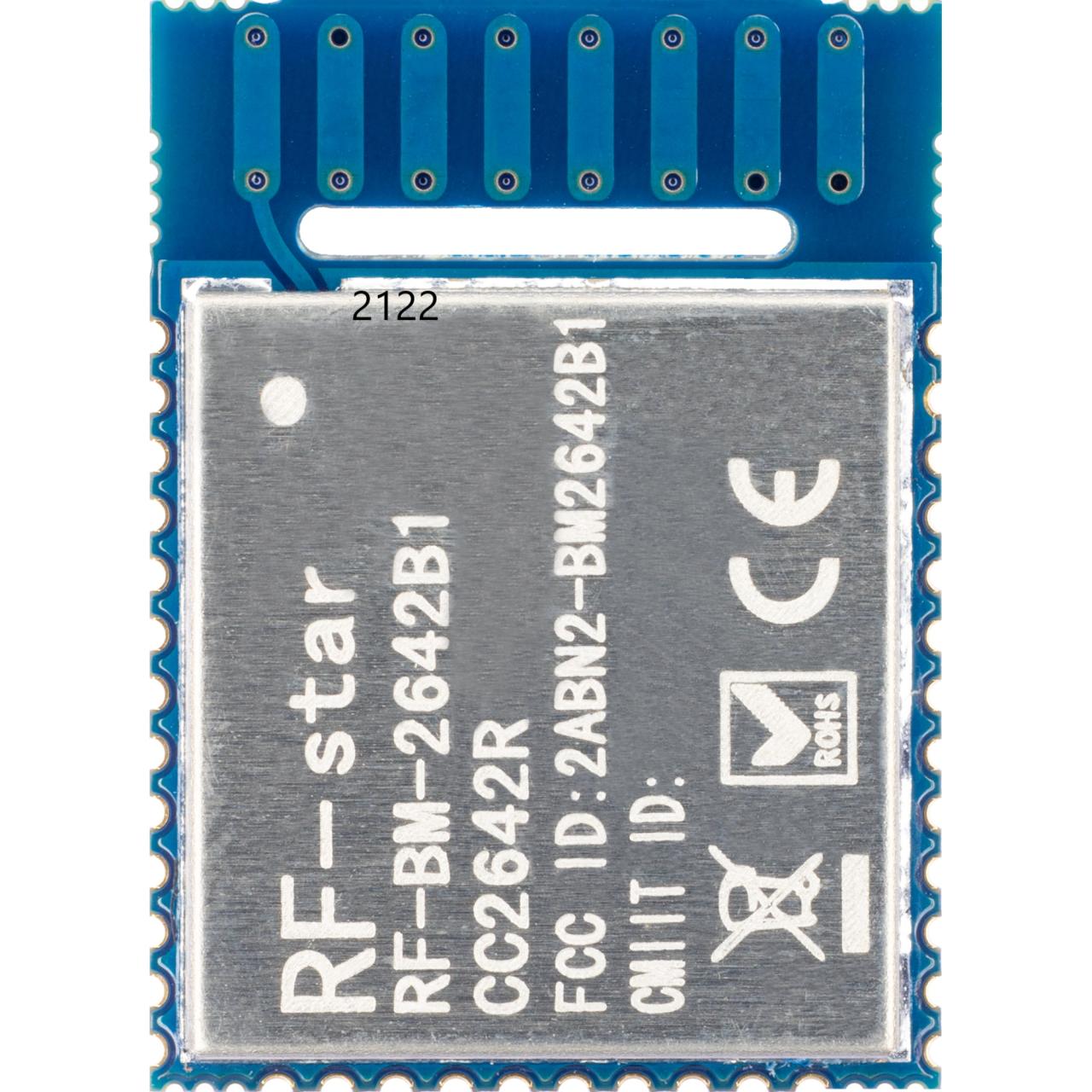
Bluetooth Low Energy (BLE) technology provides a set of security features to protect data transmission and user privacy. As BLE becomes increasingly prevalent in various applications, ranging from wearable devices to smart home systems, understanding the integrated security mechanisms and potential vulnerabilities is essential for developers and users alike. This segment delves into the security provisions of BLE and highlights the risks that can compromise its effectiveness.
Integrated Security Mechanisms
BLE employs several security features designed to safeguard connections and data exchanged between devices. Notable mechanisms include:
- Pairing and Bonding: BLE devices use pairing processes to establish a secure link. During pairing, devices exchange security keys that facilitate encrypted communication. Bonding refers to the process of storing these keys for future connections, which enhances user convenience and security.
- Encryption: The Advanced Encryption Standard (AES) is employed in BLE to encrypt data packets. This ensures that any intercepted data remains unreadable without the proper decryption key, significantly enhancing confidentiality.
- Authentication: BLE supports multiple authentication methods, including Just Works, Passkey Entry, and Numeric Comparison. These methods verify the identity of devices and help prevent unauthorized access.
- Privacy: BLE includes privacy features such as address randomization, which helps mitigate tracking of devices by changing their Bluetooth addresses periodically.
Potential Vulnerabilities and Threats
Despite these robust security measures, BLE is not without its vulnerabilities. Various threats can exploit weaknesses in the protocol, potentially compromising device security and user data. Common vulnerabilities include:
- Man-in-the-Middle (MitM) Attacks: If pairing methods like Just Works are used, attackers can intercept the pairing process and potentially gain access to the encryption keys.
- Replay Attacks: An attacker can capture and resend valid packets to perform unauthorized actions. Without proper nonce management, this can lead to unauthorized access or data manipulation.
- Denial of Service (DoS): Attackers may overload a BLE device with requests, causing it to become unresponsive or drain its battery rapidly.
- Device Tracking: While address randomization helps, some methods may still allow for tracking if the randomization interval is predictable or if other identifiers are used.
Recommendations for Enhancing Security
To bolster the security of BLE implementations, several best practices should be followed:
- Use Strong Pairing Methods: Implement secure pairing methods, such as Passkey Entry or Numeric Comparison, to mitigate the risk of MitM attacks during device connections.
- Regularly Update Firmware: Keeping device firmware up to date ensures that any known vulnerabilities are patched and that security features remain effective.
- Implement Secure Key Management: Ensure that encryption keys are managed securely and are not hardcoded into devices. Utilize techniques to securely generate and store keys.
- Monitor for Anomalies: Employ monitoring tools and techniques to detect unusual behavior or traffic patterns that may indicate a security breach or attack.
The future trends and developments in Bluetooth Low Energy technology
As Bluetooth Low Energy (BLE) technology continues to evolve, it remains at the forefront of wireless communications, especially in an increasingly interconnected world. The potential advancements in BLE are vast, driven by the need for efficient, low-power solutions that cater to a broad range of applications, from wearables to smart home devices. Understanding these emerging trends is crucial for stakeholders looking to harness the full capability of BLE in the future.
One of the primary trends is the increasing integration of BLE with the Internet of Things (IoT). As more devices become interconnected, BLE offers an efficient method for communication, enabling a seamless experience for users. The future of BLE technology is likely to see enhancements in data transfer speeds and ranges, making it more robust and suitable for various applications.
Integration with IoT and other technologies
The convergence of BLE with IoT and other technologies signifies a pivotal shift in how devices communicate. This integration is expected to impact several industries, including healthcare, smart buildings, and automotive sectors. The following points illustrate this integration’s importance:
- Smart Home Automation: BLE is increasingly adopted in smart home devices, facilitating communication between appliances, security systems, and user interfaces. Devices like smart thermostats and lights can be controlled via smartphones without draining battery life.
- Healthcare Innovations: BLE technology is utilized in medical devices that monitor patient health in real-time. Wearable devices can communicate vital data to healthcare providers, enhancing patient care while minimizing power consumption.
- Asset Tracking: Businesses leverage BLE in inventory management systems, allowing real-time tracking of assets. This capability improves operational efficiencies and reduces loss through enhanced visibility.
- Seamless User Experiences: BLE’s low power requirements and simplicity contribute to creating user-friendly interfaces. For instance, BLE beacons in retail environments provide personalized offers to shoppers’ smartphones, enhancing engagement.
The potential advancements in BLE also include improving security protocols as data privacy becomes increasingly critical. Enhanced encryption methods and authentication processes are necessary to safeguard user information, paving the way for secure BLE applications.
The future of Bluetooth Low Energy lies in its ability to integrate seamlessly with other technologies while maintaining low power consumption and enhancing user experiences.
As BLE technology continues to advance, organizations must stay ahead of market demands. The focus on developing more sophisticated applications that cater to specific industries will drive innovation. With the growing trend of smart cities emerging globally, BLE will play a significant role in enabling connectivity and interoperability among urban systems, such as traffic management, public transport, and environmental monitoring systems.
In summary, the landscape of Bluetooth Low Energy is set to evolve significantly over the coming years, driven by the integration with IoT and the need for innovative solutions across various sectors. The emphasis on efficiency, security, and user-centric designs will shape the future trajectory of this compelling technology.
Developing applications that utilize Bluetooth Low Energy
Developing applications that leverage Bluetooth Low Energy (BLE) technology can be an engaging process, combining creativity with technical expertise. BLE is particularly suited for applications that require low power consumption and short-range communication, making it ideal for IoT devices, wearables, and smart home technologies.
Creating an application that utilizes BLE involves several key steps, from ideation to deployment. Understanding these stages helps streamline the development process and ensures that the application meets user needs effectively.
Steps to Develop a BLE Application
The development of a BLE application can be broken down into specific steps that guide developers through the process. Each step is crucial to ensuring functionality and user satisfaction.
- Define the Application Use Case: Clearly Artikel the purpose of your application, its target audience, and the specific features you want to incorporate.
- Select a BLE-enabled Platform: Choose the hardware platform (like smartphones, tablets, or custom devices) that supports BLE communication.
- Choose a Programming Language: Depending on the platform, you may use languages such as Swift for iOS, Kotlin for Android, or JavaScript for web-based applications.
- Set Up Development Environment: Install the necessary development tools, such as Android Studio, Xcode, or Visual Studio, which support BLE development.
- Implement BLE Functionality: Utilize platform-specific SDKs or libraries to integrate BLE features, such as scanning, connecting, and data transfer.
- Perform Local Testing: Test the application on local devices to ensure that BLE connections and data exchange work correctly.
- Conduct User Testing: Involve real users in testing the application to gather feedback and identify any usability issues.
- Deploy the Application: Once testing is complete and issues are resolved, deploy the application to the relevant app stores.
Tools and Platforms for BLE Development
Selecting the appropriate tools and platforms is essential for effective BLE application development. The choice of technology impacts the overall performance and user experience of the application.
A variety of options are available for developers, each with its own strengths:
- Android Studio: Ideal for developing Android applications, it provides robust support for BLE features through the Android BLE API.
- Xcode: The preferred environment for iOS application development, it includes CoreBluetooth, a powerful framework for implementing BLE.
- React Native: A framework that allows for cross-platform development, enabling you to write BLE code that works on both Android and iOS.
- Node.js: Suitable for server-side applications, especially when working with BLE devices over the network.
- BLE libraries: Libraries like AltBeacon for Android or Bluejay for iOS can simplify BLE functionalities significantly.
Best Practices for Testing and Optimizing BLE Applications
Testing and optimizing your BLE application is crucial to ensure reliability and enhance user satisfaction. BLE applications can face unique challenges due to varying device capabilities and environmental factors.
To effectively test and optimize your application, consider the following best practices:
Conduct thorough testing under various conditions to ensure consistent performance.
- Test in Real Environments: Conduct tests in environments similar to where the application will be used, as physical barriers can affect BLE performance.
- Monitor Connection Stability: Use tools to check connection stability and data transfer reliability during testing to ensure uninterrupted communication.
- Optimize Power Consumption: Implement strategies to reduce power usage, such as optimizing the frequency of data transmissions and managing connection intervals.
- Gather User Feedback: Continuously collect feedback from users post-launch to identify areas for improvement and new feature opportunities.
- Regularly Update: Ensure that your application is regularly updated to fix bugs, improve performance, and comply with the latest BLE protocols.
Conclusive Thoughts
As we look to the future, the potential of Bluetooth Low Energy (BLE) continues to expand, promising exciting advancements in connectivity and technology integration. With its advantages in low power consumption and versatility, BLE is not just a fleeting trend but a foundational technology poised to enhance the Internet of Things (IoT) and beyond. Embracing BLE opens doors to innovative solutions that can significantly improve our daily lives, making it an essential area of focus for developers and consumers alike.
User Queries
What is the main difference between BLE and Bluetooth Classic?
The main difference lies in energy consumption; BLE is designed for low power usage, making it suitable for battery-operated devices, while Bluetooth Classic consumes more power but offers higher data rates.
Can BLE devices communicate with Bluetooth Classic devices?
No, BLE devices cannot communicate directly with Bluetooth Classic devices due to their different protocols and architectures.
What is the typical range of Bluetooth Low Energy?
The typical range of Bluetooth Low Energy is about 10 to 100 meters, depending on the environment, obstacles, and device configurations.
How does BLE enhance security for devices?
BLE enhances security through features like pairing mechanisms, encryption, and authentication, which help protect data during transmission.
What types of devices commonly use Bluetooth Low Energy?
Common devices include fitness trackers, smartwatches, health monitors, smart home devices, and various IoT gadgets.