Kicking off with Biometrics, this technology has transformed how we approach security and identity verification. From historical beginnings that trace back to ancient practices to the sophisticated systems in place today, biometrics has become an essential aspect of modern security frameworks. It utilizes unique biological characteristics to authenticate individuals, ensuring that only the rightful owners have access to sensitive information and areas.
As we delve deeper into the realm of biometrics, we will explore its evolution, the various types of biometric identifiers in use today, and the ethical implications surrounding their deployment. Each strand of this discussion uncovers the remarkable advancements that have propelled biometrics to the forefront of security solutions across numerous sectors, including healthcare, finance, and law enforcement.
Discuss the historical development of biometric technology and its significance in modern security systems.
The evolution of biometric technology traces back centuries, serving as a foundation for modern security systems that prioritize safety and identity verification. The concept of using physical characteristics for identification can be seen as early as ancient Egypt, where unique body markings and features were utilized for various societal functions. Over the years, biometrics has transformed significantly, driven by technological advancements and an increasing demand for secure identification methods.
Biometric technology has seen a remarkable timeline filled with key milestones that have reshaped its role in security. In the late 19th century, the first scientific method of identifying individuals based on fingerprints was established by Sir Francis Galton and later popularized by Alphonse Bertillon, who developed the anthropometric system for criminal identification. This laid the groundwork for modern fingerprint recognition systems.
Key Milestones in Biometric Technology
Several pivotal moments have influenced the development and integration of biometric systems into security frameworks. These milestones highlight significant technological breakthroughs that marked the evolution of biometrics:
- 1960s: The introduction of the mainframe computer allowed for the collection and analysis of fingerprint data at an unprecedented scale, facilitating law enforcement capabilities.
- 1980s: Advancements in digital image processing led to the development of automated fingerprint identification systems (AFIS), streamlining the process of matching fingerprints against large databases.
- 1990s: The advent of iris recognition technology emerged, leveraging the unique patterns of the iris for accurate identification. This technology offered a higher level of precision than traditional methods.
- 2000s: The introduction of facial recognition technology gained traction, particularly with the proliferation of digital cameras and computing power, enabling applications in security, surveillance, and consumer products.
- 2010s: The emergence of biometric authentication on consumer devices, such as smartphones using fingerprint sensors and facial recognition, revolutionized personal security and set the stage for widespread public acceptance.
- 2020s: Continuous innovations in biometric modalities, including voice recognition and behavioral biometrics, have expanded the scope and reliability of biometric systems, enhancing both security and user experience.
Technological breakthroughs have played a crucial role in transforming biometric applications over the decades. The integration of artificial intelligence and machine learning algorithms has significantly improved the accuracy and efficiency of biometric systems. For instance, deep learning techniques now enable systems to learn from vast datasets, enhancing facial recognition capabilities in diverse environments and lighting conditions.
As biometric technology becomes more ubiquitous, its significance in modern security systems is undeniable. It plays a vital role in identity verification across various sectors, including banking, healthcare, and law enforcement, offering a reliable solution to combat identity theft and enhance access control. The ongoing evolution of biometrics continues to shape the landscape of security, providing innovative solutions to meet the challenges of an increasingly digital world.
Analyze various types of biometric identifiers and their applications in different sectors.
Biometric identifiers have emerged as a cornerstone of security and identification systems across various industries. These technologies leverage unique biological characteristics to verify individual identities, thus enhancing both safety and efficiency. This analysis delves into four prominent biometric technologies: fingerprint recognition, facial recognition, iris scanning, and voice recognition. Each of these technologies has its own set of applications and effectiveness, making them suitable for different sectors.
Fingerprint Recognition Technology
Fingerprint recognition is one of the oldest and most widely used biometric identification methods. The uniqueness of fingerprints means that no two individuals have the same pattern, making this technology highly reliable. Fingerprint scanners use optical, capacitive, or ultrasonic sensors to capture the minutiae patterns of an individual’s fingerprint. Applications of fingerprint recognition span across various fields, including law enforcement for criminal identification, access control in secure facilities, and personal devices like smartphones and laptops.
In law enforcement, fingerprint databases such as the FBI’s Integrated Automated Fingerprint Identification System (IAFIS) can quickly match collected prints against millions of records. In the corporate sector, companies are adopting fingerprint scanners for employee attendance systems, enhancing workplace security. Moreover, as mobile technology advances, biometric fingerprint sensors are becoming increasingly common in consumer devices, allowing users to unlock phones and make secure transactions effortlessly. Despite its advantages, challenges such as fingerprint spoofing and the need for cleanliness on scanners persist, which can affect the reliability of the technology.
Facial Recognition Technology
Facial recognition technology utilizes algorithms to identify or verify individuals by analyzing facial features. By capturing key attributes like the distance between the eyes, nose shape, and jawline contour, this technology can provide accurate identification even in varied conditions. Facial recognition has found applications in surveillance, security, and marketing. For instance, airports and public places use it for crowd management and identification of individuals on watch lists.
In the retail sector, businesses analyze customer demographics through facial recognition to tailor marketing strategies effectively. Social media platforms also employ this technology for tagging suggestions in photographs. While facial recognition offers convenience and speed, its effectiveness can be hindered by factors such as lighting conditions and angle variability. Privacy concerns surrounding data storage and usage are significant as well, leading to legal and ethical debates on its implementation in public spaces.
Iris Scanning Technology
Iris scanning technology measures the unique patterns in the colored part of the eye, known as the iris. This biometric method is highly accurate due to the complex and distinct patterns found in each individual’s iris. Iris recognition systems capture a detailed image of the iris using near-infrared light and then convert it into a digital template for comparison. Its applications are prevalent in high-security environments such as governmental institutions, financial services, and border control.
Iris scanning is often seen in scenarios requiring robust security measures, such as immigration control at airports, where quick and accurate identification is essential. Additionally, it has gained traction in healthcare settings for patient identification, ensuring that medical records are correctly matched to the right individuals. The technology excels in terms of accuracy, with a low false acceptance rate, but is often more expensive to implement compared to other biometric systems. Furthermore, factors like eye injuries or contact lenses can interfere with accurate reading.
Voice Recognition Technology
Voice recognition technology identifies individuals based on their vocal characteristics. By analyzing speech patterns, pitch, cadence, and unique vocal traits, it can authenticate users effectively. This technology is extensively used in customer service applications, virtual assistants, and security systems. For example, banks and financial institutions employ voice recognition for secure telephone banking, ensuring that only authorized users can access sensitive information.
Virtual assistants like Amazon’s Alexa and Apple’s Siri utilize voice recognition for user interactions, making technology more accessible. In the field of security, voice biometrics is gaining attention for its potential to replace traditional password systems. However, challenges such as background noise and changes in voice due to illness or aging can affect recognition accuracy. Furthermore, there is a risk of spoofing through recorded voices, necessitating ongoing improvements in the technology to bolster security measures.
Multi-modal Biometrics and Its Benefits
Multi-modal biometrics combines two or more biometric identifiers to enhance verification accuracy and security. This approach addresses the limitations of individual biometric systems by leveraging the strengths of various identifiers, such as combining fingerprint recognition and facial recognition. The use of multiple biometric modalities significantly reduces the chances of false matches and improves overall reliability.
In settings like airports, employing multi-modal systems can facilitate smoother passenger identification while maintaining a high-security threshold. For example, an individual may present their fingerprint alongside facial recognition at security checkpoints, ensuring a comprehensive verification process. This layered security approach not only enhances safety but also builds user trust in biometric applications. Moreover, with advancements in technology, multi-modal biometrics is becoming increasingly manageable and cost-effective, making it an attractive option for a variety of sectors.
Examine the ethical implications and privacy concerns associated with biometric data collection and usage.
The integration of biometric data into various sectors has revolutionized the way individuals authenticate their identity. However, this convenience brings forth significant ethical implications and privacy concerns that warrant serious consideration. As biometric systems become increasingly prevalent, understanding the potential risks and regulatory frameworks surrounding this data is essential for safeguarding individual privacy rights.
The storage and processing of biometric information present unique challenges. Unlike traditional passwords, biometric data is inherently personal, tied directly to an individual’s physical characteristics. The irreversible nature of biometric identifiers raises concerns about identity theft and unauthorized access. Once biometric data is compromised, it cannot be changed or reset, leading to potential long-term consequences for those affected.
Risks Involved in Storing and Processing Biometric Information
The risks associated with biometric data collection are multifaceted. Organizations must recognize and address these vulnerabilities to ensure the responsible use of such sensitive information. Key risks include:
- Data Breaches: Biometric databases can be attractive targets for cybercriminals. A successful breach can expose vast amounts of personal data, leading to identity fraud.
- Surveillance and Tracking: The use of biometric data can enable enhanced surveillance capabilities, allowing organizations or governments to track individuals without their consent.
- Informed Consent Issues: Many individuals may not fully understand how their biometric data will be used, leading to ethical dilemmas regarding informed consent.
- Discrimination: Improper use of biometric data could result in discriminatory practices, especially if data is biased against certain demographic groups.
Regulations and Policies Governing Biometric Data
To address privacy concerns, various regulations have been established to govern the use of biometric data. For instance, the General Data Protection Regulation (GDPR) in the European Union provides robust protections for personal data, including biometrics. It mandates explicit consent for data collection and Artikels stringent penalties for non-compliance. In the United States, laws such as the Illinois Biometric Information Privacy Act (BIPA) set clear guidelines for the collection and storage of biometric data, requiring organizations to obtain consent and establish data retention policies.
Implementing regulations aids in creating a framework that prioritizes individual privacy while allowing organizations to leverage biometric technology responsibly.
Mitigating Privacy Concerns in Biometric Systems
Organizations implementing biometric systems are increasingly adopting strategies to mitigate privacy concerns. These strategies contribute to maintaining user trust while fostering innovation. Effective measures include:
- Data Encryption: Encrypting biometric data both in transit and at rest reduces the risk of unauthorized access and data breaches.
- Decentralized Storage: Utilizing decentralized systems allows for biometric data to be stored locally rather than in a central database, reducing the risk associated with large-scale breaches.
- Regular Audits: Conducting routine audits helps ensure compliance with data protection regulations and identifies potential vulnerabilities in the biometric systems.
- Transparency Initiatives: Providing clear information about data usage and retention policies fosters trust and empowers users to make informed decisions about their biometric data.
“The ethical implications of biometric data collection extend beyond security; they touch upon fundamental human rights.”
As biometric technologies continue to evolve, addressing these ethical implications and privacy concerns remains paramount. Prioritizing individual rights through robust regulations and responsible practices will be essential in shaping a future where technology and privacy coexist harmoniously.
Explore the role of biometrics in enhancing user authentication and identity verification processes.
The integration of biometrics into authentication systems significantly transforms how identities are verified in various industries. By leveraging unique physical or behavioral traits, biometric technology minimizes fraud and enhances security.
Biometric authentication systems operate by capturing specific biological characteristics and converting them into a digital format for comparison. Common modalities include fingerprint scanning, facial recognition, iris recognition, and voice recognition. The process typically involves several steps:
1. Enrollment: The user’s biometric data is collected and stored in a secure database.
2. Feature Extraction: Key features from the captured biometric sample are extracted and transformed into a mathematical representation.
3. Matching: When a user attempts to authenticate, their biometric sample is captured and the features are extracted again for comparison against the stored data.
4. Decision: A match or non-match is determined based on predefined thresholds.
The advantages of biometric systems over traditional methods such as passwords or PINs include:
- Enhanced Security: Biometric traits are unique to individuals, making it extremely difficult to replicate or share.
- User Convenience: Biometrics eliminate the need to remember complex passwords, simplifying user access.
- Speed: Authentication through biometrics is generally faster, providing immediate access without manual input.
- Non-transferability: Unlike passwords, biometric identifiers cannot be lost or forgotten, ensuring that access is strictly controlled.
Challenges in adopting biometric solutions for identity verification
While the benefits of biometrics are compelling, organizations face various challenges when implementing these systems. Some of the primary challenges include:
- Privacy Concerns: The collection and storage of biometric data raise issues regarding data privacy and potential misuse.
- High Implementation Costs: Initial setup costs for biometric systems can be significant, especially for smaller organizations.
- Technical Limitations: Environmental factors can affect biometric accuracy. For instance, poor lighting can impact facial recognition systems.
- Public Acceptance: Users may be hesitant to adopt biometric solutions due to concerns over surveillance and data security.
Future trends in user authentication and the evolution of biometrics
The future of user authentication is likely to see continued advancements in biometric technology, driven by emerging demands for security and convenience. Key trends include:
- Multi-Modal Biometric Systems: Combining different biometric methods (e.g., fingerprint and facial recognition) can enhance security and usability.
- Wearable Technology: Integration of biometric sensors in wearables is expected to grow, allowing for seamless authentication in everyday devices.
- AI and Machine Learning: The use of AI algorithms will improve the accuracy of biometric systems by adapting to variations in biometric inputs.
- Decentralized Biometric Data Storage: Blockchain technology may enable more secure storage solutions, giving users greater control over their biometric information.
As biometrics continue to evolve, organizations must stay abreast of advancements to address challenges while leveraging the technology’s potential to enhance security and user experience.
Investigate the impact of biometric technology in the healthcare sector and patient management.
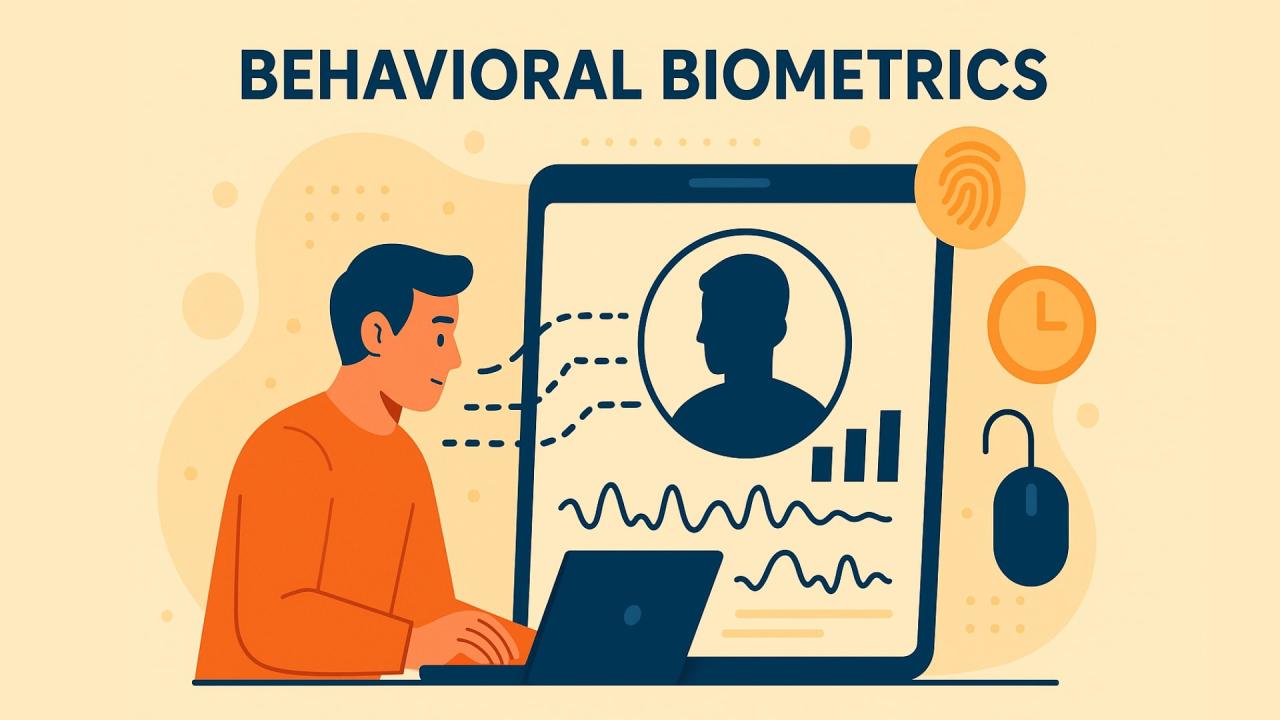
The integration of biometric technology into the healthcare sector has garnered attention for its potential to revolutionize patient management and administrative operations. As healthcare systems strive for greater efficiency and enhanced security, biometrics offers a promising solution to streamline processes and protect sensitive patient information. The application of biometrics, such as fingerprint recognition and facial recognition, is poised to transform how healthcare providers handle patient identification and record management.
Streamlining Patient Identification and Improving Administrative Efficiency
Biometric systems facilitate accurate patient identification, significantly reducing the risk of medical errors stemming from misidentification. When patients present themselves for treatment, biometric verification systems can quickly confirm their identities through unique physiological traits, such as fingerprints or iris patterns. This eliminates the need for cumbersome paperwork and lengthy verification processes, allowing healthcare professionals to focus more on patient care.
Moreover, the implementation of biometrics can lead to substantial administrative efficiency gains. Healthcare facilities can reduce wait times, enhance patient flow, and minimize administrative burdens. By automating patient check-ins and integrating biometric data with electronic health records (EHRs), staff can access critical patient information swiftly, leading to more informed decision-making. The ease of use associated with biometric systems also translates to a better overall patient experience, fostering a sense of trust and reliability.
Enhancing Patient Privacy and Security in Medical Records
One of the most significant advantages of biometric technology in healthcare is its potential to enhance patient privacy and security. Traditional identification methods, such as ID cards and passwords, can be easily lost, stolen, or compromised. In contrast, biometric data is inherently unique and difficult to replicate, providing a robust layer of security for sensitive medical records.
With the growing concerns about data breaches and unauthorized access to medical information, biometric systems can act as a safeguard against such threats. For instance, when a healthcare provider implements a biometric authentication system, only authorized personnel can access patient records, ensuring that sensitive information remains confidential. The ability to track who accesses medical records and when adds an additional layer of accountability, which is vital for maintaining patient trust.
Several healthcare institutions have successfully adopted biometric systems to enhance security and streamline operations. For example, the University of California, San Francisco (UCSF) implemented a biometric fingerprint scanner for patient check-ins. This system has not only improved the accuracy of patient identification but also reduced the incidence of fraud, such as identity theft. Similarly, the Cleveland Clinic has employed biometric technologies to secure access to sensitive areas within their facilities, ensuring that only authorized personnel can enter areas containing confidential patient information.
In summary, the impact of biometric technology in healthcare is profound, offering improved patient identification, operational efficiency, and heightened security for patient data. As healthcare continues to evolve, embracing biometrics presents an opportunity for enhanced patient management and care delivery.
Assess the future of biometric technology and its potential innovations in various fields.
The future of biometric technology is poised to revolutionize various sectors, driven by rapid advancements and innovative applications. As society increasingly relies on digital solutions, biometrics will play a pivotal role in enhancing security, streamlining processes, and improving user experience. This discussion highlights predictions for biometric advancements, their integration with emerging technologies, and insights from industry experts.
Predictions for Advancements in Biometric Technology
The landscape of biometric technology is evolving, with several anticipated advancements that could significantly impact security and user authentication. Key predictions include:
- Multi-modal biometrics: The combination of different biometric modalities, such as fingerprint, facial recognition, and iris scanning, will enhance accuracy and security, minimizing false positives and negatives.
- Wearable biometric devices: The emergence of smart wearables equipped with advanced biometric sensors will enable continuous health monitoring and secure access controls, transforming personal health management and data security.
- Privacy-focused biometric solutions: As concerns about data privacy grow, future biometric systems will likely incorporate decentralized approaches, allowing users to control their data while ensuring security.
Integration of Biometrics with AI and IoT
The integration of biometric technology with artificial intelligence (AI) and the Internet of Things (IoT) presents immense potential for innovation. By leveraging AI algorithms, biometric systems can enhance their learning capabilities and accuracy over time. This integration can lead to:
- Smart environments: Homes and offices will utilize biometrics integrated with IoT devices for personalized experiences, such as adjusting lighting and temperature based on recognized individuals.
- Enhanced security systems: AI-powered biometric surveillance can analyze real-time data, improving threat detection and response in public spaces and sensitive areas.
- Health monitoring applications: Biometric data from wearables can be analyzed by AI to provide real-time health insights, enabling proactive healthcare interventions.
Expert Insights on Biometric Innovation Trajectory
Research and expert opinions underscore the optimism surrounding biometric technology’s future. For instance, a study by the International Biometrics + Identity Association (IBIA) forecasts a compound annual growth rate (CAGR) of over 20% in the biometric market over the next five years. Experts highlight the potential for biometrics to advance in areas such as:
- Financial services: Biometric authentication will likely become standard in banking transactions, reducing fraud and enhancing customer trust.
- Travel and border control: Airports are increasingly adopting biometric systems to streamline passenger flow and improve security checks, with innovations like facial recognition for boarding processes.
- Healthcare: Biometric identification can enhance patient record accuracy and streamline administrative processes, improving overall healthcare delivery.
“The future of biometric technology is about creating seamless, secure, and user-friendly experiences while addressing privacy and ethical considerations.”
Assess the future of biometric technology and its potential innovations in various fields.
Biometric technology is rapidly evolving, transforming how we interact with devices, systems, and one another. This future landscape is expected to witness significant advancements, driving innovations across multiple sectors, including security, healthcare, finance, and smart cities. As technologies such as artificial intelligence (AI) and the Internet of Things (IoT) continue to advance, the integration with biometric systems will present both opportunities and challenges for society.
Continued innovations in biometric technology promise to enhance accuracy, user-friendliness, and security features. Predictions indicate that the next decade will see a surge in multi-modal biometric systems that combine various biometric traits (fingerprints, facial recognition, voice patterns) to authenticate users with increased reliability. These advancements could significantly reduce fraud, streamline access controls, and enhance user experience across various platforms.
Integrating Biometrics with AI and IoT
The potential for integration of biometric technology with AI and IoT is vast and multifaceted. This combination can create highly sophisticated systems capable of real-time decision-making and predictive analytics. Here are some notable implications of such integration:
- Enhanced Security Systems: Smart homes and buildings equipped with biometric security can leverage AI to analyze user behavior, automatically granting or denying access based on learned patterns, thus reducing unauthorized entry risks.
- Health Monitoring: Wearable devices can utilize biometric data to monitor vital signs and health metrics. When integrated with AI, these devices can predict potential health issues before they arise, providing alerts and facilitating proactive healthcare measures.
- Personalized User Experience: Retailers and service providers can utilize biometric identification to tailor experiences based on individual preferences and purchasing behavior, ensuring targeted marketing and improved customer satisfaction.
- Data Analytics: The synthesis of biometric data with AI algorithms can enhance data analytics capabilities, allowing organizations to derive insights from consumer behavior and operational efficiency.
Expert opinions underscore the trajectory of biometric innovation. According to a report by the International Biometric + Identity Association (IBIA), the biometric market is projected to reach $59 billion by 2025, reflecting an annual growth rate of 20%. Such growth is fueled by the increasing need for security and the rise of digital identities, especially in the wake of global events that emphasize the importance of secure transactions and personal data protection. Researchers from Stanford University have highlighted that as biometric technologies evolve, ethical considerations regarding privacy and data security will also need to be prioritized to ensure public trust and acceptance.
Overall, the future of biometric technology holds immense promise, with innovations set to redefine interactions across various sectors, leading to a more secure, efficient, and personalized society.
Final Review
In summary, the landscape of biometrics is rich with innovation and complexity. As we have explored, this technology not only enhances security measures but also raises important ethical considerations that require careful navigation. The future of biometrics promises further integration with emerging technologies, presenting both opportunities and challenges that will shape how we define identity and security in our increasingly digital world.
Q&A
What are the main types of biometric systems?
The main types include fingerprint recognition, facial recognition, iris scanning, and voice recognition, each suited for different applications based on accuracy and security needs.
Are biometric systems infallible?
No, while biometric systems are generally more secure than traditional methods, they can still have vulnerabilities such as spoofing or errors in recognition.
How is biometric data collected and stored?
Biometric data is collected through sensors and then digitized and stored in secure databases, often employing encryption to protect the information.
What are the privacy concerns associated with biometrics?
Privacy concerns include unauthorized access to biometric data, potential misuse of information, and the risk of data breaches that could expose sensitive personal information.
Can biometrics be hacked?
Yes, there are methods for hacking biometric systems, such as using fake fingerprints or digital manipulation, though these attacks can be mitigated with advanced security measures.
How are regulations shaping biometric technology?
Regulations are evolving to address privacy and security concerns, requiring organizations to implement stringent data protection measures when using biometric systems.