Biometrics is transforming the way we approach security, merging technology with the unique characteristics of our bodies to create systems that enhance safety and streamline access. From fingerprint scanners to facial recognition, biometrics represents a significant leap beyond traditional methods of authentication, providing a more secure and user-friendly experience. As we delve into the core principles and applications of biometrics, it becomes clear that this technology is not just a trend but a fundamental shift in how we verify identity and protect sensitive information.
The evolution of biometric systems over the past two decades has been remarkable, marked by key milestones and advancements in recognition accuracy and processing speed. While ethical considerations and privacy concerns surround the use of biometric data, the technology also plays a crucial role in combating fraud and enhancing trust in various sectors. As we explore these facets, we will uncover the potential future trends that could further integrate biometrics into our daily lives, paving the way for innovative solutions across industries.
The Fundamental Principles of Biometrics in Security Systems
Biometrics involves the measurement and statistical analysis of people’s unique physical and behavioral characteristics. These systems offer a level of security that traditional methods, such as passwords or ID cards, cannot match due to their reliance on something inherent to the individual. By utilizing biometric data, organizations can significantly enhance security measures, reduce fraud, and streamline access control processes.
The core principles of biometric systems revolve around the uniqueness, permanence, and collectability of biometric traits. Each individual has distinct characteristics that can be measured and compared, making biometrics a robust choice for identification. Common biometric traits include fingerprints, facial recognition, iris patterns, voice recognition, and even behavioral patterns like typing speed. Each of these traits has its own strengths and applications in various security scenarios.
Types of Biometric Data and Real-World Applications
Understanding the different types of biometric data is crucial for evaluating their application in security systems. Various biometric characteristics can be categorized into two main types: physiological and behavioral traits.
- Physiological Traits: These are based on physical characteristics, such as fingerprints, face recognition, iris scans, and DNA. For instance, fingerprint scanning is widely used in mobile devices, allowing users to unlock their phones and authorize transactions securely.
- Behavioral Traits: These involve patterns in human behavior, including voice recognition, gait analysis, and signature dynamics. For example, voice recognition systems are commonly used in customer service applications, enabling secure access to accounts via phone calls.
Biometric technologies differ significantly from traditional authentication methods, primarily in their accuracy and convenience. Traditional methods, often reliant on something the user knows (like a password) or possesses (like a card), can be easily forgotten, stolen, or replicated. In contrast, biometric systems depend on something an individual inherently possesses, making them much harder to forge or steal.
Examples of biometric technologies include:
- Fingerprint Scanners: Used in various sectors, including banking and law enforcement, these devices authenticate users based on their unique fingerprint patterns.
- Facial Recognition Systems: Commonly utilized in security cameras and smartphones, these systems analyze facial features to grant or deny access.
- Iris Recognition: This highly accurate technology scans the unique patterns in the colored part of the eye and is used in high-security environments.
In summary, the fundamental principles of biometrics not only provide a secure means of identification but also present significant advantages over traditional methods, making them increasingly popular in various real-world applications. The integration of biometric systems into security frameworks is not just a trend but a necessity in an age where security threats are ever-evolving.
The Evolution of Biometric Technology Over the Last Two Decades
The landscape of biometric technology has transformed dramatically over the past twenty years, driven by advancements in computing power, algorithms, and machine learning. Initially perceived as a niche security tool, biometrics has now become a cornerstone of authentication processes across various sectors, including finance, healthcare, and personal devices.
The early 2000s marked the beginning of significant developments in biometric technology, with fingerprint recognition systems gaining popularity for their simplicity and effectiveness. Milestones such as the introduction of the FBI’s Integrated Automated Fingerprint Identification System (IAFIS) in 1999 paved the way for large-scale biometric databases. As technology evolved, so did the accuracy and reliability of biometric systems.
Key Advancements in Biometric Recognition
Throughout the past two decades, several key advancements have significantly enhanced biometric recognition accuracy and processing speed. These developments have transformed early systems, which often struggled with limitations, into sophisticated technologies that are now widely used.
- Increased Accuracy: The introduction of sophisticated algorithms and machine learning techniques has resulted in biometric systems that can achieve recognition accuracy rates exceeding 99%. For instance, deep learning models have substantially reduced false acceptance and false rejection rates, making systems more reliable.
- Speed Improvement: Processing speeds have improved dramatically, with systems capable of identifying a fingerprint in less than a second. Modern processors and optimized algorithms have minimized the time taken for processing, enhancing user experience.
- Diverse Modalities: The range of biometric modalities has broadened significantly. While fingerprint and facial recognition were the dominant forms initially, advancements now include iris recognition, voice recognition, and even behavioral biometrics, which offer additional layers of security.
- Integration with Mobile Technology: The widespread adoption of smartphones has led to biometrics being integrated into everyday devices. Features like facial recognition for unlocking phones and fingerprint sensors for secure payments have become commonplace, showcasing the technology’s versatility.
- Cost Reduction: As technology has advanced, the costs associated with biometric systems have decreased, making them accessible to a wider audience. This democratization of biometric solutions has led to broader adoption across various industries.
“The evolution of biometric technology has shifted from basic identification systems to advanced, multi-modal solutions that incorporate artificial intelligence.”
The comparison between early biometric systems and modern technologies reveals a dramatic shift not only in capabilities but also in user acceptance and trust. Where early systems were often viewed with skepticism due to accuracy concerns, contemporary systems are embraced for their convenience and security, supported by robust technological advancements and a growing reliance on digital transactions. The progressive evolution of biometric technology underscores its critical role in shaping the future of security and identity verification.
Ethical Considerations and Privacy Concerns Surrounding Biometrics
The use of biometric data has become increasingly prevalent across various sectors, sparking significant discussions on ethical implications and privacy concerns. As technologies like fingerprint scanning, facial recognition, and iris scans become part of daily life, it’s crucial to explore the moral landscape and potential risks associated with their usage. This discourse extends beyond mere technological capabilities to touch upon fundamental rights, individual privacy, and societal impacts.
Ethical Implications in Law Enforcement and Healthcare
The implementation of biometric data in sectors like law enforcement and healthcare introduces several ethical dilemmas. In law enforcement, biometric technologies can enhance public safety by aiding in the identification of suspects. However, this could lead to issues such as racial profiling and wrongful convictions, raising questions about the fairness of the system. Moreover, the extensive surveillance capabilities enabled by facial recognition technology may infringe upon civil liberties and foster a culture of monitoring.
In healthcare, biometric data can improve patient care by enabling tailored treatments and quick identification of individuals in emergency situations. However, the ethical concern lies in how this sensitive data is handled. Potential misuse by unauthorized personnel or data breaches can jeopardize patient confidentiality and trust in the healthcare system.
Privacy Risks in Biometric Data Collection and Storage
The collection and storage of biometric information present significant privacy risks that warrant attention. Biometric data is unique and, unlike passwords, cannot be changed if compromised. The following points highlight key privacy concerns:
- Data Breach Risks: Biometric databases are prime targets for hackers, as a breach can expose sensitive information that individuals cannot alter.
- Informed Consent: Often, individuals may not fully understand what they are consenting to when providing biometric data, leading to ethical issues regarding autonomy.
- Government Surveillance: The use of biometric data by government agencies can lead to unwarranted surveillance, infringing on personal freedoms and privacy.
“Biometric data, once compromised, cannot be reset like a password, making it a unique vulnerability in data security.”
Measures to Protect Individual Rights in Biometric Data Usage
To address the ethical and privacy concerns surrounding biometric data, several proactive measures can be implemented. These measures aim to ensure the protection of individual rights while harnessing the benefits of biometric technology:
- Robust Data Encryption: Utilizing advanced encryption methods can help secure biometric data, making it difficult for unauthorized access even in the case of a breach.
- Clear Regulatory Frameworks: Establishing clear guidelines and regulations concerning the collection, use, and storage of biometric data will provide transparency and protect individual rights.
- Regular Audits and Oversight: Conducting audits of organizations that collect biometric data can help ensure compliance with ethical standards and legal requirements.
“Transparency in data usage policies fosters trust and accountability among individuals whose biometric data is being utilized.”
The Role of Biometrics in Identifying Fraud and Enhancing Trust
Biometric technology has emerged as a crucial element in the fight against fraud and identity theft, especially in the realm of online transactions. By leveraging unique physical characteristics such as fingerprints, facial recognition, and iris scans, biometric systems provide a level of security that traditional methods fail to deliver. These advancements not only enhance trust among users but also significantly reduce the risks associated with unauthorized access.
The integration of biometric systems in financial services and online platforms has proven to be effective in combating fraudulent activities. Traditional security measures, such as passwords and PINs, are often vulnerable to hacking and phishing attacks. In contrast, biometric authentication is based on unique biological traits that are difficult to replicate, making it a more reliable defense mechanism.
Comparison of Biometric Fraud Detection Techniques and Traditional Methods
Understanding the differences between biometric fraud detection techniques and traditional methods highlights the advantages of adopting biometric solutions. Here are key points illustrating their effectiveness:
- Security Level: Biometric systems utilize unique physical characteristics that cannot be easily stolen or forged, whereas passwords can be compromised through various means.
- User Experience: Biometric authentication offers a seamless experience, allowing for quick access without the need to remember complex passwords.
- Fraud Detection: Biometric systems can analyze patterns and establish anomalies in user behavior, enhancing proactive fraud detection capabilities.
- Cost Implications: While the initial setup may require investment, the long-term savings from reduced fraud incidents can lead to significant cost benefits for businesses.
“Biometric technology represents a shift towards more secure, user-friendly authentication methods that can dramatically reduce fraud risks.”
Case Studies Demonstrating Successful Prevention of Fraudulent Activities
Several industries have successfully implemented biometric technologies to thwart fraudulent activities. These case studies illustrate the real-world impact of biometrics:
- Banking Sector: A leading bank utilized facial recognition technology in its mobile app, resulting in a 40% decrease in identity theft cases over two years. Customers reported feeling more secure knowing their accounts were protected by advanced biometric measures.
- Travel Industry: Airports around the world have adopted fingerprint biometrics for passenger identification, which has streamlined boarding processes and reduced the instances of ticket fraud by 30%.
- E-commerce Platforms: An online retailer integrated voice recognition technology into its customer service systems, which not only improved user satisfaction but also led to a decrease in fraudulent returns by 25%.
These examples underscore the significant role biometrics play in identifying fraudulent activities and enhancing user trust in various sectors. By adopting biometric solutions, organizations not only protect their assets but also foster a culture of security and reliability among their customers.
Future Trends in Biometric Technology and Its Integration
The landscape of biometric technology is evolving rapidly, driven by advancements in artificial intelligence (AI) and machine learning (ML). As these technologies become more sophisticated, they are set to revolutionize how biometrics are utilized across various sectors, enhancing security and convenience for users. The integration of biometrics into daily life is expected to grow significantly, impacting everything from smart homes to personal devices.
Emerging trends in biometric technology indicate a shift towards more seamless and versatile systems. With the proliferation of AI and ML, biometric systems are becoming smarter, capable of learning from patterns and adapting to user behaviors. This evolution not only improves accuracy but also enhances user experience by minimizing friction in authentication processes. For instance, facial recognition systems are now able to identify users in diverse conditions, such as varying lighting or angles, thanks to advanced algorithms.
Artificial Intelligence and Machine Learning Influence
The impact of artificial intelligence and machine learning on biometric systems is profound. These technologies contribute to the development of more robust and efficient biometric identification methods. The following points illustrate the significant role of AI and ML in shaping biometric technology:
- Enhanced Accuracy: AI algorithms can analyze biometric data with higher precision, reducing false positives and negatives in identification processes.
- Real-Time Processing: Machine learning enables biometric systems to process data in real-time, allowing for instant access and authentication.
- Adaptive Learning: AI systems continuously learn from user interactions, improving their performance over time and enhancing user satisfaction.
- Multi-Modal Biometric Systems: Integration of various biometric modalities (e.g., fingerprint, face, voice) into a single system boosts security and user convenience.
The integration of biometric technologies into everyday applications is becoming increasingly prevalent, particularly in the context of smart homes and personal devices. The following examples highlight how biometrics are expected to blend seamlessly into everyday life:
- Smart Home Security: Biometric locks that utilize fingerprint or facial recognition will provide enhanced security, allowing homeowners to manage access without traditional keys.
- Wearable Devices: Health monitoring devices may leverage biometric authentication to ensure that personal health data remains secure and accessible only to the user.
- Mobile Payments: Biometric identification methods, such as facial recognition or fingerprint scanning, are increasingly used in mobile payment systems to ensure secure transactions.
- Personalized User Experiences: Smart devices will likely use biometric information to tailor functionalities and services, enhancing user interaction through personalization.
The future of biometric technology is poised for exciting developments, as innovations continue to improve security and usability. As AI and ML advance, the integration of biometrics into our daily routines will become not only commonplace but essential for streamlined interactions in various domains of life.
Global Standards and Regulations for Biometric Implementation
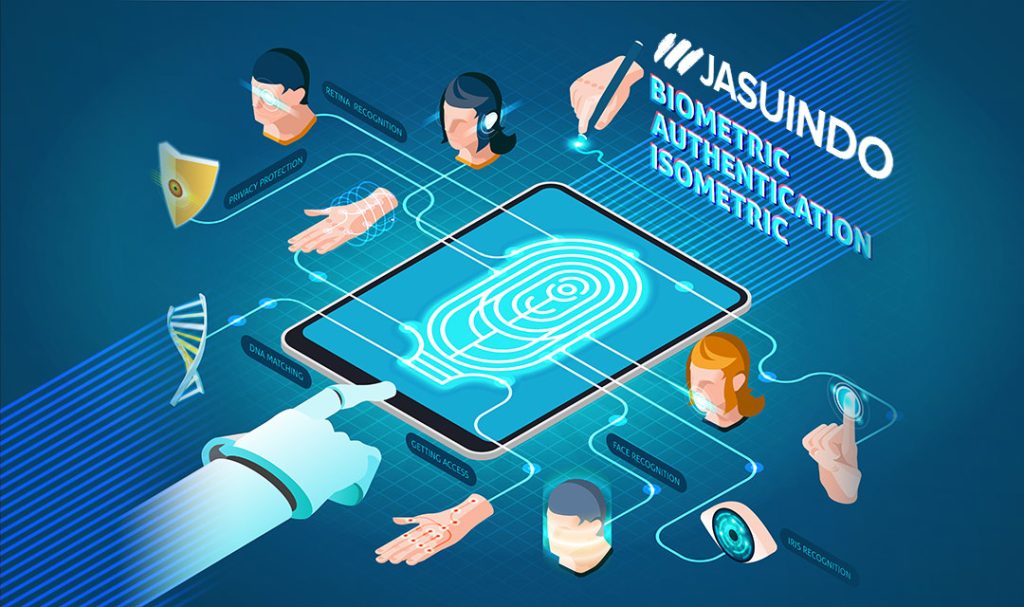
Biometric technology is becoming increasingly prevalent across various sectors, particularly in security and identity verification. However, the implementation of biometric systems is governed by a complex landscape of global standards and regulations. Understanding these frameworks is crucial for organizations as they navigate the challenges and responsibilities associated with the use of biometric data.
International standards play an essential role in ensuring that biometric systems are implemented consistently and ethically. Key standards include the ISO/IEC 19795 series, which provides guidelines for the performance testing of biometric systems, and the ISO/IEC 29100 framework, which Artikels the privacy and security aspects related to biometric data. Additionally, the General Data Protection Regulation (GDPR) in Europe has significant implications for biometric data, treating it as sensitive personal data that requires higher levels of protection and consent.
Importance of Compliance with Standards
Compliance with these international standards and regulations is vital for organizations implementing biometric systems. Adhering to these frameworks not only helps protect sensitive personal information but also builds trust with users and stakeholders. Non-compliance can lead to severe legal repercussions, including substantial fines and reputational damage. Moreover, compliance fosters a competitive advantage, as organizations demonstrating adherence to high standards can differentiate themselves in the market.
Organizations must take into account the following reasons for compliance:
- Legal Protection: Following established standards mitigates the risk of legal challenges related to data breaches or misuse of biometric data.
- Trust Building: Compliance signals to customers that their data is being handled with care, fostering trust and confidence.
- Operational Efficiency: Implementing standardized processes can streamline operations and lead to better resource management.
- Market Access: Many regions require compliance with specific standards for organizations to operate, especially in regulated industries.
Regional Regulatory Landscape
The regulatory environment for biometric data varies significantly across different regions, each bringing its unique challenges and considerations for businesses. In the United States, there is no comprehensive federal law governing biometrics; instead, states like Illinois have enacted legislation such as the Biometric Information Privacy Act (BIPA), which imposes strict consent requirements. In contrast, the European Union is governed by the GDPR, which provides a robust framework for data protection but can also complicate biometric data use due to its stringent guidelines.
In Asia, countries like Japan and Singapore are advancing their regulations, with Japan implementing the Act on the Protection of Personal Information that includes provisions related to biometrics. Meanwhile, Singapore’s Personal Data Protection Act offers clear guidelines on the collection and use of biometric data.
Some notable differences include:
| Region | Key Regulations | Significant Considerations |
|---|---|---|
| United States | State-specific laws (e.g., BIPA) | Varied compliance requirements per state |
| European Union | GDPR | Strict data protection and consent requirements |
| Asia | Various national laws (e.g., Japan’s APPI) | Emerging regulations with focus on privacy |
Understanding these regional regulations is crucial for businesses looking to implement biometric systems, as non-compliance can result in fines, legal challenges, and loss of customer trust. As the landscape continues to evolve, organizations must stay informed about the regulatory changes to ensure they meet the necessary compliance requirements.
The Impact of Biometric Technology on User Experience
Biometric technology has revolutionized the way users interact with digital interfaces and conduct transactions, enhancing the overall user experience. By introducing methods of authentication that rely on unique physical characteristics, biometric systems streamline processes, eliminate the need for complex passwords, and foster greater engagement with technology.
The integration of biometric authentication into various platforms can significantly improve user experience by making interactions smoother and more intuitive. For instance, users can access their devices, applications, and services simply by using their fingerprints, facial recognition, or voice activation. This simplicity not only reduces the time spent on logging in but also minimizes the frustration often associated with forgotten passwords or security questions.
Industries Enhancing User Experience through Biometric Solutions
Numerous industries have successfully leveraged biometric technology to enhance user experiences. The following examples illustrate how diverse sectors have implemented biometric solutions to improve service delivery and customer satisfaction:
- Banking and Finance: Many banks now utilize fingerprint and facial recognition technologies for secure transactions and account access. This has made banking apps more user-friendly while ensuring higher security standards.
- Healthcare: Hospitals and clinics are adopting biometric systems for patient identification, allowing for quicker access to records and reducing errors in treatment and medication administration.
- Retail: Retailers are implementing facial recognition to personalize shopping experiences, enabling tailored marketing strategies based on customer preferences.
- Travel and Hospitality: Airlines and hotels use biometric identification for faster check-ins and boarding processes, significantly enhancing customer convenience and satisfaction.
The balance between security and convenience is crucial in the design of biometric systems. Developers must ensure that while the systems are user-friendly, they also provide robust security measures to protect sensitive user data. This often involves implementing multi-factor authentication methods that combine biometrics with other security protocols, ensuring a comprehensive approach without compromising on user experience.
“The most effective biometric systems are those that seamlessly integrate security with convenience, creating a user experience that is both safe and effortless.”
Organizations that prioritize this balance not only enhance user satisfaction but also foster trust and loyalty, crucial in maintaining competitive advantage in today’s technology-driven landscape. As biometric technology continues to evolve, its impact on user experience is expected to grow, leading to even more innovative solutions that cater to both security needs and user preferences.
Biometric Systems in Healthcare
The integration of biometric systems in healthcare has emerged as a transformative approach to enhancing patient identification and record management. By leveraging unique physiological characteristics such as fingerprints, facial recognition, and iris scans, healthcare providers are able to improve accuracy in patient identification, ensure secure access to medical records, and streamline processes within healthcare facilities.
Biometric technologies offer a robust solution to the longstanding challenges associated with patient identification, particularly in environments where accurate and timely access to medical records is critical. The implementation of these systems not only reduces the likelihood of medical errors that can arise from misidentification but also enhances the overall patient experience by facilitating quicker and more secure access to care.
Challenges in Adopting Biometric Technologies
Despite the numerous benefits, healthcare providers face significant challenges in the adoption of biometric technologies. These challenges include:
- Privacy Concerns: The collection and storage of biometric data raise important privacy issues. Patients may be apprehensive about their personal information being misused or inadequately protected.
- High Implementation Costs: The initial investment required for biometric systems, including hardware and software, can be a barrier for many healthcare organizations, particularly smaller practices.
- Integration with Existing Systems: Many healthcare providers rely on legacy systems that may not easily integrate with new biometric technologies, leading to potential disruptions in workflow.
- Technical Issues: Biometric systems can face challenges such as incorrect readings due to physical conditions (e.g., worn fingerprints) or inadequate lighting for facial recognition, impacting reliability.
- Regulatory Compliance: Ensuring compliance with healthcare regulations related to data protection and patient consent can complicate the deployment of biometric solutions.
Solutions to Overcome Challenges
Addressing the challenges of biometric technology adoption requires strategic solutions that focus on enhancing patient security and trust. Potential solutions include:
- Robust Data Protection Measures: Implementing strong encryption and access controls can help safeguard biometric data and reassure patients about their privacy.
- Cost-effective Solutions: Exploring scalable biometric solutions that offer flexibility in pricing and functionality can help smaller healthcare organizations adopt these technologies without significant financial strain.
- System Compatibility Enhancements: Investing in middleware that facilitates integration between biometric systems and existing healthcare IT infrastructure can ease the transition and minimize disruptions.
- Ongoing Training and Support: Providing comprehensive training for staff on the use of biometric systems can help mitigate technical issues and improve user confidence.
- Clear Communication of Benefits: Educating patients on the advantages and security of biometric technologies can help build trust and acceptance within the patient population.
The future of healthcare increasingly relies on innovative technologies like biometrics to enhance patient safety, streamline processes, and improve overall care delivery.
The Role of Biometrics in Government Operations and National Security
Biometrics has emerged as a pivotal tool in enhancing the effectiveness and efficiency of government operations, especially within the realms of national security and law enforcement. From border control to criminal identification, biometric technologies offer a reliable means of verifying identities, thereby increasing security and streamlining processes.
The integration of biometrics into government operations has transformed how authorities manage borders and conduct law enforcement. Traditional methods of identification, such as physical documentation, are increasingly being supplemented or replaced by biometric systems. This change is significant as it not only speeds up verification processes but also minimizes the risk of identity fraud and enhances overall safety.
Biometrics in Border Control and Law Enforcement
The application of biometrics in border control and law enforcement serves to bolster national security measures and improve public safety. Governments worldwide employ various biometric technologies to ensure that only authorized individuals gain entry, while simultaneously creating a more secure environment.
The importance of biometric technologies can be elaborated through specific applications:
- Facial Recognition: Airports and border control agencies utilize facial recognition systems to match travelers’ faces against a database of known criminals or individuals on watch lists. For example, the U.S. Customs and Border Protection has implemented facial recognition technology at various entry points, significantly reducing the time taken for identity verification.
- Fingerprint Scanning: Fingerprint databases are utilized by law enforcement agencies to swiftly identify suspects or verify individuals’ identities during arrests. The FBI’s Integrated Automated Fingerprint Identification System (IAFIS) allows for rapid comparison against millions of stored prints, aiding in effective crime resolution.
- Iris Scanning: Some countries have adopted iris scanning systems at borders to provide an additional layer of verification. This method is particularly useful in high-security areas, as iris patterns are unique and cannot be altered, enhancing the reliability of the identification process.
The implementation of these biometric systems has resulted in numerous benefits for national security. They not only streamline the flow of legitimate travelers but also enhance the detection and apprehension of individuals engaged in illegal activities or threats to public safety.
Balancing Security Needs and Individual Freedoms
As biometric systems become more prevalent in government applications, the balance between ensuring public safety and protecting individual freedoms becomes increasingly important. While enhanced security measures are necessary, they must not infringe upon citizens’ rights to privacy and freedom.
A critical aspect of this balance involves transparency and accountability in the use of biometric technologies. Governments must establish clear policies that dictate how biometric data is collected, stored, and utilized. This includes ensuring that data is only accessible to authorized personnel and is used solely for its intended purpose.
Furthermore, public awareness and engagement in discussions surrounding biometric usage are essential. Citizens should be informed about how their biometric data is used and the precautions in place to protect their privacy.
“Striking the right balance between security and individual freedoms is vital for fostering trust in government operations.”
Ultimately, the ongoing challenge lies in implementing effective biometric solutions that not only safeguard national security but also respect and uphold individual rights, creating a secure yet free society. The discourse surrounding biometrics in government operations will continue to evolve as technology advances and societal perspectives shift.
User Acceptance and Adoption of Biometric Technologies
The adoption of biometric technologies has gained significant momentum across various sectors due to its ability to enhance security and streamline processes. However, user acceptance plays a crucial role in the successful implementation of these systems. Factors influencing acceptance can range from user awareness to perceived privacy concerns, and understanding these factors is key to promoting wider usage.
Several aspects influence user acceptance of biometric systems in both personal and professional contexts. These factors can be categorized into convenience, security, privacy, and technological familiarity. For instance, users often prefer biometrics for their ease of use—such as unlocking a phone with a fingerprint—over traditional methods like passwords. However, the perceived risk associated with sharing biometric data can hinder acceptance.
Factors Influencing User Acceptance
Awareness of biometric technology and its benefits is fundamental in shaping user attitudes. Users who understand the efficiency and added security provided by biometrics are more likely to embrace the technology. Here are key factors that influence acceptance:
- Convenience: Biometrics streamline authentication processes, making everyday tasks quicker and hassle-free.
- Security: The difficulty of replicating biometric traits enhances trust in the technology.
- Privacy Concerns: Users often worry about how their biometric data is stored and used, which can lead to hesitance in adoption.
- Familiarity with Technology: Users who are accustomed to tech solutions are more likely to adapt to biometric systems.
Strategies to Enhance User Trust
Building user trust is essential for the successful implementation of biometric technologies. Strategies to enhance user trust and comfort include transparency, user education, and robust data security measures. Companies can take proactive steps to address user concerns by:
- Providing Clear Information: Users should be informed about how their biometric data is collected, stored, and used.
- Implementing Strong Security Protocols: Demonstrating strong measures to protect biometric data can alleviate privacy concerns.
- Offering User Control: Allowing users to manage their biometric data fosters a sense of ownership and reduces anxiety.
Case Studies of Successful User Adoption
Real-world examples illustrate the successful adoption of biometrics across various sectors, showcasing how these strategies can lead to higher acceptance rates.
- Banking Sector: A major bank implemented fingerprint authentication for mobile banking, resulting in a 40% increase in user engagement due to enhanced security and simplified access.
- Healthcare Industry: A hospital adopted voice recognition for patient identification, which streamlined check-in processes and improved patient satisfaction ratings significantly.
- Retail Environment: A retail chain introduced facial recognition for loyalty programs, leading to a 30% increase in customer retention as users appreciated a personalized shopping experience.
Summary
In summary, biometrics stands at the forefront of security technology, offering a unique blend of innovation and practicality that addresses modern challenges in identity verification. As we continue to navigate the complexities of privacy and ethical use, the benefits of biometrics—such as improved user experience and enhanced fraud detection—cannot be overlooked. With ongoing advancements and growing acceptance, the future of biometrics promises to be even more integral to our lives, shaping how we interact with technology and ensuring a safer, more connected world.
Commonly Asked Questions
What are the most common types of biometric data?
The most common types of biometric data include fingerprints, facial recognition, iris scans, voice recognition, and palm prints.
How does biometric authentication compare to traditional passwords?
Biometric authentication is generally more secure than traditional passwords because it relies on unique physical traits that are hard to replicate, while passwords can be forgotten, stolen, or easily hacked.
Are there any risks associated with biometric data storage?
Yes, risks include potential data breaches and misuse of personal information, making it crucial to implement strong security measures to protect biometric data.
How can organizations ensure compliance with biometric regulations?
Organizations can ensure compliance by staying updated on relevant laws, conducting regular audits, and implementing policies that prioritize data protection and user consent.
What role do artificial intelligence and machine learning play in biometrics?
AI and machine learning enhance biometric systems by improving recognition accuracy and enabling faster processing times, thereby increasing the overall effectiveness of biometric technology.