Big Data has emerged as a transformative force, redefining how businesses operate and interact with consumers. In today’s data-driven world, the ability to harness vast amounts of information can provide companies with invaluable insights that shape their strategies and drive innovation. As we delve into the evolution, applications, and implications of Big Data, we uncover its pivotal role in shaping modern business landscapes and influencing consumer behavior.
From its historical roots to the cutting-edge technologies that support it, Big Data encapsulates a journey filled with milestones that have paved the way for remarkable advancements. Understanding the nuances of how Big Data is utilized in various industries reveals not only its potential for competitive advantage but also the ethical considerations that come with its use.
The Evolution of Big Data Technologies
Over the past two decades, big data technologies have undergone remarkable transformations, driven by advancements in computing power, storage capabilities, and data analytics methodologies. The ability to collect, process, and analyze vast amounts of data has revolutionized industries, enabling organizations to derive insights that were previously unattainable. As we explore the evolution of big data, it’s essential to understand the historical context and key milestones that have shaped the current landscape.
Technological advancements have played a pivotal role in the growth of big data. The transition from traditional data management systems to modern big data technologies is marked by several significant developments. Initially, the rise of the internet in the late 1990s and early 2000s led to an explosion of data generation. This necessitated the creation of new systems capable of handling unstructured data, which traditional relational databases struggled to process. Technologies such as Hadoop, introduced in 2006, emerged as a solution to these challenges by allowing distributed processing of large data sets across clusters of computers.
Key Milestones in Big Data Technologies
Several milestones have significantly influenced the evolution and adoption of big data technologies. These pivotal moments are crucial for understanding how the current landscape was shaped:
- The Introduction of Hadoop (2006): Hadoop’s open-source framework allowed for the distributed processing of large data sets, paving the way for scalable storage solutions.
- Launch of NoSQL Databases (Late 2000s): Technologies such as MongoDB and Cassandra provided alternatives to relational databases, facilitating the handling of unstructured and semi-structured data.
- Growth of Cloud Computing (2010s): The emergence of cloud platforms like Amazon Web Services enabled organizations to store and process vast amounts of data without significant upfront investment in infrastructure.
- Advancements in Machine Learning and AI (2010s Onward): The integration of machine learning algorithms in big data analytics allowed for the extraction of deeper insights and predictive analytics capabilities.
- Real-Time Data Processing (2010s): Technologies such as Apache Kafka and Apache Spark facilitated real-time data processing, which became increasingly important for businesses needing instant insights.
As these milestones indicate, the evolution of big data technologies is a testament to the ongoing innovation within the field. Each advancement has contributed to a more sophisticated approach to data analytics, transforming how businesses operate and make decisions. The interplay between hardware capabilities and software solutions has consistently influenced the growth trajectory of big data, reshaping industries and creating new opportunities for data-driven decision-making.
“Data is the new oil.” – Clive Humby
This quote encapsulates the essence of big data’s value in today’s world. Just as oil transformed economies, big data is driving modern innovation and strategic advantages for organizations willing to harness its potential effectively.
The Role of Big Data in Modern Business Strategies
In today’s fast-paced digital landscape, big data plays a pivotal role in shaping the strategies of businesses across various sectors. With the ability to collect, analyze, and derive insights from vast amounts of information, organizations leverage big data to make informed decisions, optimize operations, and gain a competitive edge. As data becomes increasingly abundant, understanding its significance in modern business practices is essential for success.
Businesses utilize big data for strategic decision-making by employing advanced analytics and data management techniques. This allows them to identify trends, predict consumer behavior, and tailor their offerings to meet customer demands effectively. For instance, by analyzing customer purchase history and preferences, companies can optimize their marketing strategies, reducing costs while increasing engagement and conversion rates. Furthermore, big data enables real-time decision-making, allowing businesses to respond swiftly to market changes and customer feedback.
Industries Relying on Big Data for Operations
Numerous industries have recognized the value of big data, integrating it into their operations for enhanced efficiency and effectiveness. The following are key sectors that heavily depend on big data:
- Retail: Retailers analyze customer data to understand buying patterns, manage inventory, and personalize marketing efforts. For example, Amazon uses big data to recommend products based on previous purchases.
- Healthcare: The healthcare industry utilizes big data to improve patient outcomes through predictive analytics. Hospitals analyze patient records to identify trends, reducing readmission rates and enhancing care quality.
- Finance: Financial institutions leverage big data for risk assessment, fraud detection, and customer segmentation. Credit card companies analyze transaction data to identify suspicious activities in real-time.
- Manufacturing: Manufacturers use big data for predictive maintenance, ensuring equipment is serviced before it fails. This minimizes downtime and optimizes production efficiency.
- Telecommunications: Telecom companies analyze call data records to improve customer service and identify network issues, enabling them to enhance customer satisfaction.
The adoption of data-driven strategies significantly impacts organizational performance by streamlining processes, enhancing collaboration, and fostering innovation. Companies that harness big data effectively are better positioned to identify new opportunities and mitigate potential risks. For instance, data analytics can reveal inefficiencies in supply chains, prompting companies to optimize logistics and reduce costs.
Moreover, a data-driven culture encourages employees to base their decisions on analytical insights rather than assumptions, leading to more accurate and effective outcomes. Companies like Netflix exemplify this approach by utilizing viewer data to inform content creation and acquisition strategies, resulting in a robust portfolio of popular shows and movies that cater to audience preferences.
“Data-driven decision-making empowers organizations to transform insights into action, ultimately leading to improved performance and competitive advantage.”
Ethical Considerations in Big Data Usage
The rise of big data analytics has significantly transformed how organizations operate, offering valuable insights while simultaneously raising various ethical concerns. These concerns revolve around how data is collected, stored, and utilized, often leading to potential conflicts between innovation and individual rights. Understanding these ethical dilemmas is crucial for businesses aiming to leverage big data responsibly while respecting the fundamental rights of individuals.
Identification of Ethical Dilemmas
The collection and analysis of big data present numerous ethical dilemmas, primarily concerning privacy and the potential for misuse. One significant dilemma is the balance between benefiting from data insights and respecting individual privacy. Companies often collect vast amounts of data, including personal information, which can lead to concerns over surveillance and data ownership. Additionally, the use of algorithms for decision-making can perpetuate biases, raising questions about fairness and discrimination.
The ethical dilemmas in big data can be categorized into the following areas:
- Informed Consent: Often, individuals are not aware of how their data is being used, leading to a lack of informed consent.
- Data Security: The risk of data breaches can endanger personal information, resulting in potential harm to individuals.
- Algorithmic Bias: Decisions made by algorithms can exacerbate social inequalities if not carefully monitored.
- Surveillance: The use of big data can lead to invasive surveillance practices, infringing on personal freedoms.
Implications of Privacy and Consent
Privacy and consent are critical issues in the realm of big data. Individuals must have control over their personal data, understanding how it is collected, used, and shared. Failing to prioritize privacy can lead to a loss of trust in organizations. For instance, the Cambridge Analytica scandal highlighted the consequences of unethical data practices, where user data was harvested without consent and used for political advertising. This incident underscored the necessity for clear and transparent data policies.
To address these implications, companies should adopt practices that prioritize user consent, such as:
- Transparent Data Policies: Clearly communicate how data is collected and utilized, ensuring individuals understand their rights.
- Opt-in Mechanisms: Implement systems that require explicit consent before data collection.
- Data Minimization: Collect only the data necessary for specific purposes, reducing the risk of misuse.
- Regular Audits: Conduct audits to ensure compliance with privacy standards and address any breaches promptly.
Measures for Ethical Data Practices
To mitigate ethical concerns surrounding big data, organizations can implement several measures that foster ethical data practices. Developing a strong ethical framework is essential for guiding data usage and ensuring accountability.
Key measures include:
- Ethical Guidelines: Establish a code of ethics that governs data collection, analysis, and sharing.
- Data Protection Officers: Appoint dedicated officers to oversee compliance with data protection laws and ethical standards.
- Employee Training: Provide ongoing training for employees on ethical data handling practices and the importance of privacy.
- Stakeholder Engagement: Involve external stakeholders in discussions about data practices to enhance transparency and trust.
Big Data and Its Influence on Consumer Behavior
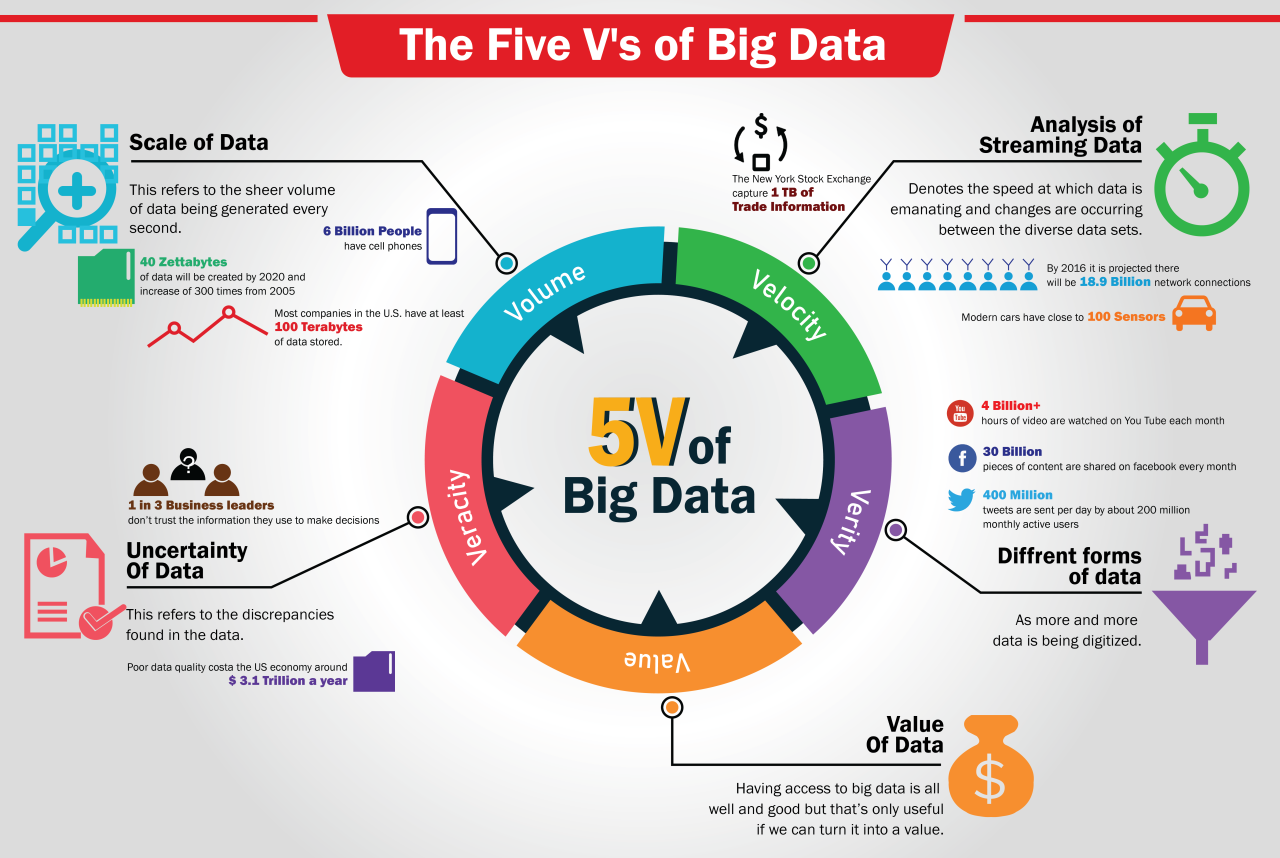
In today’s digital landscape, big data plays a crucial role in shaping consumer behavior and influencing purchasing decisions. By leveraging vast amounts of information, businesses can analyze trends and preferences, allowing for more effective marketing strategies and improved customer experiences. Understanding how big data analytics impacts consumer choices is essential for companies striving to stay competitive in a rapidly evolving marketplace.
Big data analytics provides businesses with valuable insights into consumer preferences, enabling them to tailor their offerings and marketing efforts effectively. For instance, companies can analyze purchasing history, online behaviors, and demographic information to predict future buying trends. This data-driven approach allows businesses to identify target audiences more accurately and craft personalized experiences that resonate with consumers. According to a study by McKinsey, companies that use data analytics to inform their marketing strategies can achieve significantly higher return on investment compared to those that do not.
Impact of Big Data Insights on Targeted Marketing Strategies
Utilizing big data insights allows companies to create targeted marketing campaigns that are more relevant to each consumer. This personalization not only increases the likelihood of conversion but also enhances customer satisfaction. Organizations can segment their customer base based on various criteria such as age, location, purchasing history, and online behavior, allowing for highly specific marketing tactics.
For instance, Amazon uses big data to recommend products based on past purchases and browsing history, effectively guiding consumers toward items they are more likely to buy. This kind of predictive analytics is instrumental in developing strategies that resonate with individual consumers.
The following are important points regarding the impact of big data on targeted marketing strategies:
- Enhanced Personalization: Tailored marketing messages lead to higher engagement rates and customer loyalty.
- Improved Customer Insights: Access to real-time data helps businesses understand changing consumer preferences and adjust strategies accordingly.
- Optimized Marketing Spend: Data-driven strategies help allocate resources more effectively, maximizing the impact of marketing budgets.
- Predictive Analytics: Anticipating consumer behavior allows businesses to stay ahead of trends and prepare for market shifts.
“Companies that harness big data outperform their competitors by a significant margin.” – Data Science Journal
While the benefits of using big data in marketing are substantial, there are also potential risks associated with its use in influencing consumer behavior. One major concern is data privacy; as consumers become more aware of how their information is collected and utilized, businesses must ensure they handle data responsibly to maintain trust. Additionally, relying too heavily on data analytics can lead to a lack of creativity in marketing strategies, as companies may prioritize data-driven decisions over intuitive approaches.
Nevertheless, the advantages often outweigh the risks when companies implement ethical data practices. This balanced approach not only fosters consumer trust but also enhances the overall effectiveness of marketing initiatives.
The Technological Framework Supporting Big Data
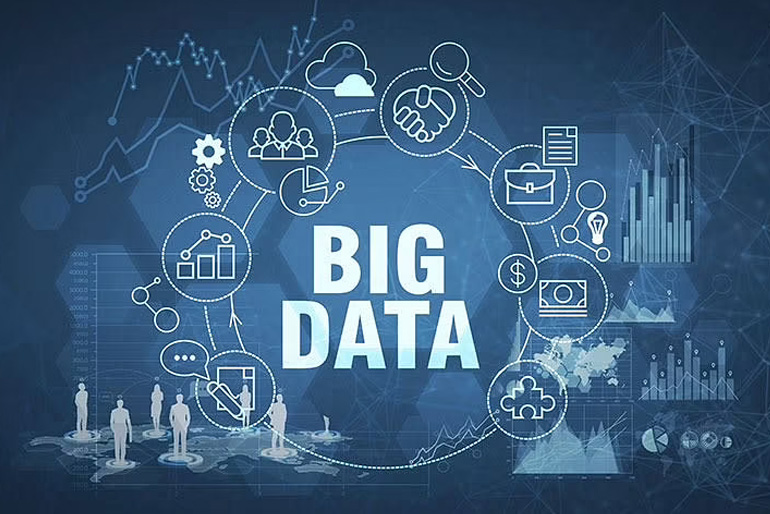
The technological landscape of big data is vast and intricate, comprising various tools and frameworks designed to handle massive volumes of data efficiently. This framework is essential for organizations that rely on data-driven decision-making, as it enables them to extract meaningful insights from large datasets. In this section, we will delve into the key technologies and tools that support big data processing and storage, as well as explore the pivotal role of cloud computing in this domain.
Key Technologies and Tools for Big Data Processing and Storage
Numerous technologies play a crucial role in the processing and storage of big data, each serving unique functions that collectively enhance data management capabilities. Key tools and frameworks include:
- Apache Hadoop: An open-source framework that allows for the distributed processing of large datasets across clusters of computers using simple programming models. It offers scalability and fault tolerance, making it suitable for big data analytics.
- Apache Spark: A unified analytics engine for big data processing, with built-in modules for streaming, SQL, machine learning, and graph processing. Spark is known for its speed and ease of use compared to Hadoop’s MapReduce.
- NoSQL Databases: Databases such as MongoDB and Cassandra that are designed for storing, retrieving, and managing unstructured data. They provide flexibility and scalability, which are essential for big data applications.
- Data Lakes: Storage repositories that hold vast amounts of raw data in its native format until it is needed for processing. This allows organizations to harness data from various sources without prior structuring.
These technologies work together to create a robust infrastructure that supports big data initiatives, enabling organizations to harness the power of their data effectively.
Significance of Cloud Computing in Big Data Management
Cloud computing has revolutionized how organizations manage big data by offering scalable resources and flexible storage options. It allows businesses to store and process data without the burden of maintaining physical hardware. The advantages of cloud computing in big data management include:
- Scalability: Organizations can quickly scale their data storage and processing capacity up or down based on demand, ensuring cost-effectiveness and efficiency.
- Cost Efficiency: With cloud services, organizations only pay for the resources they use, which can significantly reduce operational costs compared to traditional on-premises solutions.
- Accessibility: Cloud platforms provide access to data from anywhere, enabling remote collaboration and data analysis, which is crucial in today’s globalized workforce.
- Integration with Advanced Tools: Cloud service providers often offer integrated analytics and machine learning tools, making it easier to derive insights from big data.
The cloud offers a dynamic environment that supports the ever-growing demands of big data applications, fostering innovation and enabling companies to leverage data more strategically.
Comparison of Traditional Data Management Approaches with Modern Big Data Frameworks
Traditional data management systems, such as relational databases, often struggle with the volume, velocity, and variety of big data. In contrast, modern big data frameworks are designed to address these challenges effectively. Below are key differences between the two approaches:
- Data Structure: Traditional systems rely on structured data, while big data frameworks can handle structured, semi-structured, and unstructured data seamlessly.
- Scalability: Traditional databases are typically limited in their ability to scale horizontally, whereas big data frameworks like Hadoop and Spark are built for distributed computing across multiple nodes.
- Processing Speed: Traditional systems often utilize batch processing, resulting in delays, while modern frameworks enable real-time data processing, facilitating immediate insights.
- Data Storage: Traditional approaches store data in a centralized manner, while big data technologies use distributed storage solutions, allowing for more efficient data management and retrieval.
The shift toward modern big data frameworks represents a significant evolution in how organizations approach data management, allowing for more agile and effective decision-making based on extensive datasets.
The Future of Big Data
As we look ahead, the landscape of big data continues to evolve, driven by rapid advancements in technology and a growing need for data-driven decision-making across various sectors. Organizations are increasingly recognizing the value of harnessing data to gain insights, optimize operations, and create new revenue streams. The future of big data is set to be shaped by emerging trends and the integration of sophisticated technologies that promise to revolutionize how we analyze and utilize data.
Emerging Trends in Big Data Technologies
Several trends are emerging in the big data realm that will have a significant impact on industries ranging from healthcare to finance. These trends include the rise of edge computing, the integration of quantum computing, and the advancement of data privacy measures.
- Edge Computing: This technology processes data closer to the source, reducing latency and bandwidth use. It is especially beneficial in the Internet of Things (IoT) landscape, where rapid data processing is essential for real-time applications.
- Quantum Computing: Quantum technology holds the potential to process vast amounts of data at unprecedented speeds. This capability will allow organizations to conduct complex simulations, enhance predictive analytics, and optimize machine learning models.
- Data Privacy and Ethics: With increasing regulations like GDPR and CCPA, organizations are prioritizing ethical data usage and transparency. Technologies that enable secure data sharing while maintaining privacy will become essential, especially in sectors such as healthcare and finance.
The Role of Artificial Intelligence and Machine Learning
Artificial intelligence (AI) and machine learning (ML) play a crucial role in advancing big data analytics by enabling more sophisticated data processing and predictive modeling. These technologies not only enhance the accuracy of data analysis but also automate routine tasks, allowing data scientists to focus on more complex problem-solving.
The integration of AI and ML into big data analytics allows organizations to uncover hidden patterns and correlations within massive datasets. For instance, in the retail sector, predictive analytics powered by these technologies can forecast consumer behavior, optimize inventory management, and tailor marketing strategies to individual preferences. Companies like Amazon and Netflix leverage these capabilities to enhance customer experiences and drive sales.
“AI and machine learning are transforming big data analytics from a purely descriptive approach to a predictive and prescriptive paradigm.”
Future Challenges and Opportunities
While the future of big data offers numerous opportunities, it also presents challenges that organizations must navigate. As the volume and variety of data continue to grow, ensuring data quality and integrity will be paramount. Furthermore, organizations must invest in upskilling their workforce to effectively use advanced analytics tools.
Key challenges include:
- Data Overload: The exponential growth of data can lead to overwhelming amounts of information, making it difficult for organizations to extract actionable insights.
- Talent Shortage: There is a significant demand for skilled professionals who can analyze and interpret big data. Organizations will need to develop training programs and partnerships with educational institutions to bridge this gap.
- Integration of Disparate Data Sources: Many organizations struggle with integrating data from various sources, which complicates the analytical process. Emphasizing data interoperability will be vital for deriving comprehensive insights.
In summary, the future of big data is bright, with advancements in technologies like AI, edge computing, and quantum computing set to reshape industries. However, organizations must remain vigilant in addressing the accompanying challenges to fully leverage the potential of big data analytics.
Big Data Processing Techniques and Methodologies
Big data processing involves various techniques and methodologies designed to manage and analyze vast quantities of data efficiently. The choice of technique often depends on the nature of the data, the desired speed of processing, and the specific use case requirements. In this discussion, we’ll explore two primary processing techniques: batch processing and stream processing, as well as their advantages and disadvantages.
Batch Processing
Batch processing is a method where data is collected over a period and processed simultaneously. This technique is typically employed for tasks that do not require immediate results. It’s often used in scenarios such as payroll systems, where transactions are accumulated and processed at regular intervals.
- Advantages:
- Efficiency in processing large volumes of data at once, leading to better resource utilization.
- Less demand for real-time processing capabilities, making it suitable for applications that can tolerate delays.
- Enhanced data integrity since the entire dataset can be validated before processing.
- Disadvantages:
- Delay in data availability, as results are only available after processing batch jobs.
- Complexity in managing large batch jobs, which can be resource-intensive and time-consuming.
Real-world examples of batch processing include data warehousing solutions and ETL (Extract, Transform, Load) systems used by companies like Amazon, which analyze sales data in bulk to generate insights on consumer behavior.
Stream Processing
Stream processing, on the other hand, deals with real-time data streams, enabling immediate processing and analysis. This technique is crucial for applications that require up-to-the-minute data, such as fraud detection systems and live data analytics.
- Advantages:
- Immediate insights, allowing organizations to react quickly to events as they occur.
- Ability to handle continuous flow of data, making it ideal for real-time applications.
- Lower latency, as data is processed as it arrives rather than in large batches.
- Disadvantages:
- Increased complexity in system architecture to handle real-time processing needs.
- Potential for data loss if the system cannot keep up with the incoming data rate.
Examples of stream processing can be seen in social media platforms like Twitter, where real-time sentiment analysis is conducted based on the latest tweets, or in monitoring systems that track network traffic for security threats.
Stream processing enables organizations to make data-driven decisions in real-time, transforming how businesses operate and respond to market dynamics.
The choice between batch and stream processing ultimately depends on the specific needs of an organization. While batch processing is effective for handling large data volumes with minimal urgency, stream processing shines in scenarios demanding immediate insights and quick reactions. Each technique serves its purpose and can often complement one another in a hybrid architecture, maximizing the benefits of both methodologies.
The Importance of Data Governance in Big Data Projects
In the realm of big data, data governance plays a pivotal role in steering initiatives toward success. As organizations increasingly rely on vast amounts of data for decision-making, ensuring data quality and compliance becomes paramount. Data governance establishes the framework for managing data assets, ensuring they are accurate, consistent, and secure. This approach helps organizations navigate the complexities of data usage while adhering to regulatory requirements and maintaining stakeholder trust.
Data governance encompasses policies, procedures, and standards that dictate how data is managed throughout its lifecycle. By integrating governance into big data projects, organizations can mitigate risks associated with poor data quality, such as erroneous insights and compliance violations. Effective data governance not only upholds the integrity of data but also enhances collaboration across departments, fostering a culture of accountability and responsibility.
Frameworks and Best Practices for Effective Data Governance
Implementing a robust data governance framework involves adopting specific best practices that help ensure effective oversight. A systematic approach can significantly enhance data management capabilities within an organization. The following frameworks and practices are essential for establishing effective data governance:
- Establish a Data Governance Committee: Forming a dedicated team responsible for overseeing data governance initiatives is crucial. This committee should include stakeholders from various departments to ensure diverse perspectives and requirements are met.
- Define Data Ownership: Clearly identifying data owners who are accountable for the accuracy and usage of specific data sets helps facilitate better management and adherence to governance policies.
- Implement Data Stewardship: Designating data stewards—individuals responsible for maintaining data quality—ensures that data is consistently monitored and improved upon.
- Create Data Quality Standards: Developing clear standards for data quality enables organizations to assess and enhance the reliability of their data assets regularly.
- Utilize Metadata Management: Effective metadata management helps organizations understand the context, lineage, and quality of their data, which is fundamental for decision-making processes.
- Leverage Technology Solutions: Implementing tools that facilitate data governance—such as data catalogs and governance platforms—can streamline governance practices and enhance compliance monitoring.
Challenges of Implementing Data Governance in Big Data Environments
While establishing data governance in big data environments is critical, organizations encounter various challenges that can hinder successful implementation. Recognizing these obstacles is essential for developing effective strategies to address them. Key challenges include:
- Data Volume and Variety: The sheer volume and diversity of data can overwhelm existing governance frameworks, making it difficult to maintain control and oversight.
- Lack of Standardization: Inconsistent data definitions and formats across different departments can lead to confusion and misinterpretations, complicating governance efforts.
- Resistance to Change: Employees may resist new governance policies due to perceived added complexity or concerns over reduced autonomy in data handling.
- Resource Constraints: Limited budgets, staff shortages, and lack of expertise in data governance can impede the establishment of comprehensive governance programs.
- Regulatory Compliance: Navigating the evolving landscape of data regulations can be challenging, requiring continuous updates to governance policies and practices.
“Effective data governance is not just a regulatory requirement; it is a strategic imperative that enhances data quality and builds trust across the organization.”
Real-World Applications of Big Data Across Various Industries
Big data has transformed the way industries operate, leading to enhanced decision-making and innovative solutions. By harnessing vast amounts of data, organizations can uncover patterns and insights that drive efficiency, improve customer experiences, and create competitive advantages. This section explores notable case studies and applications across various sectors, highlighting the far-reaching effects of big data.
Successful Big Data Implementations
Numerous companies have demonstrated the power of big data through successful projects. These case studies illustrate how organizations leverage data to achieve remarkable outcomes.
– Netflix: Netflix uses big data analytics to personalize its recommendations, optimize content creation, and improve user experience. By analyzing viewing habits and preferences, the platform can suggest shows that align with individual tastes, contributing to high viewer retention rates.
– Walmart: Walmart employs big data to manage its inventory and supply chain effectively. By analyzing purchasing patterns and inventory levels in real-time, Walmart can forecast demand, reduce stockouts, and minimize excess inventory. This data-driven approach results in significant cost savings and increased customer satisfaction.
– UPS: UPS utilizes big data analytics to enhance its logistics operations. The company developed an advanced routing system called ORION, which analyzes delivery routes and traffic patterns to optimize package delivery. This system not only reduces fuel consumption but also enhances delivery efficiency.
Transformative Effects in Healthcare
Big data has revolutionized the healthcare industry by enabling better patient outcomes and more efficient operations. The adoption of advanced analytics in healthcare has made it possible to mine vast datasets for insights.
– Predictive Analytics in Patient Care: Hospitals use predictive analytics to identify patients at risk of developing complications. For instance, the Mount Sinai Health System employs big data to analyze patient records and predict potential readmissions, allowing for timely interventions.
– Genomic Data Analysis: Companies like 23andMe leverage big data to analyze genetic information, providing users with personalized health insights. This data-driven approach not only aids individuals in understanding their health risks but also contributes to research in personalized medicine.
– Telemedicine Growth: The rise of telemedicine has been fueled by big data, which enables remote monitoring and consultations. Providers can analyze patient data in real-time, improving access to care and optimizing treatment plans.
Innovative Applications in Finance
The finance sector has seen substantial innovations due to big data, which enhances risk management and customer service.
– Fraud Detection: Financial institutions, such as PayPal, utilize big data analytics to detect fraudulent activities in real-time. By analyzing transaction patterns and customer behavior, they can swiftly identify anomalies that suggest fraud.
– Algorithmic Trading: Investment firms employ big data to execute trades based on massive datasets that include market trends, social media sentiment, and economic indicators. This approach allows for automated trading strategies that capitalize on minute market fluctuations.
– Credit Scoring: Companies like ZestFinance are redefining credit scoring using alternative data sources. By analyzing non-traditional data, they can assess creditworthiness more accurately, providing loans to individuals who might otherwise be overlooked.
Logistics and Supply Chain Optimization
Big data has become instrumental in optimizing logistics and supply chains, resulting in increased efficiency and cost savings.
– Demand Forecasting: Organizations like Amazon leverage big data to forecast demand accurately. By analyzing customer purchase behavior and seasonal trends, Amazon can optimize inventory levels and streamline supply chain operations.
– Smart Warehousing: Companies are adopting smart warehousing technologies powered by big data. For example, DHL uses data analytics to monitor warehouse operations, improving inventory management and reducing operational costs.
– Route Optimization: Companies in transportation, such as FedEx, utilize big data to enhance route planning. By analyzing traffic patterns and delivery schedules, they can optimize routes, leading to faster deliveries and lower fuel costs.
Wrap-Up
In conclusion, Big Data stands at the forefront of technological advancement, intertwining with every aspect of business and daily life. As we look to the future, the trends and predictions surrounding Big Data promise continued evolution and new challenges. Embracing ethical practices and effective data governance will be crucial as organizations navigate this complex landscape, ensuring that the benefits of Big Data are maximized while minimizing risks to privacy and consent.
Common Queries
What is Big Data?
Big Data refers to extremely large datasets that may be analyzed computationally to reveal patterns, trends, and associations, particularly relating to human behavior and interactions.
How is Big Data different from traditional data?
Big Data is characterized by its volume, velocity, variety, and veracity, whereas traditional data is often structured and organized in a manner that is easier to analyze and manage.
What industries benefit most from Big Data?
Industries such as healthcare, finance, retail, and logistics leverage Big Data for insights that enhance decision-making, improve customer experiences, and optimize operations.
What are common tools used for Big Data analysis?
Popular tools include Apache Hadoop, Spark, and NoSQL databases, which are designed to handle large volumes of data and complex processing tasks.
What challenges do organizations face with Big Data?
Organizations often face challenges related to data privacy, integration of disparate data sources, ensuring data quality, and the need for skilled personnel to analyze the data effectively.