As Autonomous Vehicles take center stage, they’re transforming our understanding of transportation, safety, and efficiency. The rise of these self-driving technologies is fueled by innovative advancements in artificial intelligence, sensor technology, and machine learning, promising a future where vehicles can operate without human intervention. This shift not only reshapes how we navigate our cities but also sparks discussions about their impact on various industries and ethical considerations surrounding their deployment.
The potential of autonomous vehicles extends beyond mere convenience; they promise to enhance road safety by reducing human error, improve fuel efficiency, and even contribute to environmental sustainability. Companies like Tesla, Waymo, and Uber are at the forefront of this revolution, pushing the boundaries of what’s possible with autonomous technology, and paving the way for a new era in transportation.
The technological advancements driving the development of autonomous vehicles
The evolution of autonomous vehicles is heavily influenced by numerous technological advancements that have transformed the automotive landscape. Key technologies such as artificial intelligence (AI), advanced sensors, and machine learning are at the forefront of this transformation. These innovations not only enhance the functionality of vehicles but also significantly improve safety and efficiency in comparison to traditional vehicles.
The integration of AI into autonomous vehicles allows for sophisticated decision-making processes. AI systems analyze data from various sources in real time, helping vehicles to navigate complex environments, recognize obstacles, and respond to dynamic road conditions. Advanced sensors, including LiDAR, radar, and camera systems, play a crucial role in this process by providing comprehensive data about the vehicle’s surroundings. These sensors help create a 360-degree view, allowing for accurate perception and mapping of the environment.
Key Technologies Driving Development
The following technologies are central to the advancements in autonomous vehicles and their capabilities:
- Artificial Intelligence (AI): AI algorithms process vast amounts of data, enabling vehicles to learn from experiences and make informed decisions. For example, Tesla’s Autopilot uses AI to continuously improve its driving algorithms through data collected from its fleet.
- Machine Learning: This subset of AI allows vehicles to adapt and improve their performance over time. Companies like Waymo utilize machine learning to enhance their self-driving technology, allowing cars to learn from diverse driving scenarios.
- Sensors: The deployment of high-resolution cameras, LiDAR, and ultrasonic sensors is essential for detecting objects, road signs, and lane markings. For instance, the sensor technology used by companies like Velodyne provides detailed 3D mapping, crucial for safe navigation.
- Connectivity: Vehicle-to-everything (V2X) communication facilitates interaction between vehicles and infrastructure, enhancing traffic management and safety. Ford is actively developing V2X technology to help cars communicate with traffic signals and other vehicles, reducing accidents.
- Data Processing and Cloud Computing: Efficient data processing is vital for real-time decision-making. Companies like Nvidia are pushing boundaries with their powerful GPUs designed to handle complex algorithms required for autonomous driving.
Technological advancements not only enhance the overall user experience but also significantly improve safety. With features like automatic emergency braking and adaptive cruise control, autonomous vehicles can react faster than human drivers, potentially reducing accidents and fatalities on the road. The ongoing development in this sector promises a future where autonomous vehicles will not only coexist with traditional vehicles but will also lead to a more efficient and safer transportation system.
The potential economic impact of autonomous vehicles on various industries
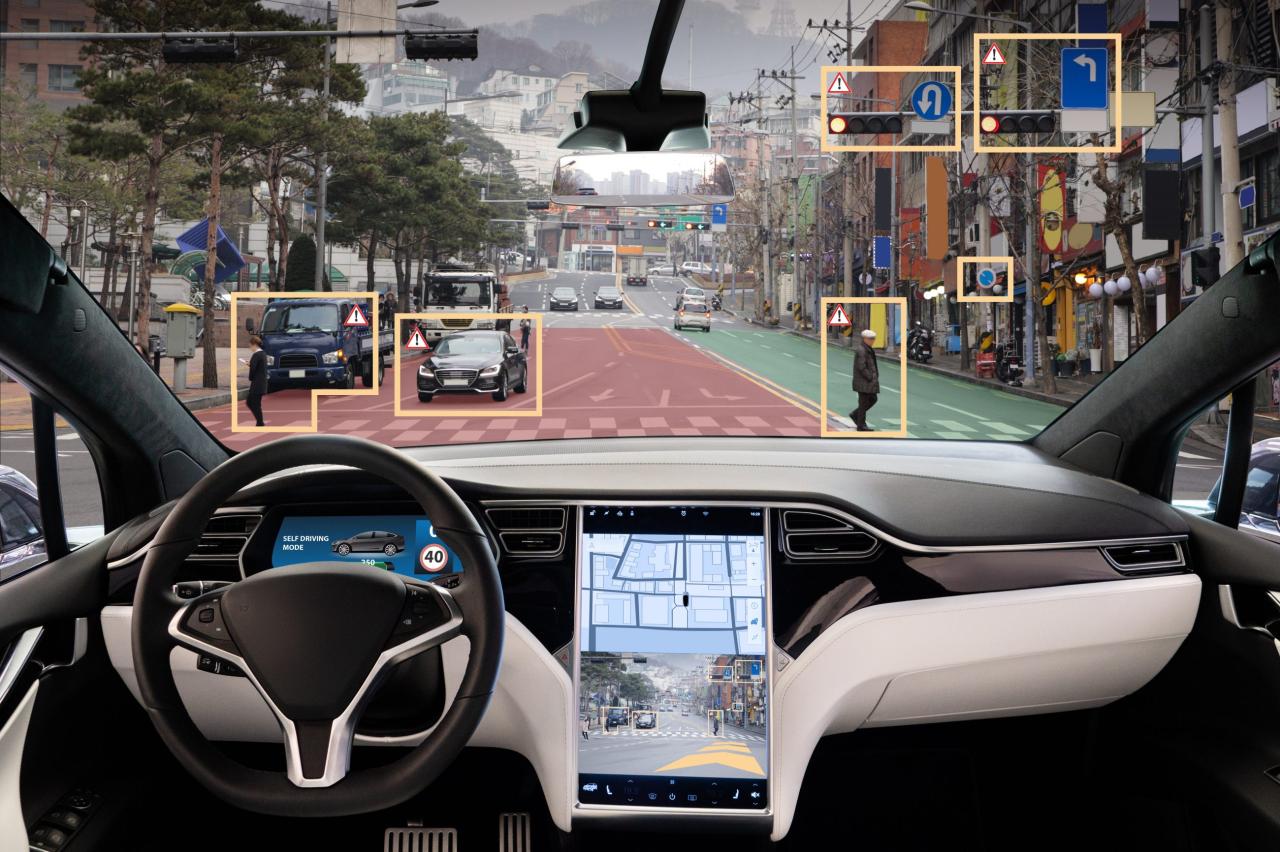
The introduction of autonomous vehicles (AVs) is set to revolutionize the economic landscape across various sectors. As self-driving technology matures, industries such as transportation, logistics, and insurance will experience significant transformations. The economic implications arise not only from the direct impact on vehicle operations but also through shifts in consumer behavior and business models.
The transportation sector stands to witness one of the most profound disruptions. With the advent of AVs, traditional ride-hailing services could evolve into more efficient, fleet-based models, reducing overall costs. In logistics, companies can optimize delivery systems by utilizing AVs for last-mile delivery, which could lead to increased efficiency and reduced operational expenses. According to a McKinsey report, the logistics industry could save up to $1.3 trillion annually by 2025 through enhanced efficiencies and reduced labor costs. Additionally, the insurance sector will have to adapt, as liability shifts from drivers to manufacturers, potentially leading to lower premiums for consumers but increased complexity in underwriting.
Job displacement versus job creation scenarios
The transition to AVs presents a dual-edged sword regarding employment. On one hand, job displacement is a significant concern, primarily affecting drivers in various capacities. The American Trucking Association has projected that over 3 million truck drivers could face job loss as logistics companies adopt autonomous trucking solutions. Similarly, taxi and rideshare drivers may find their roles threatened as AV technology becomes mainstream.
Conversely, the emergence of AVs spurs job creation in sectors such as technology, engineering, and infrastructure. As companies invest in AV technology, roles related to software development, cybersecurity, and maintenance will become increasingly relevant. A study from the World Economic Forum forecasts that the AV sector could create approximately 1.2 million new jobs by 2030, offsetting some of the losses in traditional driving roles. This creates an opportunity to reskill the workforce to meet the demands of a rapidly changing job market.
The financial implications for businesses and consumers are substantial. For businesses, operational cost reductions and enhanced productivity could lead to increased profit margins. Consumers might benefit from lower transportation costs and improved accessibility. A Deloitte report estimates that AV adoption could result in savings of $1.3 trillion for consumers over the next decade through lower operational costs and increased safety. Considering these dynamics, the economic landscape surrounding autonomous vehicles is poised for a significant transformation, promising both challenges and opportunities.
The ethical considerations surrounding the deployment of autonomous vehicles
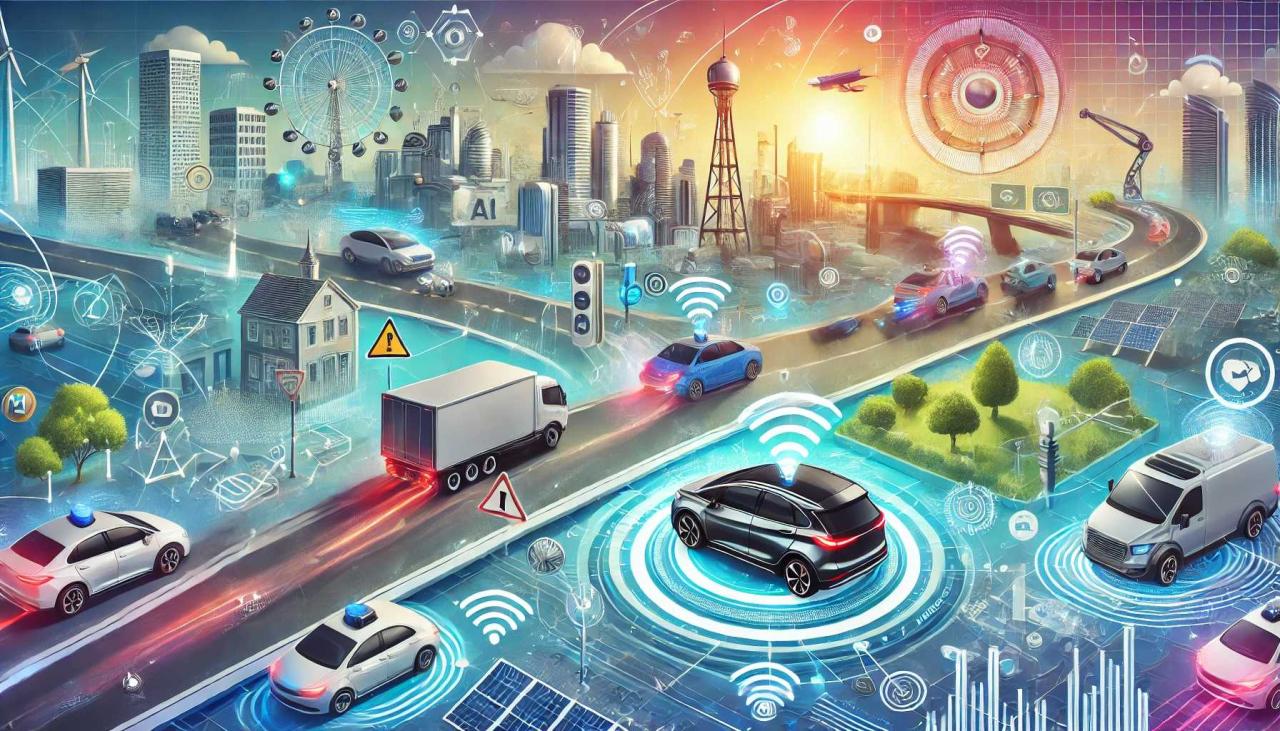
The rise of autonomous vehicles (AVs) has ushered in a new era of transportation, but it also brings with it a myriad of ethical dilemmas. As machines take over decision-making processes traditionally handled by humans, the ethical implications of their programming become nuanced and complex. Key dilemmas center around how these vehicles should respond in critical situations, particularly in accident scenarios, where choices may result in either saving or sacrificing lives.
Major ethical dilemmas in decision-making processes
Autonomous vehicles are programmed to make real-time decisions based on algorithms that may not always align with human moral values. The ethical dilemmas include the following:
-
The trolley problem
: This classic ethical dilemma presents a scenario where an AV must choose between two harmful outcomes, such as swerving to avoid a pedestrian at the cost of passengers in the vehicle.
-
Value of human life
: Decisions made by AVs may inadvertently prioritize certain lives over others based on programmed criteria, raising concerns about discrimination and social equity.
-
Responsibility and accountability
: When an AV is involved in an accident, questions arise about who is liable—the manufacturer, the software developer, or the owner of the vehicle?
-
Transparency in algorithms
: The lack of transparency regarding how AVs make decisions complicates public trust and raises concerns about hidden biases in the programming.
Public perception plays a significant role in the acceptance of autonomous vehicles, especially when considering moral decisions in accident scenarios. Many individuals express discomfort with the idea that a machine may decide who lives and dies during a crash. Surveys indicate that while consumers are generally optimistic about AV technology, the ethical quandaries surrounding decision-making in life-threatening situations foster skepticism and fear. Ensuring that autonomous vehicles operate within a framework aligned with societal values is essential for building public trust.
Potential regulatory frameworks
Addressing the ethical challenges of autonomous vehicles requires robust regulatory frameworks that can effectively govern their deployment and operation. Potential strategies include:
- Establishing ethical guidelines for AV programming that prioritize human life and fairness.
- Creating independent oversight bodies to review the algorithms and decision-making processes of AVs to ensure transparency and accountability.
- Implementing mandatory reporting systems for AV accidents to analyze decision-making patterns and improve safety protocols.
- Encouraging public engagement in developing regulations to reflect societal values and enhance acceptance.
The ethical landscape surrounding autonomous vehicles is intricate and multifaceted. Regulatory frameworks must evolve to address these challenges comprehensively, ensuring that the deployment of AV technology aligns with ethical standards and public expectations.
The role of legislation and government regulation in autonomous vehicle integration
The integration of autonomous vehicles (AVs) into everyday transportation systems hinges significantly on the legislative landscape. Current laws governing AVs vary widely, impacting manufacturers and consumers in profound ways. Regulations shape everything from vehicle design and testing to insurance requirements and liability in the event of accidents. In the United States, for example, the National Highway Traffic Safety Administration (NHTSA) has issued guidelines but lacks comprehensive federal legislation, leading to a patchwork of state laws. Some states, like California, have more progressive regulations that encourage testing and deployment, while others remain cautious, imposing strict limits.
For manufacturers, navigating this regulatory maze can be complex and costly, potentially stifling innovation. Consumers, on the other hand, may face uncertainties regarding safety, insurance, and accountability. The implications of these laws extend beyond the automotive industry, affecting urban planning, public transportation systems, and even consumer trust in new technology.
Importance of a standardized regulatory framework
Creating a standardized regulatory framework is essential to harmonizing safety and technology requirements for AVs. Such a framework would facilitate uniformity in testing standards, data sharing, and safety protocols, which are crucial for public confidence in autonomous technology. A consistent approach can help streamline the approval process for new AV technologies, enabling manufacturers to bring products to market more efficiently.
Key elements of a standardized framework include:
- Safety Standards: Establishing clear safety benchmarks that all manufacturers must meet ensures a baseline level of vehicle safety across the board.
- Data Privacy and Security: Regulations should address how data generated by AVs is handled, ensuring consumer privacy and cybersecurity.
- Insurance and Liability: Defining liability in the event of an accident involving an AV is critical, as it influences insurance models and consumer protection.
The lack of standardization can lead to confusion and insecurity among consumers, ultimately hindering the adoption of AV technology.
Comparative legislative approaches across countries
Countries around the world are adopting varying legislative approaches to autonomous vehicle deployment. For instance, in Germany, lawmakers have set a precedent with a law that allows fully autonomous cars to be driven without a human present under certain conditions. This significantly promotes innovation and testing within the country. In contrast, countries like Japan are taking a more cautious approach, focusing on detailed regulations that prioritize public safety over rapid deployment.
The effectiveness of these legislative strategies can be observed in the speed of AV adoption:
- United States: The fragmented regulatory framework results in uneven progress, with some states leading in AV technology while others lag behind.
- United Kingdom: The UK is moving towards comprehensive legislation that could potentially unify its approach, allowing for more seamless AV integration.
- China: With aggressive government support, China is rapidly advancing in AV technology, positioning itself as a global leader.
The legislative landscape inevitably shapes the future of autonomous vehicles, influencing both their development and societal acceptance.
The environmental benefits and challenges posed by autonomous vehicles
Autonomous vehicles (AVs) hold significant promise for transforming our transportation systems and enhancing environmental sustainability. With advancements in technology, these vehicles have the potential to not only improve road safety but also contribute substantially to reducing carbon emissions and optimizing fuel efficiency. Understanding both the benefits and challenges associated with AVs is critical as we approach a more automated future.
Contribution to reducing carbon emissions and improving fuel efficiency
Autonomous vehicles leverage advanced algorithms and sensors to optimize driving patterns, which can lead to notable improvements in fuel efficiency. By minimizing unnecessary acceleration, braking, and idling times, AVs can reduce fuel consumption significantly. Moreover, studies indicate that if widely adopted, autonomous vehicles could lead to a reduction in carbon emissions by up to 30%, particularly when integrated with electric powertrains.
Electric autonomous vehicles (EAVs) are already paving the way for greener urban transport. Their reliance on electricity, especially when sourced from renewable energy, drastically cuts down on greenhouse gas emissions compared to conventional gasoline-powered vehicles. The implementation of car-sharing services and ride-hailing platforms further enhances this ecological advantage by reducing the number of vehicles needed on the road, subsequently decreasing traffic congestion and emissions.
Key initiatives designed to maximize the ecological benefits of autonomous vehicles include:
- Smart City Projects: Cities like San Francisco and Helsinki are integrating autonomous vehicles into public transport systems to create more efficient urban mobility solutions.
- Battery Recycling Programs: Companies like Tesla are investing in battery recycling technologies to minimize environmental impacts related to battery disposal, thereby improving the lifecycle of EAVs.
- Renewable Energy Integration: Initiatives aimed at equipping autonomous vehicles with the ability to charge from solar or wind energy sources are being developed, offering sustainable energy solutions.
“The shift towards autonomous vehicles provides a pivotal opportunity to reduce our carbon footprint and reshape urban environments for a more sustainable future.”
Despite these benefits, challenges still loom over the environmental promise of autonomous vehicles. The manufacturing processes for these high-tech vehicles often require significant energy and raw materials, contributing to environmental degradation. Additionally, the disposal of lithium-ion batteries poses a serious challenge due to the harmful substances they contain. The energy consumption associated with producing electric vehicles also raises concerns about their overall sustainability. As the market for autonomous vehicles continues to grow, tackling these challenges will be essential in ensuring their positive environmental impact.
The influence of consumer behavior on the acceptance of autonomous vehicles
The acceptance of autonomous vehicles (AVs) hinges significantly on consumer behavior. Understanding the factors that drive or hinder this acceptance is critical for manufacturers and policymakers alike. As AV technology progresses, the need for consumer trust and willingness to adopt these vehicles becomes paramount.
Consumer trust and willingness to adopt AVs are influenced by several factors. One primary factor is perceived safety; consumers are likely to embrace technology they believe will enhance their safety on the road. For example, studies have shown that individuals who perceive AVs as safer than traditional vehicles are more inclined to accept them. The level of technology literacy also plays a role; those familiar with digital advancements tend to exhibit greater confidence in AV technology. In addition, experiences with other automated technologies, such as smartphones or smart home devices, can shape attitudes toward AVs.
Marketing and Education Impact on Public Perception
Marketing strategies and educational initiatives are essential in shaping the public’s perception of AVs. Effective communication about the technology’s safety features and benefits can significantly alter consumer attitudes.
– Safety Campaigns: Targeted campaigns that highlight the statistical safety improvements of AVs compared to human drivers can foster trust. For instance, studies indicate that marketing efforts that incorporate real data on accident reduction can sway public opinion positively.
– Consumer Education Programs: Educational initiatives aimed at informing consumers about how AVs operate and their potential benefits can bridge the knowledge gap. Programs that provide hands-on experience with AV technology can demystify the vehicles and enhance consumer confidence.
– Influencer Endorsements: Utilizing trusted figures in technology and safety can help legitimize AVs in the eyes of the public. Endorsements from credible sources can have a profound effect on consumer acceptance.
Demographic trends also play a crucial role in the acceptance and adoption rates of AVs. Younger consumers, who are generally more tech-savvy and open to innovation, show a higher likelihood of adoption compared to older generations. Moreover, urban dwellers may be more inclined to accept AVs due to their exposure to smart technologies and the issues of urban mobility.
– Age: Younger individuals, particularly Millennials and Gen Z, display a greater openness to autonomous technology, driven by familiarity with digital innovations.
– Income Levels: Higher-income individuals may have more access to AVs and the resources to adopt new technologies, affecting overall acceptance rates.
– Geographic Location: Residents in urban areas may have different perceptions of AVs compared to those in rural regions, influenced by the availability of public transport and infrastructure.
Understanding these consumer behavior dynamics is key to fostering a conducive environment for the acceptance of autonomous vehicles.
The future of urban planning in relation to autonomous vehicles
As autonomous vehicles (AVs) become an integral part of our transportation landscape, urban planning must evolve to accommodate their unique characteristics and operational needs. The integration of AVs into city infrastructure offers both opportunities and challenges, prompting city planners to rethink road designs, parking solutions, and public transport systems. The shift towards AVs could redefine urban environments, promoting safer, more efficient, and sustainable mobility solutions.
Cities will need to adapt their infrastructure significantly to accommodate the rise of autonomous vehicles. This adaptation may involve redesigning road networks to facilitate easier navigation for AVs, which often rely on precise mapping and sensor data. Traditional road designs, which prioritize human-driven vehicles, may not be optimal for AV technology. Therefore, urban planners might consider the following adjustments:
Infrastructure Changes for Autonomous Vehicles
Implementing AV-friendly infrastructure is crucial for maximizing the benefits of this technology. Key changes could include:
- Dedicated Lanes: Cities may establish dedicated lanes for AVs, which can improve traffic flow and reduce congestion. These lanes would allow AVs to communicate with each other and with traffic management systems, optimizing their movements.
- Smart Traffic Signals: Upgrading traffic signals to smart systems that communicate with AVs can enhance efficiency. Traffic lights that adjust in real-time based on the presence of AVs could minimize wait times and improve safety.
- Redesigning Parking Solutions: With the potential for AVs to drop off passengers and park themselves, urban areas may need to rethink parking structures. Multi-level parking facilities or designated drop-off zones could free up valuable urban space.
- Pedestrian and Bicycle Integration: As AVs take over more road space, cities will need to enhance infrastructure for pedestrians and cyclists, ensuring safety and accessibility in this new transportation ecosystem.
Several cities are already making strides to integrate autonomous vehicle technology into their urban plans. For instance, cities like Pittsburgh and San Francisco are actively testing AVs in mixed traffic environments, gathering data to inform future infrastructure investments. In Dubai, the government aims to have 25% of all transportation in the city be autonomous by 2030, focusing on extensive planning to support this transition.
In conclusion, as cities move towards a future dominated by autonomous vehicles, reimagining urban spaces, transportation systems, and infrastructure will be pivotal. By proactively addressing these changes, urban planners can create safer, more efficient, and environmentally friendly cities that embrace the benefits of AV technology.
The challenges of cybersecurity in the world of autonomous vehicles
As autonomous vehicles (AVs) become more integrated into our daily lives, the importance of cybersecurity cannot be overstated. With their reliance on complex software systems and connectivity to external networks, AVs are more vulnerable to cyber threats than traditional vehicles. Cybersecurity in this context is crucial as it ensures the safety of passengers, protects sensitive data, and maintains overall vehicular integrity.
The cybersecurity threats facing autonomous vehicles are multifaceted and can lead to severe consequences if not properly addressed. One primary threat is hacking, where malicious actors can gain unauthorized access to vehicle systems. This could result in the manipulation of critical driving functions, posing risks to passengers and other road users.
Additionally, AVs are susceptible to data breaches that could expose sensitive information, such as location data, driving habits, and personal identification details. The potential consequences of these breaches extend beyond individual privacy concerns. For example, if a hacker gains control of a fleet of autonomous taxis, they could create chaos in urban environments or even use these vehicles for criminal activities. Moreover, the interconnected nature of AVs means that a successful cyberattack on one vehicle could potentially spread to others, amplifying the effects of the breach on a larger scale.
Strategies for safeguarding autonomous vehicles from cyber threats
To combat these challenges, manufacturers and developers must adopt a multi-faceted approach to cybersecurity. The following strategies are essential in safeguarding autonomous vehicles from potential threats:
- Robust Encryption Mechanisms: Implementing strong encryption protocols for data transmission ensures that sensitive information remains secure and inaccessible to unauthorized users.
- Regular Software Updates: Frequent updates are crucial for patching vulnerabilities in the software. This proactive approach helps to keep AV systems secure against newly discovered threats.
- Intrusion Detection Systems (IDS): Utilizing IDS can help detect and respond to unauthorized access attempts in real-time, minimizing the risk of successful attacks.
- Collaboration with Cybersecurity Experts: Partnering with specialized cybersecurity firms can provide manufacturers with advanced knowledge and techniques to safeguard their systems effectively.
Continuous updates and monitoring for security vulnerabilities are paramount for the protection of autonomous vehicles. As technology evolves, so do the tactics employed by cybercriminals. Manufacturers must ensure that their vehicles receive timely upgrades to counteract emerging threats. Regular assessments and penetration testing should be part of the vehicle’s lifecycle to identify and remediate weaknesses before they can be exploited.
“Cybersecurity is not a one-time effort; it requires ongoing vigilance and adaptation to stay ahead of potential threats.”
Ensuring the safety and integrity of autonomous vehicles through effective cybersecurity measures will ultimately foster public trust and pave the way for broader acceptance of this transformative technology.
Epilogue
In conclusion, the journey towards fully autonomous vehicles is filled with excitement, challenges, and opportunities. As we embrace this technological evolution, it’s essential to consider the economic, environmental, and ethical implications of these innovations. The integration of autonomous vehicles is not just about improving transportation; it’s a profound shift that could redefine our daily lives and the infrastructure of our cities. The road ahead may be complex, but the potential benefits make it a worthwhile endeavor.
Popular Questions
What are autonomous vehicles?
Autonomous vehicles are self-driving cars equipped with technology that allows them to navigate and operate without human intervention.
How do autonomous vehicles improve safety?
They reduce human errors, which are responsible for the majority of accidents, by utilizing advanced sensors and AI to make real-time driving decisions.
What industries will be most affected by autonomous vehicles?
Transportation, logistics, and insurance are among the industries expected to experience significant disruption due to the rise of autonomous vehicles.
Will autonomous vehicles create or eliminate jobs?
While some jobs may be displaced, new roles in technology, maintenance, and regulation will likely emerge as the industry evolves.
What are the ethical concerns surrounding autonomous vehicles?
Key concerns include decision-making in accident scenarios, data privacy, and the moral implications of programming vehicles for specific outcomes.
How are regulations evolving for autonomous vehicles?
Regulations vary by country, with ongoing discussions about safety standards, liability, and the need for a standardized framework to ensure safe deployment.
What environmental benefits do autonomous vehicles offer?
They can reduce carbon emissions and enhance fuel efficiency through optimized driving patterns and reduced congestion.
How can cybersecurity threats be mitigated in autonomous vehicles?
Manufacturers can implement robust security measures, conduct regular updates, and ensure continuous monitoring to safeguard against hacking and data breaches.