Automation has become a defining feature of modern society, reshaping how we work and live. As we navigate through the complexities of various industries, it’s fascinating to see how automation technologies have evolved over time, making processes faster, safer, and more efficient.
This transformation spans from the early days of simple mechanization to the sophisticated systems we see today, driven by advancements in artificial intelligence and machine learning. Understanding the impact of automation not only reveals its benefits but also challenges us to consider the future it creates.
The Evolution of Automation Technologies
The journey of automation technologies is a fascinating tale that traces back to ancient times and has continually transformed the way industries operate. Initially, automation was primarily about mechanization, where machines began to perform tasks that were once carried out manually. This shift not only enhanced productivity but also laid the foundation for further advancements in various sectors, including manufacturing, agriculture, and services.
The transition from manual processes to automated systems has been driven by the need for efficiency, accuracy, and cost-effectiveness. In the early stages, the Industrial Revolution marked a significant turning point, introducing steam engines and power looms that replaced hand-operated tools. This pivotal change allowed for mass production, which significantly increased output and reduced labor costs. The introduction of assembly lines in the early 20th century further revolutionized manufacturing by enabling the rapid production of goods through a streamlined workflow.
As technology progressed, the latter half of the 20th century saw the advent of programmable logic controllers (PLCs) and computer-aided design (CAD) systems. These innovations allowed for greater flexibility and control over manufacturing processes. The rise of robotics in the 1980s and 1990s further transformed industries by enabling machines to perform complex tasks with precision. Automation technologies began to infiltrate sectors beyond manufacturing, impacting fields like healthcare, finance, and logistics. In healthcare, automated systems for patient management and robotic surgical assistants have improved patient care, showcasing the versatility of automation across various domains.
Key milestones that have shaped automation include the introduction of the first automated assembly line by Henry Ford in 1913, the development of the first industrial robot, Unimate, in the 1960s, and the subsequent emergence of artificial intelligence (AI) in the 21st century. AI has redefined automation by enabling machines to learn from data and make informed decisions, further automating complex processes.
Today, automation continues to evolve with advancements in machine learning, Internet of Things (IoT), and cloud computing, making the automation landscape more interconnected and efficient than ever before. As automation technologies advance, they promise to reshape industries and redefine the future of work, all while enhancing productivity and improving the quality of life.
The Role of Artificial Intelligence in Automation
Artificial Intelligence (AI) plays a pivotal role in enhancing automation processes across various sectors by introducing intelligence and decision-making capabilities that traditional automation lacks. AI enables systems to analyze data, learn from experiences, and adapt over time, which significantly improves efficiency and effectiveness in numerous applications.
AI-driven automation solutions are transforming industries such as manufacturing, healthcare, and finance by streamlining operations and facilitating better resource management. In manufacturing, for instance, AI-powered robots can not only perform repetitive tasks but also identify defects in products through advanced vision systems. This leads to higher quality assurance rates and reduced waste. A prime example is the use of AI in predictive maintenance, where machines equipped with sensors analyze performance data to predict potential failures before they occur, thereby minimizing downtime.
In the healthcare sector, AI enhances automation through solutions like robotic surgical assistants and AI-driven diagnostic tools. Robotic systems, such as the da Vinci Surgical System, allow for minimally invasive procedures that improve patient recovery times and reduce the risk of complications. Furthermore, AI algorithms can analyze medical images with precision, assisting radiologists in identifying early signs of diseases like cancer. This integration results in faster diagnoses and more personalized treatment plans, ultimately improving patient outcomes.
Finance is another sector where AI and automation are making significant strides. Algorithms can automate trading by analyzing vast amounts of market data in real time, enabling firms to execute trades with speed and precision. Additionally, AI chatbots provide customer support, handling inquiries and transactions efficiently. For example, companies like Bank of America utilize AI-driven virtual assistants to help customers manage their finances seamlessly.
The integration of AI with automation brings numerous benefits. Enhanced productivity is one of the most notable, as AI systems can operate continuously without fatigue, leading to increased output. Additionally, AI can optimize resource allocation, reducing operational costs. The ability to analyze large datasets allows businesses to gain insights into consumer behavior, improving marketing strategies and product development.
However, there are challenges associated with this integration. One significant concern is the potential displacement of jobs due to increased automation, particularly in roles that involve repetitive tasks. As AI systems become more capable, there may be a need for reskilling and upskilling the workforce to adapt to changing job requirements. Furthermore, issues surrounding data privacy and security arise, particularly in industries like healthcare and finance where sensitive information is processed.
Integrating AI with automation has the power to revolutionize industries, but it also necessitates careful consideration of the ethical and practical implications.
Overall, the role of artificial intelligence in automation illustrates a transformative shift in how industries operate, providing opportunities for greater efficiency while also presenting challenges that society must address.
Automation in Everyday Life
Automation has seamlessly woven itself into the fabric of our daily routines, enhancing convenience and efficiency in ways previously unimaginable. Today, we find ourselves surrounded by a myriad of automated systems that not only simplify our tasks but also enrich our lifestyles. From the moment we wake up to the time we go to bed, automation has taken on a pivotal role, transforming mundane chores into effortless experiences and allowing us to focus on what truly matters.
Integration of Automation in Consumer Products
The integration of automation into home appliances, smart devices, and transportation has significantly impacted our efficiency and lifestyle. Modern homes are increasingly equipped with smart devices designed to streamline daily activities. Smart thermostats like the Nest Learning Thermostat can adapt to user behavior, adjusting temperature settings automatically for optimal comfort and energy savings. Similarly, robotic vacuum cleaners, such as the Roomba, autonomously navigate through living spaces, keeping floors clean without any manual effort.
In the realm of kitchen appliances, products like smart ovens and programmable coffee makers allow users to prepare meals and beverages with minimal input. For instance, a smart oven can be preheated remotely via a smartphone app, ensuring that dinner is ready when you arrive home. Moreover, smart speakers like Amazon Echo or Google Home not only serve as entertainment hubs but also control various smart devices through voice commands, creating a cohesive and user-friendly ecosystem.
Transportation has also been revolutionized by automation. The advent of ride-sharing services such as Uber and Lyft exemplifies how technology can efficiently connect passengers with drivers at the touch of a button. Moreover, advancements in autonomous vehicles are paving the way for a future where cars can navigate traffic and make decisions without human intervention, promising to reduce accidents and enhance mobility.
The implications of these technologies extend beyond mere convenience; they redefine our approach to time management and productivity. Automation frees individuals from repetitive tasks, allowing more time for leisure, work, and family. As we continue to embrace these innovations, the potential for increased efficiency and improved quality of life is immense, marking a significant shift in how we interact with our environments and the tools available to us.
The Economic Impact of Automation
Automation has become an integral part of modern economies, leading to significant transformations in job markets and overall economic growth. As businesses adopt automation technologies, they experience increased efficiency and productivity. However, these advancements come with complex effects on employment rates and the nature of work itself. Understanding the economic implications of automation is crucial for policymakers, businesses, and workers as societies navigate this shifting landscape.
The impact of automation on job markets is multifaceted. While automation can lead to job displacement in certain sectors, it can also create new job opportunities in emerging fields. For instance, according to a McKinsey report, by 2030, up to 375 million workers globally may need to switch occupational categories due to automation. This shift emphasizes the importance of reskilling and upskilling the workforce to meet changing demands. The growth of industries such as software development, robotics maintenance, and data analysis illustrates how automation can drive job creation, albeit in different areas than those that are being automated.
Advantages and Disadvantages of Automation
Exploring the benefits and drawbacks of automation is essential to fully grasp its economic impact. Businesses and workers experience automation differently, leading to various economic outcomes. Below are the key advantages and disadvantages:
Advantages for Businesses:
1. Increased Efficiency: Automation streamlines processes, reducing time and costs associated with manual labor.
2. Consistency and Quality Control: Automated systems maintain high quality and reduce errors, enhancing product reliability.
3. Scalability: Automation allows businesses to scale operations rapidly without a corresponding increase in labor costs.
Disadvantages for Businesses:
1. High Initial Costs: Implementing automation technologies can require significant upfront investment, which may deter some businesses.
2. Dependency on Technology: Over-reliance on automation can lead to vulnerabilities, especially if systems fail or are compromised.
Advantages for Workers:
1. Job Creation in New Fields: Automation generates demand for skilled workers in technology and maintenance roles.
2. Enhanced Job Safety: Automation can take over dangerous tasks, improving workplace safety for employees.
Disadvantages for Workers:
1. Job Displacement: Many low-skill jobs are at risk of being automated, leading to unemployment for affected workers.
2. Wage Polarization: Automation may contribute to wage disparity, where high-skill jobs see wage increases while low-skill jobs face stagnation or decline.
The long-term economic trends driven by automation technologies include a shift towards a more knowledge-oriented economy. As routine tasks become automated, emphasis is placed on creativity, problem-solving, and interpersonal skills. For example, industries such as healthcare and education are integrating automation to enhance service delivery while requiring a human touch to address complex needs. Furthermore, economic growth may increasingly hinge on technological advancement, with countries investing in automation to remain competitive in the global market.
“Future economic growth is likely to depend on the successful integration of automation technologies, which will reshape job markets and required skills.”
In summary, navigating the economic landscape influenced by automation requires a holistic approach that balances technological advancement with workforce development. As businesses evolve and adapt, the focus must remain on fostering an environment where workers can thrive alongside technology, ensuring that the economic benefits of automation are realized across all sectors.
Overcoming Resistance to Automation Adoption

The shift toward automation in organizations is often met with resistance, as employees may fear job displacement or feel overwhelmed by technological changes. Understanding the common barriers to automation adoption is crucial for leaders aiming to implement effective solutions. This discussion addresses the challenges organizations face and suggests strategies to ease the transition into automated systems.
Barriers to Automation Implementation
Organizations encounter several common barriers when attempting to implement automation solutions. Recognizing these obstacles is essential for formulating effective strategies. The following key issues often hinder successful automation integration:
- Cultural Resistance: Employees may resist change due to a fear of the unknown or concerns over job security. This cultural inertia can impede the adoption process.
- Lack of Understanding: Insufficient knowledge about automation and its benefits can lead to skepticism. Employees must comprehend how automation will enhance their roles rather than replace them.
- Inadequate Training: Without proper training, employees may feel unprepared to work with new technologies, fostering reluctance to embrace automation.
- Financial Concerns: The initial investment in automation technology can be daunting for companies, leading to hesitation in committing resources.
- Integration Challenges: Existing systems may not be compatible with new automation tools, which complicates the implementation process and can discourage efforts to adopt new solutions.
Strategies for Smoother Transition to Automation
Facilitating a successful transition to automated systems requires strategic planning and careful execution. Several practices can help ease the adoption process and mitigate resistance:
- Engagement and Communication: Open communication about the benefits of automation fosters a culture of trust. Involve employees in discussions and decisions related to automation to reduce fears and misconceptions.
- Comprehensive Training Programs: Develop tailored training programs that equip employees with the necessary skills to work with automated systems. Highlighting how automation can alleviate their workloads and enhance productivity will be beneficial.
- Leadership Support: Strong leadership endorsement of automation initiatives can influence employee attitudes positively. Leaders should model acceptance of change and demonstrate a commitment to the process.
- Pilot Programs: Implement pilot projects that allow employees to experience the benefits of automation on a small scale. This approach can help alleviate concerns and build confidence in broader implementation.
- Feedback Mechanisms: Establish channels for employees to share their experiences and concerns about the automation process. This feedback can inform adjustments and improve implementation strategies.
“Successful change management is not just about technology; it’s about people.”
Change management practices play a vital role in the successful adoption of automation. Organizations that prioritize understanding and addressing employee concerns will find that resistance diminishes, paving the way for a more seamless integration of automation technologies.
The Future of Automation
Automation technologies are rapidly evolving, reshaping industries and our daily lives in unprecedented ways. The future is poised for remarkable advancements, driven by new innovations that promise to enhance productivity, efficiency, and creativity across various sectors. As we advance, the integration of cutting-edge technologies will redefine what we consider possible in automation.
With the rise of robotics, the Internet of Things (IoT), and machine learning, industries are experiencing a transformational shift. These technologies are not merely enhancing existing processes but are also enabling entirely new ways of operating. High-level automation will increasingly rely on intelligent systems that communicate with one another, creating more cohesive and responsive environments. The interaction between machine learning algorithms and robotics will allow for more adaptive and autonomous systems, leading to better decision-making and increased operational speed.
Emerging Trends in Automation
The synergy of various technologies is critical for the future of automation. The following trends highlight how these advancements will shape industries:
Firstly, the rise of collaborative robots, or cobots, is a game changer. Unlike traditional industrial robots, cobots work alongside humans, enhancing productivity without displacing the workforce. For instance, companies like Universal Robots are already implementing cobots in assembly lines, allowing for more flexible work setups and reducing the strain on workers.
Secondly, the integration of IoT with automation will enable smarter factories. By connecting machines and systems to the internet, real-time data collection and analysis will improve operational efficiency and predictive maintenance. This connectivity allows businesses to anticipate equipment failures and optimize logistics, as seen in companies like Siemens and General Electric.
Moreover, machine learning algorithms will play a pivotal role in data processing and decision-making. These algorithms will not only automate repetitive tasks but also analyze large datasets to identify trends and insights that humans may overlook. An example is how Amazon uses machine learning to optimize its supply chain and inventory management, leading to significant cost savings and improved customer satisfaction.
The future of automation is also characterized by a greater emphasis on ethical considerations and workforce reskilling. As automation becomes more widespread, companies will need to address the potential displacement of jobs and prioritize the upskilling of their workforce. Organizations that invest in training programs will likely see a more adaptable and resilient workforce.
In conclusion, the advancements in automation technology, from robotics to machine learning, will continue to reshape industries, making them more efficient and interconnected. As these trends unfold, they promise to create new opportunities and challenges that will require careful navigation by businesses and workers alike.
Ethical Considerations in Automation Deployment
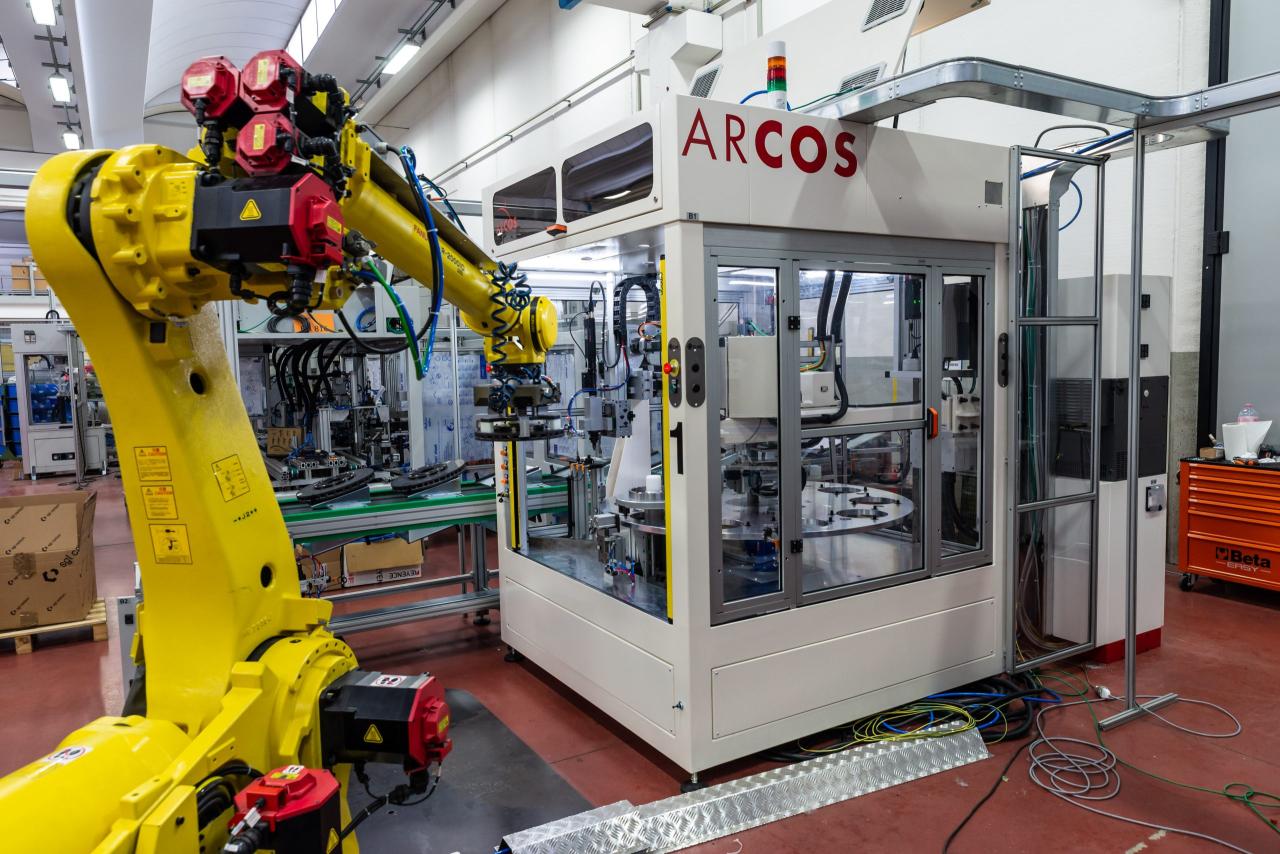
As automation technologies continue to evolve and integrate into various sectors, the ethical implications surrounding their deployment become increasingly critical. The conversation about automation often centers on efficiency and productivity. However, the impact on employment, societal norms, and individual rights cannot be overlooked. Companies must navigate these ethical waters carefully to ensure that their automation strategies do not unduly harm workers or create unjust disparities.
Ethical Implications of Automating Jobs
The transition toward automation raises significant ethical concerns regarding employment displacement and bias in algorithmic decision-making. The potential for automation to eliminate jobs is a pressing issue. For instance, in manufacturing, machines increasingly handle tasks previously performed by humans, leading to job losses in certain sectors. According to a report from the World Economic Forum, up to 85 million jobs may be displaced by automation by 2025, but the same report also mentions the creation of 97 million new roles that will emerge in a technology-driven world.
The concern here lies not just in job loss but in the process itself. Automated systems can inadvertently perpetuate or even exacerbate biases. For example, hiring algorithms trained on historical data can reflect racial, gender, and socioeconomic biases present in the data, leading to discriminatory hiring practices. A notable case is that of Amazon, which scrapped its AI recruitment tool after it showed bias against women. Such instances emphasize the necessity for ethical frameworks that ensure fairness and transparency in algorithmic processes.
Responsibilities of Companies Towards Affected Employees
Companies have a moral obligation to consider the welfare of employees affected by automation. This responsibility encompasses providing support and resources to help workers transition into new roles, such as retraining programs and career counseling. Firms like AT&T and Amazon are examples of organizations investing in upskilling initiatives. They recognize that transitioning to new employment landscapes requires commitment to employee development.
Moreover, fair treatment includes transparent communication about automation plans and their implications. Employees deserve to understand how automation affects their roles and what measures the company is taking to support them. This could involve engaging with employees early in the automation process to address concerns and gather input.
Importance of Developing Ethical Frameworks for Automation Use
As automation becomes ingrained in business practices, developing ethical frameworks is essential for guiding its implementation. Such frameworks can provide a structured approach to balancing innovation with social responsibility. These guidelines should focus on several key areas:
- Accountability: Companies must be held accountable for the outputs of their automated systems, especially when they affect people’s lives.
- Transparency: Clear communication about how and why automation decisions are made can build trust with employees and consumers alike.
- Equity: Ensuring that automation does not disproportionately affect marginalized groups is crucial for fostering an inclusive workplace.
- Continuous evaluation: Regularly assessing automated systems for bias and fairness can help mitigate harmful impacts before they escalate.
Developing these ethical frameworks is not merely a compliance exercise; it is vital for fostering a sustainable future where technological advancements benefit all stakeholders. In fostering a culture of ethical automation, companies can create an environment that values human contribution while embracing the efficiencies that technology can bring.
Closing Notes
In conclusion, the journey of automation has revolutionized industries, impacting everything from employment to everyday conveniences. While it presents numerous opportunities for growth and efficiency, it also calls for a thoughtful approach to address the ethical and economic implications that come with these advancements. Embracing automation responsibly will be key to ensuring a balanced future for all.
Clarifying Questions
What is automation?
Automation refers to the use of technology to perform tasks without human intervention, streamlining processes in various industries.
How does automation affect jobs?
While automation can lead to job displacement, it also creates new roles and opportunities focused on managing and maintaining automated systems.
What industries benefit most from automation?
Industries such as manufacturing, healthcare, finance, and logistics have seen significant benefits from automation, enhancing productivity and efficiency.
Are there risks associated with automation?
Yes, risks include job loss, potential biases in AI systems, and the ethical implications of replacing human roles with machines.
What trends should we watch in automation?
Emerging trends include the integration of AI, robotics, and the Internet of Things (IoT), which promise to further transform the automation landscape.