Augmented Reality, or AR, is revolutionizing how we interact with the digital world, blending virtual elements with our physical surroundings. This technology has evolved from rudimentary beginnings into sophisticated applications that enhance user experiences across various sectors. With roots tracing back to the 1960s, AR has matured through significant milestones, driven by innovations and contributions from pioneers in the field, paving the way for its current prominence in everyday life.
Today, AR captivates users with immersive experiences, integrating seamlessly into industries such as education, healthcare, and retail, making learning and shopping more interactive and engaging. Whether through training simulations or virtual try-ons, AR holds the promise of transforming conventional methods, enhancing both efficiency and enjoyment in users’ interactions with technology.
The fundamentals of Augmented Reality and its historical development
Augmented Reality (AR) is a transformative technology that overlays digital information onto the physical world, enhancing our interaction with our surroundings. Its evolution has been shaped by technological advancements and innovative thinkers who have contributed to its growth from a conceptual idea to a widely applied technology.
The journey of AR begins with its conceptual foundations in the 1960s. One of the pivotal moments was the development of the “Sword of Damocles” by Ivan Sutherland in 1968, who created the first head-mounted display system. This groundbreaking invention laid the groundwork for future AR applications. In the 1980s, the term “Augmented Reality” was coined by Tom Caudell, a researcher at Boeing, to describe a digital display system that assisted workers in assembling aircraft.
The 1990s witnessed significant advancements with the advent of ARToolKit, an open-source software library developed by Hirokazu Kato. This tool enabled the creation of AR applications by utilizing computer vision technology. A key milestone occurred in 1999 when a group of researchers at the University of North Carolina showcased the first mobile AR system, which allowed users to experience AR on handheld devices, pushing the boundaries of accessibility and usability.
The 2000s marked AR’s transition into commercial applications. The launch of smartphones equipped with cameras and sensors provided a new platform for AR experiences. In 2009, the introduction of Layar, one of the first mobile AR browsers, allowed users to view AR content through their smartphones. This innovation paved the way for the widespread use of AR in various industries, including gaming, education, and retail.
The contributions of notable figures have been instrumental in steering the development of AR. Besides Sutherland and Caudell, figures like Steve Mann, who is often referred to as the “father of wearable computing,” have played a crucial role. Mann’s experiments with wearable AR systems have inspired many modern applications, emphasizing the potential of integrating digital information with daily life.
The continuous evolution of Augmented Reality technology is evident today, with advancements in artificial intelligence, computer vision, and hardware capabilities, shaping a promising future for immersive experiences that blend the virtual and real worlds seamlessly.
The technology behind Augmented Reality and the role of software
Augmented Reality (AR) is a fascinating technology that blends the digital and physical worlds, allowing users to experience enhanced environments through their devices. This capability is driven by a combination of hardware and software, which together create immersive experiences. Understanding the underlying technologies and software tools is essential for grasping how AR applications come to life and deliver engaging interactions.
The core technologies enabling AR experiences encompass a range of hardware and software components, including sensors, displays, and algorithms. At the heart of AR technology are sensors, such as cameras, accelerometers, and gyroscopes, which gather data about the user’s environment and movements. Cameras capture the real-world scene, while sensors provide information about orientation and position, allowing the software to accurately overlay digital elements onto the physical world.
Another key component is the processing power of devices, which includes both mobile phones and specialized AR glasses. These devices require robust processors to handle the computational demands of rendering graphics and processing sensor data in real-time. Additionally, GPS and other location-based services play a crucial role in enhancing AR experiences, particularly in applications that depend on the user’s geographical position.
Software tools for creating Augmented Reality applications
Developing AR applications involves utilizing a variety of software tools that facilitate the creation and deployment of immersive experiences. These tools range from game engines to specialized software development kits (SDKs).
The most prominent game engines include Unity and Unreal Engine, both of which offer powerful capabilities for AR development. Unity, for instance, provides a user-friendly interface and a vast asset store, making it suitable for developers of all skill levels. With built-in support for AR, Unity enables creators to design rich, interactive environments with relative ease. Unreal Engine, on the other hand, is known for its high-fidelity graphics, appealing to developers aiming for visually stunning AR applications.
In addition to game engines, there are several dedicated AR SDKs that streamline the development process. These include:
- ARKit (for iOS): Developed by Apple, ARKit allows developers to build AR experiences that leverage the advanced capabilities of iOS devices.
- ARCore (for Android): Google’s ARCore provides tools for creating AR applications on Android devices, focusing on environmental understanding and motion tracking.
- Vuforia: A widely used AR platform that supports both Android and iOS, Vuforia specializes in image recognition and tracking to overlay digital content accurately.
Programming languages utilized in Augmented Reality development
The development of AR solutions involves various programming languages that cater to different aspects of application functionality and performance. The choice of programming language is often dictated by the platform for which the application is being developed.
For mobile AR applications, Swift and Objective-C are commonly used for iOS development, while Java and Kotlin are preferred for Android applications. These languages provide developers with the tools to create responsive and efficient applications tailored to their respective platforms.
In the context of game engines, C# is predominantly used with Unity, while Unreal Engine primarily utilizes C++. This allows developers to write performance-intensive code that can handle complex AR functionalities, such as real-time rendering and physics calculations.
Programming languages also extend to web-based AR experiences, where JavaScript, along with frameworks like A-Frame and Three.js, are used to develop interactive AR applications that run directly in web browsers. By leveraging web technologies, developers can create accessible AR experiences that reach a wider audience without requiring dedicated installations.
As AR technology continues to evolve, the integration of these various technologies and software tools plays a critical role in shaping the future of immersive and interactive experiences.
Applications of Augmented Reality across various industries
Augmented Reality (AR) has increasingly become a transformative technology across diverse sectors, enhancing user experience and operational efficiency. By merging digital elements with the real world, AR not only captivates users but also provides practical solutions to everyday challenges in various domains.
One of the most notable sectors employing AR is education. Educational institutions leverage this technology to create interactive learning experiences that engage students more effectively than traditional methods. For instance, platforms like Google Expeditions allow students to take virtual field trips to historical sites or explore the solar system, enhancing their understanding of complex subjects. Similarly, AR applications in anatomy education enable students to visualize and interact with 3D models of human organs, promoting deeper learning through experiential interaction.
In healthcare, AR is revolutionizing medical training and patient care. Surgeons use AR systems, such as Microsoft’s HoloLens, to visualize patient anatomy during operations, overlaying critical information like blood vessels directly onto the surgical field. This application not only improves precision but also reduces the time taken for procedures. Furthermore, AR assists in patient education by providing immersive simulations that help patients understand their conditions and treatment plans better.
Retail is another area where AR is gaining traction. Retailers like IKEA have developed AR applications that allow customers to visualize how furniture will look in their homes before making a purchase. By using their smartphones, customers can place virtual items in their living spaces, enhancing the buying experience and reducing the likelihood of returns. Similarly, brands like Sephora utilize AR for virtual try-ons, helping customers experiment with different makeup looks without physical application.
When comparing the effectiveness of AR in training versus traditional methods in business environments, several key differences arise. Traditional training often relies heavily on lectures and textbooks, which can result in passive learning and limited engagement. In contrast, AR offers immersive, hands-on experiences that foster active participation.
AR training methods can lead to better retention of information, as participants are not merely observing but interacting with the content. For example, companies such as Boeing have implemented AR for assembly line training, significantly reducing training time and improving accuracy among trainees. This contrasts sharply with traditional methods, where errors in assembly might go unnoticed until later in the process, leading to costly mistakes.
In summary, AR is proving to be a game changer across multiple industries by enhancing learning, improving patient outcomes, and revolutionizing customer experiences in retail. Its ability to blend the digital and physical worlds opens up a wealth of possibilities for more engaging and effective applications.
The impact of Augmented Reality on user experience and interaction
Augmented Reality (AR) has revolutionized how users interact with digital content, blending the virtual and physical worlds to create immersive experiences. This technology enhances user engagement by allowing individuals to interact with 3D models, visualizations, and information in real time. The unique capability of AR to overlay digital information onto the real environment provides a more intuitive and engaging experience compared to traditional interfaces. By tapping into our natural interactions with the world around us, AR amplifies user engagement, making interactions more memorable and impactful.
The enhancement of user engagement through AR can be attributed to several key factors. First, AR promotes active participation, drawing users into experiences rather than leaving them as passive observers. For instance, in retail applications, customers can visualize how furniture would look in their living space using AR apps, leading to informed purchasing decisions and increased satisfaction. This hands-on experience not only boosts engagement but also fosters a deeper connection between the user and the product.
User feedback on Augmented Reality applications
User feedback on AR applications has been overwhelmingly positive, highlighting the technology’s effectiveness in enhancing the overall experience. Users appreciate the interactive nature of AR, which often leads to increased enjoyment and satisfaction. Many have noted that AR applications make learning more engaging—educational tools that utilize AR can make complex subjects more digestible and interactive. Feedback often emphasizes the novelty and excitement AR brings, making mundane tasks feel more enjoyable and engaging.
However, not all feedback has been entirely positive. Some users express concerns about the usability of AR applications, particularly regarding issues like device compatibility and user interface complexity. For instance, applications that require extensive permissions or are difficult to navigate may frustrate users, impacting overall satisfaction. Nonetheless, as developers continue to refine these applications based on user feedback, the overall quality and accessibility of AR experiences are expected to improve significantly.
Psychological effects of Augmented Reality experiences on users
The psychological effects of AR experiences on users are profound, influencing both behavior and perception. Engaging with AR can lead to heightened emotional responses, as users often feel a sense of presence within the augmented environment. This immersive quality can enhance memory retention, making it easier for users to recall information associated with the AR experience.
Moreover, AR can foster a sense of social presence when users interact with others through shared AR experiences, such as games or collaborative applications. The blending of the physical and digital realms can also evoke feelings of wonder and curiosity, encouraging users to explore and engage with their surroundings more actively.
“Augmented Reality can evoke heightened emotional responses, influencing memory retention and social interaction.”
As AR continues to develop, its psychological impact will likely become even more significant, shaping how users perceive and interact with the world around them. The potential for AR to alter perceptions and enhance experiences makes it a valuable tool in various sectors, from education to entertainment, ultimately redefining user engagement and interaction.
Ethical considerations and challenges associated with Augmented Reality

The advent of Augmented Reality (AR) technology has opened new avenues for innovation and user engagement, yet it also presents various ethical challenges. The integration of digital information with the physical world raises significant concerns regarding privacy, security, and social dynamics. As AR continues to evolve, understanding these ethical implications becomes crucial to ensure responsible development and deployment.
The ethical issues surrounding AR technology primarily revolve around its potential to manipulate perceptions and experiences in real-time. For instance, AR applications can overlay information on an individual’s view of the world, leading to a blurring of lines between reality and digital content. This capability can be misused to disseminate false information or create misleading narratives. Furthermore, the omnipresence of AR can lead to privacy invasions, as users may inadvertently capture or share sensitive information about others without consent. The challenge lies in balancing technological advancements with respect for individual rights and societal norms.
Risks and challenges in public spaces
The deployment of AR in public spaces introduces numerous risks and challenges, particularly regarding safety, privacy, and social interactions. One major concern is the risk of distraction. For instance, users engrossed in AR experiences may become oblivious to their surroundings, leading to accidents or unsafe behaviors. Public places, already bustling with activity, can become hazardous environments when individuals focus more on their AR devices than on their immediate safety.
Another issue is the potential for harassment or bullying via AR applications. With the ability to create and share digital overlays in real-time, users may target others with harmful or offensive content, leading to negative experiences in public settings. Furthermore, AR can exacerbate existing inequalities, as access to technology and experiences often varies across different demographics, potentially leading to social divisions.
To navigate these ethical challenges effectively, it is essential to establish guidelines for the responsible development and use of AR technologies. These guidelines should ensure the technology is used in a manner that respects privacy, promotes safety, and enhances social interactions rather than detracting from them.
- Prioritize user consent and privacy: Developers should design AR applications that require explicit user consent for data collection and ensure transparent privacy policies.
- Implement safety features: Applications should include alerts or notifications to remind users to stay aware of their surroundings, particularly in crowded or potentially hazardous environments.
- Encourage respectful content creation: Platforms must foster an environment that discourages harassment and promotes positive interactions among users.
- Provide equitable access: Ensure that AR experiences are accessible to diverse populations, addressing disparities in technology access.
- Promote ethical AI usage: As AR integrates with AI systems, developers must ensure that AI-driven experiences are fair, unbiased, and transparent.
The responsible use of Augmented Reality technology depends on the collective commitment to ethical practices that prioritize user safety, privacy, and respect for all individuals.
By adhering to these guidelines, stakeholders can work towards harnessing the full potential of Augmented Reality while minimizing its risks and ethical concerns. It is essential to promote a culture of responsibility in this rapidly advancing field to foster trust and secure societal benefits.
The future of Augmented Reality and emerging trends
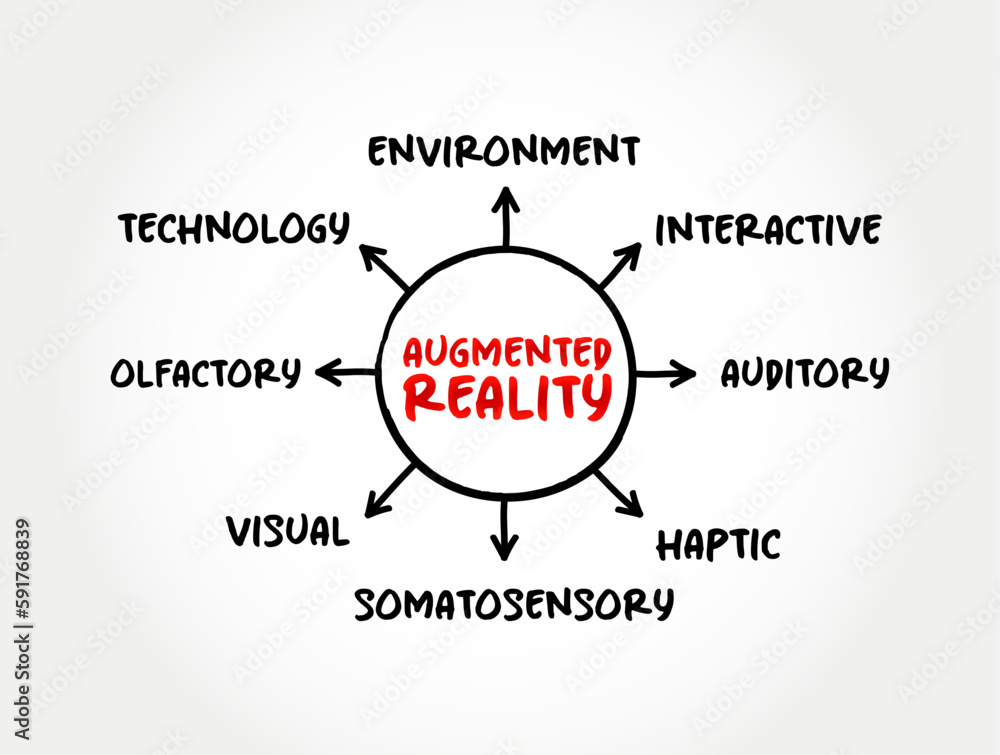
The landscape of Augmented Reality (AR) is set to undergo transformative changes over the next decade, reshaping how we interact with the world around us. As technology advances, the integration of AR into daily life promises to enhance experiences in various sectors, including education, healthcare, retail, and entertainment. The future trajectory of AR will not only be defined by its technological capabilities but also by its societal implications and the emerging trends that accompany its evolution.
One of the most significant advancements in AR technology will be its seamless integration with artificial intelligence (AI) and machine learning (ML). This combination will allow AR systems to provide personalized experiences based on individual user preferences and behavior. For instance, in retail, AI-driven AR applications can analyze customer data to suggest products in real time, enriching the shopping experience by showcasing how items would look in a consumer’s home environment. This fusion of AR and AI will also facilitate smarter AR assistants capable of learning from user interactions, making them more intuitive and efficient over time.
Expected advancements in augmented reality technology
As we anticipate the future of AR, it is crucial to highlight the expected advancements in both hardware and software over the next decade. These advancements will redefine user experiences and broaden the scope of AR applications.
The following points Artikel the key advancements anticipated in AR technology:
- Enhanced Display Technologies: Future AR headsets are expected to feature improved display technologies, such as microLED and higher resolution displays that provide clearer and more vibrant visuals. This enhancement will reduce eye strain and improve user immersion.
- Compact and Lightweight Devices: As battery life and miniaturization technologies improve, AR devices will become more compact and lightweight, making them easier and more comfortable to wear for extended periods.
- 5G Connectivity: The rollout of 5G technology will enable faster data transmission, paving the way for more complex AR applications that require real-time data processing, such as interactive gaming and remote collaboration tools.
- AI Integration: Incorporating AI will lead to smarter AR applications that can recognize and interact with physical objects in real-time, enhancing the user experience by providing contextual information or relevant suggestions.
- Enhanced User Interfaces: Future AR systems will likely feature more intuitive user interfaces, leveraging voice commands, gesture control, and eye-tracking technologies to create fluid interactions without the need for traditional input devices.
- Advanced Spatial Mapping: Improvements in spatial mapping technologies will allow AR systems to create more accurate representations of the physical environment, facilitating the development of applications that integrate seamlessly with real-world objects.
- Increased Adoption across Industries: The next decade will witness broader AR adoption across various industries, including education, healthcare, and manufacturing, leading to innovative applications that enhance productivity and engagement.
The future of augmented reality is not just about technology; it also encompasses the societal changes it can instigate. As AR becomes more prevalent, it has the potential to redefine communication, enhance learning opportunities, and foster immersive experiences that were once the realm of science fiction. The interplay between AR, AI, and machine learning will create a rich tapestry of possibilities, making the future of AR an exciting frontier to explore.
Final Review
In conclusion, Augmented Reality stands at the forefront of technological innovation, ready to shape our future interactions. As it continues to evolve and integrate with emerging technologies like artificial intelligence, the potential applications seem limitless. The insights gathered highlight not only its current benefits across various industries but also the ethical considerations that must be addressed. As we embrace this exciting frontier, the possibilities of AR are boundless, promising a more interconnected and enriched world.
FAQ Resource
What is Augmented Reality?
Augmented Reality is a technology that overlays digital information onto the real world, enhancing how we perceive our environment.
How does Augmented Reality differ from Virtual Reality?
While Augmented Reality adds digital elements to the real world, Virtual Reality immerses users in a completely virtual environment.
What devices are commonly used for Augmented Reality?
Common devices include smartphones, tablets, and specialized AR glasses or headsets that facilitate immersive experiences.
Are there any safety concerns with Augmented Reality?
Yes, there are concerns regarding user privacy, data security, and potential distractions while using AR in public spaces.
Can Augmented Reality be used in gaming?
Absolutely! Many popular games, like Pokémon GO, utilize AR to create interactive gaming experiences that blend the digital and real worlds.
What are the future trends in Augmented Reality?
Future trends include more integration with AI, advancements in AR hardware, and broader applications in fields such as remote collaboration and entertainment.