Customer Relationship Management (CRM) is more than just a buzzword; it’s a cornerstone of successful business strategies in today’s dynamic marketplace. It encompasses the processes and technologies that companies utilize to manage interactions with potential and existing customers. By facilitating seamless communication and fostering relationships, CRM plays a critical role in driving customer satisfaction and loyalty.
This system integrates various aspects of customer engagement, from sales and marketing to customer service and analytics. The evolution of CRM reflects a significant shift in the way businesses approach customer relations, emphasizing the importance of personalized experiences and data-driven decision-making.
Understanding the Fundamentals of Customer Relationship Management
Customer Relationship Management (CRM) is an essential strategy that focuses on building and maintaining long-term relationships with customers. In today’s competitive business landscape, the importance of understanding and managing customer interactions is more crucial than ever. A robust CRM framework enables organizations to streamline processes, improve profitability, and enhance customer satisfaction.
CRM systems encompass a variety of components and functionalities that assist businesses in managing customer information effectively. These systems are pivotal for organizations as they enable the collection, storage, and analysis of customer data, leading to informed decision-making and strategic planning. The core functionalities often include contact management, sales management, productivity tools, and analytics, providing a holistic view of customer interactions.
Core Components of CRM Systems
To understand the full scope of CRM systems, it’s important to examine their core components, which include:
- Contact Management: This component allows businesses to store and organize customer contact information, facilitating easy access and communication.
- Sales Management: CRM systems help track sales processes, manage leads, and forecast sales performance, making it easier for teams to achieve their targets.
- Marketing Automation: Integrating marketing tools enables the automation of marketing campaigns, allowing for personalized communication and effective customer engagement.
- Customer Service and Support: CRM systems provide support features that enhance post-sale customer service, ensuring customer issues are resolved promptly.
- Analytics and Reporting: These tools analyze customer data to generate reports that inform strategic decisions and identify trends within customer behavior.
The significance of these components lies in their ability to create a customer-centric approach that drives loyalty and satisfaction. By leveraging CRM technology, organizations can align their sales and marketing efforts more effectively, resulting in a more streamlined customer experience.
Historical Context of CRM Practices
The evolution of CRM practices can be traced back to the 1980s when businesses began recognizing the value of customer data. Initially, companies relied on manual processes and basic database systems to maintain customer information. As technology advanced, the 1990s saw the emergence of dedicated CRM software, which automated many processes and provided more sophisticated insights into customer behavior.
In the early 2000s, the rise of the internet and cloud computing transformed CRM systems significantly. This period marked the advent of SaaS (Software as a Service) models, allowing companies of all sizes to access CRM tools without hefty upfront investments. Today, CRM systems are equipped with advanced features like artificial intelligence and machine learning, enabling predictive analytics that further enhance customer engagement strategies.
Overall, the journey of CRM practices reflects a broader trend toward data-driven decision-making and emphasizes the need for businesses to adapt to changing consumer expectations in the digital age.
The Impact of CRM on Customer Satisfaction and Retention
Effective Customer Relationship Management (CRM) strategies play a crucial role in enhancing customer satisfaction and fostering long-term loyalty. By streamlining communication, personalizing experiences, and addressing customer needs promptly, CRM systems enable businesses to build stronger relationships with their customers. The outcome is not just increased satisfaction; it lays a foundation for customers to remain loyal to a brand over time.
CRM strategies enhance customer satisfaction by providing companies with insights into customer behavior and preferences. This data-driven approach allows businesses to tailor their services and communication, thereby creating a more personalized customer experience. For instance, businesses can segment their customers based on purchasing behavior and preferences, enabling targeted marketing efforts that resonate well.
Metrics for Measuring Customer Retention Linked to CRM Practices
Measuring customer retention is pivotal in assessing the effectiveness of CRM strategies. Various metrics help businesses gauge their customer retention rates and overall satisfaction levels. These indicators provide insights into how well a company maintains its customer base and responds to their needs.
Key metrics include:
- Customer Lifetime Value (CLV): This metric estimates the total revenue expected from a customer throughout their relationship with the company. Higher CLV indicates successful retention strategies.
- Net Promoter Score (NPS): Assessing customer loyalty through this score helps gauge customer willingness to recommend a business to others, reflecting overall satisfaction.
- Churn Rate: Calculating the percentage of customers who stop doing business with a company helps identify retention challenges and assess CRM effectiveness.
- Repeat Purchase Rate: A higher rate indicates effective CRM practices that encourage customers to return for additional purchases.
- Customer Engagement Levels: Tracking metrics like frequency of interactions and feedback assists in understanding how engaged customers are with the brand.
Case Studies of Successful CRM Initiatives
Several companies have successfully implemented CRM initiatives that significantly improved their customer retention rates. These case studies highlight the tangible benefits of effective CRM practices in real-world scenarios.
One notable example is Amazon, which utilizes sophisticated CRM systems to track customer preferences and purchasing behavior. By analyzing this data, Amazon can offer personalized recommendations, enhancing customer satisfaction and encouraging repeat purchases. The result is a loyal customer base that frequently engages with the platform, contributing to Amazon’s substantial market share.
Another example is Starbucks, which has successfully integrated CRM into its rewards program. The company uses CRM insights to tailor promotions and rewards to individual customer preferences, leading to an increase in customer visits and brand loyalty. Their mobile app features personalized offers based on past purchases, significantly enhancing customer satisfaction and retention.
Lastly, Zappos is known for its exceptional customer service, driven largely by its CRM methodologies. The company empowers its customer service representatives with comprehensive customer data, enabling them to provide personalized assistance. This commitment to customer satisfaction has resulted in a strong, loyal customer base, with many customers returning for repeat purchases.
Integration of CRM with Other Business Systems
The integration of Customer Relationship Management (CRM) systems with other business functions is crucial for a cohesive operational strategy. By linking CRM with areas such as marketing, sales, and customer support, businesses enhance efficiency and improve customer experiences. This comprehensive approach allows various departments to access real-time data, facilitating informed decision-making and streamlined processes.
Integrating CRM systems with other business functions not only boosts productivity but also improves customer interactions. When these systems work together, teams can share insights and maintain a unified view of customer information. This synergy ensures that all departments are on the same page, which is vital for delivering exceptional service and driving sales growth.
Tools and Technologies for Seamless Integration
A variety of tools and technologies facilitate the seamless integration of CRM software with other business systems. Utilizing these resources allows businesses to create a harmonious ecosystem that maximizes efficiency. Here are several notable tools often used in conjunction with CRM systems:
- Zapier: A powerful automation tool that connects different applications, allowing businesses to automate workflows between their CRM and other platforms with minimal effort.
- Salesforce AppExchange: A marketplace for Salesforce users offering numerous third-party applications that integrate directly with Salesforce CRM, enhancing functionality and data sharing.
- Mailchimp: This email marketing service integrates well with various CRM systems, enabling targeted marketing campaigns based on customer data retrieved from the CRM.
- HubSpot: An all-in-one platform that combines CRM capabilities with marketing automation and customer support tools, providing a comprehensive solution for businesses.
The importance of these tools lies in their ability to facilitate data flow and communication between different systems, which is essential for maintaining a streamlined operation. By ensuring that information is shared across departments, companies can respond quickly to customer needs and drive a unified strategy.
Comparative Analysis of Integrated CRM Systems Versus Silos
The operational differences between businesses using integrated CRM systems and those that operate in silos are striking. Companies leveraging integrated systems benefit from improved collaboration, enhanced data accuracy, and faster response times. On the other hand, businesses working in silos often experience communication breakdowns, leading to duplicated efforts and missed opportunities.
A comparative analysis reveals significant performance disparities:
| Aspect | Integrated CRM Systems | Siloed Operations |
|---|---|---|
| Data Accessibility | Real-time access to customer data across departments | Limited access to information, leading to delays |
| Customer Insights | Comprehensive view of customer interactions and preferences | Fragmented insights causing misunderstandings |
| Efficiency | Streamlined processes with reduced duplication of efforts | Increased operational redundancies and inefficiencies |
| Sales Performance | Higher conversion rates due to cohesive strategies | Lower sales performance as departments work independently |
The contrast in operational success emphasizes the value of an integrated approach. Businesses utilizing integrated CRM systems report improved performance metrics, showcasing the advantages of having a collaborative environment where customer information is consistently shared and leveraged effectively.
The Role of Data Analytics in CRM Strategies
In today’s competitive market, leveraging data analytics within Customer Relationship Management (CRM) systems has become crucial for organizations aiming to enhance their decision-making processes. By harnessing data analytics, companies can gain valuable insights into customer behaviors, preferences, and engagement patterns, ultimately driving better business outcomes.
Data analytics allows organizations to synthesize vast amounts of information collected through CRM systems, enabling them to make informed decisions that align with customer needs and market trends. By analyzing historical data and current interactions, businesses can identify patterns and predict future behaviors, fostering a more personalized approach to customer engagement. This proactive stance not only strengthens customer relationships but also enhances overall operational efficiency.
Integration of Various Data Sources
Integrating diverse data sources into CRM systems enriches customer profiles and engagement strategies. This holistic view of customer data empowers organizations to tailor their offerings and communications effectively. Various sources can be utilized, including:
- Transactional Data: Information derived from purchase history, payment methods, and product preferences provides insights into customer spending behaviors and favorite products.
- Social Media Data: Engagement metrics from platforms like Facebook, Twitter, and Instagram help businesses understand consumer sentiment and trending topics relevant to their audience.
- Web Behavior Data: Tracking website interactions and browsing patterns can reveal the interests and preferences of customers, allowing for targeted marketing strategies.
- Customer Feedback: Surveys, reviews, and feedback forms offer direct insights into customer satisfaction and areas for improvement in products or services.
- Third-party Data: Integrating data from external sources, such as demographic information or industry reports, can help enhance customer segmentation and market analysis.
The combination of these data sources not only enriches customer profiles but also enables businesses to engage customers with highly relevant and personalized content, ultimately leading to improved customer loyalty and retention.
Ethical Considerations in Customer Data Analysis
When analyzing customer data, businesses must consider the ethical implications associated with data privacy and security. Adhering to ethical standards is essential to maintain trust with customers. Key considerations include:
- Transparency: Organizations should clearly communicate how customer data is collected, processed, and utilized, ensuring customers are aware of their data rights.
- Data Security: Implementing robust security measures to protect customer data from unauthorized access or breaches is paramount to maintaining customer trust.
- Consent: Obtaining explicit consent from customers before collecting and analyzing their data is crucial, particularly in light of regulations like GDPR and CCPA.
- Avoiding Discrimination: Businesses must ensure that data analytics practices do not lead to biased or discriminatory outcomes against specific customer groups.
- Data Minimization: Only collecting data that is necessary for specific purposes helps reduce the risk of data misuse or overreach.
By prioritizing these ethical considerations, organizations can navigate the complexities of data analytics responsibly while fostering a positive relationship with their customers.
Customization and Personalization in CRM Applications
In today’s competitive landscape, having a CRM system that not only manages customer data but also adapts to specific business needs is crucial. Customization and personalization in CRM applications play a vital role in enhancing customer relationships and ensuring a tailored experience that meets diverse preferences. By understanding the importance of these features, businesses can leverage their CRM systems to foster loyalty and improve overall customer satisfaction.
Customization in CRM platforms is essential for accommodating the unique requirements of different organizations. Every business operates differently, and a one-size-fits-all approach can hinder efficiency. Customization allows companies to modify CRM features to align with their processes, workflows, and industry standards. This adaptability ensures that businesses can manage their customer interactions more effectively while addressing specific challenges they encounter.
Implementation of Personalization Strategies
Personalization strategies within CRM systems are designed to enhance customer interactions by tailoring experiences based on individual preferences and behaviors. Implementing these strategies effectively can lead to improved engagement and higher customer retention rates.
To successfully personalize customer interactions, consider the following strategies:
- Segmentation of customer data to create targeted marketing campaigns, ensuring that customers receive relevant content based on their preferences and behaviors.
- Using customer purchase history and interaction data to recommend products or services, creating a more engaging shopping experience.
- Leveraging automation tools to send personalized emails, messages, or notifications that resonate with individual customer needs and timelines.
- Gathering feedback through surveys and interactions to continually refine personalization tactics and ensure they meet evolving customer expectations.
The implementation of these strategies not only enhances customer experiences but also fosters deeper relationships by making customers feel valued and understood.
Best Practices for Effective Customization
Customizing CRM solutions involves understanding both the industry-specific requirements and the unique needs of the business. Implementing best practices can lead to a more efficient and effective CRM system.
Here are some best practices for effective customization of CRM solutions tailored to specific industries:
- Conduct thorough research to understand industry benchmarks and common practices, which can guide the customization process.
- Involve end-users in the customization process to ensure that the system aligns with their daily processes and enhances productivity.
- Regularly review and adjust customized features based on user feedback and changing business needs.
- Utilize integration capabilities with other systems and tools to ensure a seamless flow of information across the organization.
- Prioritize user training to ensure all team members are equipped to leverage customized features effectively, maximizing the CRM’s potential.
Effective customization not only streamlines operations but also empowers teams to deliver exceptional service, ultimately leading to higher customer satisfaction and loyalty.
Future Trends and Innovations in CRM Technology
The landscape of Customer Relationship Management (CRM) is rapidly evolving, driven by technological advancements and changing consumer behaviors. As businesses strive to enhance customer experience and engagement, several emerging trends are shaping the future of CRM technology. This discussion explores the integration of artificial intelligence, automation, mobile solutions, and social media, showcasing their pivotal roles in transforming customer relationships and business operations.
Artificial Intelligence and Automation in CRM
Artificial intelligence (AI) and automation are at the forefront of CRM innovations, streamlining processes and enhancing decision-making. AI-driven tools analyze vast amounts of customer data to provide actionable insights, enabling businesses to anticipate customer needs and preferences effectively. By implementing machine learning algorithms, organizations can achieve more personalized marketing campaigns, optimizing customer interactions and improving satisfaction rates.
Automation enhances CRM by automating repetitive tasks, such as data entry and lead scoring, freeing up valuable time for sales and support teams. This efficiency leads to quicker response times, which is critical in today’s fast-paced environment. For instance, chatbots powered by AI can handle customer inquiries 24/7, providing instant support while ensuring human agents focus on complex issues that require personal attention.
Mobile CRM Solutions and Customer Engagement
The rise of mobile CRM solutions is reshaping how businesses engage with their customers. As smartphones become ubiquitous, the need for mobile-friendly platforms is more significant than ever. These solutions provide sales teams with real-time access to customer information, allowing them to respond swiftly to inquiries or adjust strategies based on live data.
Mobile CRM enables businesses to maintain constant connectivity with customers, facilitating on-the-go communication and fostering stronger relationships. For example, a sales representative can access customer profiles during meetings or while traveling, ensuring they have the necessary information to close deals effectively. This immediacy not only improves sales efficiency but also enhances the overall customer experience.
Social Media Integration in CRM Strategies
Social media integration is becoming increasingly vital for CRM strategies, as it allows businesses to engage with customers on platforms where they spend a significant amount of their time. By leveraging social media data, companies can gain insights into customer sentiments, preferences, and behaviors, enabling more targeted marketing efforts.
Incorporating social media channels into CRM systems can streamline customer interactions, allowing businesses to respond to inquiries and feedback promptly. For instance, a company that monitors social media mentions can quickly address customer concerns, showcasing its commitment to service and enhancing brand loyalty. Additionally, integrating social media analytics into CRM systems provides a more holistic view of customer engagement, helping businesses refine their strategies for maximum impact.
“The future of CRM lies in understanding customer behavior through data and leveraging technology to build stronger relationships.”
Challenges and Limitations of Implementing CRM Systems

Implementing a Customer Relationship Management (CRM) system can be a game changer for businesses, but it comes with its own set of challenges and limitations. Organizations often face obstacles that can hinder the successful adoption of these systems. Understanding these challenges and developing strategies to overcome them is essential for maximizing the benefits of CRM.
Despite the advantages of CRM systems, several common obstacles can arise during implementation. These challenges can stem from a lack of strategic alignment, insufficient training, data quality issues, and resistance to change among employees. To address these challenges, organizations should focus on fostering a supportive culture, investing in comprehensive training programs, and ensuring that the CRM system aligns with overall business objectives. Here are some key challenges and strategies for overcoming them:
Common Obstacles in CRM Adoption
Organizations may experience various challenges when implementing CRM systems, which can affect their effectiveness. Here are some notable challenges:
- Lack of User Adoption: Employees may resist using the new system if they are not adequately trained or do not see its value. It’s essential to engage employees early in the process and provide ongoing support.
- Data Quality Issues: Poor data quality can lead to unreliable insights. To combat this, organizations should establish rigorous data management practices and regularly audit the data for accuracy.
- Integration Problems: Integrating a CRM system with existing tools and processes can be complex. Companies should prioritize integration planning and work with experienced vendors.
- High Costs: The initial investment and ongoing maintenance costs can be significant. Organizations must weigh these costs against the expected benefits to make informed decisions.
- Insufficient Leadership Support: Lack of commitment from top management can jeopardize the CRM initiative. Leaders should actively champion the CRM implementation to ensure alignment and resource allocation.
“A successful CRM system is not just a tool; it requires strategic alignment and human intervention to truly leverage its capabilities.”
Potential Pitfalls of Sole Reliance on CRM Tools
Relying exclusively on CRM systems without the necessary strategic framework can lead to significant pitfalls. Here are the main issues that can arise:
- Overlooked Human Element: CRM systems can automate processes but should not replace personal interactions. Maintaining human engagement is crucial for building strong customer relationships.
- Loss of Context: Data-driven decisions without contextual understanding can result in misguided strategies. It’s vital to combine data insights with human intuition and experience.
- Inflexibility: Relying solely on CRM tools can create rigid processes that may not adapt well to changing customer needs. Organizations must remain flexible and responsive to market trends.
- Dependence on Technology: Over-reliance on CRM systems can result in vulnerabilities if the technology fails. Organizations should have contingency plans in place to mitigate risks.
Assessing CRM Effectiveness
Evaluating the effectiveness of CRM implementations is critical in understanding their impact on business performance. Organizations can use several metrics and methods for assessment:
- Customer Satisfaction Surveys: Conducting regular surveys can provide insights into customer perceptions and satisfaction levels.
- Sales Performance Metrics: Tracking sales growth, lead conversion rates, and customer retention rates can help gauge CRM impact on revenue.
- User Adoption Rates: Measuring how frequently employees use the CRM system can indicate its acceptance and integration into daily operations.
- Return on Investment (ROI): Analyzing the ROI of CRM initiatives by comparing costs to the financial benefits gained is essential for justifying the investment.
By strategically addressing these challenges and limitations, companies can enhance their CRM implementations and ensure that they contribute effectively to their overarching business goals.
Last Word
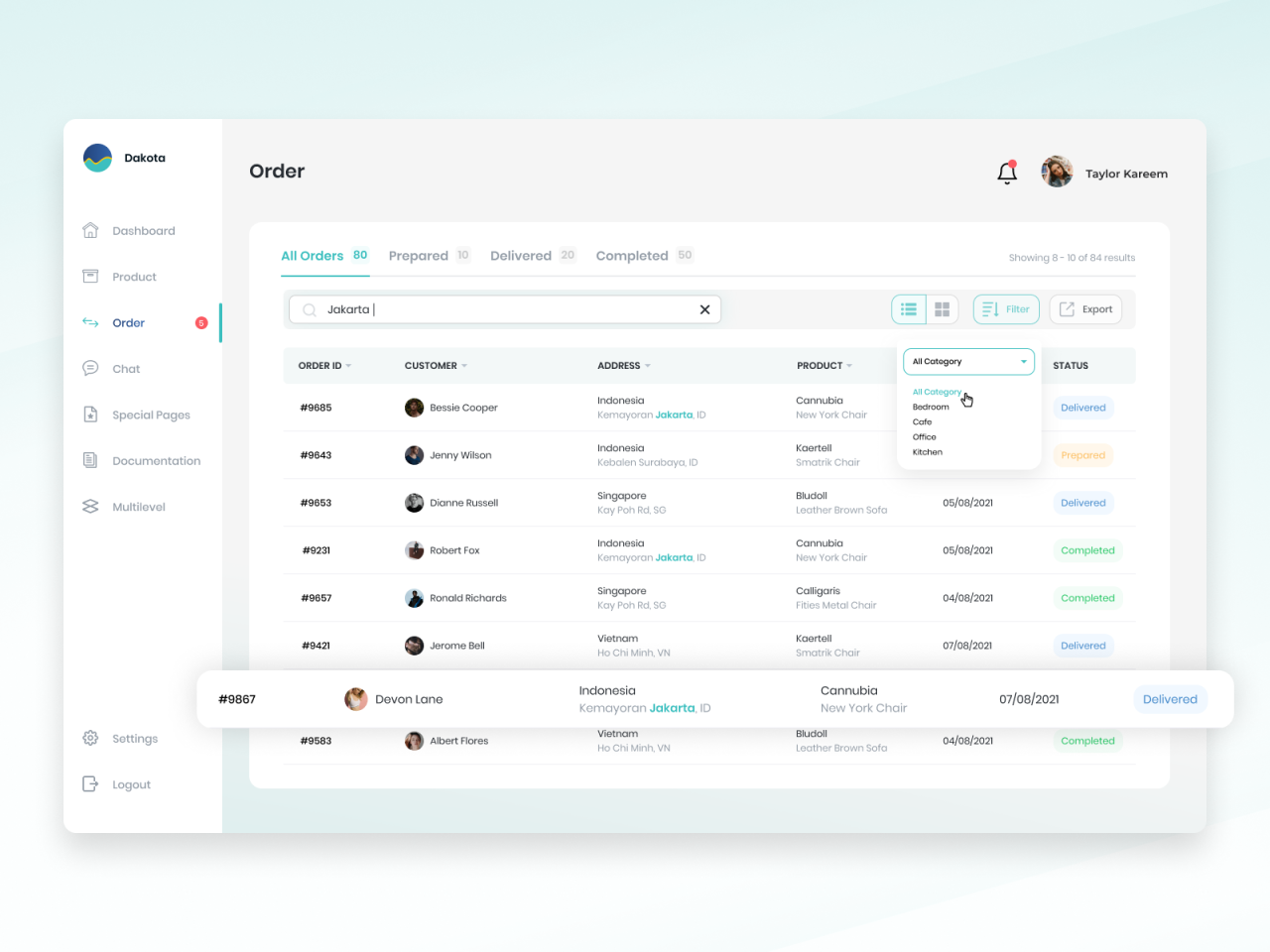
In summary, Customer Relationship Management (CRM) is a vital tool that empowers businesses to deepen customer relationships and enhance loyalty. As technology continues to advance, the potential for CRM to transform customer interactions will only grow. Embracing CRM not only helps in understanding customer needs but also positions organizations to thrive in a competitive environment.
General Inquiries
What are the main benefits of using CRM?
CRM systems enhance customer relationships, streamline processes, and provide valuable insights through data analytics, leading to improved customer satisfaction and retention.
How does CRM help in sales?
CRM helps in sales by tracking customer interactions, managing leads, and automating follow-ups, which can lead to increased sales efficiency and better conversion rates.
Is CRM software suitable for small businesses?
Yes, CRM software is highly beneficial for small businesses as it helps manage customer relationships effectively while optimizing resources and improving sales processes.
Can CRM systems integrate with other business tools?
Absolutely, many CRM systems can seamlessly integrate with other business tools such as email marketing platforms, accounting software, and social media, enhancing overall efficiency.
What role does data privacy play in CRM?
Data privacy is crucial in CRM as businesses must adhere to regulations and ethical standards while managing customer data to maintain trust and compliance.