As Non-Fungible Tokens take center stage, this opening passage beckons readers into a world crafted with good knowledge, ensuring a reading experience that is both absorbing and distinctly original.
Non-Fungible Tokens, or NFTs, represent a revolutionary shift in the digital landscape, distinguishing themselves from traditional assets through their uniqueness and scarcity. Unlike cryptocurrencies such as Bitcoin, which are interchangeable, NFTs are one-of-a-kind digital assets verified through blockchain technology, allowing for secure ownership and transfer. This engaging introduction to NFTs sets the stage for understanding their implications across various industries, their technological underpinnings, and their economic impact.
Understanding the Concept of Non-Fungible Tokens
Non-fungible tokens (NFTs) have revolutionized the way we perceive ownership of digital assets. Unlike cryptocurrencies such as Bitcoin or Ethereum, NFTs represent unique items that cannot be exchanged on a one-to-one basis. This uniqueness gives rise to a variety of applications in the digital world, from art and music to gaming and virtual real estate.
The fundamental characteristics that differentiate non-fungible tokens from other digital assets include their indivisibility, uniqueness, and the information stored within the token. While cryptocurrencies are fungible, meaning each unit is interchangeable and identical to another, NFTs are distinct entities. Each NFT has unique data, ensuring that no two tokens are alike, which is crucial in establishing their value. Ownership of NFTs is recorded on a blockchain, offering a transparent and immutable ledger that verifies authenticity and ownership history.
Significance of Uniqueness and Scarcity
The concepts of uniqueness and scarcity are foundational to the value of non-fungible tokens. Scarcity ensures that the supply of particular digital items is limited, thereby enhancing their desirability and market value. This is particularly evident in digital art, where an artist might mint only a few copies of a work, making those NFTs rare collectibles.
When discussing rarity in the context of NFTs, it’s essential to consider how it can lead to significant price appreciation. For instance, a digital artwork sold as an NFT can fetch millions simply because of its limited availability. The uniqueness of each token also means that buyers are acquiring a specific item with its own history and prestige, which traditional digital assets often lack.
“The value of an NFT is often tied to its uniqueness and the story it tells.”
Ownership of NFTs is firmly established through the blockchain, which records all transactions related to the token. This creates a clear provenance of ownership that can be easily verified. When an NFT is transferred, the blockchain updates the ownership record, ensuring that the new owner has undisputed rights to the token. This process eliminates the risk of counterfeit or duplicate items, reinforcing the integrity of the market.
In summary, the understanding of non-fungible tokens hinges on their unique attributes and the significance of scarcity in their valuation. Their integration into the blockchain ecosystem provides a robust framework for ownership and transfer, making NFTs a compelling innovation in the digital landscape.
The Technology Behind Non-Fungible Tokens
Non-fungible tokens (NFTs) represent a revolutionary approach to digital ownership, empowered by advanced blockchain technology. These tokens enable the creation, ownership, and trading of unique digital assets, ensuring authenticity and provenance in a way that was previously impossible. Understanding the underlying technology offers insights into how NFTs function and their potential impact on various industries.
The foundation of non-fungible tokens lies in blockchain technology, which acts as a decentralized ledger. Unlike traditional databases, a blockchain is immutable and transparent, meaning once data is recorded, it cannot be altered or deleted. This feature is crucial for NFTs, as it guarantees that each token is unique and verifiable. NFTs are generally built on standards such as ERC-721 and ERC-1155 on the Ethereum blockchain, allowing creators to define the unique properties of their tokens, such as metadata, ownership history, and transferability.
Role of Smart Contracts in NFTs
Smart contracts play a pivotal role in facilitating transactions involving non-fungible tokens. These self-executing contracts with the terms of the agreement directly written into code automate various processes, enhancing efficiency and security. When an NFT is created or transferred, smart contracts ensure that all conditions, like payment and ownership transfer, are automatically enforced without the need for intermediaries.
Smart contracts manage several critical functions, including:
- Ownership Verification: Smart contracts maintain a record of ownership, preventing fraud and duplication.
- Royalty Payments: Creators can program royalties into smart contracts, ensuring they receive a percentage of sales every time their NFT is resold.
- Transaction Automation: They automate the transfer process, ensuring that conditions are met before the ownership changes hands.
Blockchain Platforms Supporting NFTs
Numerous blockchain platforms facilitate the creation and management of non-fungible tokens, each offering unique features and capabilities. The selection of a platform can influence the NFT’s functionality, compatibility, and overall user experience.
Key blockchain platforms for NFTs include:
- Ethereum: The most widely used platform for NFTs, supporting both ERC-721 and ERC-1155 standards. Ethereum’s extensive developer community and established infrastructure make it the go-to choice for NFT projects.
- Binance Smart Chain: Known for lower transaction fees and faster processing times, it has gained popularity among NFT creators looking for cost-effective solutions.
- Tezos: Focused on energy efficiency and sustainability, Tezos offers a proof-of-stake consensus mechanism, appealing to environmentally conscious creators.
- Flow: Developed by Dapper Labs, Flow is designed specifically for NFTs and offers high scalability, enabling a seamless user experience for gaming and collectible applications.
- Cardano: With its proof-of-stake model, Cardano aims to provide a secure and scalable environment for NFT creation, attracting artists and developers seeking a reliable platform.
The variety of platforms available ensures that creators can find a blockchain that aligns with their specific needs and goals, further driving the adoption and innovation of non-fungible tokens across industries.
Applications of Non-Fungible Tokens in Various Industries
Non-Fungible Tokens (NFTs) have rapidly gained traction across various sectors, transforming how we perceive ownership, value, and authenticity. Their unique characteristics make them particularly valuable in industries such as art, gaming, and music, where they facilitate new business models and empower creators.
Non-Fungible Tokens in the Art World
In the art industry, NFTs have revolutionized how artists sell and showcase their work. These digital tokens provide a means to authenticate ownership and provenance, which are critical in preventing forgery and unauthorized reproductions. Artists can issue limited editions of their works as NFTs, granting buyers exclusive rights while retaining the ability to earn royalties on future sales.
– Example of Beeple’s Artwork: Artist Mike Winkelmann, known as Beeple, sold an NFT artwork titled “Everydays: The First 5000 Days” for $69 million at Christie’s. This sale highlighted the potential for digital art to command high prices and the transformative impact of NFTs on traditional art sales.
– Empowerment for Emerging Artists: Lesser-known artists can now reach global audiences without the need for galleries or traditional gatekeepers, democratizing the art world.
The introduction of NFTs has enabled a new economy for digital artists, allowing them to monetize their creations directly.
Non-Fungible Tokens in Gaming and Virtual Environments
The gaming industry has embraced NFTs to enhance player experiences and ownership. With NFTs, players can truly own in-game assets, such as skins, weapons, or virtual land, which can be traded or sold on various marketplaces.
– Example of Axie Infinity: In this popular game, players collect, breed, and battle digital creatures called Axies. Each Axie is an NFT, allowing players to buy, sell, or trade them. This model creates a unique economy where players can earn real money through gameplay.
– Player-Driven Economies: The rise of user-generated content in games supported by NFTs encourages community engagement and investment, as players have a stake in the game’s success.
Ownership of digital assets through NFTs allows players to have a say in the game’s economy, fostering a sense of investment and community.
Non-Fungible Tokens in the Music Industry
The music industry is gradually adopting NFTs to create new revenue streams for artists while providing fans with unique experiences. By leveraging NFTs, musicians can sell exclusive content, such as unreleased tracks, concert tickets, and special merchandise.
– Example of Grimes’ NFT Sale: Musician Grimes sold a series of NFTs that included animated visuals and unreleased music, generating approximately $6 million. This approach not only provides financial support but also fosters a deeper connection with fans.
– Innovative Revenue Models: Artists can implement fan engagement strategies through NFTs, such as offering tokens that grant access to private performances or exclusive content.
NFTs are changing how musicians monetize their work, allowing for innovative and direct fan relationships.
The Economic Impact of Non-Fungible Tokens
The financial landscape of Non-Fungible Tokens (NFTs) has rapidly evolved, offering intriguing prospects for investors and collectors in the digital space. As unique digital assets, NFTs represent ownership of a variety of items, including art, music, and virtual real estate. Their rise signifies a new frontier in investment opportunities that are distinct from traditional assets.
The economic implications of NFTs extend beyond mere ownership; they can redefine value in the digital realm. Investors are increasingly drawn to the potential for appreciation in value, as the market for NFTs is characterized by its volatility and rapid fluctuations in demand. The allure of owning a one-of-a-kind asset has led to significant transactions, capturing the attention of both seasoned investors and casual collectors alike.
Market Trends in Non-Fungible Tokens
NFTs have witnessed remarkable trends that showcase their growing prominence in the digital economy. Various factors contribute to the demand and valuation fluctuations, making it crucial for investors to understand these dynamics.
Market trends include:
- Surge in Popularity: The initial boom in NFT sales around 2020 saw high-profile sales, such as Beeple’s “Everydays: The First 5000 Days,” which sold for $69 million. This event marked a turning point, igniting interest across various sectors.
- Emerging Platforms: Numerous online marketplaces, like OpenSea and Rarible, facilitate NFT transactions, providing greater accessibility and options for buyers and sellers alike.
- Celebrity Involvement: High-profile endorsements and involvement from celebrities have further fueled interest in NFTs, driving demand and attracting new investors.
- Market Volatility: Prices of NFTs can fluctuate dramatically within short timeframes, reflecting the speculative nature of the market. Investors should be prepared for potential price corrections.
Understanding these trends is essential for anyone looking to navigate the NFT landscape effectively.
Risks and Rewards of Investing in Non-Fungible Tokens
Investing in NFTs presents unique risks and rewards compared to traditional investment avenues such as stocks and real estate. Recognizing these factors is key for potential investors.
The risks associated with NFTs include:
- Market Speculation: The NFT market is highly speculative, and valuations can change drastically, often influenced by trends and hype rather than intrinsic value.
- Liquidity Issues: Unlike traditional assets, NFTs may not always have a ready market, making it challenging to sell quickly without incurring significant losses.
- Regulatory Uncertainty: The regulatory landscape surrounding NFTs remains murky, which may lead to potential legal challenges or changes in how these assets are treated.
Conversely, the rewards of investing in NFTs can be substantial:
- Potential for High Returns: The right NFT can appreciate dramatically, leading to significant profits for early investors, as seen in various high-profile sales.
- Diversity in Investment Portfolio: NFTs offer investors a unique asset class that can diversify portfolios, especially appealing for those seeking alternatives to traditional investments.
- Ownership of Unique Digital Assets: Owning an NFT can provide a sense of exclusivity, with the added benefit of supporting artists and creators directly.
Investors must carefully weigh these risks and rewards, as the NFT market continues to evolve alongside technological advancements and shifts in consumer behavior.
Legal and Regulatory Considerations Surrounding Non-Fungible Tokens
The rapidly evolving landscape of non-fungible tokens (NFTs) presents a unique set of legal and regulatory challenges that creators, platforms, and users must navigate. Understanding the legal frameworks governing NFTs is essential for ensuring compliance and protecting intellectual property rights. This section delves into the current regulations, potential challenges, and the importance of intellectual property within the NFT space.
Current Legal Frameworks Governing Non-Fungible Tokens
NFTs operate within a complex legal environment that is influenced by various factors such as intellectual property laws, securities regulations, and consumer protection principles. Several jurisdictions have begun to establish guidelines for NFTs, though a comprehensive international framework remains elusive. Key considerations include:
- Intellectual Property Rights: Creators of NFTs must navigate copyright and trademark laws to ensure their digital assets do not infringe on existing rights. Failure to do so can lead to legal disputes.
- Securities Regulations: In some cases, NFTs may be classified as securities, subjecting them to regulatory scrutiny. This classification depends on factors such as the nature of the NFT and the rights it confers to the holder.
- Tax Implications: The sale and transfer of NFTs can trigger tax obligations, including capital gains taxes, which creators and users must account for in their financial planning.
Challenges and Regulatory Issues Faced by NFT Platforms
NFT platforms encounter various challenges that complicate their operations and compliance efforts. These issues include:
- Regulatory Uncertainty: The lack of clear regulations can hinder the development of robust compliance frameworks, leaving platforms at risk of legal action.
- Fraud and Scams: The NFT space has been susceptible to fraudulent activities, such as counterfeit NFTs and phishing schemes, which can damage platform reputations and erode user trust.
- Consumer Protection: Ensuring that users are adequately informed about the risks associated with buying and trading NFTs is essential for fostering a safe marketplace.
The Importance of Intellectual Property Rights in NFTs
Intellectual property rights play a critical role in the legitimacy and value of NFTs. Understanding and protecting these rights is vital for creators looking to monetize their digital assets. Key aspects include:
- Ownership vs. Usage Rights: Owning an NFT does not automatically grant the buyer intellectual property rights to the underlying content. Clear terms of sale should Artikel what rights are transferred.
- Licensing Agreements: Creators can leverage licensing agreements to retain control over their work while allowing buyers certain usage rights, thus enhancing the value proposition of the NFT.
- Enforcement of Rights: Creators must be prepared to enforce their intellectual property rights, which may involve monitoring the marketplace for infringement and pursuing legal action where necessary.
The Future of Non-Fungible Tokens
The future of Non-Fungible Tokens (NFTs) is poised for significant evolution, reflecting advancements in technology and shifts in consumer behavior. As the digital landscape continues to grow, NFTs will likely transform from niche digital collectibles into mainstream assets with real-world applications.
Technological advancements are set to redefine the functionalities and adoption rates of NFTs across various sectors. The integration of blockchain technology with decentralized finance (DeFi) is expected to enable more innovative use cases for NFTs, such as tokenized real estate, intellectual property rights, and enhanced digital identity verification. Furthermore, as blockchain infrastructures become more scalable and energy-efficient, the barriers to entry for creating and trading NFTs will diminish, making it accessible to a broader audience.
Integration with Emerging Technologies
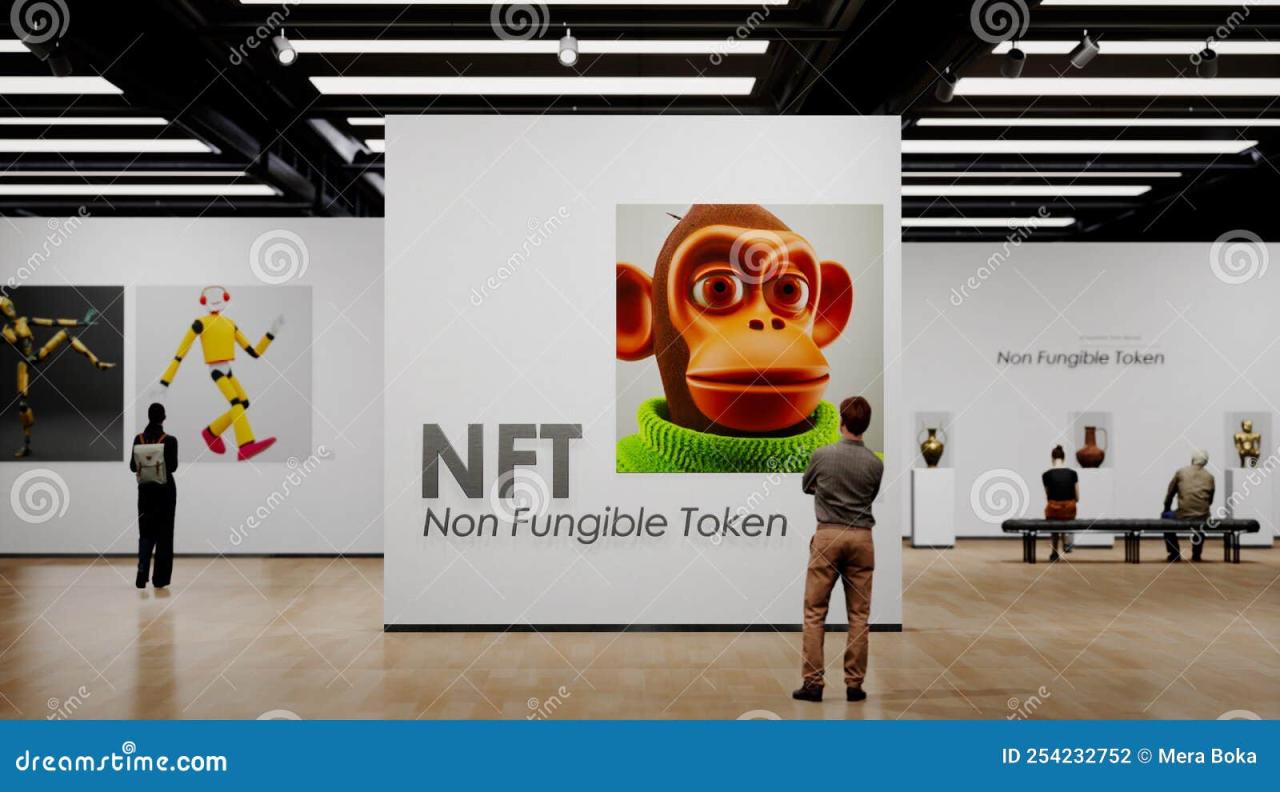
The potential for NFTs to blend with emerging technologies like Augmented Reality (AR) and Virtual Reality (VR) is particularly intriguing. This integration can enhance the user experience, providing deeper engagement and interaction with digital assets. For instance, artists and creators can develop immersive virtual galleries where users can view and purchase NFTs in a 3D environment, allowing for a richer appreciation of digital art.
The following points illustrate the promising convergence of NFTs with AR and VR technologies:
- Virtual Art Exhibitions: Artists can showcase their NFTs in virtual spaces, creating an interactive gallery experience that transcends physical limitations. Viewers can walk through the gallery and interact with digital pieces in real-time.
- Augmented Reality Collectibles: NFTs can be displayed in the real world through AR applications, allowing users to project their digital collectibles into their physical environment, enhancing engagement and ownership experience.
- Gamified Experiences: Integrating NFTs into gaming environments can create unique in-game assets that players can trade or sell, enhancing the economic aspects of gaming while providing verifiable ownership of digital items.
- Real Estate Virtual Tours: NFTs representing ownership of virtual real estate can be showcased in VR environments, allowing potential buyers to explore properties before committing to a purchase, bridging the gap between digital and physical asset management.
As these technologies develop, the possibilities for NFTs will expand, creating not only new avenues for monetization but also fostering communities around shared interests and experiences. This intersection promises a future where digital ownership is ubiquitous, and NFTs serve as a cornerstone of the emerging digital economy.
Final Review
In conclusion, Non-Fungible Tokens are not just a passing trend; they signify a profound transformation in how we perceive ownership and value in the digital realm. As their applications continue to expand across art, gaming, and music, the potential for innovation is boundless. By navigating the economic and legal complexities surrounding NFTs, we gain a clearer vision of their future, making it an exciting time to be part of this evolving digital ecosystem.
Essential Questionnaire
What is a Non-Fungible Token?
A Non-Fungible Token is a unique digital asset that represents ownership of a specific item or piece of content on a blockchain.
How are Non-Fungible Tokens created?
They are created using blockchain technology, often through smart contracts which define their properties and ownership.
Can NFTs be bought and sold like traditional assets?
Yes, NFTs can be bought and sold on various marketplaces, similar to traditional assets, but they often require cryptocurrency for transactions.
What are some risks associated with investing in NFTs?
Risks include market volatility, potential lack of liquidity, and the possibility of copyright infringement issues.
Are there environmental concerns related to NFTs?
Yes, the energy consumption of some blockchain networks used for NFTs has raised environmental concerns, prompting discussions about sustainable practices.
How do I store my NFTs securely?
NFTs can be stored in digital wallets that support cryptocurrency and NFT transactions, ensuring that private keys are kept secure.