User Experience serves as a crucial backbone in the design of digital products, guiding creators to develop interfaces that not only meet user needs but also delight them. In today’s fast-paced digital landscape, understanding the intricate dynamics of user experience is vital for success across all platforms. It encompasses a range of principles focused on usability, accessibility, and user-centered design, all of which play significant roles in crafting products that resonate with users.
This exploration delves into the fundamental principles of user experience design, the critical function of user research, the impact of emotional design, and more. By examining these elements comprehensively, we aim to shed light on what makes a seamless and engaging user experience that stands out in the market.
User Experience Design Principles are essential for creating effective digital products.
Creating effective digital products hinges on understanding and applying core user experience (UX) design principles. These principles provide a framework for designing digital products that are not only functional but also enjoyable and intuitive for users. By prioritizing the needs and preferences of users, designers can develop interfaces and experiences that promote engagement and satisfaction. The success of any digital product is heavily reliant on how well it addresses the user’s expectations, which underscores the necessity of a sound understanding of UX design principles.
The fundamental principles that underpin user experience design include usability, accessibility, and user-centered design. Usability focuses on how easy and intuitive a product is for users to interact with. A product that is highly usable enables users to achieve their goals with minimal frustration or confusion. Accessibility ensures that all users, regardless of their abilities or disabilities, can effectively use a product. This principle is crucial in promoting inclusivity and broadening the user base. User-centered design emphasizes the importance of involving users throughout the design process, ensuring that their feedback and needs shape the final product.
Importance of Usability, Accessibility, and User-Centered Design
The significance of usability, accessibility, and user-centered design cannot be overstated. Each of these principles contributes to the overall effectiveness of a digital product. Here are some key points highlighting their importance:
- Usability: A usable product leads to higher user satisfaction and loyalty. An example is the smartphone app, WhatsApp, which offers a straightforward interface that allows users to communicate effortlessly.
- Accessibility: Designing for accessibility enables a wider range of users to interact with a product. A notable example is the website of the BBC, which incorporates features like audio descriptions and keyboard navigation, ensuring it is accessible to individuals with disabilities.
- User-Centered Design: Involving users in the design process leads to products that genuinely meet their needs. A prime example is the software platform, Slack, which evolved through user feedback to enhance collaboration and communication among teams.
“Design is not just what it looks like and feels like. Design is how it works.” – Steve Jobs
The role of user research in shaping user experience cannot be overstated.
User research is an essential component of user experience (UX) design, providing a deep understanding of users’ needs, behaviors, and motivations. The data gathered through various research methods informs design decisions, ensuring that products resonate with their intended audience. This discussion will explore different methods of user research, their significance, and how user feedback shapes design decisions while identifying common pitfalls to avoid in the research process.
User Research Methods and Their Significance
User research encompasses various methods, both qualitative and quantitative, that allow designers to gain insights into user needs and preferences. Each method serves a unique purpose and can significantly impact product development.
The significance of these methods lies in their ability to capture different dimensions of user experience. Here are some of the main methods used in user research:
- User Interviews: These one-on-one conversations are designed to understand the user’s thoughts, feelings, and experiences. Interviews provide rich qualitative data and uncover the motivations behind user actions.
- Surveys: Surveys collect quantitative data from a larger audience, helping to identify trends and patterns in user behavior. They can be distributed online or offline and often include a mix of open and closed questions.
- Usability Testing: This method involves observing users as they interact with a product or prototype. Usability testing reveals pain points and challenges users encounter, allowing designers to make informed adjustments.
- Focus Groups: A small group of users discusses their thoughts on a product or concept. This method enables designers to gather diverse perspectives and foster dynamic discussions that can lead to innovative ideas.
- Field Studies: Observing users in their natural environment provides context to their behavior. Field studies can uncover insights that might not be apparent in a controlled testing setting.
User feedback directly influences design decisions and product development by revealing user preferences and identifying issues early in the process. When users share their experiences, they highlight what works and what doesn’t, which can dramatically shape the design iterations. For example, Spotify used user feedback to refine their playlist features, ultimately enhancing user engagement and satisfaction.
Common Mistakes in User Research
Despite the importance of user research, many organizations fall into pitfalls that undermine the effectiveness of their findings. Recognizing and avoiding these mistakes can lead to more fruitful research outcomes.
One common mistake is not defining clear research goals. Without specific objectives, research can become unfocused, leading to irrelevant data. It is crucial to establish what questions need answering before embarking on the research journey.
Another frequent error is neglecting to involve diverse user demographics. Failing to represent the target audience can result in biased insights. Ensuring a mix of participants from different backgrounds can yield richer, more applicable findings.
Additionally, over-relying on quantitative data can lead to overlooking valuable qualitative insights. While numbers provide a broad overview, anecdotes and narratives give depth and context to user experiences.
Finally, not iterating on findings can impede progress. It is essential to integrate user feedback into design iterations continually, fostering an agile development process that adapts to user needs.
Incorporating user research throughout the design lifecycle is crucial for creating products that truly resonate with users.
Emotional design significantly enhances user engagement and satisfaction.
Emotional design is a concept that prioritizes the emotional responses of users when interacting with products and services. It plays a crucial role in creating memorable experiences that foster attachment and loyalty. By tapping into users’ feelings, brands can transform mundane interactions into engaging narratives that resonate deeply with their audience. This approach is rooted in understanding the psychological aspects of design and the emotional triggers that influence user behavior.
The components of emotional design include visceral, behavioral, and reflective design. Visceral design appeals to the senses and focuses on the aesthetic aspects of a product, such as its appearance and feel. Behavioral design is about the functionality and usability of a product, ensuring that it performs effectively and meets user needs. Reflective design goes beyond the immediate experience by considering the personal significance and long-term impact a product has on an individual’s life. These components work together to enhance user engagement and satisfaction by creating a holistic emotional experience.
Influence of emotions on user interactions
Emotions play a pivotal role in shaping how users interact with products and services. Positive emotions can lead to increased engagement, satisfaction, and loyalty, while negative emotions may cause frustration and disengagement. For instance, a user who feels joy while interacting with a well-designed app is more likely to recommend it to others and use it frequently. Conversely, a frustrating experience can result in abandonment and negative word-of-mouth.
To illustrate, consider the case of Airbnb, a brand that has effectively integrated emotional design into its user experience strategy. By showcasing personal stories and unique travel experiences through user-generated content, Airbnb evokes feelings of connection and adventure. Their platform allows users to explore not just accommodations but also the emotions tied to travel, creating a sense of belonging and community.
Another example is Apple, known for its focus on emotional design in both product aesthetics and user interfaces. Apple’s products often evoke feelings of desire and exclusivity through their sleek design and intuitive usability. The brand successfully builds an emotional bond with its customers by creating products that are not just functional but are also seen as status symbols, enhancing user satisfaction and loyalty.
In conclusion, emotional design is a powerful tool that significantly enhances user engagement and satisfaction. By understanding and leveraging the emotional aspects of user interactions, brands can create experiences that resonate deeply with their audience, ultimately leading to lasting relationships and brand loyalty.
The impact of mobile usability on user experience is profound in today’s digital landscape.
In a world where smartphones have become ubiquitous, the impact of mobile usability on user experience cannot be overstated. With more users accessing websites and applications through mobile devices than ever before, businesses must prioritize mobile-friendly designs. This shift mandates an understanding of the distinct challenges posed by mobile devices and the necessity to adapt user experience strategies accordingly.
Mobile devices present unique challenges for user experience due to their limited screen real estate, varying operating systems, and touch-based navigation. Unlike desktops, where larger screens allow for intricate layouts and multiple elements to coexist, mobile interfaces must prioritize simplicity and clarity. Users often engage with mobile content while on the go, leading to short attention spans and the need for quick, intuitive interactions. Additionally, variations in screen sizes across devices complicate the design process, as designers must ensure that applications and websites function seamlessly across different devices.
Comparison of Mobile Usability Guidelines with Desktop Environments
When comparing mobile usability guidelines with those for desktop environments, several key differences emerge that affect design strategies. Mobile guidelines often emphasize speed and efficiency due to the potential for slower connections and the need for immediate access to information. In contrast, desktop user experience can afford more complex navigational schemes since users typically engage for more extended periods.
For instance, mobile usability guidelines often advocate for large, thumb-friendly buttons to accommodate touch navigation, whereas desktop designs can incorporate smaller clickable elements suited for mouse interactions. Additionally, mobile designs must utilize responsive layouts that adjust seamlessly to different screen sizes, while desktop environments may focus more on multi-column layouts that can display more information simultaneously.
To enhance user retention on mobile platforms, optimizing mobile user experiences is paramount. Key methods to achieve this include:
- Streamlined Navigation: Simplifying menus and employing clear, concise labels helps users find what they need quickly.
- Fast Loading Times: Optimizing images and leveraging techniques such as lazy loading can significantly reduce loading times, which is critical for maintaining user engagement.
- Responsive Design: Ensuring that your website or application adapts to various screen sizes and orientations enhances usability across devices.
- Accessible Content: Using larger fonts and providing sufficient contrast can improve readability, making content accessible to a broader audience.
- Touch-Friendly Interfaces: Designing for touch interactions with appropriately sized buttons ensures a smoother user experience.
Effective mobile usability directly correlates with user satisfaction and retention, making it crucial for success in today’s digital landscape.
Usability testing is a critical step in the user experience development process.
Usability testing plays a pivotal role in crafting a user-centered design. It allows designers to identify friction points in a product’s interface by observing users as they interact with it. This process not only enhances functionality but also fosters a more engaging experience, ultimately leading to improved satisfaction and efficiency. By incorporating usability testing into the design workflow, teams can make informed decisions based on real user feedback, ensuring that their product meets user needs effectively.
Types of Usability Testing and Their Applications
Several types of usability testing cater to different objectives and stages of product development. Understanding these types can aid in selecting the appropriate method for your project.
- Moderated Usability Testing: This method involves a facilitator who guides participants through tasks while observing their behaviors and interactions. It’s useful for gathering qualitative insights, as the facilitator can ask follow-up questions and clarify issues in real-time.
- Unmoderated Usability Testing: In this approach, participants complete tasks on their own without a facilitator present. This testing is often conducted remotely and is ideal for gathering quantitative data from a larger participant pool quickly.
- Remote Usability Testing: Similar to unmoderated testing, this method allows users to participate from their own devices and environments. It provides insights into how users interact with a product in a natural setting.
- In-Person Usability Testing: Conducted in a controlled environment, this method involves direct observation of participants as they interact with the product. This setting fosters a more in-depth understanding of user behavior and emotional reactions.
- A/B Testing: This technique compares two or more versions of a product to determine which one performs better. By presenting different designs or features to users, teams can gather data on user preferences and behaviors.
Each type of usability testing serves distinct purposes. For instance, moderated testing is excellent for exploratory phases, while A/B testing is more suited for optimizing specific elements of a design.
Designing Effective Usability Tests
To design usability tests that yield actionable insights, certain principles must be adhered to. A well-structured usability test not only enhances the user experience but also ensures team alignment with user needs.
- Define Clear Objectives: Establishing precise goals for the usability test helps focus the research and determine what questions need answering.
- Choose the Right Participants: Selecting participants who represent the target user demographic is crucial for obtaining relevant insights. Ensure diversity in your sample to capture a broad range of experiences.
- Create Realistic Scenarios: The tasks given to participants should mimic real-world scenarios to elicit genuine interactions. This context helps in understanding how the product fits into users’ everyday lives.
- Limit the Number of Tasks: Prioritize key tasks to avoid overwhelming participants. Concentrating on a few essential tasks allows for deeper insights into specific areas.
- Incorporate Qualitative and Quantitative Measures: Combining various data collection methods enhances the richness of insights. While quantitative data provides measurable results, qualitative feedback reveals the reasons behind user actions.
Best Practices for Conducting Usability Tests
Engaging participants during usability tests is vital for reliability and effectiveness. Following best practices can help achieve this goal.
- Create a Comfortable Environment: Ensure that the testing environment is friendly and relaxed to encourage honest feedback. Participants should feel free to express their thoughts and frustrations.
- Use Think-Aloud Protocols: Encouraging participants to verbalize their thoughts while completing tasks provides valuable insights into their decision-making processes.
- Stay Neutral: Facilitators should avoid leading participants or expressing personal opinions. This neutrality helps in gathering unbiased feedback.
- Record Sessions: Using video or audio recording tools can aid in reviewing sessions later. This allows for a detailed analysis of user behavior and interactions.
- Provide Incentives: Offering incentives for participation can increase engagement rates and ensure a diverse participant pool, enriching the testing outcome.
By adhering to these principles and practices, usability tests can yield actionable insights that significantly enhance the user experience and inform design decisions effectively.
The integration of user experience and business goals is crucial for success.
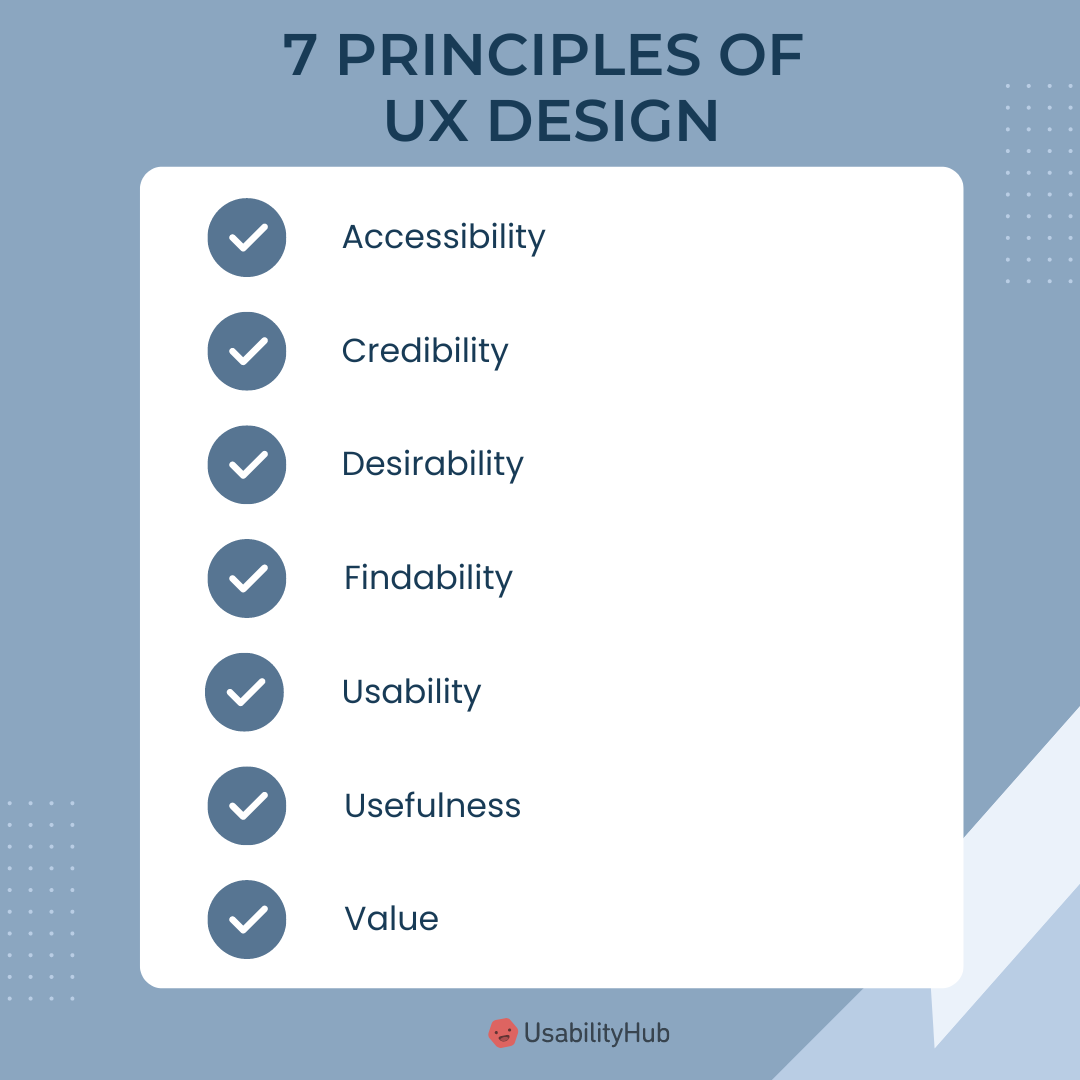
Aligning user experience (UX) initiatives with business objectives is essential in today’s competitive market. Companies that understand the symbiotic relationship between UX and business goals often find themselves driving growth more effectively. User experience is not just about creating intuitive interfaces; it’s about shaping the entire customer journey to align with the organization’s mission and objectives. By ensuring that UX strategies are embedded within the broader business framework, companies can create value that resonates with customers while also achieving their financial goals.
Integrating user experience with business goals can lead to substantial growth through several key mechanisms. When UX initiatives are designed with the end goal of meeting business objectives, they can enhance customer satisfaction, increase retention rates, and ultimately drive revenue. For instance, a seamless user journey encourages customers to spend more time interacting with a product, translating into higher sales. Additionally, understanding user behavior and preferences can inform product development and marketing strategies that are more in tune with what customers want, leading to more effective campaigns and increased conversion rates.
Measuring the impact of user experience on business performance
To effectively integrate UX with business goals, it is crucial to have robust methods for measuring the impact of user experience on overall business performance. The connection between UX improvements and key performance indicators (KPIs) can be established through various metrics. It is important to employ both qualitative and quantitative approaches to gain a holistic view of performance.
The following methods are valuable for assessing the impact of user experience on business performance:
- Customer Satisfaction Scores (CSAT): Surveys can be conducted post-interaction to gauge customer satisfaction, providing direct feedback on UX initiatives.
- Net Promoter Score (NPS): This metric helps determine how likely customers are to recommend a product or service, indicating the overall user experience.
- Conversion Rate Optimization (CRO): Analyzing changes in conversion rates following UX enhancements can illustrate the direct impact of user experience on sales.
- User Engagement Metrics: Metrics such as time spent on site, bounce rates, and page views per session can indicate the effectiveness of UX strategies.
- Customer Retention Rate: A high retention rate can signal that improved user experience has effectively met customer needs and expectations.
By implementing these measurement strategies, businesses can identify areas where UX improvements align with their goals and contribute to overall success.
Examples of companies that have successfully integrated user experience strategies with their business models include Apple and Amazon. Apple’s focus on seamless user experiences, from product design to customer service, has cultivated a loyal customer base and driven significant revenue growth. Similarly, Amazon’s commitment to user-centric design, evident in its website layout and personalized recommendations, has made it a leader in e-commerce. Both companies demonstrate how a strong alignment between UX and business objectives can foster innovation, enhance customer loyalty, and ultimately lead to substantial business success.
The future of user experience design is shaped by emerging technologies and trends.

User experience (UX) design is in a transformative phase, driven by emerging technologies that promise to redefine how users interact with digital products. As we move forward, the integration of artificial intelligence (AI) and virtual reality (VR) is set to play a pivotal role in shaping user experiences. These technologies not only enhance engagement but also allow for more personalized and immersive interactions, which can significantly influence user behavior and design methodologies.
Impact of Artificial Intelligence and Virtual Reality on User Experience
The application of artificial intelligence in UX design offers the potential to analyze vast amounts of user data, leading to enhanced personalization. AI can tailor experiences based on individual user preferences, predicting needs and behaviors through machine learning algorithms. This leads to more intuitive interfaces that adapt in real-time. For instance, platforms like Spotify use AI to generate personalized playlists, enhancing user satisfaction and retention.
On the other hand, virtual reality transforms user experience by creating immersive environments that blur the lines between the digital and physical worlds. VR enables users to engage with content in a more visceral way. For example, IKEA’s VR app allows customers to visualize furniture in their own home settings before purchase, reducing uncertainty and enhancing decision-making.
The implications of these technologies extend to user behavior and design practices. Users become more accustomed to personalized and interactive experiences, leading to higher expectations. Designers must adopt agile methodologies, continually iterating on their designs based on user feedback and AI insights.
To navigate this rapidly evolving landscape, UX professionals should pay attention to the following trends that are shaping the future of user experience:
- Voice User Interface (VUI): With the rise of smart speakers and voice-activated devices, VUI is becoming essential. Users prefer conversational interfaces that allow for hands-free interaction.
- Augmented Reality (AR): Similar to VR, AR overlays digital information onto the physical world. Retailers like Sephora use AR to allow users to virtually try on makeup, enhancing the shopping experience.
- Micro-Interactions: Subtle animations and changes in response to user actions improve engagement. These small details can significantly enhance satisfaction without overwhelming users.
- Inclusive Design: Focusing on accessibility ensures that digital experiences cater to diverse user groups, making products usable for everyone, regardless of ability.
- Ethical AI: As AI becomes more integrated into UX, ethical considerations regarding data privacy and algorithmic bias will be crucial. Users are increasingly demanding transparency in how their data is used.
In summary, the future of user experience design is closely linked to the advancements in AI and VR technologies. As these tools evolve, they will continue to challenge and inspire UX professionals to create more engaging, personalized, and inclusive experiences for users.
Last Point
In conclusion, the world of User Experience is continually evolving, shaped by technological advancements and changing user expectations. By adhering to the principles discussed, embracing user feedback, and integrating emotional design, businesses can create engaging experiences that not only attract but also retain users. As we look ahead, staying attuned to emerging trends and technologies will be key in maintaining a competitive edge in this dynamic field.
FAQ Explained
What is User Experience Design?
User Experience Design is the process of enhancing user satisfaction by improving the usability, accessibility, and pleasure provided in the interaction with a product.
Why is usability important in User Experience?
Usability is crucial as it determines how easy and satisfying a product is to use, directly influencing user retention and satisfaction.
How does emotional design affect User Experience?
Emotional design taps into users’ feelings, creating connections that enhance engagement and loyalty, leading to positive experiences.
What are common methods of User Research?
Common methods include surveys, usability testing, interviews, and observation, each offering valuable insights into user behavior and preferences.
How can businesses measure the effectiveness of User Experience?
Businesses can measure effectiveness through metrics such as user satisfaction scores, retention rates, and conversion rates, providing insight into user engagement.
What role does mobile usability play in User Experience?
Mobile usability addresses the unique challenges of smaller screens and touch interactions, ensuring that users have a smooth experience on mobile devices.