Mainframes have long been the backbone of critical enterprise operations, powering everything from banking systems to large-scale data processing. They represent a unique blend of hardware and software designed for high-performance computing, handling vast amounts of transactions with unmatched reliability and security.
With their ability to process large-scale workloads and maintain data integrity, mainframes continue to evolve, keeping pace with technological advancements and changing business needs. Understanding their architecture, historical significance, and role in modern enterprises is essential for appreciating the ongoing relevance of mainframe technology in today’s digital landscape.
Mainframe Architecture and Its Components
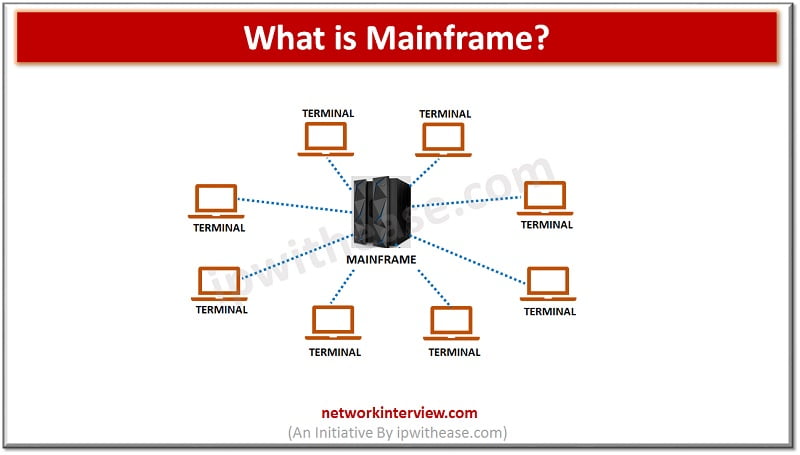
Mainframe systems are colossal computing machines designed to handle and process vast amounts of data. They are primarily utilized by large organizations for bulk data processing, critical applications, and transaction processing. The architecture of mainframe systems is both robust and intricate, allowing them to perform reliably under heavy workloads.
The fundamental architecture of mainframe systems is built around several critical components that work cohesively to ensure optimal performance. The key elements include processors, memory, and I/O subsystems, each playing a significant role in the overall functionality of the system.
Processors, Memory, and I/O Subsystems
At the heart of a mainframe is its processor, often referred to as a central processing unit (CPU). Mainframes typically use multiple processors to enable parallel processing, allowing simultaneous execution of multiple tasks. This architecture not only enhances performance but also ensures high availability and reliability.
Memory in mainframes is designed to support massive data storage and quick retrieval. It consists of both volatile memory (RAM) for active processes and non-volatile memory for long-term data storage. Mainframe memory is often configured in a hierarchical structure to optimize speed and efficiency, with caches to speed up data access.
The I/O subsystems manage the interaction between the mainframe and external devices like storage systems, printers, and network interfaces. These subsystems are crucial for ensuring that data input and output operations do not bottleneck the performance of the CPU and memory. They often include specialized controllers and communication interfaces that can handle multiple devices simultaneously.
Mainframe operating systems, such as IBM’s z/OS, play a pivotal role in managing hardware resources and providing a platform for applications. These operating systems are designed to leverage the hardware capabilities of mainframes, enabling efficient workload management and resource allocation. They support multitasking and virtual memory, allowing multiple users and applications to run concurrently without interference.
Various types of mainframes exist, each with distinct architectural designs tailored to specific needs. For instance, IBM’s zSeries is renowned for its high processing power and reliability, making it ideal for financial institutions. Conversely, the Fujitsu GS21 series offers unique features for enterprise resource planning (ERP) applications. These diverse architectural designs reflect the adaptability of mainframes to meet the unique demands of different industries.
The Evolution of Mainframe Technology Over the Decades
Mainframe technology has undergone significant transformations since its inception in the mid-20th century. Initially developed to meet the data processing needs of large organizations, mainframes have continued to adapt to the changing landscape of technology and business requirements. Understanding this evolution is crucial for appreciating the role mainframes play in today’s enterprise environments.
The journey of mainframe technology began in the 1950s, with the introduction of machines like the IBM 701, which was one of the first commercially successful computers. Over the next few decades, mainframes evolved rapidly, driven by advancements in hardware and software. The 1960s marked a pivotal period with the launch of the IBM System/360, which standardized the architecture of mainframes and introduced the concept of virtualization. This allowed multiple applications to run simultaneously on a single machine, significantly improving efficiency and resource utilization.
Technological Advancements Shaping Modern Mainframes
Today’s mainframes are the result of numerous advancements that have transformed their capabilities. Key technological milestones include:
- Increased Processing Power: Modern mainframes boast multi-core processors and advanced chip technology, enabling them to handle vast amounts of data at incredible speeds.
- Enhanced Storage Solutions: The introduction of solid-state drives (SSDs) and high-capacity storage solutions has greatly improved data retrieval times and capacity.
- Cloud Integration: Mainframes now support cloud computing, allowing businesses to leverage hybrid models that combine on-premises and cloud resources seamlessly.
- Security Features: With the rise in cyber threats, modern mainframes incorporate advanced security measures, including encryption, secure access protocols, and robust auditing capabilities.
These advancements have not only enhanced performance but also ensured that mainframes remain relevant in a fast-paced technological environment. They are crucial for handling large-scale transactions, particularly in industries such as finance and healthcare, where data integrity and security are paramount.
Mainframes have continuously adapted to the evolving needs of businesses. For instance, the shift towards digital transformation has prompted mainframe vendors to integrate modern programming languages and development environments. This adaptability allows organizations to modernize their legacy applications without compromising on performance or security.
“Mainframes are not relics of the past; they are dynamic platforms that continue to evolve with technology trends.”
With their inherent reliability and robustness, mainframes are positioned to meet the demands of future business needs, ensuring they remain a cornerstone of enterprise IT infrastructure in an ever-changing digital landscape.
Mainframe’s Role in Modern Business Operations
In today’s digital landscape, mainframes continue to play a pivotal role in business operations, particularly in sectors that demand high levels of reliability, security, and scalability. Despite the rise of cloud computing and distributed systems, many large enterprises find that mainframes provide unmatched processing power, which is essential for managing massive volumes of transactions and data. Industries such as banking, insurance, healthcare, and retail heavily rely on mainframes to ensure their operations run smoothly and efficiently.
Mainframes are designed to handle vast amounts of data and concurrent users, making them ideal for organizations that require robust systems to support their day-to-day activities. The need for continuous availability, coupled with the growing demand for data analytics, has reinforced the significance of mainframes in modern business settings. These powerful machines excel in transaction processing, enabling companies to maintain high-speed performance while managing complex workloads.
Industries Leveraging Mainframe Technology
Several industries rely on mainframe systems to drive their operations effectively. The following are key sectors that exemplify this reliance:
- Banking and Financial Services: Financial institutions utilize mainframes to process millions of transactions daily, managing everything from ATM transactions to stock trading. For example, Bank of America has integrated mainframe technology to handle its extensive transaction volumes securely and efficiently, ensuring customer data integrity and compliance with regulations.
- Insurance: Major insurance companies, like Allstate, utilize mainframes to manage policy creation, claims processing, and customer data. The ability to run complex calculations and maintain large databases on a mainframe provides these companies with the speed and reliability necessary for effective customer service.
- Healthcare: Organizations such as the Veterans Health Administration use mainframes to maintain patient records, conduct billing activities, and support clinical operations. The secure and stable environment that mainframes offer is crucial in managing sensitive health data and ensuring compliance with stringent regulations.
- Retail: Retail giants like Walmart employ mainframes to manage inventory, process transactions, and analyze customer data in real-time. This capability allows them to offer a seamless shopping experience while ensuring operational efficiency.
The integration of mainframe systems comes with several benefits. They are highly reliable, with uptime percentages often reaching 99.999%, which is critical for businesses that operate around the clock. Furthermore, mainframes support virtualization, allowing multiple instances to run on a single machine, thus optimizing resource use and reducing operational costs.
However, challenges also accompany the integration of mainframe systems. The initial investment and maintenance costs can be substantial, deterring some organizations from upgrading or migrating their legacy systems. Additionally, finding skilled professionals who are adept at managing mainframe environments can be difficult, as fewer educational programs focus on this technology.
In summary, mainframes remain a cornerstone in modern business operations, particularly for industries that demand high reliability, security, and efficiency. The case studies of successful implementation across various sectors highlight their importance and the ongoing relevance of mainframe technology in driving business success.
Security Features of Mainframe Systems
Mainframe systems are renowned for their robust security architecture, designed to protect sensitive data through a myriad of advanced security features. These systems serve as the backbone for many organizations that handle vast amounts of confidential information, ranging from financial records to personal data. The inherent security measures in mainframes ensure that data integrity, availability, and confidentiality are maintained at all times.
The security measures inherent in mainframe systems include extensive access controls, encryption protocols, and auditing features. Access controls are enforced through a combination of user authentication methods, such as multi-factor authentication, which adds an extra layer of security by requiring users to provide multiple forms of identification. Encryption plays a pivotal role in safeguarding data both at rest and in transit, utilizing advanced algorithms to render data unreadable to unauthorized users. Additionally, mainframe systems implement comprehensive auditing capabilities, allowing organizations to track and log user activities, which is crucial for identifying potential security breaches.
Implications of Security Vulnerabilities
Understanding the implications of security vulnerabilities in mainframe systems is vital for businesses that rely on these platforms. Any breach or compromise can lead to catastrophic consequences, including financial losses, reputational damage, and legal ramifications. Organizations often deal with compliance requirements, such as GDPR or HIPAA, where violations can result in hefty fines and loss of customer trust.
To mitigate risks associated with security vulnerabilities, businesses should adopt a proactive approach. This includes regularly updating software to patch vulnerabilities, conducting penetration testing to identify weaknesses, and implementing comprehensive security policies. Regular employee training on security best practices is essential as human error often remains a significant vulnerability.
Best Practices for Maintaining Security
Maintaining security in a mainframe environment requires adherence to best practices that strengthen the overall security posture. These include:
– Regular Security Audits: Conducting frequent security assessments to identify and rectify potential vulnerabilities.
– Data Encryption: Utilizing robust encryption methods for both data at rest and in transit to protect sensitive information.
– Access Management: Implementing strict access controls, ensuring that only authorized personnel have access to sensitive data.
– Incident Response Plan: Developing and maintaining a comprehensive incident response plan to swiftly address any security breaches.
– User Training: Providing ongoing training for users to recognize and respond to security threats effectively.
Implementing these best practices helps organizations not only protect their sensitive data but also strengthens their resilience against evolving security threats.
Mainframes vs. Distributed Computing
Mainframes and distributed computing systems represent two distinct paradigms in the world of computing, each with its own strengths and weaknesses. The choice between these systems often depends on specific organizational needs, including performance requirements, cost considerations, and scalability. Understanding the differences can help businesses make informed decisions about which technology to adopt.
Mainframes are powerful, centralized computing systems designed to handle large volumes of transactions and data processing tasks with high reliability and security. They excel in processing speed and can support thousands of simultaneous users without significant performance degradation. However, mainframes come with a substantial upfront investment and ongoing maintenance costs, which may not be justifiable for smaller organizations. On the other hand, distributed computing systems utilize a network of interconnected computers to share workloads. This approach can be more cost-effective, as it allows organizations to leverage commodity hardware and scale out by adding more nodes to the network. However, performance may vary depending on network latency and the efficiency of the load balancing mechanisms in place.
Performance, Cost, and Scalability
When assessing mainframes versus distributed systems, it’s essential to consider their performance, cost, and scalability in various contexts.
– Performance:
Mainframes are unparalleled in handling large-scale transactions. For instance, banks and financial institutions rely on mainframes to process millions of transactions per second, ensuring that operations run smoothly and securely. Distributed systems, while flexible, may experience bottlenecks during peak loads due to network latency, potentially affecting response times.
– Cost:
The cost dynamics differ significantly between the two systems. Mainframes require a sizeable initial investment and specialized personnel for maintenance, which can be a financial burden for smaller enterprises. In contrast, distributed computing offers lower entry costs, as organizations can utilize existing hardware and scale incrementally without a hefty initial expenditure.
– Scalability:
Mainframes provide a stable and robust environment but are less scalable in terms of physical upgrades compared to distributed systems. Distributed computing can easily scale horizontally by adding more machines to the network, making it an attractive option for businesses expecting rapid growth.
Organizations may favor one system over the other based on their specific operational needs. For example, a financial institution with a high volume of transactions may find mainframes indispensable due to their ability to ensure reliability and security. Conversely, a growing startup that prioritizes cost and flexibility might opt for a distributed computing model to accommodate fluctuating workloads.
Hybrid approaches are becoming increasingly popular, combining the strengths of both mainframes and distributed systems. In such configurations, organizations leverage the reliability and processing power of mainframes for critical applications while utilizing distributed computing for less demanding tasks or customer-facing services. This allows for a more balanced workload distribution and optimized resource utilization across the IT infrastructure, ultimately leading to enhanced operational efficiency.
Future Trends in Mainframe Technology
As the digital landscape continues to evolve, mainframe technology is at an exciting crossroads. Traditionally viewed as legacy systems, mainframes are increasingly integrating modern innovations, shaping the future of enterprise computing. This transformation is fueled by the necessity for businesses to harness data at scale, ensure security, and retain efficiency in operations. Observing current trends gives us insight into how mainframe technology will adapt and thrive in the upcoming years.
One of the most significant trends is the increasing integration of cloud computing with mainframe systems. The cloud offers scalability and flexibility that traditional systems often cannot match, allowing organizations to respond swiftly to market demands. By leveraging hybrid cloud architectures, businesses can maintain their core mainframe applications while accessing the advanced capabilities of cloud services.
Cloud Integration and Mainframe Synergy
The synergy between cloud computing and mainframe technology is not just about coexistence; it’s about enhancing capabilities. This trend is driven by a few key factors, including the need for disaster recovery, cost efficiency, and access to innovative tools. Here are some notable points regarding this integration:
- Disaster Recovery Solutions: Cloud-based backup solutions are becoming essential for mainframe operations, offering improved recovery times and operational continuity.
- Cost Management: Companies can reduce overhead by utilizing cloud services for workloads that do not require the mainframe’s processing power.
- Access to Modern Tools: Integrating cloud capabilities enables mainframes to use AI and machine learning tools, thereby enhancing data analysis and reporting functions.
In addition to cloud integration, advancements in artificial intelligence (AI) are set to reshape the mainframe landscape. AI technologies can optimize operations by automating routine tasks, detecting anomalies, and predicting system failures. The incorporation of AI into mainframe systems enhances decision-making and operational efficiency.
AI Advancements in Mainframe Technology
The application of AI within mainframe environments is gaining momentum, with organizations recognizing its potential to transform workloads. This integration brings numerous benefits, highlighted by specific ongoing initiatives:
- Autonomous Operations: Companies are developing AI-driven systems that can self-manage, reducing the need for human intervention in routine tasks.
- Enhanced Security: AI algorithms are increasingly used for real-time threat detection, helping organizations safeguard sensitive data against breaches.
- Data Analytics: Advanced analytics powered by AI allow for deeper insights, enabling organizations to make informed business decisions based on real-time data insights.
A notable example of these trends is IBM’s Project CodeNet, which aims to utilize AI to modernize legacy codebases, making it easier for enterprises to transition to modern programming languages without losing the reliability of their mainframe systems. Additionally, organizations like BMC are focusing on AI-driven solutions for mainframe performance optimization, ensuring systems run smoothly while adapting to new workloads.
As emerging technologies continue to evolve, the mainframe industry stands poised to leverage cloud and AI advancements, ensuring its relevance and enhancing its capabilities in a data-driven world. The interplay between these technologies promises to redefine efficiency and innovation within enterprise computing.
Challenges in Mainframe Maintenance and Upgrades
Maintaining and upgrading mainframe systems presents a unique set of challenges for organizations. Due to their critical role in business operations, the complexities involved in these systems demand a thorough understanding of best practices and strategies to navigate potential pitfalls.
One of the primary challenges organizations face in mainframe maintenance is the aging of the technology and software. Many mainframe environments rely on legacy systems, which can hinder the adoption of new technologies and methodologies. These systems often lack compatibility with modern applications and can become increasingly difficult to support as fewer professionals have expertise in them. Organizations may struggle to find skilled personnel who are knowledgeable in older programming languages like COBOL, making it hard to maintain or upgrade these systems without significant additional training and costs.
Another common issue is the financial aspect of maintenance and upgrades. Budget constraints can limit the resources available for necessary updates, leading to a backlog of required maintenance tasks. Moreover, the costs associated with hiring consultants or transitioning to newer systems can deter organizations from making essential upgrades, which in turn exacerbates the issues related to aging technology. The risk of downtime during upgrades also poses a challenge, as any disruption could severely impact business operations.
To overcome these challenges, organizations can adopt several strategies. First, resource allocation is critical; organizations should ensure that sufficient budgetary resources are allocated for ongoing maintenance, as well as training for existing staff. Investing in training programs for employees can bridge the skill gap and empower teams to manage both legacy systems and new technologies effectively. Additionally, organizations might consider leveraging hybrid systems where feasible, allowing them to integrate newer applications with existing mainframe processes.
Legacy systems can significantly impact maintenance efforts and upgrade strategies. Organizations may need to develop a phased approach to upgrading their systems, gradually replacing outdated components while ensuring that critical operations remain uninterrupted. This strategy allows for a more manageable transition without overwhelming the IT infrastructure.
“Successful mainframe maintenance and upgrades require a careful balance of resources, training, and strategic planning.”
The Skills Required for Mainframe Professionals
Mainframe professionals play a crucial role in the IT ecosystem, managing and maintaining the backbone of many large organizations. The complexity and importance of mainframe systems require a diverse set of skills and qualifications that not only ensure the smooth operation of these systems but also contribute to the strategic initiatives of businesses. As the industry evolves, so do the skills required for success in this field, making it essential for professionals to stay updated and relevant in their knowledge.
The foundation for a successful career in mainframe technology begins with a strong educational background in computer science, information technology, or a related field. However, formal education is just the start. Professionals need to possess a combination of technical and soft skills to excel. Some essential skills include:
Essential Technical Skills
Understanding that technical proficiency is paramount, here are the core technical skills mainframe professionals should cultivate:
- Programming Languages: Proficiency in languages like COBOL, PL/I, and Assembler is crucial as these languages are often used for mainframe applications.
- Database Management: Knowledge of database systems such as DB2 or IMS is vital for data storage and retrieval.
- Operating Systems Knowledge: Familiarity with mainframe operating systems like z/OS is necessary for system administration and management.
- Networking Skills: Understanding network protocols and connectivity is important for managing mainframe interactions with other systems.
- Security Awareness: Knowledge of mainframe security practices to protect sensitive data is increasingly important.
Additionally, professionals must have strong analytical skills to troubleshoot issues effectively, along with problem-solving abilities to develop innovative solutions for complex challenges. Communication skills are equally vital, as these professionals often collaborate with other IT teams and stakeholders across the organization, translating complex technical jargon into understandable terms.
Importance of Training and Certification
To maintain a skilled workforce, ongoing training and certification are imperative. The rapid technological changes in mainframe environments necessitate continuous learning. Certifications from recognized organizations, such as IBM, not only validate skills but also signal a commitment to professional development. These certifications provide detailed knowledge of mainframe technologies and industry standards, essential for career advancement.
Investing in training programs can lead to career opportunities that are both broad and robust. With mainframe systems still integral to many operations, professionals can find roles in various sectors, including finance, healthcare, and government, where stable and secure IT frameworks are critical.
Career growth in the mainframe sector is promising, with many companies recognizing the value of seasoned mainframe experts. The high demand for such professionals often translates into competitive salaries and opportunities for advancement into roles such as system architects or managerial positions.
In summary, the landscape for mainframe professionals is rich with opportunities, driven by a combination of technical expertise, ongoing education, and the ability to adapt to evolving technologies.
Final Conclusion
In conclusion, mainframes remain a crucial component in the business technology ecosystem, seamlessly integrating with modern innovations while delivering unparalleled performance and security. As organizations navigate the challenges and opportunities presented by rapidly changing technology, the role of mainframes will likely continue to adapt and thrive, setting the stage for exciting developments in the future.
Quick FAQs
What industries primarily use mainframes?
Industries like finance, healthcare, and retail heavily rely on mainframes for their critical operations and data management.
Are mainframes still relevant today?
Yes, mainframes are still highly relevant, especially for organizations that require high availability, security, and processing power for large volumes of transactions.
What are the main advantages of using a mainframe?
Mainframes offer superior reliability, scalability, and security, enabling organizations to handle vast amounts of data and transactions efficiently.
How do mainframes compare to cloud computing?
Mainframes provide robust performance for specific applications, while cloud computing offers flexibility and scalability. Many businesses adopt a hybrid approach to leverage both.
What skillsets are in demand for mainframe professionals?
Skills in programming languages like COBOL, as well as knowledge of mainframe environments and databases, are highly sought after in the industry.