Embedded Systems are everywhere, quietly powering the devices and technologies that shape our daily lives. From smart appliances to complex industrial machines, these systems integrate hardware and software to perform dedicated tasks with remarkable efficiency. With the rapid evolution of technology, understanding the nuances of embedded systems has become essential for both industry professionals and enthusiasts alike.
This exploration begins by demystifying the fundamental concepts of embedded systems, showcasing their diverse applications, and highlighting the critical components that make them function seamlessly. As we delve deeper, you’ll discover the pivotal role of microcontrollers, the importance of real-time operating systems, and the intricate communication protocols that connect these systems. Together, these elements form the backbone of embedded systems, illustrating their significance across various sectors.
Understanding the Fundamental Concepts of Embedded Systems
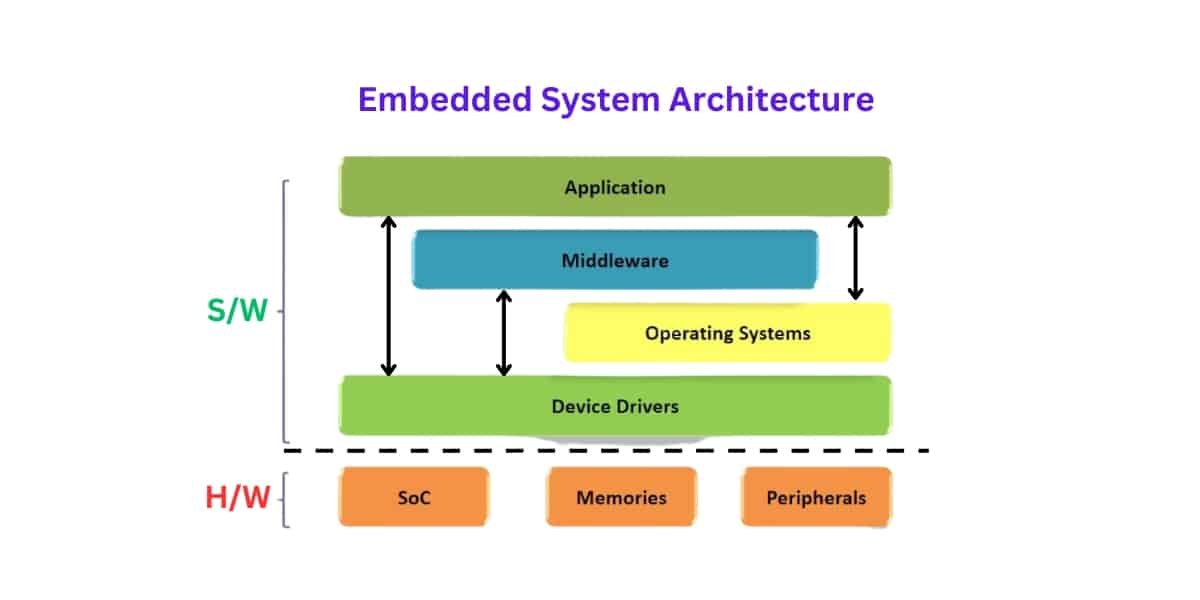
Embedded systems are specialized computing systems that perform dedicated functions within larger mechanical or electrical systems. They are designed to execute specific tasks, often with real-time computing constraints. The essence of embedded systems lies in their integration with hardware and software to enhance the functionality of various devices, making them indispensable in modern technology. Unlike general-purpose computers, which can perform a range of tasks, embedded systems are optimized for particular applications, ensuring efficiency and reliability.
One of the fundamental principles of embedded systems is their hardware-software co-design, where both components must work seamlessly together to meet system requirements. This includes a combination of microcontrollers or microprocessors, memory (both volatile and non-volatile), input/output interfaces, and often communication modules. The software typically consists of embedded operating systems or firmware specifically tailored for the tasks at hand.
Examples of Embedded Systems Across Industries
Embedded systems can be found in numerous applications across diverse industries. Understanding their varied implementations highlights their significance. Below are examples illustrating the breadth of embedded systems:
- Automotive Industry: Modern vehicles utilize embedded systems for engine control units (ECUs), airbag systems, and advanced driver-assistance systems (ADAS). For instance, ECUs monitor engine performance and optimize fuel efficiency.
- Consumer Electronics: Devices like smart TVs, washing machines, and digital cameras all contain embedded systems tailored for their specific functions, such as user interface management and device controls.
- Healthcare: Medical devices such as pacemakers and infusion pumps rely on embedded systems to ensure that they function accurately and reliably, monitoring patient conditions in real time.
- Industrial Automation: Programmable Logic Controllers (PLCs) in manufacturing settings are embedded systems that automate processes, significantly improving productivity and safety.
- Telecommunications: Network routers and switches utilize embedded systems to manage data traffic efficiently, ensuring reliable communication across networks.
Hardware and Software Components of Embedded Systems
Understanding the components that constitute embedded systems is crucial for grasping their functionality. These systems typically comprise a variety of hardware and software elements that work in concert.
The hardware components often include:
- Microcontrollers: These are compact integrated circuits that serve as the brain of embedded systems, handling specific tasks and operations.
- Memory: Memory units, including RAM and Flash memory, are used for temporary and permanent storage of data and programs.
- Input/Output Interfaces: These interfaces facilitate communication between the embedded system and the external environment, such as sensors and actuators.
On the software side, embedded systems may employ:
- Embedded Operating Systems: These are specially designed to manage hardware resources and provide a platform for application software.
- Firmware: Low-level software that directly controls hardware behavior, often stored in non-volatile memory.
“Embedded systems combine both hardware and software to perform dedicated tasks within larger systems, significantly influencing various industries.”
Exploring the Role of Microcontrollers in Embedded Systems
Microcontrollers are essential components in the world of embedded systems, acting as the brain that executes commands and processes data in a myriad of devices. From household appliances to automotive systems, microcontrollers manage and control tasks with precision, making them indispensable in modern technology. Their integration into daily life has evolved dramatically, showcasing their flexibility and adaptability across various applications.
Microcontrollers serve as the heart of embedded systems, providing not only processing power but also integration capabilities essential for controlling peripherals and interfacing with other systems. Unlike general-purpose microprocessors, microcontrollers are specifically designed for embedded applications, combining a CPU, memory, and input/output peripherals into a single chip. This compact design allows for efficient operation, often resulting in reduced costs and space requirements when building embedded devices.
Characteristics of Microcontrollers
The distinction between microcontrollers and microprocessors lies in their architectural design and intended applications. Understanding these differences is crucial for selecting the appropriate component for a specific embedded system project. Below are key characteristics that set microcontrollers apart from microprocessors:
- Integration Level: Microcontrollers are highly integrated with memory and input/output ports on a single chip, while microprocessors typically require external components for memory and peripheral interfacing.
- Specialization: Microcontrollers are optimized for specific tasks, making them ideal for applications like automotive control systems, smart appliances, and robotics. Microprocessors, on the other hand, are designed for general-purpose computing tasks such as running operating systems and applications.
- Power Consumption: Microcontrollers generally consume less power compared to microprocessors, which is critical for battery-operated devices and energy-efficient applications.
- Cost: Microcontrollers tend to be more affordable due to their specific design for embedded applications, whereas microprocessors often come with higher costs associated with their broader capabilities.
The landscape of microcontroller architectures varies, with several prominent models being widely adopted in the industry. ARM Cortex-M, AVR, PIC, and MSP430 are notable architectures recognized for their unique attributes and applications.
- ARM Cortex-M: Renowned for its energy efficiency and high performance, the ARM Cortex-M series is widely used in consumer electronics, automotive applications, and IoT devices. Its support for low-power modes makes it ideal for battery-operated devices.
- AVR: Developed by Atmel (now part of Microchip Technology), AVR microcontrollers have become popular in educational settings and hobbyist projects. Their straightforward architecture and ease of programming make them accessible for beginners.
- PIC: Microchip’s PIC microcontrollers are known for their robust performance and versatility across various applications, including industrial automation and automotive systems. Their compatibility with multiple development tools enhances usability.
- MSP430: Texas Instruments’ MSP430 series is celebrated for its ultra-low power consumption, making it a favorite in applications requiring extended battery life. It’s commonly used in portable medical devices and wireless sensor nodes.
Microcontrollers, with their specialized design and architecture, play a critical role in enabling functionality and intelligence in embedded systems. Their ability to process data, manage tasks, and interact with the environment makes them a vital component in the ever-evolving landscape of technology.
Analyzing the Importance of Real-Time Operating Systems in Embedded Applications
Real-time operating systems (RTOS) play a crucial role in embedded systems where timing and reliability are paramount. These systems are designed to perform tasks within strict timing constraints, making them indispensable for applications in various industries, including automotive, healthcare, telecommunications, and industrial automation. The critical nature of these applications demands an operating system that can manage resources efficiently and guarantee timely execution of tasks.
RTOS ensures that critical tasks are executed within predetermined timeframes, which is essential for maintaining system stability and performance. In a world where technology is increasingly integrated into everyday processes, the need for responsive, reliable, and efficient embedded systems continues to grow. Embedded applications often involve complex hardware interactions and multitasking environments, where tasks must be completed without delay to avoid catastrophic failures or safety hazards. RTOS offers the capabilities to prioritize tasks, handle interrupts, and manage memory effectively, thereby providing the foundation for dependable performance.
Comparison of Different Types of Real-Time Operating Systems
Several types of real-time operating systems exist, each catering to specific needs and applications within the embedded systems domain. Understanding their differences is vital for selecting the appropriate RTOS for a given application.
– Hard Real-Time Operating Systems: These systems guarantee that critical tasks will always be executed within specified time limits. Failure to do so could lead to system failure or catastrophic events. Examples include VxWorks and QNX, used in applications such as medical devices and automotive safety systems.
– Soft Real-Time Operating Systems: These systems ensure that critical tasks are prioritized, but there may be instances where deadlines are missed without severe consequences. An example is Linux with real-time extensions, which is often used in digital signal processing applications.
– Firm Real-Time Operating Systems: These systems are a blend of hard and soft real-time characteristics. They allow for some missed deadlines but aim to minimize them. An example is the Real-Time Executive for Multiprocessor Systems (RTEMS), which is suitable for aerospace applications.
The choice of RTOS significantly impacts the performance and reliability of embedded systems. The specific requirements of the application—such as the necessity for determinism, the handling of multitasking environments, and resource limitations—will guide this choice.
Challenges in Implementing Real-Time Systems
Implementing real-time operating systems in embedded environments presents several challenges that developers must navigate.
One notable challenge is resource constraints. Embedded systems often operate under limited memory and processing power, which can hinder the implementation of complex RTOS features. An efficient RTOS must manage resources judiciously, ensuring that critical tasks receive the necessary resources without exhausting system capabilities.
Another challenge is timing predictability. In a multitasking environment, ensuring that tasks meet their deadlines amidst varying workloads can be complex. Factors such as task priority, scheduling algorithms, and system load contribute to the predictability of real-time systems.
Furthermore, testing and validation pose significant hurdles. Verifying that all tasks meet their timing requirements and function correctly under different scenarios can be time-consuming and resource-intensive. Developers must employ rigorous testing strategies to ensure reliability, often requiring specialized tools and techniques.
Finally, the integration of new technologies into existing systems can lead to compatibility issues. As embedded systems evolve, incorporating modern components or strategies while maintaining real-time performance can be challenging but necessary for keeping pace with technological advancements.
Overall, the successful implementation of RTOS in embedded applications hinges on understanding these challenges and carefully selecting the right tools and strategies to address them.
Designing Power Management Solutions for Embedded Systems
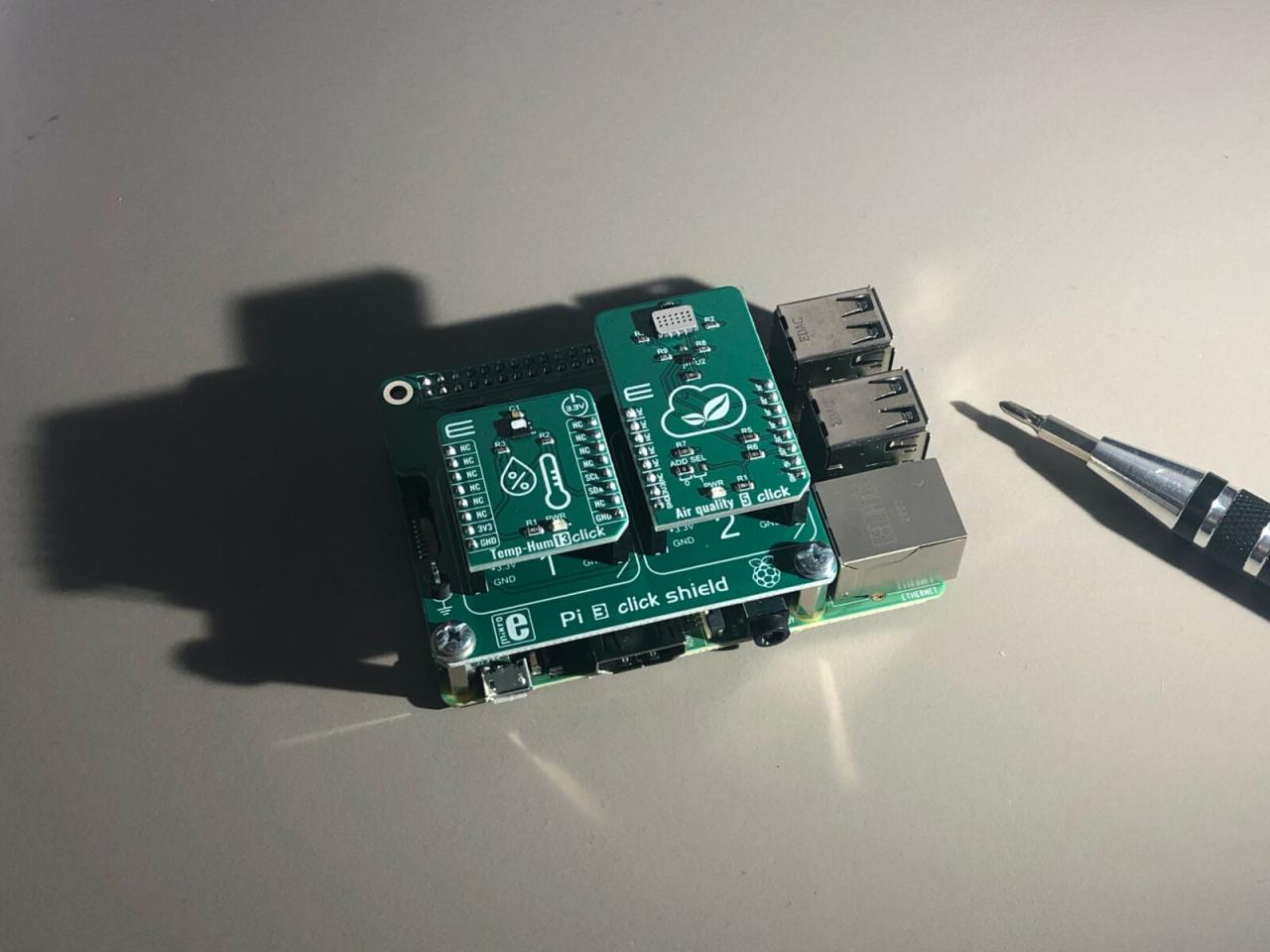
Power management is a critical aspect of embedded system design, especially as devices become more compact and rely on battery power. The significance of effective power management lies in extending the operational life of devices, enhancing performance, and reducing energy costs. In a world increasingly reliant on portable electronics, the ability to manage power efficiently is not just a benefit but a necessity. As embedded systems are integrated into various industries, from automotive to consumer electronics, the demand for sustainable energy solutions continues to grow. This calls for innovative approaches to power management that cater to the diverse requirements of embedded applications.
Significance of Power Management in Embedded Systems
Power management in embedded systems is essential for optimizing performance while minimizing energy consumption. As devices often operate in constrained environments, the ability to effectively manage power can lead to significant advantages. Here are some key reasons why power management is vital:
- Prolonging Battery Life: Efficient power management directly translates to longer battery life, which is particularly important for portable devices like smartphones and wearables.
- Reducing Heat Generation: Power-efficient designs generate less heat, enhancing the overall reliability and lifespan of electronic components.
- Enhanced Performance: Proper power management allows systems to balance performance and energy efficiency, ensuring that devices can handle peak loads without draining power unnecessarily.
- Compliance with Regulations: Many regions have stringent regulations regarding energy consumption, making power management an essential factor in product development.
Strategies for Optimizing Power Consumption
To achieve effective power management, various strategies can be employed that focus on both hardware and software solutions. These strategies include:
- Dynamic Voltage and Frequency Scaling (DVFS): This technique allows the system to adjust its voltage and frequency according to the processing load, leading to reduced power consumption during low activity periods.
- Power Gating: By disconnecting power to unused components, power gating helps minimize energy loss in idle states, ensuring that only necessary parts of the system remain operational.
- Sleep Modes: Implementing various sleep modes can significantly reduce power draw when devices are inactive, allowing them to quickly resume full functionality when needed.
- Efficient Coding Practices: Optimizing software algorithms for power efficiency can lead to reduced processing requirements, thereby saving energy while maintaining performance.
Examples of Power Management Techniques
Several applications across different sectors showcase the effectiveness of power management techniques in embedded systems. Notable examples include:
- IoT Devices: Many Internet of Things (IoT) devices utilize low-power wireless communication protocols and sleep modes to extend battery life, enabling them to function for extended periods without requiring a recharge.
- Wearable Technology: Fitness trackers employ power management strategies like motion sensing to activate the display only when the user interacts with the device, conserving energy throughout the day.
- Smart Home Appliances: Devices like smart thermostats employ power management algorithms to optimize heating and cooling schedules, resulting in lower energy consumption while maintaining user comfort.
Investigating Communication Protocols in Embedded Systems
In the realm of embedded systems, communication protocols play a critical role in facilitating data exchange between microcontrollers, sensors, and other peripherals. Understanding these protocols is essential for developing efficient and reliable embedded applications. The choice of protocol impacts the performance, speed, and complexity of system design, making it a pivotal consideration for engineers and developers.
Embedded systems commonly use several communication protocols, each with distinct features, advantages, and limitations. Among the most prevalent protocols are I2C (Inter-Integrated Circuit), SPI (Serial Peripheral Interface), and UART (Universal Asynchronous Receiver-Transmitter). These protocols vary in their operational mechanism, data transmission rates, and overall suitability for different application scenarios.
Communication Protocols Overview
The three primary protocols—I2C, SPI, and UART—have unique characteristics that determine their effectiveness in various applications.
- I2C: I2C is a multi-master, multi-slave, packet-switched, single-ended, serial communication protocol. It allows multiple devices to communicate over just two wires (SDA for data and SCL for clock), making it efficient for connecting several peripherals with minimal wiring.
“With I2C, addressing of devices is achieved through a unique 7-bit or 10-bit identifier.”
Benefits: Simplifies wiring, supports multiple devices, and has a straightforward protocol.
Drawbacks: Slower data rates (typically 100 kHz to 400 kHz) and more complex implementation compared to SPI.
- SPI: SPI operates in a master/slave configuration, using separate lines for data input, data output, clock, and a slave select signal for each device. This allows for fast data transfer rates.
“SPI can achieve speeds up to several megahertz, significantly outpacing I2C.”
Benefits: High-speed communication, simplicity in design, and full-duplex capabilities.
Drawbacks: Requires more pins for connections, less suited for large networks of devices, and no formal addressing scheme.
- UART: UART is a point-to-point communication protocol that transmits data asynchronously, meaning that it does not require a clock signal. It is widely used for serial communication.
“UART allows for easy implementation with a simple two-wire connection: transmit and receive.”
Benefits: Simple implementation and effective for long-distance communication.
Drawbacks: Limited data rates compared to SPI, and not suitable for networking multiple devices without additional management.
Comparison of Communication Protocols
To further illustrate the differences among I2C, SPI, and UART, the following table summarizes their key features:
| Feature | I2C | SPI | UART |
|---|---|---|---|
| Number of Wires | 2 (SDA, SCL) | 4 (MOSI, MISO, SCLK, SS) | 2 (TX, RX) |
| Speed | 100 kHz – 400 kHz | Up to several MHz | Typically 9600 – 115200 bps |
| Data Transmission | Half-duplex | Full-duplex | Asynchronous |
| Number of Devices | Multiple devices (multi-master/slave) | Typically single master with multiple slaves | Point-to-point |
| Complexity | Moderate | Low | Low |
Final Wrap-Up
In conclusion, the journey through the realm of Embedded Systems reveals a dynamic landscape driven by innovation and technological advancement. As we witness the rise of IoT and other emerging trends, it becomes clear that the future of embedded systems is not only bright but filled with opportunities for growth and development. Understanding these systems is crucial for anyone looking to navigate the ever-evolving tech landscape, making them an integral part of both current and future technological advancements.
FAQ Compilation
What is an embedded system?
An embedded system is a computer designed to perform dedicated functions within a larger system, often with real-time computing constraints.
How do embedded systems differ from general-purpose computers?
Embedded systems are specialized for specific tasks, while general-purpose computers can perform a wide range of functions.
What industries commonly use embedded systems?
Industries such as automotive, healthcare, telecommunications, and consumer electronics heavily rely on embedded systems.
What programming languages are typically used for embedded systems?
C languages, C++, and assembly language are commonly used due to their efficiency and control over hardware.
Can embedded systems be updated after deployment?
Yes, many embedded systems can be updated remotely or locally to fix bugs or improve functionality.