Edge Computing is reshaping how we process and manage data, bringing computation closer to the source of data generation. As technology evolves, the demand for real-time data processing has increased, making edge computing a vital component in the digital landscape. Unlike traditional cloud computing, which centralizes processing in distant data centers, edge computing operates at the periphery of networks, allowing for faster response times and reduced bandwidth use. This approach not only enhances efficiency but also supports the growing needs of the Internet of Things (IoT), where devices generate massive amounts of data that require swift analysis and action.
This innovative paradigm shift is not just about technology; it represents a significant evolution in how industries engage with digital transformation. By examining how edge computing emerged, its essential components, and its applications across various sectors, we can appreciate its pivotal role in enhancing operational effectiveness and security in a world increasingly reliant on instantaneous data processing.
Edge Computing Defined
Edge computing is a transformative approach to data processing that brings computation and data storage closer to the sources of data generation. Unlike traditional cloud computing, which relies on centralized data centers to handle processing and storage, edge computing distributes these tasks across various “edge” devices located near the data source. This proximity reduces latency, minimizes bandwidth usage, and enhances the overall performance of applications. As the Internet of Things (IoT) continues to proliferate, the demand for faster, more efficient data processing has made edge computing a crucial component of modern technology infrastructure.
The evolution of edge computing can be traced back to the increasing need for real-time data processing and analysis. Initially, all computational tasks were handled in centralized data centers, which often resulted in delays that were unacceptable for time-sensitive applications. Over the last decade, as IoT devices became commonplace, the concept of edge computing gained traction. In the early 2010s, companies started experimenting with edge devices to offload some of the processing tasks from the cloud, leading to the rise of edge architecture. Today, edge computing supports a variety of applications, from smart cities and autonomous vehicles to industrial automation and healthcare, showcasing its adaptability and relevance in various sectors.
Components of Edge Computing Architecture
Understanding the components of edge computing architecture is essential for grasping its functionality and effectiveness. The architecture typically comprises various elements that work together to deliver seamless data processing and analysis. The primary components include:
- Edge Devices: These are the physical devices that generate data, such as sensors, cameras, and IoT devices. They play a crucial role in collecting and transmitting data to edge servers.
- Edge Servers: Located closer to the data sources, edge servers execute processing tasks, analyze data, and store results. These servers reduce the need to send all data back to a centralized cloud, thereby improving response times.
- Network Infrastructure: The networks connecting edge devices and servers are critical. They ensure that data can be transmitted quickly and reliably between components, utilizing protocols designed for low latency and high throughput.
- Data Management Software: This software orchestrates the flow of data between devices and servers, ensuring timely processing, security, and compliance with data regulations.
- Cloud Integration: While edge computing handles local processing, integration with centralized cloud services is often necessary for tasks requiring significant computing power or extensive data storage.
By leveraging these components, edge computing provides a robust solution that addresses the challenges posed by traditional cloud computing models, specifically in scenarios demanding real-time data processing and minimal latency.
The Role of Edge Computing in IoT
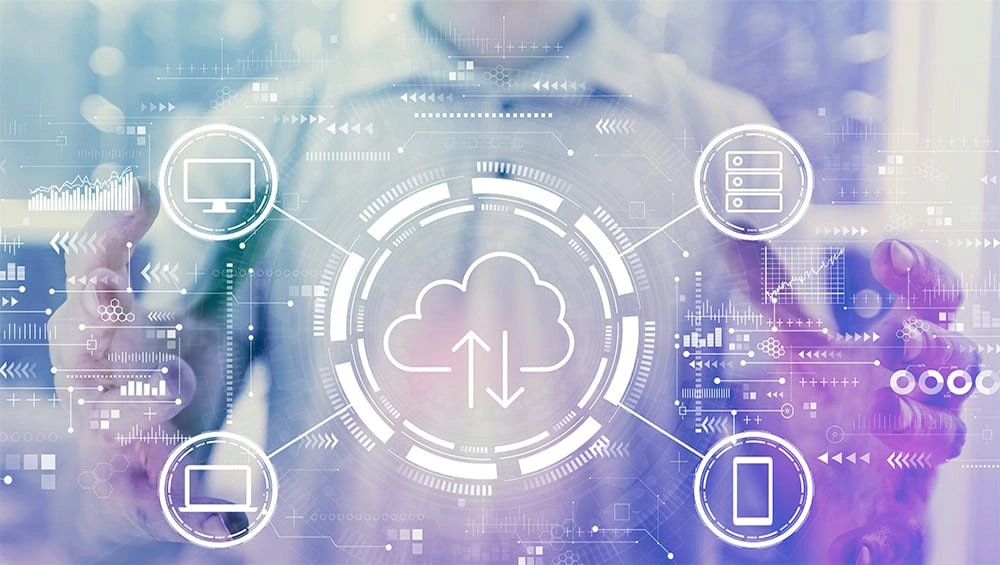
Edge computing plays a pivotal role in enhancing the functionality and performance of the Internet of Things (IoT). As IoT devices proliferate, the need for efficient data processing becomes increasingly critical. Edge computing addresses this need by bringing computation and data storage closer to the source of data generation, thus enabling real-time processing and reducing latency.
The integration of edge computing within IoT environments offers numerous advantages that directly impact the effectiveness of numerous applications. By processing data at the edge, devices can minimize the reliance on centralized cloud services, leading to faster response times and improved reliability. This localized processing is vital for applications where split-second decisions are necessary, such as autonomous vehicles or industrial automation.
Use Cases Enhancing IoT Functionality
Several specific use cases demonstrate how edge computing enhances IoT performance across various sectors:
- Smart Cities: In smart city applications, edge computing enables real-time data analysis from traffic sensors, surveillance cameras, and public transportation systems, enhancing municipal services and improving citizen safety.
- Healthcare: Wearable health devices and remote monitoring systems process patient data locally, allowing for immediate alerts and reducing the need for constant cloud communication, thereby enhancing patient care.
- Manufacturing: In industrial IoT, edge computing facilitates predictive maintenance by analyzing machine data on-site, which helps in identifying potential failures before they occur, thereby minimizing downtime.
- Retail: Edge computing allows retailers to analyze customer behavior and inventory levels in real-time, optimizing stock management and personalizing customer experiences without latency.
The performance improvements from edge computing can be substantial. By processing data closer to where it is generated, the bandwidth requirements for sending large volumes of data to the cloud decrease significantly, resulting in cost savings and more efficient use of network resources.
“Processing data at the edge allows for immediate insights and faster decision-making, crucial in time-sensitive applications.”
In summary, the significance of edge computing in the context of IoT is profound. It not only enhances operational efficiencies and responsiveness but also supports the scalability of IoT systems by providing a robust framework for data processing. As IoT devices continue to grow in number and complexity, the role of edge computing will only become more central to their success.
Security Challenges in Edge Computing
Edge computing environments present unique security challenges that arise from the decentralization of data processing and the proximity of data collection to end users. Unlike traditional cloud computing, where data is processed in a centralized location, edge computing involves numerous distributed devices, making the attack surface much larger. These environments often operate with limited physical security and are susceptible to a range of threats, from unauthorized access to data interception. As organizations shift towards edge computing, it’s essential to understand and address these challenges to safeguard sensitive information effectively.
The unique architecture of edge computing introduces specific vulnerabilities that are not typically found in centralized systems. Edge devices often have less processing power and may run on less secure operating systems, which can lead to exploitation by attackers. Furthermore, data transmitted between edge devices and central systems may not be adequately encrypted, exposing it to interception. Unlike traditional security measures designed for centralized systems, edge computing requires a new approach that considers the increased number of endpoints and the varying security capabilities of those devices.
Comparison of Traditional Security Measures and Edge Security
Traditional security measures include firewalls, intrusion detection systems (IDS), and centralized data encryption strategies. These methods are effective in a centralized computing environment but do not translate seamlessly to edge computing. The dispersed nature of edge devices complicates the implementation of these traditional measures, as each device may require unique security protocols. The following points highlight the key differences:
- Device Diversity: Edge computing involves a wide range of devices, from IoT sensors to mobile phones, each with different security requirements.
- Data Processing Location: In traditional systems, data is processed in a secure, centralized location; edge computing processes data close to its source, increasing exposure to threats.
- Endpoint Security: Traditional security focuses on protecting data at the server level, while edge computing necessitates securing each endpoint individually.
- Response Time: Traditional security often allows for slower response times, whereas edge environments require immediate threat detection and response due to their decentralized nature.
Strategies for Enhancing Security in Edge Computing Applications
To mitigate the unique security challenges of edge computing, organizations must adopt tailored strategies that strengthen their security posture. Implementing a multi-layered security approach is critical. Below are effective strategies that can be employed:
- Data Encryption: Encrypt data both in transit and at rest to protect sensitive information from unauthorized access.
- Device Authentication: Ensure that all devices connected to the network are authenticated and authorized to prevent unauthorized access.
- Regular Software Updates: Maintain up-to-date software on all devices to protect against known vulnerabilities and exploits.
- Intrusion Detection Systems: Deploy IDS specifically designed for edge environments to monitor and respond to threats in real time.
- Network Segmentation: Segmenting the network can limit the spread of potential attacks and contain breaches to isolated segments.
“Effective security in edge computing environments requires a holistic approach that accounts for the unique challenges posed by the distributed architecture.”
Edge Computing and 5G Technology
The integration of edge computing and 5G technology is creating revolutionary opportunities for businesses and industries worldwide. As 5G networks continue to expand and mature, their ability to support edge computing solutions has become increasingly significant. This synergy not only enhances the performance of applications but also enables new functionalities that were previously unattainable.
Relationship Between Edge Computing and 5G
Edge computing operates by processing data closer to the source of generation, reducing the need for data to travel long distances to centralized data centers. The rollout of 5G technology plays a crucial role in this ecosystem. With its high bandwidth and ultra-low latency, 5G enhances the effectiveness of edge computing by enabling real-time data processing and decision-making. This means that devices can communicate quicker, and applications can respond more rapidly to changing conditions, making it ideal for industries that rely on immediate data processing.
For instance, in the context of autonomous vehicles, 5G facilitates instant communication between vehicles and surrounding infrastructure, allowing for real-time adjustments to navigation and safety protocols. Such capabilities are essential for ensuring safety and efficiency in transportation systems that utilize edge computing.
Examples of 5G Enabling Efficient Edge Computing Applications
5G technology significantly enhances various edge computing applications, leading to improved efficiency and performance. Some notable examples include:
- Smart Cities: 5G enables faster data transmission from numerous sensors deployed throughout urban environments, allowing for efficient traffic management, waste management, and public safety initiatives.
- Healthcare Innovations: In telemedicine, 5G allows for high-definition video consultations and remote monitoring of patients’ health, enabling immediate interventions based on real-time data collected at the edge.
- Industrial Automation: Factories harness 5G to connect machines and robots at the edge, optimizing operations and reducing downtime through predictive maintenance and real-time analytics.
These applications demonstrate the transformative impact of 5G on edge computing, making processes faster and more efficient across various sectors.
Implications of Low Latency in Edge Computing with 5G
One of the most significant advantages of 5G technology is its ability to deliver ultra-low latency, which is crucial for many edge computing applications. The implications of this low latency are profound and multifaceted.
Low latency allows for:
- Instantaneous Communication: Devices can communicate and exchange data in real-time, which is vital for applications such as augmented reality (AR) and virtual reality (VR), where delays can disrupt user experience.
- Enhanced Automation: In sectors like manufacturing, low latency is essential for synchronizing automated processes, resulting in improved production efficiency and reduced operational costs.
- Improved Safety and Reliability: In critical applications such as remote surgery or autonomous driving, minimizing latency can be a matter of life and death, thereby improving overall safety and system reliability.
The integration of low-latency capabilities allows edge computing to meet the demands of high-performance applications, ultimately driving innovation and efficiency in diverse fields.
Applications of Edge Computing Across Industries
Edge computing is transforming how industries operate by bringing computation and data storage closer to the location where it is needed. This paradigm shift enables faster data processing, reduces latency, and improves overall efficiency. Various sectors are harnessing these benefits to enhance their operations, support real-time decision-making, and optimize resource usage.
Healthcare Applications
In the healthcare sector, edge computing plays a crucial role in managing patient data and improving care delivery. Medical devices, such as wearables and IoT sensors, can process data locally, enabling timely health monitoring and alerts. For example, hospitals use edge devices to analyze vital signs in real-time, which allows for immediate intervention if anomalies are detected.
The benefits of edge computing in healthcare include:
-
Real-time patient monitoring
– Patients can be monitored continuously, leading to better outcomes and early detection of issues.
-
Data security
– Sensitive health information can be processed at the edge, minimizing the risk of data breaches associated with centralized storage.
-
Reduced latency
– Critical applications, like telemedicine, benefit from instant data processing, enhancing the patient experience.
Manufacturing Innovations
Manufacturing industries leverage edge computing to streamline operations and enhance productivity. Smart factories utilize edge devices to collect and analyze data from machinery, allowing for predictive maintenance and reducing downtime. For instance, General Electric has implemented edge computing in its manufacturing plants to optimize machine performance through real-time data analytics.
The advantages of edge computing in manufacturing are significant:
-
Enhanced operational efficiency
– By analyzing data at the source, manufacturers can optimize equipment usage and reduce waste.
-
Improved quality control
– Real-time monitoring ensures that products meet quality standards before reaching the market.
-
Supply chain optimization
– Edge computing allows for better visibility of supply chain processes, leading to improved inventory management.
Financial Sector Impact
In the finance industry, edge computing helps in handling vast amounts of transactions with minimal delay. Financial services firms use edge computing to enhance fraud detection systems, allowing them to analyze transactional data instantly and identify suspicious activities promptly. Companies like Mastercard have incorporated edge computing to improve their payment processing systems.
Key benefits of edge computing in finance include:
-
Faster transaction processing
– Reduced latency ensures quicker service delivery to customers, enhancing their satisfaction.
-
Increased security measures
– Decentralized data processing helps in better securing sensitive financial information from cyber threats.
-
Scalability
– Edge computing allows financial institutions to scale services up or down based on demand without compromising performance.
Future Trends in Edge Computing
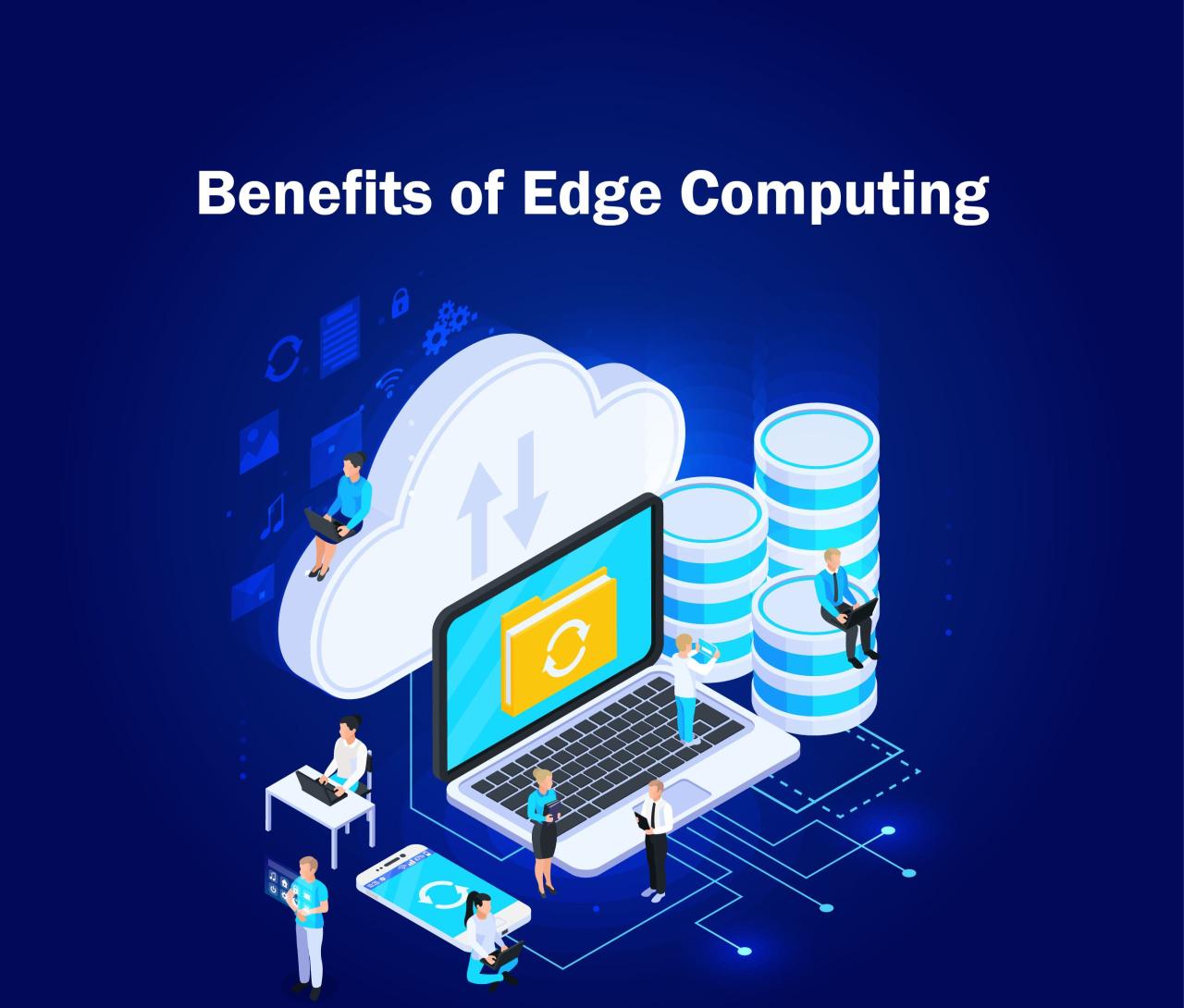
As the digital landscape evolves, edge computing is positioned to play a pivotal role in transforming how data is processed, stored, and managed closer to the source of generation. The growing demand for low-latency applications, increased data traffic, and the proliferation of IoT devices are driving the adoption and advancement of edge computing technologies.
The integration of edge computing with various emerging technologies is set to reshape industries, enhance operational efficiencies, and create new opportunities. As we look ahead, several key trends are emerging that will likely define the future of edge computing over the next 5-10 years.
Emerging Trends Shaping Edge Computing
Several trends are poised to significantly influence the trajectory of edge computing, making it increasingly relevant in various sectors. These include:
- Increased Integration with IoT: The growth of IoT devices is fueling the need for edge computing solutions, enabling real-time data processing and analytics at the source. This not only reduces latency but also alleviates bandwidth pressure on cloud infrastructures.
- 5G Connectivity: The rollout of 5G networks is revolutionizing edge computing capabilities by providing faster, more reliable connections. This enhances mobile edge computing applications, such as autonomous vehicles and smart cities.
- Enhanced Data Security: With data breaches becoming more prevalent, edge computing allows for localized data processing, minimizing exposure during transmission and enhancing security protocols.
- Decentralized Architectures: The shift towards decentralized computing architectures facilitates greater efficiency and resilience, enabling organizations to manage resources flexibly and responsively.
- Energy Efficiency: As organizations become more environmentally conscious, edge computing can contribute to sustainability efforts by optimizing energy consumption and reducing the carbon footprint associated with data centers.
Impact of Artificial Intelligence and Machine Learning
The incorporation of artificial intelligence (AI) and machine learning (ML) into edge computing systems is driving significant advancements. These technologies enhance the capability of edge devices to analyze data locally, allowing for smarter decision-making processes without the need to send all data back to a centralized cloud.
AI and ML enable edge devices to learn from data, thereby improving their performance and reducing the need for continuous human intervention.
The deployment of AI/ML models at the edge can lead to several advantages:
- Real-time Analytics: AI algorithms can process and analyze data streams instantaneously, delivering insights and facilitating prompt actions.
- Predictive Maintenance: Machine learning models can identify patterns in equipment performance, allowing businesses to predict failures before they occur, thus minimizing downtime.
- Personalized User Experiences: Edge AI can tailor services and content to individual users based on real-time data, improving customer satisfaction and engagement.
Forecast on Edge Computing Evolution
Looking ahead, the next 5-10 years are likely to see transformative changes in edge computing as it becomes more integrated into everyday applications. Several forecasts can be made based on current trends:
- Widespread Adoption: By 2030, a significant majority of enterprises across various sectors are expected to adopt edge computing solutions, driven by the need for efficiency and speed.
- AI at the Forefront: The blending of AI with edge computing will lead to the development of more autonomous systems, such as smart factories and intelligent transportation networks.
- Standardization Efforts: As edge computing matures, efforts towards standardization will emerge, promoting interoperability between devices and platforms.
- Edge-to-Cloud Integration: Seamless integration between edge and cloud services will enable organizations to leverage the best of both worlds, facilitating hybrid solutions that optimize performance and cost.
- Emergence of Edge Marketplaces: The rise of service marketplaces for edge computing capabilities will allow businesses to source applications and services from a range of providers, driving innovation and competition.
Comparing Edge Computing and Cloud Computing
In the evolving landscape of technology, edge computing and cloud computing stand as two pivotal paradigms that cater to distinct operational requirements. Understanding their advantages and limitations is essential for businesses aiming to optimize their IT strategies and enhance efficiency. The following comparison highlights how these two models differ, focusing on specific operational needs, effectiveness, and real-world applications.
Advantages and Limitations
Both edge computing and cloud computing come with unique benefits and challenges that affect their applicability in various scenarios.
The advantages of edge computing include:
- Reduced Latency: Processing data closer to the source minimizes delay, which is critical for real-time applications such as autonomous vehicles or remote surgeries.
- Bandwidth Efficiency: By processing data locally, edge computing reduces the amount of data transmitted to the cloud, leading to less bandwidth consumption.
- Enhanced Security: Sensitive data can be processed locally, reducing exposure during transmission and minimizing potential breaches.
However, edge computing also faces limitations:
- Scalability Challenges: Scaling edge solutions can be complex due to the need for additional physical infrastructure.
- Inconsistent Performance: Varying network conditions at edge locations can lead to unpredictable performance.
- Higher Initial Costs: Setting up edge devices often involves significant initial investment in hardware and deployment.
On the other hand, cloud computing offers its own set of advantages:
- Scalability: Cloud services can easily scale to accommodate growing data needs without the need for new hardware.
- Cost-Effectiveness: The pay-as-you-go model allows businesses to manage costs efficiently, avoiding hefty upfront investments.
- Robust Data Storage: Cloud platforms provide vast storage options, ensuring that data can be securely stored and accessed from anywhere.
Nevertheless, cloud computing has its limitations:
- Latency Issues: For applications requiring instant response times, the distance to cloud datacenters can introduce unacceptable delays.
- Dependence on Internet Connectivity: Reliable performance is contingent upon stable internet access, which may not be available in all locations.
- Security Concerns: Storing data off-premises raises security and compliance issues, especially for sensitive information.
Operational Scenarios for Preference
Choosing between edge and cloud computing heavily depends on the operational context. Certain situations favor edge computing, such as:
1. IoT Deployments: Applications with numerous Internet of Things (IoT) devices benefit from edge computing’s ability to process data locally, reducing latency and bandwidth usage.
2. Critical Real-Time Applications: Use cases like real-time monitoring in industries (healthcare, manufacturing) require minimal delay; hence edge solutions are preferable.
3. Remote Locations: In areas with unreliable internet connections, edge computing provides local data processing, ensuring continuous operation.
Conversely, cloud computing is often preferred in scenarios such as:
1. Data-Heavy Applications: Businesses that handle large datasets benefit from cloud storage and processing power without requiring significant on-premises hardware.
2. Collaborative Environments: Teams spread across different locations can access shared resources and applications hosted in the cloud, enhancing productivity.
3. Development Flexibility: Cloud platforms provide various tools and environments for developers to design, test, and deploy applications with ease.
Key Metrics for Effectiveness
Determining the effectiveness of edge and cloud computing models can be quantified using several key metrics:
– Latency: Measuring the time taken for data to be processed is crucial, particularly in applications requiring real-time responsiveness.
– Cost Efficiency: Evaluating the total cost of ownership, including initial investments, operational costs, and scalability expenses, helps in understanding the financial implications.
– Data Throughput: Assessing the amount of data processed over a specific time frame provides insights into performance capabilities.
– Reliability and Uptime: Monitoring the availability of services ensures that operational requirements are consistently met without interruptions.
– Scalability Rate: Understanding how quickly and effectively a system can scale in response to increased demands is vital for future-proofing operations.
By analyzing these metrics, organizations can make informed decisions about which computing model aligns with their specific needs and goals.
Implementation Strategies for Edge Computing
Organizations looking to transition to edge computing must approach the implementation process methodically to maximize the benefits and ensure a smooth integration. The ability to process data closer to its source reduces latency, enhances real-time decision-making, and improves overall operational efficiency. Below are strategic steps and considerations that can guide organizations in this transition.
Step-by-Step Implementation Process
A structured plan is essential for successful edge computing deployment. Here’s a detailed breakdown of the steps to consider:
- Assess Business Needs: Identify specific business requirements and use cases that edge computing can address. This might include improving response times in applications, managing large datasets, or enhancing data privacy.
- Evaluate Infrastructure: Review the existing IT infrastructure to determine what needs upgrading or replacing. This includes assessing current hardware capabilities, network bandwidth, and data storage solutions.
- Select Edge Computing Solutions: Choose appropriate edge computing technologies and platforms that align with identified needs. Consider options like edge gateways, IoT devices, and cloud integration services.
- Develop a Pilot Program: Initiate a pilot project to test the edge computing solutions on a smaller scale. This allows for testing functionality, gauging performance, and making necessary adjustments before a full rollout.
- Implement Security Measures: Establish robust security protocols to protect data at the edge. This includes data encryption, secure access controls, and continuous monitoring to detect any vulnerabilities.
- Full-Scale Deployment: After successful testing and refinement, proceed with the full deployment of edge computing solutions across the organization.
- Monitor and Optimize: Continuously monitor the performance of edge solutions and optimize them based on data analytics and user feedback. Regular updates and maintenance are critical for sustaining efficiency.
Role of Partnerships and Ecosystems
Collaborations with technology partners and participation in broader ecosystems greatly enhance the success of edge computing initiatives. Engaging with industry leaders, tech providers, and research institutions fosters innovation and resource sharing.
“Strategic partnerships can provide access to advanced technologies, expertise, and resources that individual organizations may not possess.”
The benefits of establishing partnerships include:
- Access to Expertise: Partnering with specialists in edge computing can provide insights into best practices and emerging technologies.
- Shared Resources: Collaborative efforts can reduce costs and accelerate the development process by pooling resources and sharing infrastructure.
- Innovation Opportunities: Ecosystems often foster innovation through shared knowledge and collaborative projects, allowing organizations to stay ahead of industry trends.
Best Practices for Managing Edge Computing Infrastructure
Proper management of edge computing infrastructure is crucial for ensuring reliability and performance. Here are some best practices to consider:
Establishing a robust management framework is vital for effective edge computing operations. Key practices include:
- Centralized Management: Implement centralized management tools to oversee multiple edge devices and ensure consistency in application deployment and updates.
- Data Governance Policies: Develop strong data governance policies to manage data flow and ensure compliance with regulations, especially in industries like healthcare and finance.
- Regular Maintenance and Updates: Schedule routine maintenance and software updates for edge devices to address vulnerabilities and improve performance.
- Scalability Considerations: Design the architecture to be scalable, allowing for easy expansion as business needs grow and more devices are added.
- Performance Monitoring: Utilize monitoring tools to continuously evaluate the performance of edge computing solutions, focusing on latency, reliability, and security metrics.
Epilogue
In conclusion, Edge Computing stands at the forefront of technological advancement, driving efficiency and innovation across numerous industries. Its integration with IoT and 5G technology highlights its capacity to meet the demands of modern applications while addressing critical security challenges. As we anticipate future trends, including the influence of artificial intelligence, edge computing is set to revolutionize our approach to data processing and connectivity, making it a cornerstone of our digital future.
Q&A
What is Edge Computing?
Edge Computing is a distributed computing paradigm that processes data closer to the data source rather than relying solely on centralized cloud resources.
How does Edge Computing improve latency?
By processing data at the edge, latency is significantly reduced since information does not have to travel long distances to centralized servers.
Is Edge Computing secure?
While Edge Computing presents unique security challenges, implementing robust security measures can enhance protection against potential threats.
What are common use cases for Edge Computing?
Common use cases include real-time analytics in IoT applications, autonomous vehicles, smart cities, and industrial automation.
Can Edge Computing replace Cloud Computing?
No, Edge Computing and Cloud Computing are complementary; each serves different needs based on specific operational requirements.
How does Edge Computing affect data privacy?
Edge Computing can enhance data privacy by minimizing data transfer to centralized locations, thereby reducing exposure to potential breaches.