Cloud Security has become a pivotal aspect of our digital lives, shaping how we protect information in a world increasingly reliant on cloud technology. As we transition to a more interconnected digital landscape, understanding how to secure cloud environments becomes essential for individuals and organizations alike. This narrative invites you to journey through the intricacies of cloud security, exploring fundamental principles and vital practices that safeguard our data.
The modern digital realm is defined by the vast array of services offered through cloud platforms, from Infrastructure as a Service (IaaS) to Software as a Service (SaaS). Each of these services presents unique security considerations, and establishing a robust security posture often hinges on the shared responsibility model. By dissecting these core concepts and their implications, we can better appreciate the importance of securing our cloud environments against emerging threats.
Understanding the Fundamental Concepts of Cloud Security
In a world increasingly driven by technology, cloud security plays a pivotal role in maintaining the integrity, confidentiality, and availability of data stored and processed in the cloud. As organizations continue to migrate their operations to cloud environments, understanding the fundamental concepts of cloud security becomes essential to safeguard against various digital threats. Effective cloud security not only protects sensitive information but also enhances customer trust and ensures compliance with regulatory requirements.
Cloud security encompasses a wide array of practices and technologies designed to protect cloud-based systems, data, and applications. The primary principles include data protection, identity and access management, and continuous monitoring. Data protection involves encrypting data both in transit and at rest, ensuring that even if unauthorized access occurs, the information remains secure. Identity and access management (IAM) is crucial, allowing organizations to enforce strict control over who can access specific resources. Continuous monitoring ensures that any potential breaches or anomalies are detected and addressed promptly, mitigating risks before they escalate.
Shared Responsibility Model in Cloud Security
The shared responsibility model is a fundamental concept that clarifies the division of security duties between the cloud service provider (CSP) and the user. This model is essential for understanding how security responsibilities are allocated and managed across different layers of cloud services.
In general, the CSP is responsible for securing the infrastructure, including physical data centers and the hypervisor layer, while users are responsible for securing their own data and applications hosted on the cloud. This includes the following responsibilities:
- Cloud Service Provider Responsibilities: The provider must ensure that the physical security of data centers is robust, maintain the integrity of the cloud infrastructure, apply patches and updates to the underlying hardware and software, and provide tools for users to secure their applications effectively.
- User Responsibilities: Users must manage their data security, including encryption, setting proper access controls, and ensuring compliance with relevant regulations. They also need to configure their applications securely and continuously monitor their usage for any unauthorized access attempts.
Common Types of Cloud Services and Their Security Implications
Understanding the various types of cloud services is essential for comprehending their specific security implications. The three primary models are Infrastructure as a Service (IaaS), Platform as a Service (PaaS), and Software as a Service (SaaS). Each presents unique security challenges and responsibilities.
- Infrastructure as a Service (IaaS): In an IaaS model, users rent IT infrastructure such as servers and storage from a cloud provider. Users must manage everything from the operating system up, including application security and network segmentation. Security implications include the need for rigorous firewall configurations and constant updates to the virtual machines to protect against vulnerabilities.
- Platform as a Service (PaaS): PaaS provides a platform allowing users to develop, run, and manage applications without the complexity of building and maintaining the underlying infrastructure. While the provider secures the infrastructure and the platform itself, users must secure their applications. Security implications here include the risk of injection attacks and the need for proper coding practices.
- Software as a Service (SaaS): SaaS solutions offer fully developed applications over the internet. The provider handles most of the security measures, but users still need to manage their data privacy settings and access controls. Security implications include data breaches and compliance with data protection laws, as sensitive information is often stored off-site.
“In the cloud, security is a shared responsibility. Understanding your role is key to protecting your data.”
Exploring Common Threats to Cloud Security
As organizations increasingly migrate their operations to the cloud, understanding the various threats that can compromise their cloud security becomes paramount. Cloud environments, while offering numerous advantages such as scalability and flexibility, can also expose organizations to a range of vulnerabilities. Recognizing these threats allows businesses to implement effective strategies to safeguard their data and operations.
Several prevalent threats target cloud environments, each with distinct characteristics and implications for organizations. Addressing these threats proactively is essential for maintaining robust security protocols and protecting sensitive information.
Common Threats to Cloud Security
Organizations must be aware of prevalent threats that challenge cloud security, including:
- Data Breaches: Data breaches occur when unauthorized individuals gain access to sensitive information stored in the cloud. These incidents can arise from vulnerabilities in cloud infrastructure or human error. A significant breach can lead to financial loss, legal repercussions, and damage to an organization’s reputation. For instance, the 2019 Capital One breach affected over 100 million accounts and resulted in substantial fines and loss of customer trust.
- Misconfigured Cloud Settings: Misconfiguration of cloud storage and security settings is a common threat. Organizations often overlook security measures while setting up their cloud environments, which can lead to data being unintentionally exposed. A well-known example is the misconfigured Amazon S3 buckets that led to data leaks for various companies, including Accellion, which exposed sensitive data for numerous clients.
- Insider Threats: Insider threats involve malicious or accidental actions taken by employees or contractors within an organization. These threats can be particularly challenging to detect, as insiders often have legitimate access to systems and data. A notable case is the case of Edward Snowden, who leaked classified information while working for the NSA, highlighting the potential risks posed by insiders.
- Denial-of-Service (DoS) Attacks: DoS attacks aim to overwhelm cloud services, rendering them unavailable to users. Attackers flood the network with excessive traffic, which can disrupt operations and lead to significant downtime and financial losses for the affected organization. The 2016 Dyn attack is a prime example, where disrupting services affected major sites like Twitter and Netflix, showcasing the potential impact of such attacks.
- Insecure APIs: Application Programming Interfaces (APIs) are crucial for cloud services but can be exploited if not secured properly. Vulnerabilities in APIs can allow attackers to access cloud resources, manipulate data, or even take control of cloud services. Recognizing the 2018 event where hackers exploited an unsecured API to breach the ride-sharing service Uber, businesses must prioritize API security to mitigate these risks.
The impact of these threats on organizations relying on cloud technologies can be substantial. Data breaches can lead to loss of intellectual property, regulatory penalties, and severe reputational damage. Misconfigured settings might expose sensitive information, resulting in compliance violations and customer distrust. Insider threats can compromise strategic initiatives, while DoS attacks can disrupt services, causing financial losses and undermining operational efficiency. Insecure APIs may also lead to unauthorized access and data theft, emphasizing the need for stringent security measures.
To manage these risks effectively, organizations should adopt real-time monitoring and detection strategies. Implementing advanced threat detection solutions, such as intrusion detection systems (IDS) and security information and event management (SIEM) tools, can help identify unusual patterns indicative of a security breach. Regular audits and configuration checks can also mitigate the risk of misconfigurations. Training employees on security best practices is essential to minimize insider threats, while robust API security measures, including authentication and encryption protocols, can safeguard against vulnerabilities. Establishing these proactive measures ensures a robust defense against the evolving landscape of cloud security threats.
Implementing Best Practices for Cloud Security
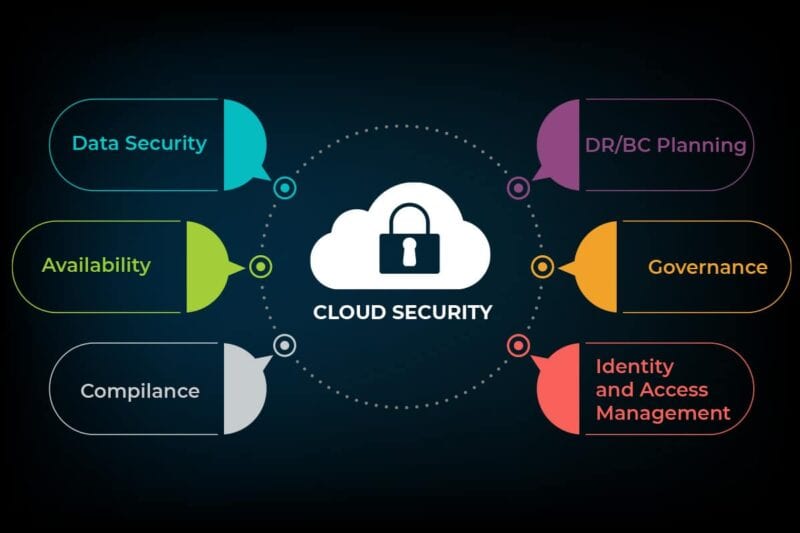
In an era where businesses are increasingly relying on cloud services, implementing best practices for cloud security has become imperative. Enhancing security posture not only protects sensitive data but also builds trust with clients and stakeholders. Organizations can achieve a robust cloud security framework by integrating policy development, user training, and compliance standards.
Developing comprehensive security policies tailored to the cloud environment is crucial. This involves defining roles and responsibilities, establishing access controls, and ensuring adherence to compliance regulations. Organizations should adopt a risk-based approach, evaluating potential threats and vulnerabilities while formulating policies that address these concerns.
Policy Development and User Training
Creating effective security policies is the cornerstone of a strong cloud security strategy. These policies must encompass various aspects, from data protection to incident response. It is equally essential to train users regularly to ensure they understand these policies and their roles in maintaining security.
Regular user training can include:
- Phishing simulations to enhance awareness of social engineering attacks.
- Workshops on secure password management and multi-factor authentication.
- Guidelines for proper data handling and sharing within the cloud environment.
Establishing a culture of security awareness ensures that employees act as the first line of defense against potential breaches.
Compliance Standards and Security Frameworks
Adopting recognized security frameworks and compliance standards provides a structured approach to managing cloud security risks. Frameworks such as the Cloud Security Alliance (CSA) Security Trust Assurance and Risk (STAR) certification and the National Institute of Standards and Technology (NIST) Cybersecurity Framework help organizations align their security practices with industry best practices.
For example, the General Data Protection Regulation (GDPR) mandates strict guidelines for data protection and privacy, impacting how organizations handle personal data in the cloud. Compliance with such regulations not only mitigates legal risks but also enhances customer trust.
Regular Audits and Assessments
Conducting regular audits and assessments is vital to maintain an effective cloud security posture. Audits help identify vulnerabilities, ensure compliance with established policies, and verify that security controls are functioning as intended.
The importance of audits can be summarized as follows:
“Regular audits are crucial for identifying vulnerabilities and ensuring that security measures are up to date.”
Performing assessments, such as penetration testing and vulnerability scanning, allows organizations to proactively address potential threats before they can be exploited. These activities not only bolster security but also provide insights into areas needing improvement.
Incorporating these best practices enables organizations to build a resilient cloud security framework that adapts to evolving threats.
The Role of Encryption in Cloud Security
Encryption is a fundamental aspect of cloud security, playing a vital role in protecting sensitive data stored and transmitted through cloud services. As organizations increasingly rely on cloud solutions to handle vast amounts of information, ensuring data confidentiality and integrity becomes paramount. Encryption helps safeguard data against unauthorized access, ensuring that even if data is compromised, it remains unreadable without the appropriate decryption keys. This protective measure not only builds trust with customers but also helps organizations comply with stringent data protection regulations.
In the context of cloud services, encryption serves multiple purposes, including data protection at rest, in transit, and during processing. Data at rest refers to information stored on servers or databases, while data in transit refers to information actively moving between locations, such as from a user’s device to the cloud provider’s servers. The effective use of encryption in these scenarios is essential for maintaining data privacy and security.
Types of Encryption Methods in Cloud Security
Various encryption methods can be employed to secure data within cloud environments. Understanding these methods and their appropriate applications is crucial for organizations seeking to enhance their cloud security practices.
1. Symmetric Encryption: This method uses a single key for both encryption and decryption. It is efficient in terms of performance and is typically used for encrypting large amounts of data quickly. Common algorithms include AES (Advanced Encryption Standard) and DES (Data Encryption Standard). Organizations often utilize symmetric encryption for data at rest in cloud storage as it ensures fast processing.
2. Asymmetric Encryption: Unlike symmetric encryption, asymmetric encryption employs two keys—a public key and a private key. This method is particularly useful for secure data transmission, as the public key can be shared openly, while the private key remains confidential. RSA (Rivest-Shamir-Adleman) is a well-known asymmetric encryption algorithm. This approach is often used for securing sensitive communications between users and cloud services.
3. Hashing: While not an encryption method per se, hashing is a critical technique that converts data into a fixed-length string of characters, which is typically irreversible. Hashing is commonly used to verify data integrity and is crucial for storing passwords securely. Algorithms like SHA-256 (Secure Hash Algorithm) are popular in this context.
4. Tokenization: Tokenization replaces sensitive data with unique identifiers, or tokens, that retain all the essential information about the data without compromising its security. This method is particularly effective for protecting payment information and personally identifiable information (PII) within cloud applications.
Implementing encryption effectively requires adherence to best practices. First, organizations must assess the sensitivity of their data and choose the appropriate encryption methods accordingly. Regular audits and updates to encryption protocols are essential to address emerging threats and vulnerabilities. Additionally, secure management of encryption keys is crucial; organizations should employ key management solutions that adhere to industry standards.
Furthermore, organizations should educate employees about the importance of encryption and the risks associated with improper handling of sensitive data. By fostering a culture of security awareness, organizations can enhance their overall cloud security posture and ensure that sensitive information remains protected against unauthorized access and potential breaches.
Evaluating Cloud Security Tools and Technologies
As organizations increasingly migrate to cloud environments, the need for robust security tools becomes paramount. Selecting the right cloud security tools can significantly influence an organization’s ability to protect sensitive data, ensure compliance, and maintain overall operational integrity. This section explores various tools available in the market, their features, and how to evaluate their effectiveness within a cloud security strategy.
Comparison of Cloud Security Tools
A wide range of cloud security tools are available, each catering to different aspects of security. Understanding their unique features and functionalities is essential for any organization looking to strengthen its cloud defenses. Below is a comparison of some popular cloud security tools:
| Tool | Features | Use Case |
|---|---|---|
| CloudGuard by Check Point | Threat prevention, visibility, and compliance checks | Ideal for organizations needing comprehensive security across multiple cloud services. |
| AWS Security Hub | Centralized security alerts, compliance checks, and security posture management | Best suited for AWS users looking to integrate security insights from various AWS services. |
| Microsoft Azure Security Center | Advanced threat protection, security recommendations, and compliance tracking | Perfect for businesses leveraging Microsoft Azure services that require proactive threat management. |
| McAfee Cloud Security | Data protection, web security, and visibility across on-premises and cloud environments | Effective for organizations seeking unified security across hybrid environments. |
Assessing the Effectiveness of Cloud Security Tools
Organizations can evaluate the effectiveness of cloud security tools through various methods. Key performance indicators (KPIs) and regular assessments can provide insight into how well these tools are performing against the organization’s security objectives. Organizations should consider the following points:
– Integration Capability: Assess how well the tool integrates with existing systems and workflows. A seamless integration is vital for maximizing the tool’s effectiveness.
– Scalability: Evaluate whether the tool can grow with the organization’s needs. It should adapt to increasing data volumes and changing regulatory requirements.
– User Feedback and Reports: Collect feedback from users within the organization. Their experiences can provide valuable insights into the usability and effectiveness of the tool.
– Incident Response Metrics: Analyze the tool’s performance during security incidents. Metrics such as response time and the number of incidents detected can indicate effectiveness.
– Compliance Features: Ensure the tool meets relevant compliance standards. This is critical for organizations operating in regulated industries.
The Role of Automation in Enhancing Cloud Security
Automation plays a crucial role in modern cloud security strategies. By integrating automation into cloud security tools, organizations can enhance their security posture significantly. Some benefits include:
– Real-Time Threat Detection: Automated tools can analyze data traffic and user behavior in real-time, promptly identifying potential threats and vulnerabilities.
– Efficiency in Response: Automation can streamline incident response processes, allowing for quicker remediation actions and reducing the burden on security teams.
– Consistent Compliance Monitoring: Automated compliance checks can ensure that security policies are consistently enforced, minimizing human error and ensuring adherence to regulations.
– Resource Optimization: By automating routine security tasks, teams can focus on more strategic initiatives, such as threat hunting and risk management.
In summary, evaluating cloud security tools requires a comprehensive understanding of their features, effectiveness, and the role of automation in enhancing security measures. This approach not only safeguards organizational data but also fosters a resilient cloud environment.
Navigating Compliance and Regulatory Considerations in Cloud Security

In today’s digital landscape, navigating the complexities of compliance and regulatory requirements is vital for organizations leveraging cloud security solutions. With data breaches and privacy concerns on the rise, adhering to specific regulations not only helps protect sensitive information but also enhances trust with customers and stakeholders. This section delves into the key frameworks and responsibilities organizations must consider to ensure their cloud environments remain compliant.
Key Compliance Frameworks Impacting Cloud Security
Organizations must align their cloud security practices with several important compliance frameworks that govern data protection and privacy. Some of the most significant regulations include:
- General Data Protection Regulation (GDPR): A comprehensive data protection law in the European Union that mandates strict guidelines for the collection and processing of personal information. Organizations must ensure data subjects have control over their data and can exercise their rights regarding data access, correction, and deletion.
- Health Insurance Portability and Accountability Act (HIPAA): This U.S. law establishes standards for the protection of health information. Organizations in the healthcare sector must implement safeguards to ensure the confidentiality, integrity, and availability of electronic protected health information (ePHI).
- Payment Card Industry Data Security Standard (PCI DSS): A set of security standards designed to protect card payment information. Organizations that handle credit card transactions must adhere to strict security measures to prevent fraud and data breaches.
- Federal Risk and Authorization Management Program (FedRAMP): This U.S. government program standardizes security assessment, authorization, and continuous monitoring for cloud products and services. It applies to federal agencies and cloud service providers working with government data.
Responsibilities of Organizations in Cloud Compliance
Organizations that utilize cloud services have specific responsibilities to ensure compliance with applicable regulations. These responsibilities include:
- Data Governance: Establishing effective data governance policies to manage data lifecycle and ensure compliance with legal requirements.
- Risk Assessment: Regularly conducting risk assessments to identify vulnerabilities in cloud deployments and implementing necessary mitigations.
- Employee Training: Providing comprehensive training to employees on data protection policies and security practices to minimize human errors that could lead to breaches.
- Third-Party Management: Ensuring that cloud service providers and partners comply with necessary regulations and do not compromise the organization’s data security.
Structuring a Compliance Strategy Aligned with Cloud Security Initiatives
To effectively align compliance strategies with cloud security initiatives, organizations should consider the following steps:
1. Conduct a Compliance Gap Analysis: Evaluate current security measures against compliance requirements to identify areas needing improvement.
2. Develop Policies and Procedures: Create comprehensive policies that Artikel how compliance will be met within the cloud environment, including data handling and reporting protocols.
3. Implement Technical Controls: Deploy security technologies such as encryption, access management, and intrusion detection systems to safeguard sensitive data in the cloud.
4. Continuous Monitoring and Auditing: Establish ongoing monitoring processes to ensure compliance is maintained and conduct regular audits to validate security controls and adherence to policies.
“Effective compliance requires a proactive approach, integrating security practices seamlessly into daily operations.”
By taking these steps, organizations can embed compliance into their cloud security frameworks, reducing the risk of non-compliance and enhancing their overall security posture.
Future Trends in Cloud Security
As cloud computing continues to dominate the technological landscape, the importance of robust cloud security measures cannot be overstated. Organizations are recognizing that while the cloud offers numerous advantages, it also introduces unique security challenges. In this context, emerging trends and technologies are playing a pivotal role in shaping the future of cloud security. Notably, advancements in artificial intelligence (AI) and machine learning (ML) are at the forefront, offering innovative solutions to enhance security protocols and mitigate risks.
Emerging Technologies Shaping Cloud Security
The integration of AI and machine learning into cloud security frameworks represents a significant development. These technologies enable organizations to detect and respond to threats with unprecedented speed and accuracy. By analyzing vast amounts of data, AI algorithms can identify patterns indicative of potential security breaches, allowing for proactive measures. For instance, companies like Darktrace utilize ML to create an ‘immune system’ for networks, autonomously identifying and neutralizing threats in real-time.
The relevance of these technologies extends beyond threat detection. They also facilitate automated compliance management, helping organizations maintain regulatory standards efficiently. However, while AI and ML present substantial opportunities, they also pose challenges, particularly concerning data privacy and ethical considerations. Organizations must navigate the balance between enhanced security and maintaining user trust.
Challenges and Opportunities for Organizations
Organizations face a dual-edged sword with the advent of these technologies. The challenges include potential over-reliance on automated systems, which may lead to complacency in traditional security measures. Moreover, the sophistication of AI tools can attract malicious actors aiming to exploit vulnerabilities in AI systems.
Despite these challenges, the opportunities are vast. By leveraging AI and ML, organizations can:
- Enhance threat intelligence through predictive analytics.
- Streamline incident response with automation, reducing response times.
- Improve user authentication methods using behavioral analytics.
- Tailor security strategies to specific organizational needs using data-driven insights.
Investing in AI-driven security solutions can lead to a more agile and resilient security posture, ultimately reducing the risk of data breaches and enhancing overall operational efficiency.
Preparing for the Future of Cloud Security
To effectively adapt to these evolving trends, organizations must take proactive steps to fortify their security strategies. This includes continuous education and training for staff on emerging threats and the capabilities of new technologies. Organizations should also consider investing in a hybrid security model that combines traditional methods with advanced technologies.
Furthermore, organizations should develop a robust data governance strategy that addresses the ethical implications of AI use, ensuring transparency and accountability in data handling. Regular security audits and assessments can help identify gaps and refine security measures as new threats emerge.
As cloud security continues to evolve, organizations that embrace these technological advances while remaining vigilant about potential pitfalls will be better positioned to thrive in the digital landscape.
Closing Notes
In conclusion, the landscape of Cloud Security is multifaceted, but by implementing best practices, leveraging encryption, and staying abreast of compliance requirements, organizations can significantly enhance their security posture. As we look to the future, the integration of advanced technologies like AI and machine learning presents both challenges and opportunities, necessitating an adaptable security strategy. Ultimately, prioritizing cloud security is not just about protecting data; it’s about fostering trust and resilience in a digital age.
FAQ Insights
What is Cloud Security?
Cloud Security refers to the set of policies, controls, and technologies that work together to protect cloud data, applications, and infrastructure.
Why is Cloud Security important?
It is crucial for protecting sensitive data, ensuring compliance with regulations, and maintaining trust with customers in digital transactions.
How does the shared responsibility model work?
In this model, cloud service providers are responsible for the security of the cloud infrastructure, while customers are responsible for securing their own data and applications.
What are common threats to cloud security?
Common threats include data breaches, account hijacking, insecure APIs, malware attacks, and denial of service attacks.
What role does encryption play in Cloud Security?
Encryption helps protect sensitive data by transforming it into a secure format that can only be read by authorized users, ensuring confidentiality and integrity.
How can organizations assess cloud security tools?
Organizations can evaluate cloud security tools based on their features, effectiveness, ease of integration, and compliance with industry standards.
What compliance frameworks should organizations consider?
Organizations should consider frameworks such as GDPR, HIPAA, and PCI-DSS that govern data protection and privacy regulations in cloud environments.