Deployment is a pivotal process that resonates across multiple industries, shaping how organizations operate and deliver their services effectively. It encompasses a variety of definitions and practices that vary significantly from one sector to another, such as software, healthcare, and logistics. Understanding these nuances not only highlights the significance of deployment but also the common hurdles that professionals face in their respective fields.
This exploration into deployment offers insights into its best practices, technological advancements, risk management strategies, and real-world case studies that exemplify successful implementations. By delving into these aspects, readers will gain a comprehensive understanding of deployment’s critical role in ensuring operational efficiency and effectiveness across diverse sectors.
Understanding the Concept of Deployment in Various Sectors
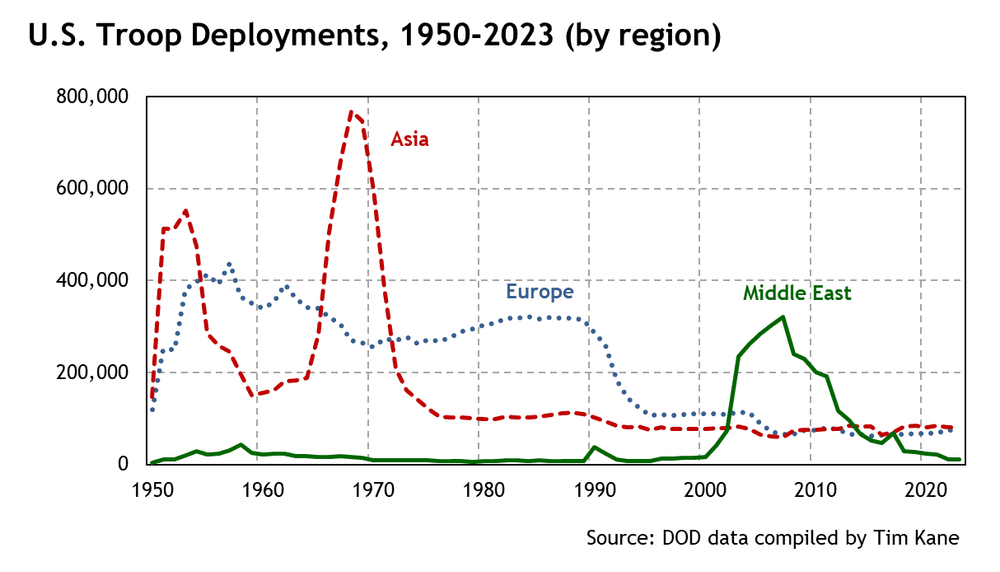
Deployment is a multifaceted term that varies significantly across different industries. At its core, deployment refers to the process of putting a system, product, or service into operational use, ensuring that it is effectively integrated within existing frameworks. This concept manifests uniquely in sectors such as software, healthcare, and logistics, where the stakes, methodologies, and outcomes can differ profoundly.
In the software industry, deployment typically refers to the release of applications or updates into a live environment. This can include various phases such as planning, testing, and actual rollout. The significance of deployment in software lies in the need for timely updates and the seamless introduction of new features, which directly impacts user experience and satisfaction. For example, a software company might release updates to address security vulnerabilities or improve functionality, making the deployment process critical to maintaining user trust and system integrity.
Healthcare deployment involves the integration of new technologies, processes, or treatments into clinical practice. This can range from deploying new healthcare software systems that manage patient records to introducing novel medical devices in hospitals. The importance of deployment in healthcare is underscored by its potential to improve patient outcomes and operational efficiencies. For instance, the deployment of electronic health record (EHR) systems has transformed how patient data is accessed and shared among healthcare providers, leading to faster diagnosis and treatment.
Logistics deployment, on the other hand, focuses on the distribution and management of goods and services. This includes the strategic positioning of resources, managing supply chains, and ensuring timely delivery of products. Deployment in logistics is crucial because it directly affects operational costs and customer satisfaction. An example of effective logistics deployment is Amazon’s distribution network, which utilizes advanced algorithms to optimize delivery routes and inventory management, leading to faster order fulfillment and reduced costs.
Challenges during deployment can vary significantly between sectors. In software, common issues include compatibility with existing systems, user resistance to changes, and the need for extensive testing to ensure functionality. In healthcare, deployment challenges may revolve around regulatory compliance, training healthcare professionals, and ensuring patient safety during the transition to new technologies. Logistics deployment often faces challenges such as supply chain disruptions, fluctuating demand, and the need for real-time data to inform decision-making.
In conclusion, while the concept of deployment shares a common thread across industries, its specific functions and challenges are shaped by the unique demands of each sector. Understanding these distinctions is essential for effectively managing deployment processes and achieving desired outcomes.
Deployment Strategies

Effective deployment strategies are crucial for organizations to deliver software updates and features seamlessly while minimizing risks and downtime. Adopting best practices in deployment can significantly enhance the overall efficiency and reliability of software delivery processes. With rapid advancements in technology and increasing user expectations, organizations must align their deployment strategies with modern practices that prioritize quality and speed.
One such practice is the implementation of Continuous Integration and Continuous Deployment (CI/CD) pipelines. This approach allows developers to integrate code changes frequently and deploy them to production with minimal manual intervention. By automating testing and deployment, organizations can ensure that deployments are consistent and reduce the likelihood of human error.
Comparison of Deployment Strategies
To understand the effectiveness of various deployment strategies, it is essential to consider their outcomes and implementations in different organizations. Below is a comparison table that showcases various strategies along with their benefits and real-life examples:
| Deployment Strategy | Description | Example Organization | Outcome |
|---|---|---|---|
| Blue-Green Deployment | This strategy involves maintaining two identical environments, one live and one idle, allowing seamless switching. | Minimized downtime and reduced risk during deployment. | |
| Canary Releases | Gradually rolling out a new feature to a small user segment before a full-scale release. | Netflix | Enhanced user feedback and early detection of issues. |
| Rolling Deployment | Incrementally updating instances of an application without taking the entire service offline. | Amazon | Continuous service availability and user satisfaction. |
| Feature Toggles | Using flags to enable or disable features dynamically without deploying new code. | Spotify | Flexibility in feature management and reduced deployment risk. |
“The right deployment strategy can make a significant difference in how smoothly updates roll out and how users experience those changes.”
Establishing a culture of collaboration and communication across teams is also vital. This helps in aligning development and operations, ensuring that everyone is on the same page regarding deployment processes. Organizations like Google emphasize the importance of this culture, which has contributed to their successful deployment strategies.
By incorporating these best practices, organizations can improve the effectiveness of their deployment strategies and enhance overall software delivery performance.
The Role of Technology in Modern Deployment Processes
Technology plays a crucial role in transforming deployment processes across various industries. As organizations strive for greater efficiency, speed, and reliability, the integration of advanced technological solutions has redefined how deployments are executed. This evolution has led to significant improvements in operational workflows, ultimately enhancing productivity and minimizing downtime.
With the increasing complexity of systems and the demand for rapid deployment cycles, various tools and software solutions have emerged to support teams in their efforts. Continuous Integration and Continuous Deployment (CI/CD) pipelines, containerization technologies, and cloud platforms are just a few examples of how technology is enhancing the deployment landscape. These innovations not only streamline processes but also promote collaboration among teams, allowing for faster feedback and iteration cycles.
Technological Tools and Software Enhancing Deployment Efficiency
The deployment process has undergone a substantial transformation thanks to various tools and software designed to improve efficiency and effectiveness. These technologies facilitate automation, reduce manual errors, and provide greater visibility into the deployment pipeline.
One key category of tools that has gained traction is CI/CD platforms, which automate the testing and deployment of code changes. This enables development teams to push updates to production environments with minimal human intervention, significantly speeding up the release cycle. Additionally, containerization technologies, such as Docker and Kubernetes, allow for consistent deployment across environments by packaging applications and their dependencies into containers. This ensures that what works in development will work in production, reducing the chances of compatibility issues.
To further illustrate the significant impact of technology on deployment efficiency, consider the following list of top technologies and their applications in deployment scenarios:
- Jenkins: A widely-used automation server that supports building, deploying, and automating projects through plugins, allowing for seamless integration with various tools.
- Docker: A platform that enables developers to build, ship, and run applications in containers, ensuring consistency across multiple environments.
- Kubernetes: An orchestration tool for managing containerized applications, automating deployment, scaling, and operations of application containers across clusters of hosts.
- GitHub Actions: A CI/CD feature that allows developers to automate workflows directly from their GitHub repository, enabling smoother integration and deployment of code changes.
- Terraform: An infrastructure as code tool that allows users to define and provision data center infrastructure using a declarative configuration language.
- Ansible: A configuration management tool that automates software provisioning, configuration management, and application deployment, making it easy to manage large infrastructures.
- Azure DevOps: A comprehensive suite of development tools and services provided by Microsoft that supports CI/CD, project management, and version control.
- CircleCI: A cloud-based CI/CD platform that automates the testing and deployment of applications, enabling faster release cycles with integrated testing.
These tools exemplify how technology is not just enhancing deployment processes but also reshaping the entire landscape of software development and operations. By leveraging these advancements, organizations can foster a culture of agility and innovation, ensuring they remain competitive in an ever-evolving marketplace.
The integration of technology in deployment processes is not merely an enhancement; it is a necessity for modern organizations aiming for efficiency and effectiveness.
As the digital landscape continues to evolve, embracing these technological innovations will be vital for organizations looking to streamline their deployment processes and respond rapidly to market demands.
Risk Management during Deployment
Deployment processes in any organization come with their fair share of challenges and uncertainties. Identifying these risks ahead of time is essential to ensure a smooth deployment. Effective risk management not only safeguards the project’s success but also minimizes potential setbacks, making it a crucial aspect of the deployment strategy.
Understanding common risks associated with deployment is the first step in mitigating them. These risks can stem from various sources, including technical failures, human errors, and external factors. Some of the most prevalent risks include system downtime, data loss, inadequate resource allocation, and compatibility issues between new and existing systems. Additionally, unforeseen external factors like regulatory changes or market dynamics can also pose significant challenges.
Risk management strategies must be implemented both before and during deployment to effectively address these challenges. Pre-deployment risk assessments should involve thorough testing, stakeholder engagement, and the establishment of clear communication channels. During deployment, continuous monitoring, fallback plans, and active incident management are crucial to respond to any issues that may arise promptly.
To illustrate the various risks associated with deployment and their corresponding mitigation strategies, the table below Artikels common scenarios along with recommended approaches:
| Risk Scenario | Mitigation Strategy |
|---|---|
| System Downtime | Conduct pre-deployment testing and implement redundancy measures to ensure alternative systems are in place. |
| Data Loss | Utilize comprehensive backup solutions and ensure that data recovery procedures are established and tested. |
| Inadequate Resource Allocation | Perform thorough resource assessments and allocate sufficient resources early in the deployment process. |
| Compatibility Issues | Conduct compatibility testing across all systems and ensure that proper documentation is available for integration methods. |
| Regulatory Changes | Stay updated on regulatory requirements and involve compliance teams during the planning phase to address potential impacts. |
| Human Error | Provide adequate training for all team members involved and develop clear operational procedures to minimize mistakes. |
Effective risk management during deployment is not merely about identifying potential issues but also about ensuring that strategies are in place to address them proactively. By focusing on thorough preparation and responsive execution, organizations can enhance the likelihood of a successful deployment.
Case Studies of Successful Deployment Implementation
Successful deployment initiatives have become pivotal in various industries, showcasing how effective implementation can lead to significant improvements and advancements. This analysis will focus on case studies that illustrate successful deployment, highlighting critical factors that contributed to their achievements. By examining these cases, insights can be garnered to aid in future deployment strategies.
Case Study: XYZ Corp’s Cloud Migration
XYZ Corp, a mid-sized financial services firm, faced challenges with its on-premises infrastructure that hindered flexibility and scalability. In 2021, the company initiated a migration to a cloud-based system, which resulted in outstanding operational improvements.
Key factors that contributed to the success of this deployment included:
– Thorough Planning: A dedicated team was formed to develop a detailed migration plan, including timelines, budgets, and resource allocation.
– Stakeholder Engagement: Regular meetings were held with stakeholders to ensure alignment and to address any concerns throughout the migration process.
– Training and Support: Comprehensive training sessions were organized for employees to familiarize them with the new system, ensuring a smoother transition.
The outcome of this deployment was remarkable. XYZ Corp reported a 30% reduction in operational costs within the first year, improved data accessibility, and enhanced customer satisfaction.
Case Study: ABC Manufacturing’s ERP System Implementation
ABC Manufacturing, a company specializing in automotive parts, sought to enhance its production efficiency through the implementation of a new Enterprise Resource Planning (ERP) system. In 2020, the deployment was executed with remarkable success.
The success factors for this implementation included:
– Pilot Testing: Before full-scale implementation, a pilot program was executed in one of the production lines, which allowed for error identification and adjustments.
– Change Management: The company employed change management strategies to prepare employees for the transition, emphasizing the benefits of the new system.
– Collaboration with Vendors: By working closely with the ERP vendor, ABC Manufacturing ensured that the system was tailored to meet their specific needs.
As a result, the company achieved a 25% increase in production efficiency and a 20% decrease in material waste, solidifying its competitive edge in the market.
Case Study: DEF Healthcare’s Telemedicine Platform Launch
In response to the COVID-19 pandemic, DEF Healthcare implemented a telemedicine platform in 2021 to provide remote consultations for patients. The swift deployment of this technology was critical in maintaining healthcare services during challenging times.
Factors that led to successful deployment included:
– Rapid Assessment of Needs: The organization quickly assessed patient needs and the technological requirements for remote services.
– User-Friendly Interface: The telemedicine platform was designed with a focus on user experience, ensuring that both patients and healthcare providers could easily navigate the system.
– Robust IT Support: DEF Healthcare ensured that technical support was readily available to assist users during the platform’s initial rollout.
The telemedicine initiative significantly improved patient access to healthcare, with a reported 40% increase in virtual consultations in the first quarter after launch.
Key takeaways from these case studies emphasize the importance of planning, stakeholder engagement, targeted training, and adaptability in implementing successful deployment initiatives.
Future Trends in Deployment
As technology continues to evolve, deployment processes are undergoing significant changes. Organizations are increasingly recognizing the importance of agile and flexible deployment methods that can respond to the fast-paced dynamics of the digital world. The future of deployment is set to be influenced by advancements in automation, cloud technologies, and artificial intelligence, among other trends. Understanding these emerging patterns will allow organizations to adapt their strategies effectively and remain competitive in their respective markets.
One of the most noteworthy trends in deployment is the growing adoption of containerization and microservices architecture. Containerization allows developers to package applications and their dependencies into a standard format that can run reliably across various computing environments. This approach simplifies the deployment process, enhances scalability, and promotes better resource utilization. Leading companies like Netflix and Google have already adopted microservices, enabling them to deploy features independently and scale components as needed. As more organizations transition to this architecture, the demand for expertise in container orchestration tools, such as Kubernetes, is expected to rise.
Shifts Towards Automation and Continuous Delivery
The shift towards automation in deployment processes is becoming increasingly apparent. Automation tools streamline and accelerate deployment by minimizing human intervention, reducing errors, and providing consistent and repeatable results. Continuous integration and continuous delivery (CI/CD) practices are gaining traction, allowing organizations to push updates and new features to production with minimal downtime.
To capitalize on this trend, organizations should invest in robust CI/CD pipelines that integrate automated testing, monitoring, and deployment processes. This not only improves quality and reliability but also fosters a culture of collaboration among development and operations teams. Companies like Spotify have effectively utilized CI/CD to enhance user experience by delivering frequent updates without impacting service availability.
Another significant trend is the increasing reliance on cloud-native technologies. The migration to cloud services allows organizations to leverage scalable infrastructure and services, facilitating quicker and more flexible deployment solutions. Organizations must adapt their deployment strategies to utilize cloud resources efficiently, focusing on security and cost management while ensuring compliance with regulations.
Research and innovation are crucial for staying ahead in deployment practices. Key areas for exploration include:
- Security in Deployment: As deployment processes become more complex, ensuring security at every stage of the pipeline is vital. Research into secure coding practices and automated security testing in CI/CD pipelines is essential.
- Serverless Architectures: The rise of serverless computing allows developers to build and run applications without managing infrastructure. Exploring how serverless can integrate with existing deployment strategies will be significant.
- AI and Machine Learning in Deployment: Leveraging AI for predictive analytics can help optimize deployment planning and resource allocation, making it a promising area for innovation.
These areas of research are not only relevant for enhancing deployment practices but are also crucial for organizations aiming to innovate and stay competitive in an ever-evolving technological landscape. Understanding and preparing for these trends will enable companies to implement more effective and resilient deployment strategies, ultimately leading to improved service delivery and customer satisfaction.
Training and Development for Deployment Teams
Effective deployment teams are the backbone of any organization’s operational success. They are responsible for ensuring that products and services are launched smoothly and efficiently. To do this, they require a set of essential skills that not only enhance their performance but also contribute to the overall effectiveness of the deployment process.
Deployment teams need to master various skills, including project management, technical expertise, communication, problem-solving, and adaptability. Project management skills are crucial for planning and executing deployments effectively, while technical expertise ensures team members can navigate the tools and systems used during the deployment process. Communication skills facilitate collaboration among team members and with other departments, ensuring everyone is aligned and informed. Problem-solving skills are vital in addressing unforeseen challenges that may arise during deployment. Lastly, adaptability allows teams to adjust to changing circumstances or stakeholder requirements quickly.
Essential Skills for Deployment Teams
To effectively develop these essential skills within deployment teams, organizations can implement several training methods tailored to their specific needs. These methods include workshops, on-the-job training, mentorship programs, and online courses. Workshops provide an interactive environment where team members can practice skills in real-life scenarios. On-the-job training allows employees to gain practical experience under the guidance of seasoned professionals. Mentorship programs pair less experienced employees with mentors who can offer insights and guidance. Online courses provide flexible learning options that can be tailored to the individual’s pace and schedule.
In evaluating the efficacy of different training programs, organizations should consider how each method enhances team performance. The following table compares various training programs based on their focus, duration, and effectiveness:
| Training Program | Focus | Duration | Effectiveness |
|---|---|---|---|
| Project Management Workshop | Project Planning & Execution | 2 Days | High |
| Technical Skills Bootcamp | Tool Proficiency | 1 Week | Medium |
| Communication Skills Seminar | Team Collaboration | 1 Day | High |
| Online Course on Problem Solving | Critical Thinking | Self-paced | Medium |
Integrating a combination of these training methods not only equips deployment teams with necessary skills but also fosters a culture of continuous learning and improvement. As organizations prioritize training and development, they can expect enhanced team performance and successful deployments that meet or exceed expectations.
Final Review
In summary, deployment is more than just a phase in project management; it is a crucial element that can determine an organization’s success or failure. By embracing effective strategies and leveraging technology, organizations can navigate the complexities of deployment and mitigate potential risks. As we look to the future, staying informed about emerging trends and investing in team development will be key to thriving in an ever-evolving landscape.
General Inquiries
What is deployment in the software industry?
In software, deployment refers to the process of making an application or system available for use, often involving installation, configuration, and testing.
How does deployment differ in healthcare?
In healthcare, deployment often involves implementing systems that manage patient data and services, with a strong emphasis on compliance and safety standards.
What are common challenges faced during deployment?
Common challenges include resistance to change, inadequate training, and technical difficulties that can lead to project delays or failures.
How can technology improve deployment processes?
Technology enhances deployment through tools that automate tasks, improve communication, and streamline workflows, ultimately boosting efficiency.
What role does risk management play in deployment?
Risk management is crucial for identifying potential issues before and during deployment, helping to develop mitigation strategies that ensure smoother transitions.
Why are case studies important for understanding deployment?
Case studies provide real-life examples of successful deployment initiatives, showcasing practical strategies and lessons learned that can inform future practices.