Delving into Full Stack, this introduction immerses readers in a unique and compelling narrative, highlighting the transformative role full stack developers play in modern software development. These versatile professionals bridge the gap between front-end and back-end technologies, making them invaluable in today’s fast-paced tech landscape.
Full stack developers possess a broad set of skills, enabling them to tackle various aspects of web development. From crafting user interfaces to managing databases, their expertise allows them to oversee entire projects, often resulting in more cohesive and efficient workflows. As industries increasingly rely on digital solutions, the demand for skilled full stack developers continues to grow.
Understanding the Role of Full Stack Developers in Modern Software Development
In today’s rapidly evolving tech landscape, the role of full stack developers has become increasingly significant. These professionals possess the unique ability to work on both the front-end and back-end of web applications, making them invaluable assets in software development teams. As companies strive for agility and efficiency in their projects, the demand for versatile developers who can navigate multiple layers of technology continues to grow.
Full stack developers bridge the gap between design and functionality, ensuring that applications are not only visually appealing but also robust and scalable. Their comprehensive skill set allows them to tackle various challenges within the development process, from crafting intuitive user interfaces to managing server-side logic and databases. This holistic understanding of the development stack fosters better collaboration among team members and enhances the overall quality of the software produced.
Essential Skills for Full Stack Developers
To thrive as a full stack developer, certain skills are indispensable. These competencies range from technical knowledge to soft skills that facilitate effective teamwork and problem-solving. The following are key areas of expertise that full stack developers should cultivate:
- Proficiency in Programming Languages: Familiarity with languages such as JavaScript, Python, Ruby, and PHP is crucial for both front-end and back-end development.
- Frameworks and Libraries: Knowledge of frameworks like React, Angular, or Vue.js for front-end development, and Express.js or Django for back-end, allows for efficient coding.
- Database Management: Understanding relational databases (like MySQL or PostgreSQL) and NoSQL options (like MongoDB) is essential for data storage and retrieval.
- Version Control Systems: Experience with Git enables developers to manage code changes effectively and collaborate with other developers seamlessly.
- API Development: Skills in creating and consuming APIs are vital for integrating different software components and services.
- Responsive Design: A solid grasp of responsive design principles ensures that applications function well on various devices.
- Problem-Solving Skills: The ability to troubleshoot issues and devise creative solutions is key in overcoming development challenges.
- Communication: Strong communication skills facilitate effective collaboration with stakeholders and team members.
Typical Projects for Full Stack Developers
Full stack developers typically engage in a diverse range of projects that leverage their multifaceted skill set. These projects often encompass the entire software development lifecycle, from initial concept to deployment and maintenance. Common examples include:
- Web Applications: Full stack developers design and build complex web applications, integrating user interfaces with back-end services to create seamless user experiences.
- E-commerce Platforms: They develop e-commerce websites, handling everything from product listings to payment processing and user authentication.
- Content Management Systems (CMS): Building custom CMS solutions enables organizations to manage digital content effectively, with tailored features and user roles.
- Social Media Applications: Full stack developers create social networking platforms that allow users to interact, share content, and connect globally.
- Mobile Applications: They often work on mobile-friendly applications or progressive web apps (PWAs), ensuring a consistent experience across devices.
With their ability to navigate both the front-end and back-end, full stack developers embody the versatility required in modern software development.
The Essential Technologies and Tools for Full Stack Development
Full stack development encompasses both front-end and back-end technologies, allowing developers to build comprehensive applications. Understanding the essential technologies and tools is crucial for any aspiring full stack developer. This section covers the primary programming languages, frameworks, and tools that are foundational to full stack development.
Primary Programming Languages and Frameworks
Full stack developers utilize a variety of programming languages and frameworks to create seamless applications. Each technology plays a unique role in the development process, facilitating interaction between the user interface and the server.
- JavaScript: The cornerstone of web development, JavaScript is essential for client-side scripting. It enhances user interactions and is compatible with frameworks like React, Angular, and Vue.js.
- HTML/CSS: HTML structures the web content, while CSS styles it. Together, they form the backbone of web pages, allowing for the creation of visually appealing designs.
- Node.js: This JavaScript runtime allows developers to build server-side applications. Its non-blocking architecture makes it suitable for handling concurrent requests efficiently.
- Python: Known for its simplicity and readability, Python is popular in back-end development. Frameworks like Django and Flask enable rapid application development.
- Ruby: Ruby, along with the Rails framework, is favored for its elegant syntax and conventions. It speeds up the development process, particularly for web applications.
Importance of Version Control Systems
Version control systems (VCS) are vital for managing changes to codebases in collaborative environments. They help track revisions, facilitate collaboration, and maintain a history of modifications, which is critical in software development.
- Git: The most widely used version control system, Git allows developers to manage their code efficiently, enabling branching and merging of different code versions.
- GitHub: A platform built around Git, GitHub offers additional features like issue tracking, project management tools, and collaboration, making it essential for many development teams.
- GitLab: Similar to GitHub, GitLab provides version control with integrated CI/CD tools, enhancing the development workflow and automating deployment processes.
Essential Tools in Full Stack Development
A variety of tools support full stack development, each serving specific purposes that enhance productivity and streamline the development process. Understanding these tools can significantly improve workflow efficiency.
| Tool | Purpose |
|---|---|
| Visual Studio Code | A popular code editor known for its versatility and extensive extensions that support various programming languages. |
| Postman | Used for testing APIs, Postman simplifies the process of sending requests and analyzing responses during development. |
| Docker | Facilitates containerization, allowing developers to package applications and their dependencies into containers for consistent environments. |
| JIRA | A project management tool that helps teams plan, track, and manage agile software development projects efficiently. |
| Webpack | A module bundler for JavaScript applications that compiles and bundles assets, optimizing them for production. |
The Benefits of Being a Full Stack Developer in the Job Market
Being a full stack developer offers numerous advantages that set professionals apart in the competitive job market. With the ability to work on both the front-end and back-end of applications, full stack developers are uniquely positioned to contribute across various stages of a project, making them highly valuable to employers. This versatility not only enhances their skill set but also opens up a wider range of career opportunities.
Full stack developers possess a comprehensive understanding of how different components of web applications interact with each other. This holistic view enables them to work efficiently in diverse environments and adapt to changing project needs. As companies increasingly adopt agile methodologies, the demand for developers who can juggle multiple roles has surged.
Job Market Demand for Full Stack Developers
The demand for full stack developers has been experiencing a significant upward trend across multiple sectors. According to the U.S. Bureau of Labor Statistics, the employment of web developers is projected to grow by 13% from 2020 to 2030, much faster than the average for all occupations. This includes a notable rise in the need for full stack developers due to their ability to streamline development processes and integrate user experiences.
A recent study by Stack Overflow revealed that full stack developers are among the most sought-after roles, with 51.4% of professional developers identifying as full stack. This statistic highlights the growing recognition of full stack development as a critical skill set in the technology landscape.
Salary Comparisons for Full Stack Developers
Full stack developers enjoy competitive salary ranges that often surpass those of their specialized counterparts. According to the 2022 Developer Survey by Stack Overflow, the average salary for full stack developers in the U.S. is approximately $112,000 per year. In contrast, front-end developers earn an average of $107,000, while back-end developers make about $115,000.
This data emphasizes that while specialization may have its advantages, the versatility of full stack development can lead to equally lucrative or even higher compensation. In certain regions or industries, full stack developers can command salaries exceeding $125,000, particularly in tech-heavy markets such as Silicon Valley or New York City.
“Full stack developers are not just coders; they are problem solvers who understand the entire application lifecycle.”
In addition, many companies offer bonuses and additional perks to full stack developers, recognizing their multifaceted contributions to projects. The flexibility to switch between different roles makes full stack developers essential assets for startups and established companies alike, fostering a more dynamic work environment.
Overall, the advantages of being a full stack developer extend beyond just skill versatility; they encompass increased job security, higher salary potential, and a broad appeal across various industries, making this career path an attractive option for aspiring tech professionals.
Learning Pathways to Becoming a Full Stack Developer
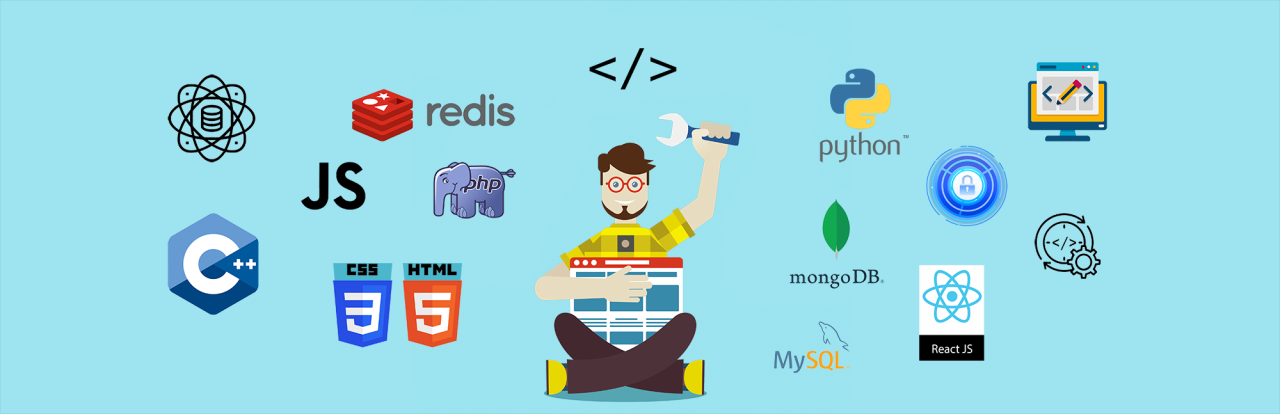
Aspiring to become a full stack developer involves navigating various educational pathways that blend both front-end and back-end technologies. This journey is not only about acquiring knowledge but also about applying it in real-world scenarios, which is crucial for mastering the skills needed in this versatile role.
Hands-on experience is a cornerstone of becoming a proficient full stack developer. Engaging in projects or internships enables learners to apply theoretical concepts in practical settings, fostering problem-solving skills and enhancing understanding of the development process. Real-world experience allows developers to learn about team collaboration, version control systems, and deployment processes, all of which are vital in a professional environment.
Educational Pathways
There are several educational routes one can take to become a full stack developer. The following pathways cater to different preferences, from traditional education to online learning:
- Formal University Degree: Pursuing a Bachelor’s degree in Computer Science or Software Engineering provides a solid foundation in algorithms, data structures, and computer systems. This route often includes the opportunity for internships, which can be invaluable.
- Coding Bootcamps: Intensive coding bootcamps focus on practical skills and usually last a few months. They provide immersive experiences and often include real-world projects, which are crucial for building a portfolio.
- Self-Directed Learning: Many aspiring developers utilize online platforms to learn at their own pace. This method requires discipline and motivation but allows for a personalized learning experience.
Importance of Hands-On Experience
Engaging in projects, internships, or contributing to open-source can significantly boost a developer’s skill set. The following points highlight the importance of acquiring practical experience:
- Real-world projects help reinforce theoretical knowledge.
- Internships provide exposure to workplace environments and team dynamics.
- Contributing to open-source projects allows developers to collaborate with others and improve their code quality.
Recommended Online Resources and Courses
Several online resources and courses are available for aspiring full stack developers to enhance their skills. Here’s a curated list of valuable platforms and courses that stand out in the community:
- FreeCodeCamp: A comprehensive platform offering a free curriculum that covers HTML, CSS, JavaScript, databases, and more.
- Codecademy: Interactive courses that allow learners to practice coding in real-time with instant feedback.
- Udemy: A variety of courses tailored to different aspects of full stack development, often available at discounted prices.
- Coursera: Collaborates with universities to offer professional certificates in full stack development, combining theory and practice.
“Hands-on experience is the bridge that connects theory to practice, making it an essential component of your learning journey.”
By following these pathways, gaining practical experience, and utilizing recommended resources, aspiring full stack developers can equip themselves with the necessary skills to thrive in the tech industry.
Challenges Faced by Full Stack Developers and How to Overcome Them

Full stack developers are expected to have a wide range of skills, covering both front-end and back-end technologies. This versatility, while advantageous, comes with its own set of challenges. The following sections will explore common hurdles that full stack developers face in their daily work and provide strategies to tackle these issues effectively.
Common Challenges in Full Stack Development
Full stack developers often encounter several obstacles that can hinder their productivity and effectiveness. Understanding these challenges is essential for effective problem-solving.
- Keeping Up with Technology Trends: The tech landscape is constantly evolving, making it difficult for developers to stay updated with the latest tools and frameworks.
- Managing Project Scope: Balancing front-end and back-end tasks can lead to scope creep if not managed properly, resulting in missed deadlines.
- Debugging Across the Stack: Identifying the source of bugs can be complex when issues arise in interactions between front-end and back-end systems.
- Time Management: Juggling multiple responsibilities and ensuring timely delivery of features can be challenging without proper prioritization.
Strategies for Staying Current with Rapidly Evolving Technologies
To remain competitive, full stack developers need to actively pursue knowledge and skills in new technologies. Here are some effective strategies:
- Continuous Learning: Engage in online courses, webinars, and workshops to learn about emerging technologies regularly.
- Networking: Join local meetups and online forums where developers share experiences and insights about new tools and practices.
- Reading and Research: Regularly read blogs, documentation, and publications from reputable sources to stay informed about industry trends.
- Experimentation: Set aside time to experiment with new tools and frameworks in personal projects to gain practical experience.
Problem-Solving Techniques and Tools
Effectively overcoming challenges often requires the use of specific problem-solving techniques and tools. Below are some approaches that can aid full stack developers:
- Version Control Systems: Tools like Git facilitate collaboration and help in tracking changes, making it easier to manage project scope and rollback if needed.
- Debugging Tools: Utilizing advanced debugging tools such as Chrome DevTools or Postman can streamline the debugging process across the stack.
- Agile Methodologies: Implementing agile practices allows for better time management and flexibility, enabling teams to adapt to changes more quickly.
- Code Review Practices: Regular code reviews not only improve code quality but also provide opportunities for team knowledge sharing, reducing the burden on individual developers.
“Effective problem-solving in full stack development often hinges on the right tools and collaborative practices that enhance productivity.”
The Future of Full Stack Development and Emerging Trends
The landscape of full stack development is continuously evolving, with new technologies and methodologies emerging at a rapid pace. As we look to the future, several trends are poised to shape how developers work, what skills are in demand, and how the industry operates as a whole. This section explores some of the most significant trends that will define the future of full stack development, particularly the impact of artificial intelligence, automation, and the shift towards remote work.
Impact of Artificial Intelligence and Automation
Artificial intelligence (AI) and automation are transforming numerous industries, and full stack development is no exception. Developers are increasingly harnessing AI tools to streamline their workflows, improve code quality, and enhance user experiences. The rise of no-code and low-code platforms empowers developers to create applications with minimal manual coding, thereby increasing efficiency and accelerating project timelines.
Key impacts of AI and automation on full stack development include:
- Enhanced Productivity: AI tools can automate repetitive tasks such as code testing and debugging, allowing developers to focus on higher-level problem-solving.
- Improved Code Quality: Machine learning algorithms can analyze existing code bases, suggesting optimizations and identifying potential bugs before deployment.
- Personalized User Experiences: AI-driven analytics enable developers to understand user behavior better, resulting in tailored features that meet specific user needs.
“AI and automation are not just enhancing productivity; they are redefining the skill sets required for full stack developers.”
Influence of Remote Work on Development Practices
The rise of remote work has significantly impacted full stack development roles, leading to changes in collaboration, communication, and coding practices. Developers are now part of distributed teams, which necessitates new ways of working together effectively, often leveraging various digital tools and platforms.
The shift towards remote work brings several important considerations:
- Increased Flexibility: Developers can choose their working hours and environments, often leading to improved work-life balance and job satisfaction.
- Global Talent Pool: Organizations can hire top talent from around the world, promoting diversity and the integration of various perspectives into development projects.
- Adoption of Agile Methodologies: Teams are increasingly relying on agile practices to enhance their responsiveness and adaptability in a remote setting, facilitating quicker iterations and feedback loops.
“The transition to remote work is not simply a trend; it has become a foundational aspect of how full stack development teams operate.”
As full stack development continues to evolve, staying informed about these trends will be crucial for developers and organizations aiming to thrive in an increasingly competitive landscape.
Real-World Applications of Full Stack Development in Various Industries
Full stack development plays a pivotal role in shaping the digital landscape across various sectors. By integrating both front-end and back-end technologies, full stack developers create comprehensive solutions that streamline processes, enhance user experiences, and drive innovation. This versatility allows businesses in multiple industries to leverage technology for improved efficiency and effectiveness.
Full stack development has become essential in diverse fields such as healthcare, finance, and e-commerce. By understanding the unique requirements of each industry, developers can create tailored applications that address specific challenges. Successful full stack projects highlight the potential for significant impact, demonstrating how technology can transform operations and customer interactions.
Healthcare Applications
In the healthcare sector, full stack development has facilitated the creation of applications that improve patient care and streamline administrative processes. For instance, electronic health record (EHR) systems allow for the efficient storage and retrieval of patient data, while telemedicine platforms enable remote consultations. The development of mobile health applications has also revolutionized how patients manage their health.
*Case Study: Teladoc Health*
Teladoc Health is a prime example of a successful full stack application in telemedicine. Their platform integrates front-end services for patient consultations with back-end systems that handle data management and security. This approach has significantly increased access to healthcare services, especially during the COVID-19 pandemic.
Finance Applications
The finance industry has embraced full stack development to create secure, user-friendly applications for banking, investment, and personal finance management. Full stack developers design systems that ensure data integrity while providing seamless user experiences. Moreover, fintech solutions are often built on modern frameworks that enhance scalability and performance.
*Case Study: Robinhood*
Robinhood is a well-known fintech application that democratizes investing by offering commission-free trades. The full stack development approach employed by Robinhood ensures that users can access real-time market data while managing their portfolios effortlessly. The integration of front-end technologies with robust back-end services has made it a leader in the financial app space.
E-commerce Applications
E-commerce platforms heavily rely on full stack development to create engaging shopping experiences. From product listings and shopping carts to payment processing and order fulfillment, these applications must function smoothly to retain customers. Full stack developers utilize various technologies to optimize performance and maintain security.
*Case Study: Shopify*
Shopify is a leading e-commerce platform that empowers businesses to set up online stores quickly. Their full stack development facilitates the seamless integration of various functionalities, including inventory management, payment gateways, and customer relationship management. This comprehensive solution has allowed countless entrepreneurs to thrive in the digital marketplace.
Industry-Specific Tools for Full Stack Developers
To effectively navigate the unique challenges of different industries, full stack developers utilize a range of specialized tools. These tools enhance productivity, collaboration, and application performance. Below is a list of commonly used industry-specific tools:
Developers in the healthcare sector often use:
– FHIR (Fast Healthcare Interoperability Resources): A standard for exchanging healthcare information electronically.
– Epic Systems: A widely used EHR system with robust integration capabilities.
In finance, developers rely on:
– Stripe: A payment processing platform that simplifies online transactions.
– Plaid: A technology that connects applications to users’ bank accounts for secure data sharing.
E-commerce developers frequently utilize:
– Magento: An open-source e-commerce platform with extensive customization options.
– WooCommerce: A WordPress plugin that transforms sites into fully functional e-commerce stores.
These tools demonstrate the effectiveness of full stack development in enhancing productivity and innovation across various sectors.
Final Thoughts
In summary, full stack development is not just a career but a pivotal element in the evolution of technology. As we explored, the combination of diverse skills and adaptability positions full stack developers at the forefront of innovation. With emerging trends and tools, their role will only expand, making it an exciting field for aspiring tech enthusiasts.
FAQ Overview
What is a full stack developer?
A full stack developer is a software engineer proficient in both front-end and back-end development, capable of working on all layers of a web application.
Do full stack developers need to know multiple programming languages?
Yes, full stack developers typically need to be familiar with several programming languages, including HTML, CSS, JavaScript, and languages for server-side development like Python or Node.js.
How long does it take to become a full stack developer?
The time it takes to become a full stack developer varies; it typically ranges from a few months to a couple of years, depending on the learning path and prior experience.
Are full stack developers in high demand?
Yes, full stack developers are in high demand across various industries due to their ability to handle multiple aspects of web development, making them highly valuable.
What kind of projects do full stack developers work on?
Full stack developers work on a variety of projects, such as web applications, mobile apps, and complex databases, as they can manage both user interfaces and server logic.