As Algorithm takes center stage, this opening passage beckons readers into a world crafted with good knowledge, ensuring a reading experience that is both absorbing and distinctly original.
The exploration of algorithms offers a fascinating glimpse into their historical evolution, spanning from ancient computational methods to modern digital applications that shape our daily lives. Understanding algorithms reveals their profound influence, powering everything from the simplest online searches to complex decision-making systems in various industries. This intricate blend of mathematics and computer science holds the key to both innovation and ethical dilemmas, making it a captivating subject for anyone interested in technology and its applications.
The Historical Development of Algorithms
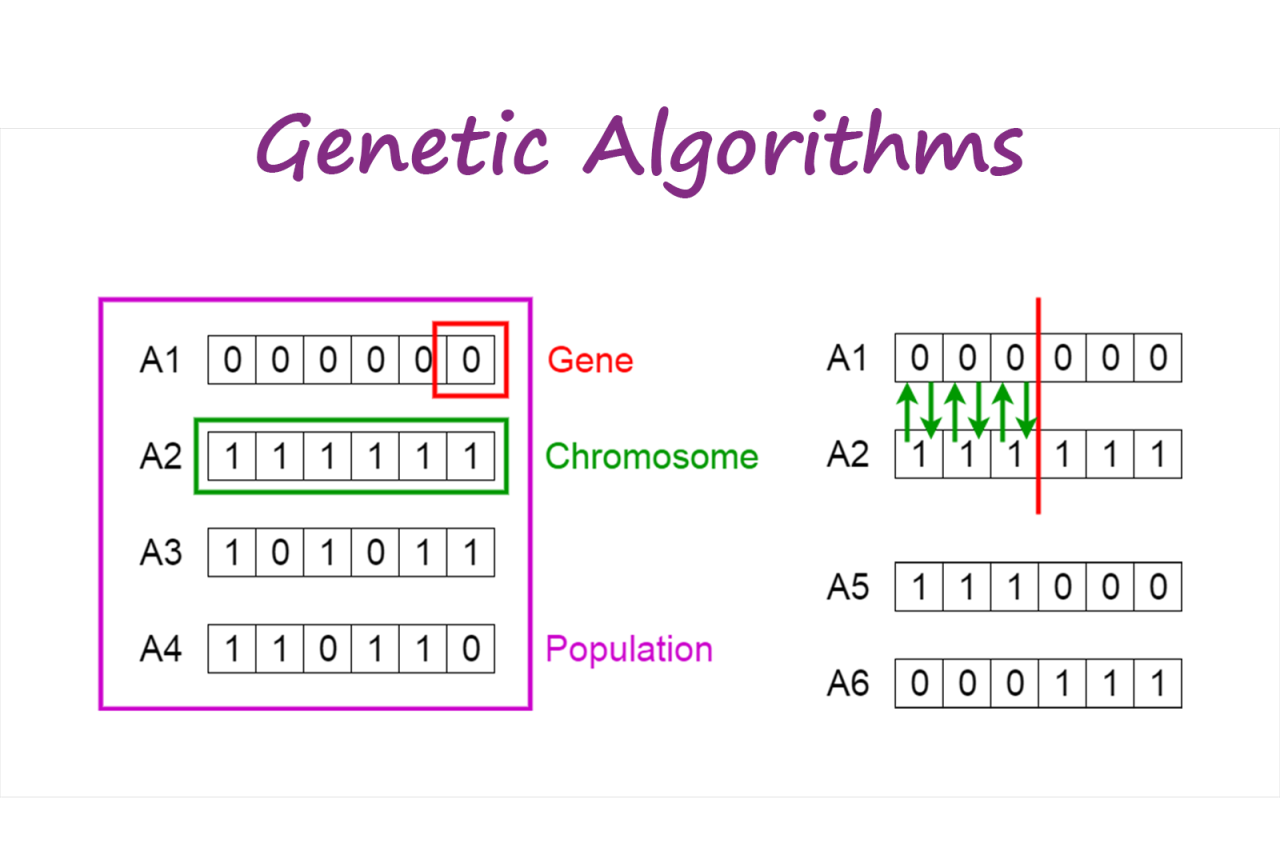
The concept of algorithms dates back thousands of years and has undergone significant transformations through various cultures and technological advancements. Originally stemming from the need to solve mathematical problems, algorithms have evolved to become fundamental to modern computing and artificial intelligence.
The origins of algorithms can be traced back to ancient civilizations such as the Babylonians and Greeks. The term “algorithm” itself is derived from the name of the Persian mathematician Muhammad ibn Musa al-Khwarizmi, whose works in the 9th century contributed significantly to the development of arithmetic and algebraic methods. Al-Khwarizmi’s book, “Al-Kitab al-Mukhtasar fi Hisab al-Jabr wal-Muqabala,” introduced systematic methods for solving linear and quadratic equations, laying the groundwork for algorithmic processes.
Throughout the Middle Ages, the spread of knowledge in mathematics and science facilitated the refinement of algorithms. Key figures, such as Leonardo of Pisa, known as Fibonacci, introduced the Fibonacci sequence in his book “Liber Abaci” in 1202. This sequence not only provided a mathematical concept but also had implications in various fields including biology and art.
The Renaissance further propelled the study of algorithms, marked by the work of mathematicians like Blaise Pascal and Gottfried Wilhelm Leibniz, who contributed to the development of calculus and formal logic. Their work illustrated the importance of algorithms in the context of mathematical reasoning and computation.
The 20th century marked a significant turning point in algorithm development, especially with the advent of computers. The Turing machine, conceptualized by Alan Turing in 1936, introduced the idea of a mathematical model of computation that could simulate any algorithm. This foundational concept paved the way for modern computer science and programming.
Several milestones in algorithm design and implementation have shaped the field:
– The establishment of sorting algorithms, such as Quicksort and Mergesort, revolutionized data organization.
– The development of search algorithms, including binary search, enhanced data retrieval efficiency.
– The introduction of graph algorithms, like Dijkstra’s algorithm, transformed navigation and networking.
Each of these milestones not only showcases the evolution of algorithms but also highlights their increasing complexity and applicability across various scientific and engineering disciplines.
The Role of Algorithms in Everyday Life
Algorithms play a crucial role in shaping our daily experiences, often in ways we may not fully recognize. From the moment we wake up to the time we go to bed, algorithms help streamline our activities, making them more efficient and personalized. They influence how we shop, navigate our surroundings, and engage with social media, ultimately enhancing our overall user experience.
In the realm of shopping, algorithms are essential for personalizing online experiences. Retailers like Amazon and eBay employ recommendation algorithms to analyze customer behavior and suggest products that align with individual preferences. For instance, when a user browses for a specific type of shoe, the algorithm records this behavior and later displays similar shoes or related accessories on the homepage. This not only increases the likelihood of a purchase but also provides a more tailored shopping experience. Furthermore, dynamic pricing algorithms adjust prices in real-time based on demand, inventory levels, and competitor pricing, ensuring that consumers are presented with attractive deals while optimizing revenue for retailers.
Navigation and Location Services
Navigation apps, such as Google Maps and Waze, utilize algorithms to provide real-time traffic updates and route suggestions. These algorithms analyze vast amounts of data, including current traffic conditions, road closures, and user-generated reports, to determine the fastest or most efficient routes. For example, when planning a drive, Google Maps can incorporate factors such as time of day and historical traffic patterns to suggest the best route, helping users save time and reduce frustration. Additionally, these services continuously learn from user interactions, improving their suggestions over time and adapting to changing conditions.
Social Media Algorithms
Social media platforms leverage algorithms to curate content and enhance user engagement. Algorithms determine the posts that appear in a user’s feed by analyzing their interactions, such as likes, shares, and comments. For instance, Facebook’s algorithm prioritizes content from friends and family while also promoting posts that are likely to generate engagement. This approach keeps users scrolling through their feeds, increasing the time spent on the platform. However, this also raises concerns regarding echo chambers and the spread of misinformation, as users may only see content that aligns with their beliefs, limiting exposure to diverse perspectives.
The implications of algorithmic decision-making extend into both personal and professional contexts. In the workplace, algorithms can streamline hiring processes by analyzing resumes and matching candidates to job descriptions, potentially reducing bias in recruitment. However, reliance on these algorithms can perpetuate systemic biases if the training data reflects historical prejudices. In personal contexts, algorithm-driven recommendations can shape our preferences and choices, often leading to a narrower view of available options.
Overall, while algorithms enhance convenience and personalization in daily life, it is essential to remain mindful of their influence and the potential consequences of algorithmic decision-making.
Different Types of Algorithms and Their Applications
Algorithms are the backbone of computational problem-solving, influencing various fields from computer science to economics. Understanding the different types of algorithms and their applications enables us to appreciate their significance in our daily lives. In this segment, we will explore five distinct types of algorithms, detailing their operations, real-world applications, and comparative efficiencies.
Sorting Algorithms
Sorting algorithms are designed to arrange data in a specific order, either ascending or descending. These algorithms are fundamental in processing and organizing information, which is crucial for search efficiency. Common sorting algorithms include Quick Sort, Merge Sort, and Bubble Sort.
- Quick Sort: An efficient sorting algorithm that utilizes a divide-and-conquer strategy to sort elements. It works by selecting a ‘pivot’ element and partitioning the array into elements less than and greater than the pivot.
- Merge Sort: This algorithm divides the array into halves, sorts each half, and then merges them back together in sorted order. It is particularly effective for large datasets.
- Bubble Sort: A simple comparison-based algorithm that repeatedly steps through the list, comparing adjacent pairs and swapping them if they are in the wrong order. Although easy to understand, it is less efficient for larger lists.
Search Algorithms
Search algorithms are essential for locating specific data within a dataset. They are used extensively in databases, web searches, and data retrieval operations. Key types include Linear Search and Binary Search.
- Linear Search: The simplest search algorithm that checks each element in the list until the desired one is found. While straightforward, it is inefficient for large datasets.
- Binary Search: A more efficient algorithm that requires a sorted array. It works by repeatedly dividing the search interval in half, drastically reducing the number of comparisons needed to locate an element.
Graph Algorithms
Graph algorithms are vital for problems involving networks, such as social networks, transportation systems, and communication networks. They help in finding the shortest path or determining connectivity. Dijkstra’s Algorithm and Depth-First Search (DFS) are notable examples.
- Dijkstra’s Algorithm: This algorithm finds the shortest path from a starting node to all other nodes in a weighted graph. It is widely used in GPS navigation systems.
- Depth-First Search: A traversal algorithm that explores as far as possible along each branch before backtracking. It is useful for tasks such as maze solving or scheduling problems.
Dynamic Programming Algorithms
Dynamic programming is a method used to solve complex problems by breaking them down into simpler subproblems. This approach is particularly effective in optimization scenarios, such as resource allocation or inventory management.
- Fibonacci Sequence: Calculating Fibonacci numbers can be efficiently performed using dynamic programming by storing the results of previously computed numbers to avoid redundant calculations.
- Knapsack Problem: This problem involves selecting a subset of items with given weights and values to maximize total value without exceeding a specified weight limit. Dynamic programming helps find the optimal solution efficiently.
Machine Learning Algorithms
Machine learning algorithms enable computers to learn from and make predictions based on data. They are pivotal in applications such as recommendation systems, image recognition, and natural language processing. Supervised and unsupervised learning are two primary categories.
- Supervised Learning: This involves training a model on labeled data, allowing it to learn the relationship between input and output. Applications include spam detection and sentiment analysis.
- Unsupervised Learning: This type deals with unlabeled data, where the algorithm identifies patterns and relationships. Clustering algorithms like k-means are used for market segmentation and customer profiling.
In comparing these algorithms across different fields, sorting algorithms excel in data organization, whereas search algorithms focus on locating specific data efficiently. Graph algorithms are essential for network-related applications, while dynamic programming is pivotal in optimization problems. Machine learning algorithms are revolutionizing data analysis and predictive modeling, making them indispensable in a data-driven world.
The Impact of Algorithms on Data Processing and Analysis
Algorithms play a crucial role in the realm of data processing and analysis, especially in today’s data-driven world. With the rapid expansion of big data, algorithms have become the backbone of data management, enabling organizations to optimize their operations, enhance decision-making, and unlock valuable insights from vast amounts of information. The efficiency and effectiveness of these algorithms can significantly influence how data is interpreted and utilized across various industries.
Significance of Algorithms in Big Data
In the context of big data, the ability to process and analyze information in real-time is paramount. Algorithms facilitate this by automating the extraction of patterns and trends from large datasets, which would be incredibly time-consuming and complex if done manually. Consider the following algorithms that are commonly employed in data mining and machine learning:
- Decision Trees: This algorithm is widely used for classification tasks due to its simplicity and interpretability. For example, a bank may use decision trees to evaluate loan applications based on historical data, assisting in risk assessment.
- Support Vector Machines (SVM): SVMs are effective for both classification and regression tasks. In the healthcare sector, they can help in predicting patient outcomes based on various clinical parameters.
- K-Means Clustering: This algorithm is utilized for grouping similar data points, often in marketing to segment customers based on purchasing behavior. A retail company might deploy K-Means to tailor promotions to specific customer groups.
- Neural Networks: Especially prominent in deep learning, these algorithms mimic human brain functions to process complex data patterns. For instance, they are used in image recognition technologies, such as facial recognition software.
Each of these algorithms plays a pivotal role in transforming raw data into actionable insights, thereby enhancing data accuracy and improving decision-making processes. The application of these algorithms leads to better predictions, reduced errors, and optimized operations.
“Algorithms not only streamline data processing but also enhance the precision of derived insights, ultimately leading to informed and strategic decision-making.”
The implementation of algorithms in data analysis offers several benefits. They can automate the data cleaning process, resulting in more reliable results. For example, machine learning algorithms can identify anomalies in datasets, ensuring that inaccuracies are addressed before analysis. Furthermore, predictive analytics powered by algorithms can forecast trends and behaviors, allowing businesses to make proactive adjustments in strategy.
In conclusion, algorithms have transformed the landscape of data processing and analysis. Their ability to handle big data efficiently and yield precise results has empowered businesses and organizations to achieve a competitive edge in their respective fields.
Ethical Considerations Surrounding Algorithm Use
The use of algorithms in decision-making processes has become increasingly prevalent across various sectors, from healthcare to finance. However, the ethical implications of relying on algorithms raise significant concerns, particularly regarding bias and fairness. As algorithms can inadvertently perpetuate existing biases present in the data they analyze, their application in sensitive areas can lead to unjust outcomes. The responsibility lies not only with developers but also with organizations that implement these algorithms to ensure fairness and ethical integrity.
Algorithmic decisions can have profound implications, particularly when they reinforce societal inequalities. For instance, biased training data can lead to discriminatory outcomes in predictive policing algorithms, which may unfairly target specific communities based on historical crime data. In another instance, hiring algorithms have been shown to favor male candidates over female candidates when trained on historical hiring data reflecting gender bias. Such examples highlight the critical need for ethical oversight in the design and implementation of algorithms to prevent harmful consequences.
Case Studies of Controversial Algorithmic Outcomes
Several case studies elucidate the ethical dilemmas associated with algorithmic decision-making. One notable example is the “COMPAS” algorithm used in the criminal justice system to assess the likelihood of reoffending. Investigations revealed that the algorithm disproportionately flagged African American defendants as high risk, raising serious questions about fairness and equality in the judicial process. Similarly, in healthcare, algorithms used to predict patient outcomes have been shown to favor certain demographics, leading to disparate treatment recommendations that can affect patient care negatively.
These instances highlight not only the potential for algorithmic bias but also the urgent need for accountability in algorithm design. Ethical considerations must be prioritized to mitigate the risks associated with algorithmic decision-making.
Best Practices for Ethical Algorithm Design
To foster ethical algorithmic practices, several best practices can be adopted across various sectors. These practices are essential in ensuring that algorithms are designed and implemented with fairness in mind.
- Diverse Data Collection: It is crucial to ensure that the data used to train algorithms is representative of all demographic groups to minimize bias and promote fairness.
- Transparency: Organizations should maintain transparency about how algorithms function, including disclosing their decision-making processes and data sources, enabling stakeholders to understand potential biases.
- Regular Auditing: Conducting regular audits of algorithms can help identify and rectify discriminatory outcomes, ensuring that systems remain fair and equitable over time.
- Stakeholder Involvement: Engaging a diverse group of stakeholders, including ethicists, community representatives, and domain experts, can provide a broader perspective on the potential impacts of algorithms.
- Continuous Education: Organizations should prioritize ongoing training for developers and stakeholders on ethical considerations in algorithm design, fostering a culture of awareness and responsibility.
By adhering to these best practices, organizations can mitigate the ethical challenges associated with algorithmic decision-making while enhancing accountability and fairness. Addressing these ethical considerations is vital in fostering trust and ensuring that algorithms serve the broader good of society.
Future Trends in Algorithm Development
As we look ahead to the next decade, the evolution of algorithms is poised to transform various sectors significantly. With the rapid advancements in technology, particularly in artificial intelligence (AI) and machine learning (ML), the algorithms that underpin these innovations will become increasingly complex and capable. This transformation promises to enhance efficiency, accuracy, and functionality across numerous applications in different industries.
The future of algorithm development will likely be shaped by several emerging technologies and methodologies. For example, quantum computing is expected to revolutionize algorithmic processing speed and capabilities, enabling solutions to problems that are currently intractable for classical computing methods. Moreover, algorithms will increasingly leverage large datasets, driven by the growth of the Internet of Things (IoT) and big data analytics, to create more personalized and effective solutions.
Predicted Advancements in Algorithm Complexity and Capability
The advancements in AI and ML will lead to algorithms that are not only more efficient but also self-improving through techniques like reinforcement learning and neural architecture search. These methods will allow algorithms to adapt in real-time to changing environments, significantly increasing their complexity and capability.
For instance, industries such as healthcare will benefit from algorithms capable of analyzing vast amounts of medical data to predict disease outbreaks or personalize treatment plans. Similarly, finance will see algorithms that can conduct high-frequency trading with improved risk assessment and fraud detection capabilities.
A table outlining some potential future applications of algorithms across different industries is presented below:
| Industry | Future Application | Description |
|---|---|---|
| Healthcare | Predictive Analytics | Algorithms analyzing patient data to forecast disease outbreaks and improve personalized medicine. |
| Finance | Automated Trading | Utilizing complex algorithms for real-time trading decisions based on market conditions. |
| Transportation | Autonomous Vehicles | Advanced algorithms for navigation, obstacle detection, and decision-making in real time. |
| Retail | Dynamic Pricing | Leveraging algorithms to adjust prices based on demand, inventory, and competitor pricing. |
| Manufacturing | Predictive Maintenance | Algorithms predicting equipment failures to schedule timely maintenance and reduce downtime. |
The integration of advanced algorithms across these sectors will redefine performance metrics and operational efficiencies, paving the way for innovations once thought impossible. The increasing reliance on AI and ML will ensure that algorithms not only enhance productivity but also contribute to smarter decision-making processes across industries.
Popular Programming Languages for Algorithm Design
In the realm of algorithm design, the choice of programming language plays a crucial role in determining both the efficiency and effectiveness of the algorithms being developed. Various languages offer unique features that cater to different aspects of algorithm implementation, and understanding these can significantly impact your project outcomes. This overview examines four popular programming languages that are widely used in algorithm development, highlighting their strengths, weaknesses, and community support.
Python
Python is renowned for its simplicity and readability, making it a favorite among beginners and experienced developers alike. The language’s extensive standard library and rich ecosystem of third-party packages enhance its capabilities in algorithm design.
Strengths:
- Readability: Python’s syntax is clear and concise, facilitating easy debugging and maintenance.
- Rich Libraries: Libraries such as NumPy and SciPy provide powerful tools for numerical and scientific computing.
- Community Support: A vast community contributes to a wealth of tutorials, documentation, and forums.
Weaknesses:
- Performance: Python is an interpreted language, which can lead to slower execution times compared to compiled languages.
- Global Interpreter Lock (GIL): This can hinder multi-threading capabilities, limiting performance in CPU-bound tasks.
C++
C++ is a powerful, high-performance programming language widely used in systems programming and game development. Its ability to provide low-level memory manipulation makes it ideal for implementing complex algorithms that require optimized performance.
Strengths:
- Performance: C++ is compiled, leading to faster execution times and efficient memory management.
- Object-Oriented: Supports object-oriented programming, promoting code reuse and organization.
- Control: Offers fine-grained control over system resources, essential for performance-critical applications.
Weaknesses:
- Complexity: The syntax and concepts of C++ can be challenging for beginners.
- Longer Development Time: The need for manual memory management can increase development time and complexity.
Java
Java is a versatile and widely-used programming language that emphasizes portability across platforms due to its “write once, run anywhere” capability. Its object-oriented nature supports the development of large-scale applications with complex algorithms.
Strengths:
- Platform Independence: Java applications can run on any device with a Java Virtual Machine (JVM).
- Large Ecosystem: A vast number of libraries and frameworks available for various applications, from web development to data analysis.
- Strong Community: An extensive community provides a wealth of resources, including tutorials and libraries.
Weaknesses:
- Performance: Slightly slower than C++ due to the overhead of the JVM.
- Memory Consumption: Java applications can be more resource-intensive due to garbage collection.
JavaScript
JavaScript has evolved from a simple web scripting language to a robust platform that supports server-side programming and asynchronous programming. This makes it a valuable tool in the development of algorithms, particularly in web applications.
Strengths:
- Asynchronous Programming: Supports non-blocking operations, which is ideal for handling I/O operations efficiently.
- Widespread Use: JavaScript is integral to web development, meaning many developers are familiar with it.
- Rich Ecosystem: A plethora of libraries and frameworks, such as Node.js for server-side development.
Weaknesses:
- Performance Issues: Can be less efficient for CPU-intensive operations compared to compiled languages.
- Dynamic Typing: While it allows flexibility, it can lead to runtime errors that are harder to debug.
The choice of programming language significantly influences how algorithms are implemented and their overall performance. For instance, while Python offers ease of use and quick prototyping, C++ may be preferred for performance-critical algorithms. A strong community can also enhance the experience of algorithm design by providing resources and support. Each of these languages brings its own unique strengths and weaknesses to the table, making it essential for developers to consider their specific needs and project requirements when selecting a programming language for algorithm design.
Real-World Case Studies of Successful Algorithm Implementation
The implementation of algorithms in various industries has led to significant advancements and improvements in business outcomes. These algorithms have not only streamlined processes but have also provided insights that were previously unattainable. This section details three notable case studies where specific algorithms played crucial roles in enhancing performance and efficiency.
Recommendation Systems in E-commerce
E-commerce giants like Amazon have successfully utilized recommendation algorithms to enhance user experience and increase sales. The collaborative filtering algorithm, which analyzes user behavior and preferences, recommends products based on similar customers’ buying habits. As a result, Amazon reported that 35% of its revenue is generated through its recommendation engine.
The effectiveness of this algorithm can be attributed to its ability to personalize the shopping experience, thereby increasing customer engagement and satisfaction. By analyzing vast amounts of data, the algorithm can predict items a customer may be interested in, ultimately leading to increased conversion rates and customer retention.
Lessons learned from Amazon’s implementation include the importance of data quality and the need for continuous refinement of the algorithm. Businesses aiming to integrate similar systems should focus on accumulating clean, relevant data and iteratively improving their models based on user feedback and changing trends.
Predictive Maintenance in Manufacturing
GE Aviation employs predictive maintenance algorithms to optimize aircraft engine performance and reduce downtime. The algorithms analyze data collected from sensors embedded in engines to predict potential failures before they occur. The use of machine learning algorithms enables the processing of large datasets to identify patterns and anomalies.
This implementation has resulted in significant cost savings and operational efficiency. According to GE, predictive maintenance has led to a 10-15% reduction in maintenance costs and minimized unplanned downtimes.
A key takeaway from GE’s approach is the integration of real-time data analytics into operational processes. Companies looking to enhance maintenance strategies should consider implementing similar predictive algorithms, ensuring they have the necessary infrastructure to collect and analyze data effectively.
Fraud Detection in Financial Services
PayPal has effectively utilized machine learning algorithms for fraud detection in real-time transactions. By employing a sophisticated algorithm that analyzes transaction patterns, the system can flag suspicious activity and prevent fraudulent transactions before they occur.
The effectiveness of the algorithm is evident in its ability to process millions of transactions per day while maintaining a low false positive rate. This precision has allowed PayPal to save millions in potential losses due to fraud, while also enhancing customer trust and satisfaction.
Insights gained from PayPal’s implementation highlight the necessity of balancing security and user experience. Financial institutions should focus on developing algorithms that not only protect against fraud but also minimize the inconvenience to genuine customers. Continuous learning and adaptation of the algorithm are essential to respond to evolving fraud tactics.
“The effectiveness of algorithms in improving business outcomes hinges on the quality of data, continuous refinement, and adaptation to changing user behaviors.”
Final Thoughts

In conclusion, algorithms are not just abstract concepts confined to textbooks; they are dynamic tools that drive progress and influence our decisions daily. As we have explored their historical roots, practical applications, and ethical implications, it becomes evident that understanding algorithms is essential for navigating the modern world. Looking ahead, the future of algorithms promises exciting developments that could further enhance their capabilities, making it an area worth keeping an eye on as technology continues to evolve.
Questions and Answers
What is an algorithm?
An algorithm is a step-by-step procedure or formula used for solving a problem or completing a task.
How do algorithms affect online privacy?
Algorithms can track user behavior, influencing what data is collected and how it is used, potentially impacting privacy.
Can algorithms be biased?
Yes, algorithms can exhibit bias if the data used to train them contains biases, leading to unfair outcomes.
What is the difference between an algorithm and a program?
An algorithm is a logical sequence of steps to solve a problem, while a program is a specific implementation of one or more algorithms in code.
Are all algorithms created equal?
No, algorithms differ in efficiency, complexity, and suitability for particular tasks or datasets.